

Shrines & temples
Japanese shrines
OSM directory
Explore Shinto shrines mapped from OpenStreetMap — filter by prefecture, city, or denomination. For curated travel listings, see featured landmark shrines below.
1,794 shrines
火尊天満宮
火尊天満宮
Shiga
Fire God Shrine is a Shinto temple located in the city of Gokayma, Shiga Prefecture. Dedicated to the god of fire, it is believed that the shrine's name 'fire' refers to its association with heat, light, and purification. The shrine's architecture reflects traditional Japanese styles, with a main hall (honden) covered in black wooden shingles and a roof adorned with golden paper lanterns.
巽之神社
巽之神社
Shiga
Patsumi Shrine is a Shinto shrine located in Shiga Prefecture, dedicated to Patsumi Okami, the kami of wheat and rice. The shrine's architecture reflects its history as a rural temple, with a distinctive tiled roof and wooden torii gate. Visitors can experience traditional Japanese hospitality at the shrine's teahouse, offering a glimpse into daily life in rural Japan.
津島社
津島社
Shiga
Located in the town of Yosa, Shiga Prefecture, Tsushima Shrine is a serene and historic Shinto site dedicated to the kami of the Tsushima Islands. The shrine's architecture reflects the traditional Japanese style with a main hall (main shrine) and smaller shrines, known as 'honden' and 'torii'. Visitors can experience the tranquil atmosphere and picturesque views of Lake Biwa, which lies nearby.
井守社
井守社
Shiga
Located in the city of Hikone, Shiga Prefecture, Izu-no-tani Shrine is one of Japan's most famous shrines and a major pilgrimage site, especially for those seeking good luck and prosperity in their lives. Dedicated to the kami of Mount Iwaki and the surrounding area, the shrine is famous for its unique architecture and beautiful gardens. The shrine's main hall was originally built during the Heian period (794-1185 CE) but has undergone several restorations over the centuries.
日清大明神
日清大明神
Shiga
Dayo Daimyin is a Shinto shrine located in the city of Nagahama, Shiga Prefecture, dedicated to the god of prosperity and fortune. The shrine's name reflects its connection to the sea and its role as a port of call for fishermen. Visitors can explore the shrine's main hall, which features a large torii gate and a beautiful garden.
七石大明神
七石大明神
Shiga
Nanzen-ji Temple's sister shrine, Seven Stones Great Buddha Shrine in Shiga Prefecture is a historic Shinto site dedicated to the worship of Hachiman, the god of war. The shrine is situated near Lake Biwa and is known for its beautiful gardens and traditional architecture.
太郎松大明神
太郎松大明神
Shiga
Located in Shiga Prefecture, Taro Matsudai Taishogami Shrine is a Shinto shrine dedicated to the enshrined deity Matsudai Tsunetomo, also known as Taro Matsumoto. The shrine's main hall was built in 1853 and features a unique design with a tiled roof and sliding doors made of hinoki cypress wood. This charming shrine is nestled among lush greenery and is often visited by locals seeking good fortune and blessings.
松尾三宮社
松尾三宮社
Shiga
Located in the Echizen Province of Ishikawa and later Shiga Prefecture, Matsuo Sanmyo-sha is a historic Shinto shrine that enshrines three kami: Inari Okami, Hachiman Okami, and Juroku Kunitokamushi. The shrine's architecture reflects its historical development, with the oldest part of the shrine dating back to the Heian period (794-1185 CE). The shrine complex features a traditional Japanese garden, including torii gates and cedar trees that are believed to bring good luck. Matsuo Sanmyo-sha is an important cultural and spiritual site for local communities.
稲荷神社
稲荷神社
Shiga
Located in the heart of Omi-Hachiman, 稲荷神社 is a revered Shinto shrine dedicated to the rice goddess, Inari Okami. Dedicated to fertility and prosperity, the shrine's primary focus revolves around agriculture and harvests. Visitors can explore the complex network of torii gates and shrines, each representing various aspects of nature and human endeavors.
神武神社
神武神社
Shiga
Located in the city of Omi, this Shinto shrine has a rich history dating back to the Heian period and is dedicated to Hikohohode no Ōkami, also known as Oomi-no-kami. The shrine complex features a five-story pagoda and a large hall with wooden pillars. Locals consider the shrine to be a symbol of good luck and prosperity.
神武神社 一の鳥居
神武神社 一の鳥居
Shiga
Located in the town of Katsuyama, Godo Shrine, also known as the One Bird Tower Shrine (Ichnō Torii), is a historic Shinto shrine dedicated to the god Susanoo no Mikoto. The shrine's architecture features a unique design with two torii gates facing each other, symbolizing the unity and balance between heaven and earth. Visitors can explore the shrine's gardens, which include several traditional Japanese maple trees and a scenic pond.
鳴谷神社
鳴谷神社
Shiga
Nagaragawa Shrine, located in the picturesque town of Nagahama in Shiga Prefecture, is a Shinto shrine dedicated to the sea god Okuninushi. The shrine's name, 'Nagaragawa,' refers to the nearby Nagaragawa River, which flows into the Japan Sea. As a result, the shrine plays an important role in Shiga's maritime culture and is often visited by fishermen and locals alike.
西院野々宮神社
西院野々宮神社
Shiga
Located in the heart of Shiga Prefecture, 西院野々宮神社 is a serene Shinto shrine dedicated to the god of agriculture and fertility, Inari Okami. The shrine's architecture reflects its historical significance as an important temple during the Heian period, with a unique blend of Chinese and Japanese styles. Visitors can explore the tranquil grounds, adorned with vibrant autumn foliage in the fall and cherry blossoms in spring.
若宮八幡神社
若宮八幡神社
Shiga
Located in the city of Omi, Shiga Prefecture, Ifukuji Shrine is a Shinto shrine dedicated to Musubi Okami, the god of prosperity and abundance. The shrine was originally built as the Hie Shrine during the Heian period but moved to its current location in 1889 due to urbanization.
大瀧神社
大瀧神社
Shiga
Nestled in the scenic city of Koka, Omi-Jaisha Shrine is dedicated to the kami of water and fertility. With its serene gardens and majestic stone lanterns, this Shiga prefecture shrine embodies the tranquility and beauty of nature. Visitors can marvel at the impressive wooden gates, adorned with sacred trees and symbolizing strength and resilience.
若宮八幡神社
若宮八幡神社
Shiga
若宮八幡神社 is a Shinto shrine located in the town of Katsuyama, Shiga Prefecture. It is dedicated to the god Hachiman, and its name reflects its historic significance as the burial site of Emperor Otomo no Sakechika, who was revered for his bravery in battle. The shrine's architecture, which dates back to the 8th century, showcases traditional Japanese design elements, including a hippon (main hall) covered with a thatched roof and a haiden (outer shrine) adorned with vermilion pillars.
春日神社
春日神社
Shiga
Spring Day Shrine, located in the scenic town of Hikone in Shiga Prefecture, is dedicated to the sun goddess Amaterasu. With a history dating back to the Edo period, the shrine is known for its traditional architecture and vibrant festivals. Visitors can explore the beautiful gardens, observe the changing cherry blossoms, and experience the local culture.
高松神明神社
高松神明神社
Shiga
High Matsusaka Shrine is a Shinto shrine located in the city of Omi, Shiga Prefecture, dedicated to the kami of the confluence of the Katsura River and Lake Biwa. The shrine's architecture reflects its historic significance as one of Japan's oldest shrines, with a main hall built during the Heian period (794-1185 CE). The shrine is famous for its beautiful gardens and traditional festivals, including the Star Festival on July 7th, which attracts thousands of visitors each year.
金刀毘羅神社
金刀毘羅神社
Shiga
Kintaro-jinja, dedicated to the god of wealth and prosperity, is a Shinto shrine located in Hikone, Shiga Prefecture. The shrine's current structure dates back to the Heian period (794-1185 CE), but its origins are rooted in the ancient Japanese mythological figure Kintarō, a legendary samurai and patron deity of commerce and wealth. The shrine's architecture reflects its importance as a center for trade and economic growth in the region. Visitors can explore the tranquil gardens and traditional wooden structures, offering a glimpse into Japan's rich cultural heritage.
津島神社
津島神社
Shiga
Tsushima Island Shrine, located in the Shiga Prefecture, is a Shinto temple dedicated to the sea and its bounty. The shrine's history dates back to the Heian period, during which it was known as Tsushima no Mikoto Ise no Sei-no-Kami, one of the five divine ancestral spirits associated with the Imperial Family. Over time, the shrine has come to be revered for its role in protecting fishermen and sailors from misfortune at sea. Today, visitors can experience the tranquil atmosphere of the shrine's gardens and take a ferry ride to Tsushima Island, which offers stunning views of the surrounding waters.
和束天満宮
和束天満宮
Shiga
Located in the town of Echizen, Ando city, Shiga Prefecture, Ando Taishanshu is a historic Shinto shrine dedicated to the storm god Susanoo-no-Mikoto. The shrine's name literally translates to 'Susanoo's Heavenly Shrine'. With its architectural style influenced by the Edo period, the shrine features a wooden torii gate and a large, rectangular prayer hall with a tiled roof. Visitors can experience the tranquil atmosphere of the shrine's gardens, which are especially beautiful during cherry blossom season.
日枝神社
日枝神社
Shiga
Located in the city of Hikone, Dayo-jinja Shrine is one of Japan's oldest shrines, with a history dating back to 710 CE. Dedicated to the sun goddess Amaterasu, it is also revered as a shrine for the local ruler Oshi no Tsuki-yamato-no-sukune, a powerful deity in Shiga Province.
竹田神社
竹田神社
Shiga
Takeda Shrine, located in the city of Koka, Shiga Prefecture, is dedicated to the enshrined deity Taka no Okami. According to legend, the shrine was built to avenge the death of Takeda Shingen's son. The shrine is famous for its unique torii gate and traditional architecture. Visitors can experience the tranquility of the surrounding park and take in the beautiful views of Lake Biwa.
本殿
本殿
Shiga
Located in the city of Hikone, Shiga Prefecture, Omotenashi no Mikasa Shrine is a small but historic Shinto shrine dedicated to the god of hospitality and travel. The shrine's primary kami is Mikasa, a minor deity worshipped by travelers for safe passage and protection. While not as well-known as other Japanese shrines, Omotenashi no Mikasa Shrine remains an important cultural and historical landmark in Hikone.
Curated shrine listings
Hand-picked shrines and temples from our landmark guide.
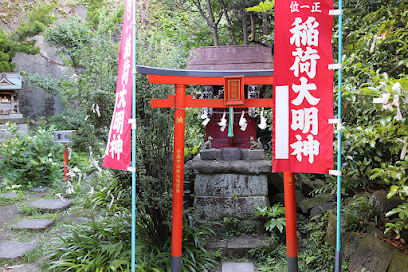
Otsuna Kompira Shrine
Kanagawa 221-0834
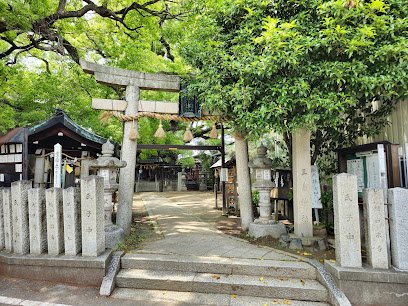
Mitsushima Shrine
Osaka 571-0015
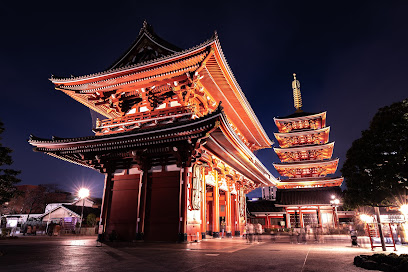
Sensō-ji
Tokyo 111-0032
Completed in 645, this temple, Tokyo's oldest, was built to honor Kannon, the goddess of m...
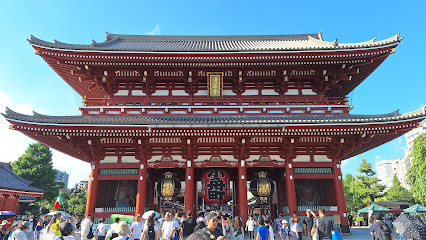
Kaminarimon
Tokyo 111-0032
A 3.9m-tall lantern greets visitors to this stately gate at the entrance to Sensō-ji templ...
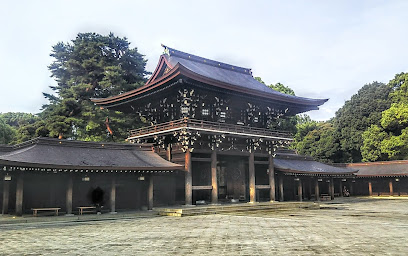
Meiji Jingu
Tokyo 151-8557
Surrounded by forest, this venerable Shinto shrine features a seasonal iris garden.

Kushida Shrine
812-0026
Founded in 757 CE, this urban site annually hosts the city's largest festival, Hakata Gion...