

Shrines & temples
Japanese shrines
OSM directory
Explore Shinto shrines mapped from OpenStreetMap — filter by prefecture, city, or denomination. For curated travel listings, see featured landmark shrines below.
978 shrines
天神社
天神社
Chiba
Located in the heart of Chiba, Tenjin Shrine is dedicated to the Shinto deity Susanoo-no-Mikoto, known as the god of storms, winds, and fertility. The shrine's architecture reflects a mix of traditional and modern elements, with a striking vermilion torii gate standing tall amidst lush greenery.
稲荷神社
稲荷神社
Chiba
Located in Chiba Prefecture, the Inari Shrine is one of Japan's most famous Shinto shrines, dedicated to the god of rice, fertility, and prosperity. The shrine is known for its thousands of vermilion torii gates that form a tunnel up the mountain, symbolizing the connection between heaven and earth. Visitors often pray for good fortune, success, and love while making offerings at the shrine.
金刀比羅宮
金刀比羅宮
Chiba
Located in the town of Nishi-Kawachi, Kinjōtarō Shrine is a Shinto shrine dedicated to Kinjōtarō, the deity believed to be a manifestation of the god Susanoo-no-Mikoto. The shrine's architecture reflects traditional Japanese styles, with a tiled roof and wooden beams. Visitors can admire the beautiful gardens and take part in the annual Kinjōtarō Festival, which honors the deity's association with rice cultivation.
神明(豊受)神社
神明(豊受)神社
Chiba
The Toyosu Shrine, dedicated to the deity Amaterasu Omikami, is a Shinto shrine located in the Toyosu area of Chiba Prefecture. The shrine is famous for its beautiful gardens and traditional architecture. According to legend, the shrine was built by Emperor Jimmu, who is said to have founded Japan's imperial line. The shrine has been an important center for rituals and ceremonies in honor of Amaterasu, the Shinto sun goddess.
豊受神社
豊受神社
Chiba
Toi-oku Shrine, located in Eniwado, Chiba Prefecture, enshrines the god Toi, a kami associated with rice and fertility. Founded during the Heian period, the shrine was rebuilt after an earthquake in 1899. Visitors can experience traditional Japanese architecture and tranquil gardens while exploring the shrine's history.
本行徳八幡神社
本行徳八幡神社
Chiba
Located in the city of Chiba, the Benkei-jinsha Shrine is dedicated to the deity Benzaiten, a Buddhist goddess of music and dance. The shrine's architecture reflects its historical significance as the place where famous samurai Benkei once resided. Visitors can explore the traditional torii gate, the main hall, and the small museum showcasing artifacts related to the legend of Benkei. Despite its history dating back over 700 years, the shrine remains a popular destination for those seeking spiritual connection and cultural enrichment.
香取神社
香取神社
Chiba
Kashitaro Shrine, located in the city of Kashitaro on the coast of Chiba Prefecture, is a Shinto shrine dedicated to the storm god Kashitaro and the gods of rice and fishing. The shrine's architecture reflects its coastal location, with a unique style that blends traditional Japanese design with the influence of the sea. Visitors can experience the serene beauty of the shrine gardens, which feature a variety of Japanese maples and other native plants.
本殿
本殿
Chiba
Located in the Sasanuma River valley, the Hōden shrine is a Shinto temple dedicated to Ōkami, the forest spirit. The shrine is situated near an ancient cedar tree, and its architecture reflects its connection to nature. Visitors can experience the serene atmosphere of the shrine's gardens and surrounding forests.
拝殿
拝殿
Chiba
The Hasedera shrine in Chiba Prefecture is a Shinto temple dedicated to the Buddhist deity Kannon and is also a renowned site for cherry blossom viewing. The shrine was built on the site where Emperor Shomu, who reigned from 704 to 806 CE, held a sacred meeting with Kannon. The Hasedera's design reflects its dual nature as both a Shinto and Buddhist temple.
花稲荷
花稲荷
Chiba
Located in the city of Ichihara, Chiba Prefecture, Hakushin-ha is a Shinto shrine dedicated to the god Inari Okami, patron deity of rice, fertility, and prosperity. The shrine's main hall, Torii Gate, features intricately carved wooden beams and a distinctive curved roof. Visitors can participate in the New Year's (Oshogatsu) festival, which marks the beginning of the new year with rituals and offerings to Inari-sama.
八坂神社
八坂神社
Chiba
Eight坂神社 is a Shinto shrine located in the Chiba prefecture, dedicated to the kami of the eight mountain passes along the Nakasendō route. The shrine's architecture reflects the Heian period (794-1185 CE), with a five-story pagoda and a main hall featuring a torii gate. Visitors can explore the shrine's grounds, which include a museum showcasing artifacts related to the shrine's history and the Nakasendō pilgrimage route.
山神社
山神社
Chiba
Located in the Chiba Prefecture,山神社 is a Shinto shrine that honors the mountain spirits and the divine powers of nature. The shrine's architecture reflects its traditional Japanese design, with a rectangular main hall surrounded by vibrant gardens and towering pine trees. A popular destination for locals and tourists alike, 山神社 offers a serene escape from the hustle and bustle of modern life.
天祖神社
天祖神社
Chiba
Located in the city of Ichihara, Chiba Prefecture, Tenzu Shrine is one of Japan's oldest shrines, with a history dating back to the 8th century. Dedicated to the deity known as Tenzu-oki, this Shinto shrine is revered for its unique architectural style and connection to the region's mythology.
磯部大神宮
磯部大神宮
Chiba
磯部大神宮 is a Shinto shrine located in Chiba Prefecture, dedicated to the kami of the same name, believed to be the god of the sea and protector of the local fishing industry. The shrine's architecture reflects its historical ties to the Edo period, with a traditional Japanese-style main hall and a unique torii gate. Visitors can experience the tranquil atmosphere of the shrine's gardens, which feature beautiful cherry blossom trees and a serene pond.
鹿島神社
鹿島神社
Chiba
Located in the Chiba Prefecture,鹿島神社 (Karasuma Shrine) is a Shinto shrine dedicated to the god of fertility and prosperity, Inari Okami. The shrine's architecture reflects traditional Japanese style, with a main hall and several smaller shrines dedicated to other kami. Visitors can experience the tranquil atmosphere and admire the beautiful gardens. As one of the oldest shrines in Chiba Prefecture, Karasuma Shrine holds significant cultural value and is an essential destination for those interested in Shinto traditions.
厳島神社
厳島神社
Chiba
厳島神社 is a Shinto shrine located in the southern part of Chiba Prefecture, Japan. The shrine is dedicated to the worship of Ōkuninushi Okami no Kamikawa-hime, a kami associated with agriculture and fertility. The shrine's architecture reflects its historical significance as one of the oldest shrines in Japan, dating back to the 7th century.
八幡神社
八幡神社
Chiba
The Eight-Horned Shrine, located in the town of Choshi in Chiba Prefecture, is dedicated to the Shinto deity Hachiman. As one of Japan's oldest and most important shrines, it has been an important center of worship for centuries. The shrine complex features a unique octagonal tower, said to represent the eight horns of the god. Visitors can walk through the tranquil gardens and admire the impressive architecture.
出世稲荷神社
出世稲荷神社
Chiba
This Shinto shrine, located in the city of Sotenbori, is dedicated to the kami of rice and prosperity. The shrine's main hall is a beautiful example of traditional Japanese architecture, with a tiled roof and sliding doors made of cypress wood. Visitors can admire the intricate carvings on the wooden torii gate and walk through the serene garden filled with rice paper lanterns.
天白稲荷神社
天白稲荷神社
Chiba
Located in the city of Ichihara, Chiba Prefecture, Tenma Shinto Shrine is dedicated to the god Tenma Inari, who is revered as a deity of rice and agriculture. The shrine's architecture reflects traditional Heian-style design, with a main hall adorned by ornate wooden carvings and a vermilion torii gate. Visitors can experience the tranquil atmosphere of the shrine by strolling through its beautifully landscaped gardens.
三嶋神社
三嶋神社
Chiba
Located in the scenic town of Saitama, Isumi-ku, Chiba Prefecture, is the Shinto shrine of Sanefusa-san (also known as Sanefu), a kami enshrined at this site since ancient times. The shrine is dedicated to Sanefu's role as a protector of fishermen and travelers. Visitors can explore the shrine's traditional torii gate, surrounded by beautiful gardens and scenic views of the nearby ocean.
有楽稲荷神社
有楽稲荷神社
Chiba
Located in the heart of Funabashi, Chiba Prefecture, has a long history dating back to the Edo period. The shrine is dedicated to the Shinto god of rice, grain, and fertility, and is known for its beautiful gardens and traditional architecture. Visitors can explore the shrine's main hall, adorned with intricate carvings and ornate decorations, as well as stroll through the surrounding park and admire the tranquil atmosphere.
護国神社
護国神社
Chiba
Located in the town of Katsuta, Chiba Prefecture, 環国神社 is a Shinto shrine dedicated to the deity Inazumanokami, who is revered as the god of war and protection. The shrine's architecture reflects its historical significance, with a main hall featuring a distinctive hiragino-dana roof style characteristic of the Kamakura period (13th century). Visitors can explore the shrine's grounds, which include a peaceful tea house and a sacred forest.
諏訪神社
諏訪神社
Chiba
The Shrine of Fujisaki Tenjin, located in Chiba Prefecture, is a Shinto shrine dedicated to the god of learning and culture, Fujisaki Tenjin. As one of Japan's oldest shrines, it has played a significant role in the education and intellectual pursuits of the region's inhabitants for centuries. The shrine's architecture reflects its historical significance, with a traditional Japanese design that blends seamlessly into its surroundings. Visitors to the shrine can experience the serene beauty of nature and explore the rich cultural heritage of Chiba Prefecture.
出世稲荷
出世稲荷
Chiba
Outsode Shrine, located in the town of Narita in Chiba Prefecture, is a Shinto temple that enshrines the deity Fujin, the god of wind and storms. The shrine's name literally means 'the origin of rice grain' and refers to its location on the banks of the Tama River, which once provided fertile soil for rice cultivation. According to legend, the deity was brought to this site by the local ruler who wanted to appease Fujin and ensure a bountiful harvest.
Curated shrine listings
Hand-picked shrines and temples from our landmark guide.
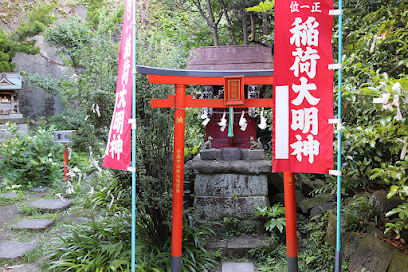
Otsuna Kompira Shrine
Kanagawa 221-0834
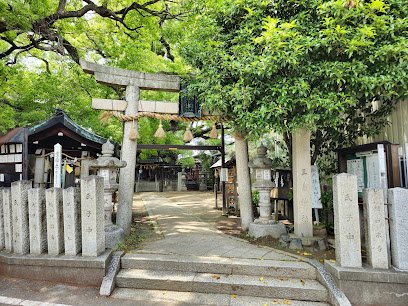
Mitsushima Shrine
Osaka 571-0015
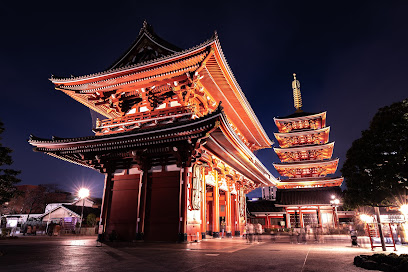
Sensō-ji
Tokyo 111-0032
Completed in 645, this temple, Tokyo's oldest, was built to honor Kannon, the goddess of m...
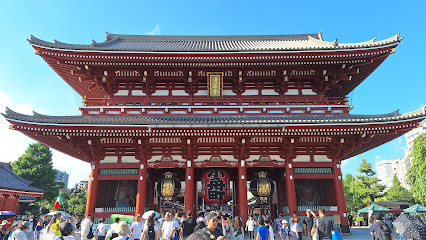
Kaminarimon
Tokyo 111-0032
A 3.9m-tall lantern greets visitors to this stately gate at the entrance to Sensō-ji templ...
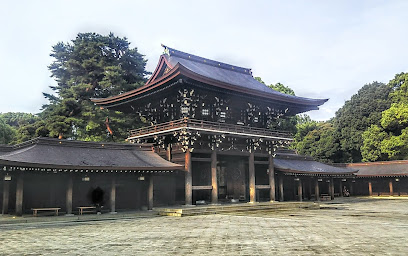
Meiji Jingu
Tokyo 151-8557
Surrounded by forest, this venerable Shinto shrine features a seasonal iris garden.

Kushida Shrine
812-0026
Founded in 757 CE, this urban site annually hosts the city's largest festival, Hakata Gion...