

Shrines & temples
Japanese shrines
OSM directory
Explore Shinto shrines mapped from OpenStreetMap — filter by prefecture, city, or denomination. For curated travel listings, see featured landmark shrines below.
554 shrines
十日恵比須神社
十日恵比須神社
Fukuoka
The Ten-day Hakusan Shrine, located in Fukuoka Prefecture, is dedicated to the Shinto kami of the same name, revered as a protector of merchants and traders. The shrine's architecture reflects its age, dating back to the Heian period (794-1185 CE). Its traditional Japanese-style buildings, including the main hall and torii gate, are adorned with vermilion accents and tiled roofs. The shrine is also notable for its unique torii gate, which serves as a boundary marker and symbol of the kami's presence.
佐賀県護国神社
佐賀県護国神社
Fukuoka
Sokai-jinja is a Shinto shrine located in Saga Prefecture, dedicated to the worship of the gods, particularly Hachiman and Benzaiten. Founded during the Nara period (710-794 CE), it has been an important site for locals seeking protection and blessings. The shrine's architecture reflects its historical significance, with a main hall and several smaller shrines. Visitors can experience traditional Japanese culture by participating in the shrine's annual festival, which features sake tastings and traditional performances.
与賀神社
与賀神社
Fukuoka
Higashi Shrine, located in Fukuoka Prefecture, is a Shinto shrine dedicated to the kami of Higashi, which refers to the eastern direction. The shrine is notable for its unique architectural style, with a distinctive roof and a vermilion torii gate. According to local legend, the shrine was founded during the Heian period (794-1185 CE), when it served as a sacred site for the imperial family's ancestral worship. Today, visitors can experience traditional Shinto rituals and ceremonies, including the famous 'Higashi Shrine Festival', which takes place in late August and features local dances, food stalls, and live music.
日天神社
日天神社
Fukuoka
Located in the heart of Dazaifu, Dayo no Kami Taisha is a Shinto shrine dedicated to the sun goddess Amaterasu and her husband, the storm god Susanoo. Dating back to the Heian period (794-1185 CE), this shrine showcases traditional Japanese architecture and is famous for its unique stone lanterns and ornate gates.
駕与八幡宮
駕与八幡宮
Fukuoka
Located in the heart of Dazaifu, Fukuoka Prefecture, Kariya-yama Hachiman-gu is a revered Shinto shrine dedicated to Hachiman, the god of war and patron deity of the Minamoto clan. The shrine's architecture reflects its origins as a Heian-period (794-1185 CE) temple, with a distinctive five-story pagoda and beautiful gardens. Visitors can experience the tranquil atmosphere of the shrine's peaceful grounds, which are particularly stunning during cherry blossom season.
五穀神社
五穀神社
Fukuoka
Five-Grain Shrine, dedicated to the kami of rice, barley, wheat, millet, and soybeans, is a historic Shinto shrine located in Fukuoka, Japan. The shrine's architecture reflects the Heian period, with a main hall constructed from cypress wood, while its surrounding areas feature traditional Ryukyu-style gardens. Visitors can explore the shrine grounds, which also include a temple complex and a museum showcasing local history and cultural artifacts.
風水神社
風水神社
Fukuoka
Wind and Water God Shrine, located in the heart of Fukuoka city, is a small but historic Shinto shrine dedicated to the kami of wind and water. The shrine's architecture reflects its regional style, with a simple but elegant torii gate and a humble main hall adorned with traditional Japanese decorations. Visitors can enjoy the serene atmosphere and take in the local scenery while praying for good winds, clear waters, or successful endeavors.
部木八幡宮
部木八幡宮
Fukuoka
Located in the heart of Fukuoka, Deptoku Hachiman Shrine is dedicated to the Shinto god of war and medicine, Hachiman. The shrine's architecture reflects its connection to the region's history as a major hub for trade and commerce. Built during the Heian period (794-1185 CE), the shrine's main hall features a distinctive hiragana-style roof with a red tile facade. Visitors can explore the shrine's grounds, which include a tranquil forested area and a historic walking path along the nearby Fukuoka River.
高良山下宮社
高良山下宮社
Fukuoka
Located in Fukuoka Prefecture, 高良山下宮社 is a Shinto shrine dedicated to the god of agriculture and fertility, believed to protect the surrounding area's crops and livestock. The shrine's name translates to 'Lower Temple of High Mountain,' which may refer to its location near the base of a mountain or the high altitude at which it was built.
八幡宮
八幡宮
Fukuoka
Located in Fukuoka, Eight Horses Temple Shrine (Hachimangū) is a prominent Shinto temple dedicated to the god of war and good fortune, Hachiman. The shrine was built during the Heian period (794-1185 CE), with significant renovations made during the Edo period (1603-1867 CE). Its architecture reflects traditional Japanese designs, featuring a main hall (honden) and several smaller shrines dedicated to various kami.
天神社
天神社
Fukuoka
Located in the heart of Fukuoka, Tenjin Shrine is a sacred Shinto site dedicated to Takemikazuchi, the Storm God and patron deity of learning, culture, and technology. The shrine's history dates back to the Heian period (794-1185 CE), making it one of Japan's oldest shrines. Visitors can admire the shrine's impressive vermilion torii gate and explore its tranquil gardens.
老松神社
老松神社
Fukuoka
Located in Fukuoka Prefecture, 老松神社 is a Shinto shrine dedicated to the Kami of the old pine tree. The shrine's name reflects its association with a majestic old pine that stood tall on the grounds until it was cut down during World War II.
馬見神社
馬見神社
Fukuoka
Maramegashimaya Shrine is a Shinto shrine located in Fukuoka, dedicated to the god of rice and prosperity, Inari. The shrine's main hall dates back to the Edo period (1603-1868), with renovations made during the Heian period (794-1185). Visitors can see intricate wooden carvings and vermilion lacquerwork adorning the shrine's structure. The shrine is surrounded by a peaceful forest, creating a serene atmosphere for pilgrims seeking blessings for good fortune.
浜宮
浜宮
Fukuoka
Hamamatsu Shrine is a Shinto shrine located in Fukuoka Prefecture, dedicated to the worship of the sun goddess Amaterasu Omikami and her consort Susanoo no Mikoto. The shrine's architecture is typical of the Heian period, with a wooden torii gate and a rectangular main hall. Visitors can explore the serene gardens and enjoy traditional performances of traditional Japanese music and dance.
的原神社
的原神社
Fukuoka
Tsukiyomi no Maeshite is a Shinto shrine located in the heart of Fukuoka city, dedicated to Tsukuyomi, the god of the moon and the sea. The shrine's architecture reflects its historical significance as a major port area, with traditional Japanese-style buildings and a distinctive torii gate. Visitors can explore the shrine's peaceful grounds, which include a beautiful garden and a tranquil pond.
勝宿神社
勝宿神社
Fukuoka
Located in the heart of Fukuoka, Kokubunji Taisha is one of Japan's most famous Shinto shrines dedicated to the sun goddess Amaterasu. As a prominent Shinto site, it is steeped in history and culture, attracting countless visitors each year.
本堂
本堂
Fukuoka
The Hondo Shrine in Fukuoka, dedicated to Okami, the Shinto god of fire and forge, is a serene oasis amidst the bustling city. Founded during the Heian period (794-1185 CE), this shrine reflects the traditional Japanese architectural style with its tiled roof and wooden torii gate. As one of the oldest shrines in Fukuoka, it serves as a testament to the region's rich cultural heritage.
楠神社
楠神社
Fukuoka
楠神社 is a Shinto shrine dedicated to the kami Inari Okami, patron deity of rice, fertility, and prosperity. Located in Fukuoka Prefecture, the shrine is one of the oldest and most important in Kyushu. The shrine's architecture reflects the Heian period, with a characteristic vermillion gate (torii) and a serene garden. Visitors can pray for good fortune, love, and success at the numerous shrines dedicated to Inari Okami within the complex.
現人神社
現人神社
Fukuoka
Nakasendo Shrine, located in the heart of Fukuoka city, is a Shinto shrine dedicated to Present Deity (genjin). Founded in 1661, it was originally built as a way to ensure good luck and prosperity for merchants traveling the Nakasendo Road. The shrine's main hall features a unique design with two layers of wooden roofing and 24 bronze bells.
唐人神社
唐人神社
Fukuoka
Located in the heart of Fukuoka, Tangen Jinsha Shrine is a revered Shinto site that honors the spirits of fishermen and sailors who have ventured out onto the seas. Dedicated to the kami of the sea, the shrine's architecture reflects its coastal location, with wooden beams and thatched roofs paying homage to traditional craftsmanship.
香椎宮頓宮
香椎宮頓宮
Fukuoka
Kashō Myōjin Tenmangu Shrine is a Shinto shrine in Fukuoka, dedicated to Sugawara no Michizane, a prominent deity of learning and culture. The shrine's architecture reflects its historical significance as a center of education during the Heian period (794-1185 CE). Its iconic five-story pagoda and wooden torii gate are notable features of the shrine's grounds.
篠山神社
篠山神社
Fukuoka
Boshi-ya Shrine is a Shinto shrine located in the heart of Fukuoka city, dedicated to the kami of rice and fertility. The shrine's history dates back to the Heian period (794-1185 CE), with its current structure built during the Edo period (1603-1867 CE). A notable architectural feature of the shrine is its torii gate, which serves as a symbol of the connection between heaven and earth. Visitors can participate in the annual Shrine Festival, held on October 10th, where they can enjoy traditional performances, food stalls, and souvenir shopping.
源兵衛稲荷
源兵衛稲荷
Fukuoka
Located in the heart of Dazaifu, Fukuoka Prefecture, is the revered Shinto shrine dedicated to Bun'ei, a kami believed to watch over merchants and travelers. The shrine's primary deity, Bun'ei, is often depicted as a strong and wise protector. Visitors can explore the shrine's beautiful garden and traditional architecture, which date back to the Heian period (794-1185 CE). The shrine is also famous for its vibrant spring festivals, where visitors can experience the rich cultural heritage of Fukuoka.
月隈神社
月隈神社
Fukuoka
located in the heart of Fukuoka, Tsukumogami Shrine is dedicated to the enshrined deity Yatagarasu, a legendary bird-like creature known for its mystical powers. The shrine's architecture reflects its historical significance as a major center for Shinto worship during the Heian period. Visitors can explore the temple's serene gardens and traditional buildings, including the 16th-century main hall, which houses an impressive collection of Shinto artifacts.
Curated shrine listings
Hand-picked shrines and temples from our landmark guide.
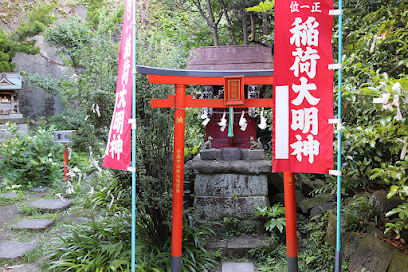
Otsuna Kompira Shrine
Kanagawa 221-0834
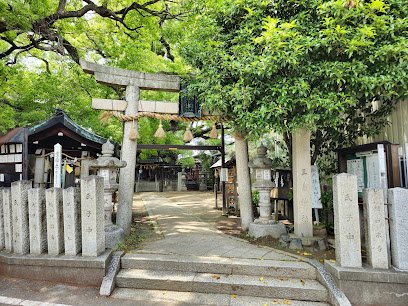
Mitsushima Shrine
Osaka 571-0015
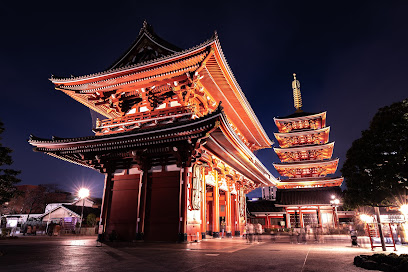
Sensō-ji
Tokyo 111-0032
Completed in 645, this temple, Tokyo's oldest, was built to honor Kannon, the goddess of m...
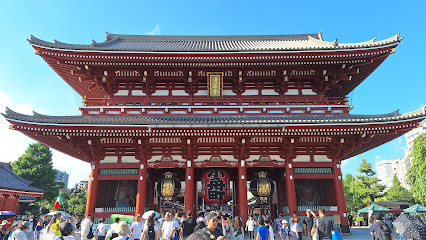
Kaminarimon
Tokyo 111-0032
A 3.9m-tall lantern greets visitors to this stately gate at the entrance to Sensō-ji templ...
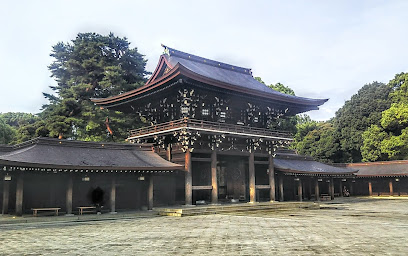
Meiji Jingu
Tokyo 151-8557
Surrounded by forest, this venerable Shinto shrine features a seasonal iris garden.

Kushida Shrine
812-0026
Founded in 757 CE, this urban site annually hosts the city's largest festival, Hakata Gion...