

Shrines & temples
Japanese shrines
OSM directory
Explore Shinto shrines mapped from OpenStreetMap — filter by prefecture, city, or denomination. For curated travel listings, see featured landmark shrines below.
756 shrines
天津神社
天津神社
Kyoto
Located in the heart of Kyoto, Tenjin Jinja is a revered Shinto shrine dedicated to Inari Okami, the kami of rice, industry, and fertility. As one of Japan's most famous shrines, it attracts millions of visitors each year. The shrine's impressive architecture and rich history make it an essential destination for anyone interested in Japanese culture.
西神社
西神社
Kyoto
West Shrine, located in Kyoto, is a historic Shinto site dedicated to the worship of Westward Spirit kami, associated with the direction west and the wind. The shrine's architecture reflects its connection to the region, featuring traditional Japanese wooden structures with tiled roofs.
月読大神
月読大神
Kyoto
Moon Reading Shrine is a sacred Shinto site in Kyoto dedicated to the god of poetry, literature, and learning. Located near the Imperial Palace, it has been a popular destination for scholars and poets since its founding during the Heian period (794-1185 CE). Visitors can admire the shrine's elegant architecture and explore its serene gardens, while also seeking inspiration from its literary connections.
天照大神
天照大神
Kyoto
The Shrine of Amaterasu, located in Kyoto, is one of the most revered Shinto shrines dedicated to the sun goddess Amaterasu Omikami. This sacred site honors the primordial deity who ruled the Japanese heavens and was said to possess immense power and wisdom. The shrine's architecture reflects its historical significance, with a traditional Japanese style featuring a vermilion torii gate and a complex network of wooden pillars and roofs. Visitors can explore the shrine's peaceful grounds, which include beautifully manicured gardens and a serene pond, creating an atmosphere of tranquility and spiritual connection.
蛭子神
蛭子神
Kyoto
Located in the heart of Kyoto, Fuma no Kami Shrine is a revered Shinto site dedicated to Fuma no Kami, a powerful deity associated with lightning and thunder. This shrine is one of the oldest in Kyoto, tracing its roots back to the 8th century. Its striking architecture reflects the region's rich cultural heritage, blending traditional elements with modern touches.
清瀧神社
清瀧神社
Kyoto
Kiyomizu-dera, also known as Kiyomizu-taisha, is a renowned Shinto shrine in Kyoto, Japan. Dedicated to the kami of the mountain, the shrine offers breathtaking views of the city and surrounding landscape. The complex's unique architecture, featuring multiple stages and an open-air hall, has been designated a UNESCO World Heritage Site since 1998.
藤丸稲荷神社
藤丸稲荷神社
Kyoto
Fudo-inari Shrine is a Shinto shrine located in the heart of Kyoto, dedicated to Inari Okami, the deity of rice and fertility. The shrine's architecture is characteristic of the Heian period, with a wooden torii gate and a five-story pagoda. Visitors can walk through the shrines' tranquil gardens and observe the traditional Japanese art of praying for good fortune and prosperity.
愛宕神社
愛宕神社
Kyoto
愛宕神社 is a Shinto shrine located in Kyoto, dedicated to the god of love and fertility, Amaterasu Ōmikami's celestial sister, and the god of agriculture, Susanoo no Mikoto. As one of Japan's most famous shrines, it attracts millions of visitors each year. The shrine's stunning architecture reflects its rich history, dating back to the 8th century when it was originally built as a Shinto temple during the Asuka period. Over time, the shrine has undergone numerous renovations and expansions, including a major reconstruction in 1869.
西門
西門
Kyoto
The Shinto shrine of Seimon-ji is located in Kyoto and is dedicated to the deity Amaterasu Omikami, the sun goddess. The shrine's architecture is typical of Japanese temples built during the Heian period, with a wooden main hall adorned by vermilion lacquer and gold leaf. The shrine grounds also feature several smaller shrines, including one dedicated to the god of rice, Inari Okami.
三柱神社
三柱神社
Kyoto
Three-no-michi Shrine is a Shinto shrine located in Kyoto, dedicated to the three gods of war: Susanoo, Hachiman, and Fujin. The shrine is known for its unique architecture and historical significance as a place of worship during the Heian period. The complex includes several temples and shrines, each with its own distinct charm.
須代神社本殿
須代神社本殿
Kyoto
Located in Kyoto, 須代神社本殿 is a Shinto shrine dedicated to the god of agriculture and fertility, Sukunamikotobumoyo. The shrine's architecture is a mix of traditional Japanese styles, reflecting its history dating back to the Heian period (794-1185). Visitors can admire the impressive main hall, which features a beautifully crafted roof and intricate wood carvings. The shrine complex also includes several smaller shrines and a serene garden.
小虫神社
小虫神社
Kyoto
Located in the heart of Kyoto, 小虫神社 (Kobushinsha) is a Shinto shrine dedicated to the kami Inari, revered as the patron deity of rice, industry, and prosperity. The shrine's architecture reflects its historical significance, with a main hall dating back to the Heian period. Visitors can explore the shrine's grounds, which feature several smaller shrines and torii gates adorned with vermilion paint and ornate carvings.
由良神社
由良神社
Kyoto
Byoryusai is a Shinto shrine located in the Sakyo-ku ward of Kyoto, dedicated to the kami Hachiman Okami. The shrine was built during the Heian period (794-1185 CE) and features a traditional Japanese architecture with a wooden torii gate and a Five-Story pagoda. Visitors can walk through the peaceful grounds and pay their respects at the main altar.
水無月神社
水無月神社
Kyoto
Located in the heart of Kyoto, the Waterless Moon Shrine is a serene Shinto sanctuary dedicated to the deity Susanoo-no-Mikoto. This shrine is renowned for its striking architecture and beautiful gardens, which reflect the harmony between nature and human creation. The shrine's name 'Waterless Moon' refers to the absence of water features, which is unusual for many Shinto shrines in Japan.
五宮神社
五宮神社
Kyoto
Five-Torii Shrine, located in the heart of Kyoto, is one of the oldest and most revered Shinto shrines in Japan. Dating back to the 8th century, this shrine has been a significant cultural and spiritual hub for centuries. It is dedicated to the god of prosperity, good fortune, and protection, with an emphasis on the significance of gates (torii) that mark the transition from one world to another.
金刀比羅神社
金刀比羅神社
Kyoto
Tadanori Shrine, located in the heart of Kyoto, is dedicated to the god Susanoo-no-Mikoto, known for his mischievous and creative nature. The shrine's name, Tadanori, which translates to 'greatness' or 'power', reflects its association with this powerful deity. The shrine's architecture blends traditional Japanese design with influences from the Heian period, featuring a wooden torii gate and a vermilion-roofed main hall.
河上三神社
河上三神社
Kyoto
River Above Three Deities Shrine, located in Kyoto Prefecture, is a Shinto shrine dedicated to the three kami of the Kamo River. The shrine's architecture reflects the Heian period, with a main hall and several smaller shrines dedicated to the river's three deities: Osumi-no-kami, Nakayama-hime, and Tsukahara-no-mikoto. Visitors can walk along the Kamo Riverbank, offering prayers and making wishes at the shrine's many water features.
八幡神社
八幡神社
Kyoto
Located in Kyoto, Eight Horses Temple Shrine is dedicated to the Shinto deity of wind and storms, Hikoboshi. This shrine was originally built to pray for safe passage over the river that separates the world of humans from the spirits' realm. The current structure dates back to 1598, during the Azuchi-Momoyama period. Visitors can take a stroll through the adjacent Higashiyama Park, which offers beautiful views of Kyoto.
日枝神社
日枝神社
Kyoto
Dayo Shrine, located in the heart of Kyoto, is dedicated to the Shinto deity Dayo, a kami associated with fire and the sun. The shrine's architecture reflects its historical significance, dating back to the Heian period (794-1185 CE). Its design incorporates traditional Japanese elements, including curved roofs and intricately carved wooden beams. Visitors can experience the shrine's peaceful atmosphere and cultural heritage by participating in traditional ceremonies and rituals.
公智神社
公智神社
Kyoto
The public-minded Kami of wisdom, intelligence and knowledge, Gukichi-shinsha is revered at this ancient Shinto shrine in Kyoto. Dedicated to promoting education, learning and intellectual pursuits, the shrine's peaceful grounds offer a serene escape from the city's bustle. Visitors can explore the beautifully maintained shrines and gardens, adorned with symbolic motifs representing wisdom and culture.
四辻八幡神社
四辻八幡神社
Kyoto
Fushimi Inari Shrine, famous for its thousands of vermilion torii gates forming a tunnel up the mountain, is dedicated to the Shinto god of rice, fertility, and prosperity, Shintoku-no-kami. The shrine was originally built in 711 AD during the Nara period as a Shinto shrine to worship the kami of Fushimi. The current structure, however, was rebuilt in the Heian period in the 10th century. Over time, the shrine has become closely associated with the local god of rice, Inari Okami, and is now famous for its iconic fox statues, known as kitsune, that are believed to be messengers of the god.In 1959, the shrine was relocated from its original site in Fushimi-ku to its current location in Fushimi-ku's neighboring ward. Today, visitors can still walk up the mountain and pass through the tunnel of gates, which is said to purify the mind and bring good luck.
岩國稲荷神社
岩國稲荷神社
Kyoto
Located in Kyoto, Shirakawa-jinja is a Shinto shrine dedicated to the god of rice and prosperity, Inari Okami. Dedicated to Inari Okami from ancient times, the shrine has undergone various renovations over the centuries. The shrine complex includes a museum showcasing traditional crafts and textiles related to the worship of Inari, as well as several shrines dedicated to other kami, including the Shinto goddess of fertility, Himemiko Okami. Visitors can explore the shrine's serene gardens and tranquil paths, adorned with thousands of vermilion torii gates, creating an atmosphere reminiscent of ancient Japan.
上市八幡神社
上市八幡神社
Kyoto
上市八幡神社 is a Shinto shrine located in the city of Uji, Kyoto Prefecture, dedicated to the worship of the Amaterasu Ōmikami and Susanoo-no-Mikoto, but primarily revered as Amaterasu. The shrine was originally established during the Heian period (794-1185 CE) by Emperor Saga, with its name '上市' referring to Uji's location along the Kitano River. Over time, the shrine has undergone several renovations and expansions, including the rebuilding after a devastating fire in 1962. Today, visitors can admire the shrine's traditional architecture, including the iconic Ō-machi Gate, as well as explore its peaceful gardens and grounds.
内記稲荷神社
内記稲荷神社
Kyoto
Ukeno-jinja is a Shinto shrine located in Kyoto, dedicated to the sun goddess Amaterasu. The shrine complex dates back to the Nara period and features a unique blend of traditional and classical architectural styles. Inside the shrine, visitors can find an impressive collection of traditional Shinto artifacts and sacred objects.
Curated shrine listings
Hand-picked shrines and temples from our landmark guide.
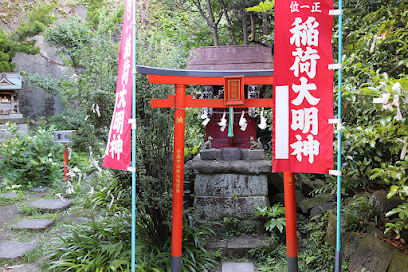
Otsuna Kompira Shrine
Kanagawa 221-0834
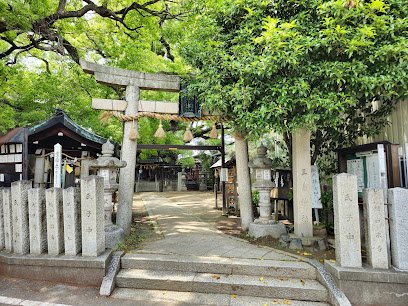
Mitsushima Shrine
Osaka 571-0015
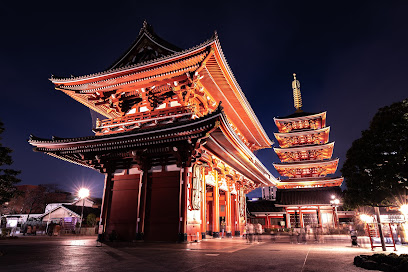
Sensō-ji
Tokyo 111-0032
Completed in 645, this temple, Tokyo's oldest, was built to honor Kannon, the goddess of m...
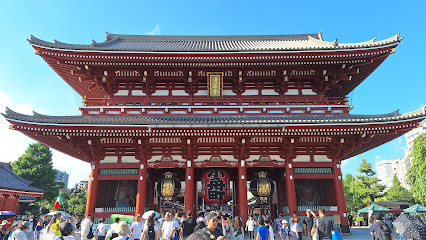
Kaminarimon
Tokyo 111-0032
A 3.9m-tall lantern greets visitors to this stately gate at the entrance to Sensō-ji templ...
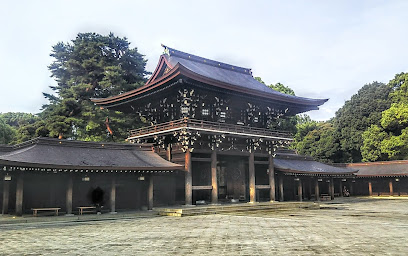
Meiji Jingu
Tokyo 151-8557
Surrounded by forest, this venerable Shinto shrine features a seasonal iris garden.

Kushida Shrine
812-0026
Founded in 757 CE, this urban site annually hosts the city's largest festival, Hakata Gion...