

Shrines & temples
Japanese shrines
OSM directory
Explore Shinto shrines mapped from OpenStreetMap — filter by prefecture, city, or denomination. For curated travel listings, see featured landmark shrines below.
756 shrines
気比神社
気比神社
Kyoto
Gikō-jinja Shrine, located in Kyoto Prefecture, is a Shinto shrine dedicated to the god Inari Okami. The shrine is renowned for its vibrant orange torii gate and stunning autumn foliage. As one of Japan's oldest shrines, Gikō-jinja has been a site of worship and devotion for centuries.
山神神社
山神神社
Kyoto
Located in the heart of Kyoto, the Yamagami Shrine is a lesser-known Shinto shrine that has been in operation since the Heian period (794-1185 CE). The shrine's name, 'yamagami,' meaning 'mountain god,' reflects its connection to the region's mountainous past. Despite its age, the shrine's architecture and traditions remain relatively untouched, offering a glimpse into traditional Shinto practice.
産霊神社
産霊神社
Kyoto
Located in the heart of Kyoto, Sango-taisha Shrine is one of Japan's oldest Shinto shrines, dating back to the Heian period (794-1185 CE). Dedicated to the kami Inari, the shrine is famous for its thousands of vermilion torii gates that form a tunnel leading up to the main hall. Visitors can pray for good fortune, love, and prosperity at this revered site.
熊野神社
熊野神社
Kyoto
Kumano Sanzan, a sacred mountain range in western Japan, is the source of spiritual power for Koyasan Kumano Otani Hongu Shrine, located in Kumamoto Prefecture, but nearby Kyoto's Kumano Kumano no Miko Taisha was built during the Heian period (794-1185 CE) to honor the Kumano kami. However, the Kumano shrine in Kyoto is Kumano Kumano no Miko Taisha which honors the three primary deities of the Kumano region: Kasuga no Kami, Mika-no-Kami and Mochi no Kami.
王子神社
王子神社
Kyoto
The King Prince Shrine, located in Kyoto Prefecture, is a Shinto shrine dedicated to the deity of royalty and nobility, Otsutsuki no Okami. The shrine's architecture reflects the Heian period, with a main hall covered in red lacquer and a distinctive vermilion torii gate. During the spring festival, visitors can enjoy traditional dances and offerings to honor the kami.
秋葉神社
秋葉神社
Kyoto
Akiba Shrine, located in Kyoto, is a Shinto temple dedicated to the Shinto god of rice, rice fields and fertility. The shrine's history dates back to the Heian period (794-1185 CE), making it one of the oldest shrines in Kyoto.
天満宮
天満宮
Kyoto
Located in the heart of Kyoto, Tenman-ji is one of Japan's most revered Shinto shrines, dedicated to the benevolent deity Amaterasu, the sun goddess and ancestor of the Imperial Family. The shrine's unique architecture, adorned with gleaming gold and silver accents, reflects its rich history dating back to the 8th century. As a major pilgrimage site for centuries, Tenman-ji has played host to countless devotees seeking blessings and good fortune.
龍王神社
龍王神社
Kyoto
Located in the heart of Kyoto, Ryō noşinari Shrine is dedicated to Ryōjin, the dragon god, who is believed to bring prosperity and good fortune. This Shinto shrine is one of the oldest in Japan and has a rich history dating back to the 8th century.
蚕織神社
蚕織神社
Kyoto
Cicada Weaving Shrine, located in Kyoto Prefecture, is dedicated to the kami of weaving and music. The shrine's architecture reflects the Heian period, with a traditional Japanese-style roof and wooden posts. Visitors can admire the shrine's beautiful garden and hear the sounds of cicadas on site.
早尾神社
早尾神社
Kyoto
Earlytail Shrine, located in the heart of Kyoto, is a historic Shinto site dedicated to the worship of Susanoo-no-Mikoto, a powerful storm god and rice spirit. The shrine's architecture reflects traditional Japanese design, with a main hall (haiden) and inner shrine (honden) built in a classic style. While early tail Shrine is not as well-known as some other Kyoto shrines, it remains an important spiritual destination for locals seeking blessings for good harvests.
八皇子神社
八皇子神社
Kyoto
The Eight Sons Shrine, located in Kyoto, is dedicated to the enshrined deity, Ō-no-Tsukuyomi, a Shinto god associated with the moon and time. The shrine's architecture reflects the Heian period style, with a distinctive curved roof and a serene garden featuring cherry blossom trees. This sacred site has been a source of inspiration for artists and writers throughout Japanese history.
井根山秋葉神社
井根山秋葉神社
Kyoto
Izunogiyama Akihashiyama Shrine, located in the heart of Kyoto, is a revered Shinto site that honors Izunogi, the god of fertility and prosperity, and Akihashiyama, the mountain spirit who watches over the shrine. Founded during the Nara period (710-794 CE), this ancient shrine has been an integral part of the region's spiritual landscape for centuries.
八幡大神宮
八幡大神宮
Kyoto
Located in the heart of Kyoto, Eight Humps Shrine is a sacred Shinto site dedicated to the god of war and justice, Susanoo-no-Mikoto's brother, Amaterasu no Okami , but most notably to Susanoo's ancestor, Sakamoto no Ōe. The shrine is situated at the foot of Mount Kurama and boasts an impressive vermilion torii gate. Over time, this shrine has evolved to reflect various historical periods, from its origins in the 8th century Heian period to its current form during the Edo era.
松尾神社
松尾神社
Kyoto
The Matsuo Shrine, located in the heart of Kyoto, is one of Japan's oldest Shinto shrines and a sacred site dedicated to the kami Matsuo no Okami. Dedicated to the protection of children and young women, it has been an important stop for travelers on the famous Nijoen-ji pilgrimage route since its founding during the Heian period (794-1185). The shrine is known for its beautiful gardens, stunning architecture, and unique torii gate adorned with cherry blossoms.
愛宕神社
愛宕神社
Kyoto
Love and Fidelity Shrine in Kyoto, dedicated to Amaterasu Omikami and Susanoo-no-Mikoto, the Shinto deities of the sun and storms. The shrine is famous for its stunning torii gate, intricate wooden carvings, and vibrant autumn foliage. Visitors can also explore the adjacent Yagura, a five-story stone tower with a temple dedicated to Amaterasu. As one of Kyoto's most iconic shrines, Ai Tateya plays a significant role in local festivals and traditions.
石清水八幡宮
石清水八幡宮
Kyoto
Located in the heart of Kyoto, Kiyomizu-dera's smaller cousin, Shinden no Miyaji, is a lesser-known but equally fascinating Shinto shrine dedicated to Susa-no-o, the god of prosperity and good fortune. The shrine's name, 'Stone Clearing Eight-Horoscope Temple', reflects its connection to a legendary stone said to possess purifying properties. Visitors can explore the shrine's tranquil gardens and traditional architecture while taking in the serene views of Kyoto.
伊勢皇大神宮
伊勢皇大神宮
Kyoto
Ise Grand Shrine, dedicated to the sun goddess Amaterasu Omikami, is a revered Shinto site in Mie Prefecture, Japan. The shrine's architecture and traditions reflect its long history dating back to the Heian period. The shrine's unique structure features multiple shrines under one main hall, showcasing the blending of old and new Japanese design.
熱田神社
熱田神社
Kyoto
Hotegaoka-ji Shrine, located in Kyoto, is one of the oldest Shinto shrines in Japan. Dedicated to the sun goddess Amaterasu, it is believed to have been founded during the Heian period (794-1185 CE). The shrine's main hall, the Haiden, is a prime example of traditional Japanese architecture, featuring a distinctive hippon-style roof. Visitors can experience the tranquil atmosphere of the shrine by strolling through its serene gardens and admiring the vibrant flowers and trees.
日吉神社
日吉神社
Kyoto
Located in the heart of Kyoto, Dayo-jinja Shrine is a revered Shinto temple dedicated to the kami of the sun and the heavens. The shrine's name, Dayo, roughly translates to 'sun' or 'bright,' reflecting its primary association with the life-giving power of sunlight. Founded during the Heian period (794-1185 CE), this ancient shrine has played a significant role in Kyoto's spiritual landscape.
八坂神社
八坂神社
Kyoto
Located in the heart of Kyoto, the Eighty-Something Steps Shrine is a sacred site dedicated to the kami of fertility and prosperity. Built during the Heian period, the shrine's design reflects its historical significance as a hub for women seeking blessings for marriage and childbirth. Visitors can climb the iconic eighty steps, believed to represent the eighty steps between heaven and earth, and pray for good fortune and happiness.
北野神社
北野神社
Kyoto
Located in the heart of Kyoto's Arashiyama district, North Garden Shrine (北野神社) is one of Japan's most iconic Shinto shrines. Dedicated to the kami Okuninushi no Ōkami, patron deity of agriculture and fertility, this sacred site has been a revered destination for centuries. Visitors can explore the shrine's impressive forested grounds, including the North Garden, where locals hold tea ceremonies during springtime.
愛宕宮
愛宕宮
Kyoto
Located in the heart of Kyoto, Love Temple Shrine is dedicated to the Shinto god of love and fertility, Tenjin, as well as the kami of love and relationships, Ukanose-no-kami. As one of Japan's oldest temples, the shrine has been a popular destination for couples seeking blessings for their romantic endeavors. Its beautiful gardens and tranquil atmosphere make it an ideal spot for a peaceful stroll or a romantic picnic.
愛宕宮
愛宕宮
Kyoto
愛宛宮 (Love Shrine) is a Shinto shrine located in Kyoto, dedicated to the worship of Amenomutsu no Okami, a kami believed to be the god of love and fertility. The shrine's architecture reflects traditional Japanese design, with a wooden torii gate and tiled roof. Visitors can experience a serene atmosphere amidst the tranquil gardens, which include a peaceful pond and walking paths.
春日神社
春日神社
Kyoto
Spring Day Shrine is a Shinto shrine located in Kyoto, dedicated to the sun goddess Amaterasu and the god of war Susanoo. The shrine's main hall features a striking torii gate and a beautiful garden, reflecting the traditional Japanese architecture and aesthetic. As one of the oldest shrines in Japan, Spring Day Shrine has been an important cultural and historical landmark for centuries.
Curated shrine listings
Hand-picked shrines and temples from our landmark guide.
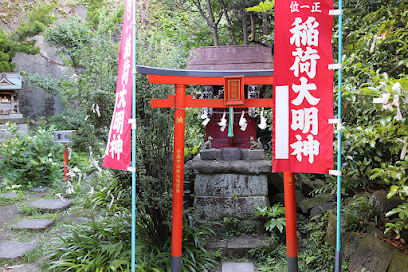
Otsuna Kompira Shrine
Kanagawa 221-0834
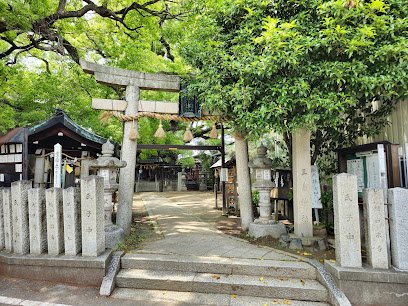
Mitsushima Shrine
Osaka 571-0015
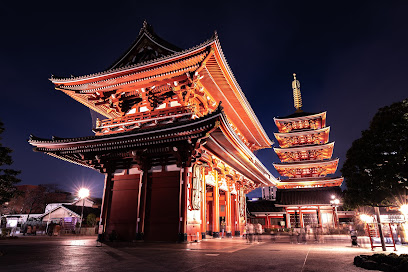
Sensō-ji
Tokyo 111-0032
Completed in 645, this temple, Tokyo's oldest, was built to honor Kannon, the goddess of m...
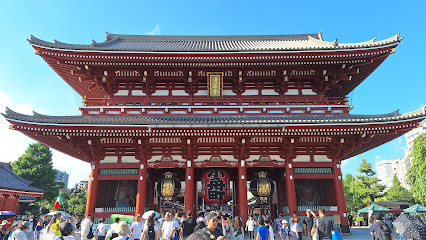
Kaminarimon
Tokyo 111-0032
A 3.9m-tall lantern greets visitors to this stately gate at the entrance to Sensō-ji templ...
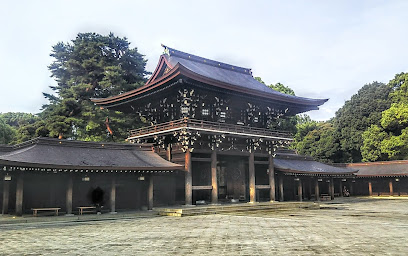
Meiji Jingu
Tokyo 151-8557
Surrounded by forest, this venerable Shinto shrine features a seasonal iris garden.

Kushida Shrine
812-0026
Founded in 757 CE, this urban site annually hosts the city's largest festival, Hakata Gion...