

Shrines & temples
Japanese shrines
OSM directory
Explore Shinto shrines mapped from OpenStreetMap — filter by prefecture, city, or denomination. For curated travel listings, see featured landmark shrines below.
832 shrines
蛇穴神社
蛇穴神社
Hyogo
Located in Hyogo Prefecture, Snake Cave Shrine is a Shinto temple dedicated to the kami of snakes and the underworld. Its name, 'Snake Cave' (hebi no ana), refers to the site's unique feature: a network of caves carved into the living rock on which the shrine stands. According to local legend, the shrine was built during the Heian period as an act of devotion by the imperial family for their snake offerings to the underworld kami, Ryujin.
一原神社
一原神社
Hyogo
One original shrine in Hyogo Prefecture, dedicated to the kami of a single tree stump. According to legend, the stump was left by a traveler and became sacred after its unusual shape and location caught the attention of local villagers. Today, visitors can pray for good luck and prosperity at this serene and peaceful shrine.
羽部神社
羽部神社
Hyogo
Located in Hyogo Prefecture, Hatabushi Shrine is dedicated to the god of war and protection, Ōyamatsumi-no-kami. The shrine is famous for its beautiful gardens, tranquil ponds, and traditional architecture reflecting the Heian period. Visitors can admire the intricately carved wooden gates and walls, as well as the ornate torii gate.
蛭子神社
蛭子神社
Hyogo
Fukiboshi Shrine, located in Kamakura, Hyogo Prefecture, is a Shinto shrine dedicated to Fukiboshi, the god of lightning and storms. The shrine's architecture is characteristic of Kamakura-period Shinto shrines, with a wooden gate and torii entrance. According to legend, the shrine was built to honor a local samurai who died in battle.
荒神社
荒神社
Hyogo
Located in Hyogo Prefecture, Hara-jinja Shrine is dedicated to the Shinto kami of the forest and mountains. The shrine's architecture reflects traditional Japanese design, with a unique curved roof resembling a giant shell. Visitors can explore the beautiful gardens and stroll along the nearby river, enjoying the serene surroundings.
出雲大社日高教会
出雲大社日高教会
Hyogo
Outo no Daisō Dayakodō Church is a Shinto shrine located in Himeji, Hyogo Prefecture. The shrine was built to commemorate the arrival of Christian missionaries in 1873, and it has become a unique blend of Shinto and Christian traditions. The shrine's design reflects this mix, with traditional Japanese architecture meeting Western influences.
生石神社
生石神社
Hyogo
Bornose Shrine, located in Hyogo Prefecture, is a Shinto shrine dedicated to the kami of birth and longevity. Built during the Edo period, the shrine's main hall, the honden, features a unique hachi-no-hi shrine festival held annually on August 28th, which honors the eight virtues of human life. The shrine is also famous for its beautiful garden, which is said to be a favorite of the local patron deity, Yamato no Orochi, and its traditional Shinto sweets and drinks are popular among visitors.
山神社
山神社
Hyogo
Located in the Hyogo prefecture, Mountain Shrine is a Shinto shrine dedicated to the kami of mountains and forests. The shrine's architecture reflects its rural setting, with traditional Japanese buildings and gardens. Visitors can explore the shrine grounds, which feature several monuments and shrines for different deities.
平野八幡神社
平野八幡神社
Hyogo
平野八幡神社 is a Shinto shrine located in the Hyogo prefecture, dedicated to the god of prosperity and good fortune, Hachiman Okami. The shrine's architecture reflects its historical significance as a major stop on the ancient Nakasendo road, which connected Tokyo to Kyoto. The main hall features a distinctive thatched roof, while the entrance is flanked by torii gates. Visitors can explore the shrine's grounds, including a beautiful garden and a museum showcasing local history and art.
鬼子母善神
鬼子母善神
Hyogo
Located in Hyogo Prefecture, 鬼子母善神 Shrine is dedicated to the kami of the 'Witch Mother', a figure associated with childbirth, fertility, and protection. The shrine's architecture reflects the Heian period style, with a rectangular main hall and a traditional torii gate. Visitors can experience the tranquility of the shrine's gardens, which feature native Japanese flora and a serene pond.
日枝神社
日枝神社
Hyogo
Dayo Shrine, located in the heart of Kobe, Hyogo Prefecture, is one of Japan's most important Shinto shrines dedicated to the god of agriculture and fertility, Dayo Okami. The shrine's architecture reflects its historical significance, with a traditional Japanese-style torii gate and a vermilion-painted main hall, which dates back to the 19th century.
大避神社
大避神社
Hyogo
Located in the city of Himeji, Hyogo Prefecture, Ō-En-sha (Great Avoider Shrine) is a Shinto shrine that dates back to the Kamakura period. Dedicated to the deity Enma-o, also known as the Judge of the Underworld, it serves as a protector of travelers and sailors. The shrine's architecture reflects its role as a purifying site, with a distinctive gate and a vermilion torii gate.
秋葉神社
秋葉神社
Hyogo
Akizuki Shrine is a Shinto shrine located in the city of Yutoku, Hyogo Prefecture. It was originally built to enshrine the spirit of Akizuki-no-Mitake, a hero from Japanese mythology who played a key role in the construction of the Harima Plain's first road. The shrine is famous for its unique wooden gate and historic torii gate.
日置神社
日置神社
Hyogo
Daya-ji Shrine, located in the Settsu region of Hyogo Prefecture, is dedicated to Daya, a Shinto deity revered as a patron of prosperity and good fortune. The shrine's architecture reflects its history dating back to the Heian period (794-1185 CE), with its main hall constructed from reddish-brown Japanese cypress. Over time, the shrine has been rebuilt and renovated several times, with notable restorations taking place during the Kamakura period.
金刀比羅神社
金刀比羅神社
Hyogo
Located in Hyogo Prefecture, Kinshachiro-jinja Shrine is dedicated to Kinshachi Ryokai, a kami believed to be the god of medicine and healing. The shrine is renowned for its unique architectural style, with a vermilion torii gate adorned with intricate carvings and a sacred pond featuring a stepping stone inscribed with ancient medical texts. Visitors can learn about the history of traditional Japanese medicine at this revered shrine.
八柱神社
八柱神社
Hyogo
Located in the city of Kobe, Hyogo Prefecture, Eight Pillars Shrine is one of the oldest Shinto shrines in Japan and a significant site in the region's history. The shrine is famous for its eight torii gates that symbolize the eight virtues of Shintoism: purity, sincerity, righteousness, benevolence, respect, honor, loyalty, and morality.
八代大歳神社
八代大歳神社
Hyogo
Located in the city of Akashi, Hyogo Prefecture, Eight-Dynasty Great Age Shrine is a historic Shinto shrine dedicated to the worship of the kami of longevity and good fortune. Its name reflects its historical significance as one of the oldest shrines in Japan, dating back to the 7th century. The shrine's architecture is characterized by a unique combination of traditional Japanese and Chinese influences.
黒住教 鳥取大教会所
黒住教 鳥取大教会所
Hyogo
The Kurozu no Michi, or Kurozu Shrine in Tottori Prefecture was rebuilt at the current site in Hyogo in 1899, however its history dates back to the Kamakura period. The shrine is dedicated to Hachiman, a Shinto deity associated with war and protection, and also enshrines the local kami of the river and surrounding area. The shrine's architecture reflects traditional Japanese styles, with a wooden torii gate and a shinden-zukuri main hall.
白国神社八幡社
白国神社八幡社
Hyogo
White Country Shrine is a Shinto shrine dedicated to the god Susanoo, who is revered as the god of storms, fertility, and agriculture. Located in Hyogo Prefecture, the shrine is known for its beautiful gardens and traditional architecture. Visitors can explore the shrine's main hall, which features a striking torii gate and a large bell tower. The shrine also offers stunning views of the surrounding countryside.
白國神社
白國神社
Hyogo
Located in the heart of Hyogo Prefecture, White Country Shrine is a serene Shinto sanctuary dedicated to the revered kami, the ancestral spirits of the region. The shrine's architecture reflects its historical significance, with a blend of traditional Japanese and Western styles. Visitors can explore the tranquil grounds, adorned with vibrant cherry blossoms during spring, and experience the warm hospitality of the local community.
竃神社
竃神社
Hyogo
Located in the scenic Sakai City, Hyogo Prefecture, Tsurugi-jinsha Shrine is a Shinto shrine dedicated to the god of fire and metalworking. The shrine's name, meaning 'Iron God Shrine,' reflects its association with the deity responsible for smithing and metallurgy. Visitors can explore the shrine's traditional architecture, which features a vermilion torii gate and a large iron lantern.
東戎社
東戎社
Hyogo
Located in the city of Aioi, Hyogo Prefecture, Tōshinsha is a Shinto shrine dedicated to the deity of learning and education, Ōkuninushi. The shrine's main hall features a unique tiled roof and is surrounded by a large garden. As a major cultural institution, Tōshinsha hosts various festivals throughout the year, including the annual Summer Festival and Autumn Leaves Festival.
西戎社
西戎社
Hyogo
Located in the Settsu region of western Japan, Seiho-sha Shrine is dedicated to Tamamo-no-Mae, a legendary fox spirit from Japanese folklore. The shrine's architecture reflects its historical significance as a major stop on the Shinto pilgrimage route from Kyoto to Osaka.
正一位 久宝大明神/慶寿大明神
正一位 久宝大明神/慶寿大明神
Hyogo
Located in Hyogo Prefecture, Shimo-Tsuruga Shrine is dedicated to the enshrined kami of Fusami-no-Midzuno-o no Mikoto and Otohime. The shrine is famous for its beautiful gardens and traditional architecture. Its historical significance dates back to the Edo period.
Curated shrine listings
Hand-picked shrines and temples from our landmark guide.
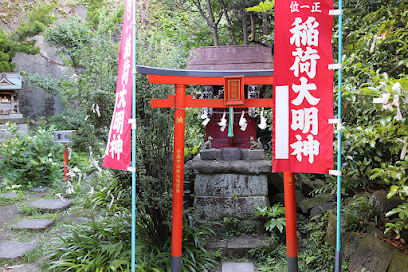
Otsuna Kompira Shrine
Kanagawa 221-0834
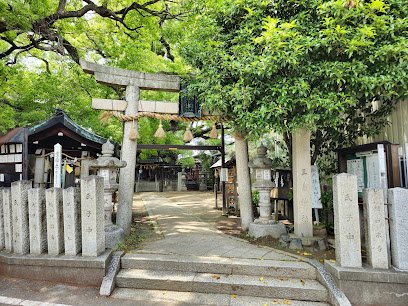
Mitsushima Shrine
Osaka 571-0015
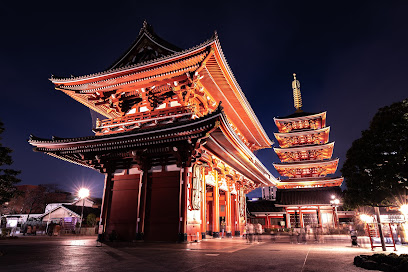
Sensō-ji
Tokyo 111-0032
Completed in 645, this temple, Tokyo's oldest, was built to honor Kannon, the goddess of m...
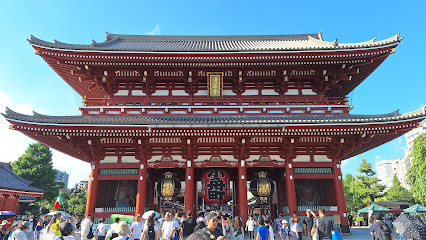
Kaminarimon
Tokyo 111-0032
A 3.9m-tall lantern greets visitors to this stately gate at the entrance to Sensō-ji templ...
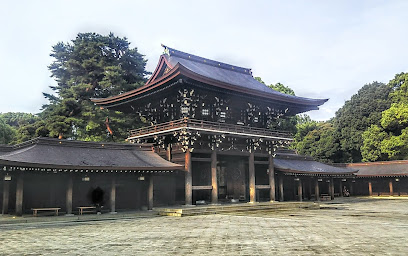
Meiji Jingu
Tokyo 151-8557
Surrounded by forest, this venerable Shinto shrine features a seasonal iris garden.

Kushida Shrine
812-0026
Founded in 757 CE, this urban site annually hosts the city's largest festival, Hakata Gion...