

Shrines & temples
Japanese shrines
OSM directory
Explore Shinto shrines mapped from OpenStreetMap — filter by prefecture, city, or denomination. For curated travel listings, see featured landmark shrines below.
732 shrines
地蔵
地蔵
Aomori
Located in the Hachinohe area of Aomori Prefecture, the Geizō Shrine is a Shinto shrine dedicated to the god of medicine, health, and fertility. The shrine's name literally translates to 'Treasured Sled' or 'Blessed Cargo', reflecting its historical role as a sacred place for the transportation of precious goods. The shrine's architecture is typical of Edo-period temples, with a distinctive red-brick torii gate. Visitors can explore the shrine's peaceful grounds and take part in traditional Shinto rituals and ceremonies.
庚申塚
庚申塚
Aomori
The Shingen Shrine in Aomori Prefecture is dedicated to the Shingon Buddhist monk Kukai, who introduced Buddhism to Japan from China and Korea. The shrine's architecture reflects its unique blend of Shintoism and Buddhism, with a vermilion torii gate surrounded by a tranquil forest. Visitors can walk along the forest paths and explore the shrine's various altars and shrines.
庚申塔・庚申祭柱
庚申塔・庚申祭柱
Aomori
The Shin-osen-ta and Shin-osen-sai-yaku shrines in Aomori Prefecture are dedicated to the Shinto god of plagues, epidemics, and misfortune, Ryujin. According to local legend, these shrines were built to appease this kami after a devastating plague swept through the region. The name 'Shin-osen-ta' translates to 'plague tower,' while 'shin-osen-sai-yaku' refers to the worship of Ryujin as a medicine god. While not directly related to Inari or Hachiman, these shrines reflect the diverse range of kami worshipped in Aomori.
釣潟神社
釣潟神社
Aomori
Located in the city of Aomori, 釣潟神社 is a Shinto shrine dedicated to Kaito, a kami associated with fishing and the sea. The shrine's name, which translates to 'Fishing Pouch Shrine,' reflects its connection to the region's historic fishing industry. Visitors can explore the shrine's serene gardens, traditional architecture, and take part in local festivals celebrating the bounty of the sea.
太平山碑
太平山碑
Aomori
Located in the city of Aomori, toohei yama iwa (太平山碑) is a Shinto shrine dedicated to Hachiman-gami, the god of war and patron deity of the Taira clan. This shrine is situated at the foot of Toohei-yama mountain, which is said to be the birthplace of the legendary Taira no Kiyomori. The shrine's architecture reflects the traditional style of Heian-period temples.
白瀑神社
白瀑神社
Aomori
Located in the heart of Aomori, Ōma Jōzan Hachimangū Shrine is dedicated to Hachiman-gu, the Shinto god of war and patron deity of Aomori Prefecture. The shrine's architecture reflects its historical significance as a Buddhist temple during the Kamakura period before being converted into a Shinto shrine in the Edo era.
菅原神社 唐松神社
菅原神社 唐松神社
Aomori
Located in Aomori Prefecture, the Tsugaru Shrine complex includes the Osumi Shrine and the Hirosaki Castle Shrine as well, but the name provided references two shrines, Tsugaru Jinja and Tsugaru Matsushima Jinja, but I'll be writing about Tsugaru Matsushima Jinja, Tangmo Matsushima Shrine is a lesser-known shrine within the complex. Founded in 1789, it is dedicated to the spirits of fishermen and those who died at sea, with its main deity being the kami Amaterasu. The shrine is famous for its scenic location on a small island accessible only at low tide. Visitors can enjoy the beautiful scenery, take a boat ride around the island, or participate in traditional festivals such as the Osumi Matsuri festival, which takes place every five years.
山神社
山神社
Aomori
Located in the city of Hirosaki, Aomori Prefecture, Mt. Godai Shrine is a Shinto shrine dedicated to the kami of the mountain, Mt. Godai. The shrine's history dates back to the 17th century and has since become an important cultural site in the region. Visitors can admire the beautiful architecture, including a five-story pagoda and a main hall with a wooden gate.
高照神社
高照神社
Aomori
Highsho Shrine, located in Aomori Prefecture, is a Shinto shrine dedicated to the kami of fertility and abundance. The shrine is situated near the coast, where the sea meets the land, symbolizing the union between heaven and earth. The architecture reflects the local Tohoku region's unique style, characterized by wooden structures with tiled roofs. Visitors can experience the shrine's serene atmosphere while surrounded by the natural beauty of Aomori.
稲荷神社
稲荷神社
Aomori
Located in Aomori Prefecture, the Inari Okappi Shrine is dedicated to the Shinto god Inari, patron deity of rice and fertility. As one of Japan's oldest shrines, it has been an important cultural and spiritual hub for centuries. The shrine is famous for its thousands of vermilion torii gates that form a tunnel leading up to the main hall, symbolizing the connection between heaven and earth.
高照神社
高照神社
Aomori
Highsho Temple, also known as Highsho Shrine, is a Shinto shrine located in Aomori Prefecture. Dedicated to the deified spirits of the high mountains and trees, this shrine reflects the region's reverence for nature. Its location on the coast allows visitors to appreciate the convergence of land and sea.
和徳稲荷神社
和徳稲荷神社
Aomori
Located in the heart of Aomori, Ando Tsukushi Inari Shrine is a Shinto shrine dedicated to Inari Okami, the deity of rice, fertility, and prosperity. The shrine is renowned for its stunning natural surroundings, with the surrounding forest believed to be inhabited by numerous kami, including Ando Tsukushi no Kami, the primary deity enshrined here.
稲荷神社
稲荷神社
Aomori
Located in the heart of Aomori City, Dewa Sanzan's Izumo Taisha is a Shinto shrine dedicated to the sea god Susanoo and the storm god Amaterasu. It was originally built as a temple, then converted into a Shinto shrine after being destroyed by fire.
夛茂木神社
夛茂木神社
Aomori
Located in Aomori, Hatake Mokozukuri Kami no Miyajima Shrine is a Shinto shrine dedicated to the kami of woodworking and craftsmanship. The shrine's name, Mokozukuri, refers to the art of cutting wood, which was highly valued in Japanese culture for centuries. The shrine's architecture reflects its historical significance as a center for woodworking techniques, with traditional wooden buildings and a beautiful garden.
鹿戸ノ澤神社
鹿戸ノ澤神社
Aomori
Located in the scenic town of Kuroiso, Aomori Prefecture's Hachinohe City, 鹿戸ノ泽神社 is dedicated to the Shinto deity Hachiman Okami. The shrine's name reflects its proximity to a nearby lake. Visitors can enjoy traditional Japanese architecture and stunning natural views. Cultural exchange with neighboring countries has influenced the shrine's design, making it a unique representation of modern Shinto shrines.
山神社
山神社
Aomori
Located in the northern prefecture of Aomori, Yamagami Shrine is a Shinto shrine dedicated to the kami associated with mountains and fertility. The shrine's architecture reflects the regional Heian period style, characterized by the use of wooden structures and tiled roofs. Visitors can enjoy the scenic views of Mount Iwaki from the shrine grounds.
神明社
神明社
Aomori
Located in the northeastern prefecture of Aomori, the Shinmei-ya Shrine is dedicated to the kami Mikasaharu and is famous for its beautiful natural surroundings. The shrine's main hall is adorned with intricately carved wooden beams and a majestic roof, reflecting the traditional architectural style of the Heian period. Visitors can enjoy stunning views of the surrounding mountains and forests while strolling through the shrine grounds.
保食神社
保食神社
Aomori
Located in the heart of Aomori Prefecture, Hachimantai Shrine is a Shinto temple dedicated to the god of agriculture and prosperity, Hachiman. The shrine's name, 'Hachimantai,' roughly translates to 'Hachiman of the Mountain Pass.' This site was chosen for its strategic location at the mountain pass of the same name, which connected northern Honshu with the island of Hokkaido. According to local legend, Hachiman arrived in this region during a period of great famine and drought, bringing life-giving rain and restoring fertility to the land.
白沢神明社
白沢神明社
Aomori
Located in the city of Hachinohe, Aomori Prefecture, White Sand Shrine (Shirogane Jinja) is a Shinto shrine dedicated to Tsukuyomi-no-Kami, the moon god. The shrine's white sand-covered ground is said to have been created from the ashes of a sacred fire that burned on the site for centuries.
大国主神社
大国主神社
Aomori
Located in Aomori, the Oshikiri Hachiman-gu Shrine is a Shinto shrine dedicated to the deity Hachiman, who is revered as a patron of war and a protector of the provinces. The shrine's architecture reflects its historical significance, with a main hall featuring a distinctive curved roof known as a 'sugi-zukuri.' Visitors can explore the shrine's grounds, which include a tranquil garden and a statue of Hachiman riding his horse, while also learning about the shrine's history and cultural traditions.
稲荷神社
稲荷神社
Aomori
Inari Okappi Shrine in Aomori is one of Japan's most famous Shinto shrines, dedicated to the fox deity Inari Okappi. The shrine is known for its well-organized and systematic structure, with thousands of vermillion torii gates leading up to the main hall. This unique layout symbolizes the deity's role as a guardian of rice fields and agriculture. Visitors can participate in traditional practices such as offering rice balls and praying for good fortune.
熊野神社
熊野神社
Aomori
Heiwa-ji Temple, a historic temple located near the Shirakami-Sanchi National Park, was once a sacred place for the local Ainu people before being adopted by the Shinto religion in the early Heian period (794-1185 CE). This influence is still seen today in the shrine's architecture and traditions. The Bear God Shrine, dedicated to the god of the bear, Kumajiro-san, is another name for this Shinto shrine located in Aomori Prefecture. Locals believe that visiting the shrine during autumn will bring good luck.
妙見神社
妙見神社
Aomori
Myo'nen-sha is a Shinto shrine located in Aomori Prefecture, known as the 'Shrine of Good Seeing.' The shrine was originally built to honor the deity Myo'nematsuri no okami, the kami associated with good fortune and prosperity. Over time, it has also come to be revered for its connection to the local legend of the 'Three Thousand Stones,' where a young girl found three thousand stones on the beach that miraculously formed into the shape of her hand. Today, visitors can pray for good luck, health, and happiness at this charming shrine.
保食神社
保食神社
Aomori
Located in the Aomori Prefecture, Hohodai Shrine is dedicated to the god of agriculture and fertility, known as Hohodai no Kami. The shrine is situated at the foot of a mountain and features a unique torii gate that marks the entrance to the forest. Visitors can experience the serenity of nature while praying for a bountiful harvest.
Curated shrine listings
Hand-picked shrines and temples from our landmark guide.
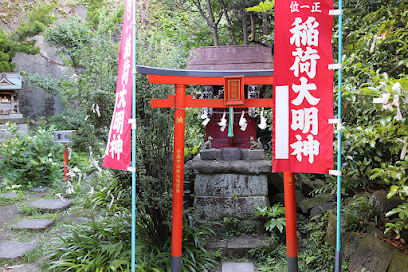
Otsuna Kompira Shrine
Kanagawa 221-0834
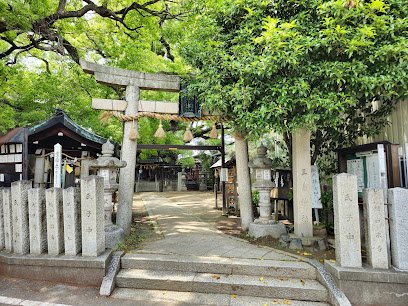
Mitsushima Shrine
Osaka 571-0015
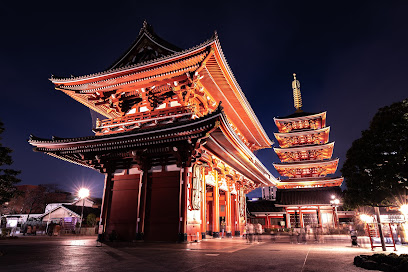
Sensō-ji
Tokyo 111-0032
Completed in 645, this temple, Tokyo's oldest, was built to honor Kannon, the goddess of m...
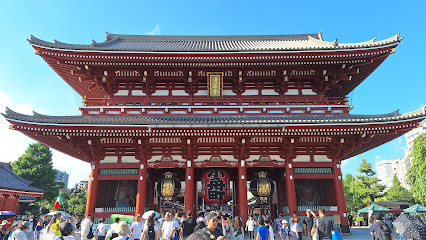
Kaminarimon
Tokyo 111-0032
A 3.9m-tall lantern greets visitors to this stately gate at the entrance to Sensō-ji templ...
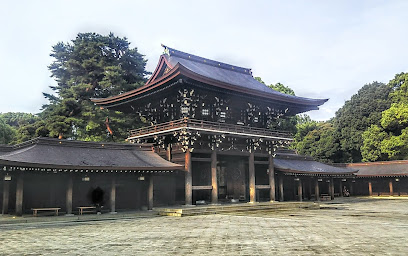
Meiji Jingu
Tokyo 151-8557
Surrounded by forest, this venerable Shinto shrine features a seasonal iris garden.

Kushida Shrine
812-0026
Founded in 757 CE, this urban site annually hosts the city's largest festival, Hakata Gion...