

Shrines & temples
Japanese shrines
OSM directory
Explore Shinto shrines mapped from OpenStreetMap — filter by prefecture, city, or denomination. For curated travel listings, see featured landmark shrines below.
30,440 shrines
Suwa Taisha Kamisha Honmiya Sanshuden
諏訪大社上社本宮参集殿
Nagano
Located in the Japanese prefecture of Nagano, Suwa Taisha Kamisha Honmiya Sanshuden is one of Japan's most ancient and revered Shinto shrines, dedicated to the kami of fertility and prosperity. The shrine complex spans over 1,000 years of history, with its origins dating back to the Nara period. Over time, it has undergone numerous transformations and expansions, reflecting the changing needs and desires of Japanese society. Today, the shrine remains a significant cultural and spiritual hub, attracting millions of visitors annually.
Suwa Taisha Kamisha Maemiya
諏訪大社上社前宮
Nagano
Located in the Japanese Alps of Nagano Prefecture, Suwa Taisha Kamisha Maemiya is one of Japan's most important Shinto shrines, dedicated to the kami of the same name. The shrine complex includes several buildings and shrines, each with its own significance. According to legend, the shrine was founded by Susanoo, a powerful storm god, who used his magic to create the nearby Suwa River. Today, the shrine is revered for its beautiful architecture and tranquil surroundings.
Suwa Taisha Shimosha Akimiya
諏訪大社 下社秋宮
Nagano
Suwa Taisha Shimosha Akimiya is one of Japan's most ancient and revered shrines, located in the heart of the Japanese Alps in Nagano Prefecture. The shrine is dedicated to the kami (spirits) of the Suwa River and its surrounding mountains. Built in 718 CE during the Asuka period, it was once considered the most important Shinto shrine in Japan.
Suwa-jinja
諏訪神社
Nagasaki
Suwa-jinja Shrine is a Shinto shrine located in Nagasaki, Japan, dedicated to the kami of Suwa-no-kami, the god of fertility and prosperity. The shrine is situated near the sea, which is believed to be an important aspect of its connection with the deity. Visitors can explore the shrine's beautiful gardens and traditional architecture, which date back to the 17th century.
Suwa-jinja Shrine
諏訪神社
千葉県 · 市川市
Suwa-jinja Shrine is a Shinto shrine located in Itakura, Chiba Prefecture, dedicated to the god of fertility and agriculture, Suwabe no Okami. The shrine's architecture reflects its historical roots in the Itakura region, with a unique blend of traditional and modern elements. Visitors can explore the shrine's tranquil gardens and learn about its rich history and mythology.
Suwa-jinja Shrine
六木諏訪神社
Ibaraki
Suwa-jinja Shrine is a Shinto shrine located in Ibaraki Prefecture, dedicated to the worship of the kami, Suwa-no-kamisato-miko, and other deities associated with the sacred grove, known as 'roku-mokuzan', which translates to 'six wood trees'. The shrine's architecture reflects its history as a shrine from the early Edo period. Its primary purpose is to ensure the fertility of the land, prosperity, and good fortune for locals.
Suwa-jinja Shrine
諏訪神社
Osaka
Suwa-jinja Shrine is a Shinto shrine dedicated to the kami of the same name, located in Osaka. The shrine's architecture and traditions reflect its historical connection to the region's indigenous people. Originally founded during the Nara period (710-794 CE), the shrine has undergone various renovations and expansions throughout its history. Today, Suwa-jinja Shrine is a prominent cultural and spiritual center for the city of Osaka.
Suwa-jinja Shrine
諏訪神社
Chiba
Suwa-jinja Shrine is a Shinto shrine located in the town of Nisina, Chiba Prefecture. The shrine is dedicated to the kami Inari Okami, who is revered as the patron deity of rice, fertility, and prosperity. The shrine's architecture reflects its historical significance as an important center for trade and commerce in the region. The main hall of the shrine features a distinctive roofline with multiple layers of tiles, typical of traditional Japanese shoin-zukuri design. Visitors can explore the surrounding shops and stalls selling local specialties such as rice crackers and sake.
Suwa-jinja Shrine
諏訪神社
Yamanashi
Suwa-jinja Shrine is a Shinto shrine dedicated to the kami of the same name, revered in Japanese mythology as the god of mountains and forests. Located in Yamanashi Prefecture, the shrine is situated near the town of Sengawa, on the northern slope of Mt. Kintoki. The shrine's architecture reflects the traditional style of Jogan-zukuri, with a large torii gate and a wooden shrine hall. Suwa-jinja Shrine is known for its scenic surroundings and its association with the legend of the 'Mudra of the Goddess', said to have the power to purify water.
Suwa-jinja Shrine
諏訪神社
suwajinja
諏訪神社
Yamanashi
Suwajinja Shrine, located in Yamanashi Prefecture, is a Shinto shrine dedicated to the kami of the forest and nature. The shrine is known for its beautiful autumn foliage and historic significance as a stopping point along the old Nakasendo highway. Visitors can experience traditional Japanese culture through various festivals and events throughout the year.
Suwasha
諏訪社
Nagano
Suwasha Shrine, located in the picturesque town of Kiso, Nagano Prefecture, is a sacred site dedicated to the worship of the Shinto deity, Suwa-no-kami. As one of the most important shrines in Japan, Suwasha Shrine has played a significant role in the region's history and culture. The shrine complex includes several buildings, including the main hall, the torii gate, and the shrine hall where the sacred mirror is displayed.
Suyama Sengen Shrine
須山浅間神社
Yamanashi
Suyama Sengen Shrine is a Shinto shrine located in the mountains of Yamanashi Prefecture, dedicated to the deity Sengen, also known as Amaterasu Omikami, the Shinto sun goddess. The shrine is famous for its beautiful gardens and traditional architecture, which reflect the region's natural beauty. As one of Japan's oldest shrines, it has a rich history dating back to the 8th century.
Suyasono Sugawara Shrine
須屋園菅原神社
Kumamoto
A Tenjin shrine in Kumamoto Prefecture dedicated to Sugawara no Michizane, the deified scholar and politician who became the patron deity of learning and literature. Like other Sugawara shrines, it serves as a place of worship for students and scholars seeking academic success and protection from misfortune.
Suyaura Shrine
須屋浦神社
Shimane
Located in the scenic town of Ubono, Suyaura Shrine is a serene Shinto temple dedicated to the worship of Inari Okami, the god of rice, fertility, and prosperity. The shrine's architectural style reflects its historical connection to the Edo period, with traditional Japanese buildings and gardens showcasing classic Shinto design elements. Visitors can explore the shrine's peaceful grounds, which feature several shrines and torii gates dedicated to various kami.
Suzu no Omae Shrine
鈴之御前神社
Gifu
A Shinto shrine located in Gifu Prefecture, known for its connection to bell-related rituals and ceremonies as suggested by its name which includes 'suzu' meaning bell.
Suzuka Myojin Sanshu-den
鈴鹿明神参集殿
Kanagawa
Suzuka Myōjin Shrine
鈴鹿明神社
神奈川県 · 座間市
Suzuki Inari Jinja
鈴木稲荷神社
Saitama
Suzuki Inari Jinja, located in the heart of Saitama Prefecture, is a revered Shinto shrine dedicated to the worship of Inari Okami, the patron deity of rice and industry. The shrine's tranquil atmosphere and picturesque surroundings make it an ideal destination for those seeking spiritual connection and nature appreciation. The shrine's architecture reflects its historical significance, with a mix of traditional and modern elements.
Suzuki Santayu Reido
鈴木三太夫霊堂
Kanagawa
A memorial hall dedicated to Suzuki Santayu, likely commemorating a local historical figure or benefactor in Kanagawa Prefecture.
Suzume-jinja
雀神社
Tochigi
Located in the town of Sano, Tochigi Prefecture, Suzume-jinja is a Shinto shrine dedicated to Suzume, the wind god and messenger of the gods. This shrine dates back to the Edo period (1603-1868) and features a unique architectural style characteristic of the region's old temples.
Suzumiya Shrine
鈴宮社
Gifu
Swabe Shrine
諏訪神社
Shizuoka
Located in the Fuji-Hakone-Izu National Park, Swabe Shrine is a Shinto shrine dedicated to the kami Okuninushi. The shrine's architecture reflects its historical ties to the Takeda clan, who once ruled over the region. Visitors can explore the shrine's traditional wooden structures and enjoy the scenic views of Mt. Fuji in the surrounding area.
Swabe Taisha Shrine
諏訪大明神
Shizuoka
Swabe Taisha Shrine, located in the heart of Shizuoka Prefecture, is one of Japan's most revered shrines dedicated to the Shinto god of agriculture and prosperity, Swabe no Okami. Built on the site where rice was first introduced to Japan, this historic shrine has been an important cultural and spiritual center for locals and travelers alike for centuries. Its architectural style reflects the Heian period influence, with a blend of traditional shirine buildings and tranquil gardens.
Curated shrine listings
Hand-picked shrines and temples from our landmark guide.
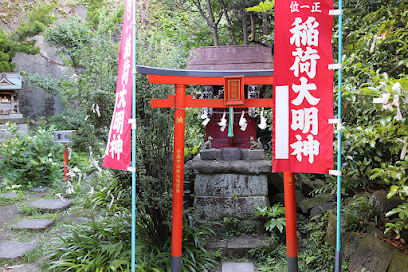
Otsuna Kompira Shrine
Kanagawa 221-0834
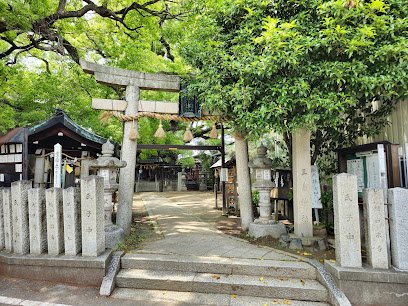
Mitsushima Shrine
Osaka 571-0015
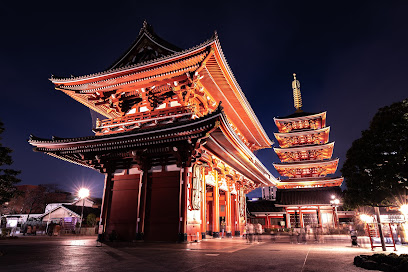
Sensō-ji
Tokyo 111-0032
Completed in 645, this temple, Tokyo's oldest, was built to honor Kannon, the goddess of m...
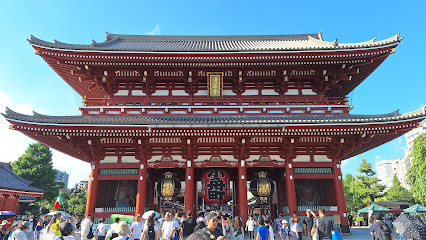
Kaminarimon
Tokyo 111-0032
A 3.9m-tall lantern greets visitors to this stately gate at the entrance to Sensō-ji templ...
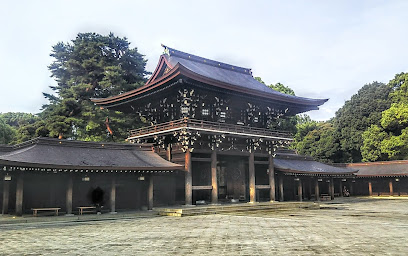
Meiji Jingu
Tokyo 151-8557
Surrounded by forest, this venerable Shinto shrine features a seasonal iris garden.

Kushida Shrine
812-0026
Founded in 757 CE, this urban site annually hosts the city's largest festival, Hakata Gion...