

Shrines & temples
Japanese shrines
OSM directory
Explore Shinto shrines mapped from OpenStreetMap — filter by prefecture, city, or denomination. For curated travel listings, see featured landmark shrines below.
550 shrines
皇大神宮遥拝所
皇大神宮遥拝所
Okayama
Located in the city of Kurashiki, Okayama Prefecture, is the Imperial Palace Eastern Hall Vermillion Shrine (also known as 皇大神宮遥拝所). This shrine was originally a branch of the Hie Shrine in Tokyo and was later rebuilt in its current location. It is one of the oldest shrines on the island of Honshu. The shrine enshrines two deities, Ōkuninushi-no-kami and Izanagi-no-kami, who were believed to have been involved in the creation of the universe. The shrine is known for its traditional architecture, beautiful gardens, and a peaceful atmosphere.
末社靖国神社
末社靖国神社
Okayama
Located in Okayama, Mose Shinko Jinsha Shrine is a lesser-known Shinto shrine dedicated to the deified spirits of samurai and warriors who lost their lives during the Sengoku period. The shrine's name, Mose, translates to 'the end of a place' or 'a final resting place,' reflecting its historical significance as a site for ritual burial and commemoration.
末社片岡別宮天神社
末社片岡別宮天神社
Okayama
Located in the city of Kurashiki, Okayama Prefecture, Mise-ko Hieizan Taishan-sha is a Shinto shrine dedicated to the kami Hieizan Taishan-gami. The shrine is part of the Izumo Grand Shrine's sacred precincts and is known for its beautiful gardens and historic architecture. As one of the many shrines in the region associated with the god of prosperity, good fortune, and longevity, it plays an important role in local festivals and rituals.
末社祇園神社
末社祇園神社
Okayama
Located in the heart of Okayama city, Mose no Kanoe Hachiman-gu Shrine is a Shinto temple dedicated to the deity Hachiman, the god of war and patron of scholars. The shrine is famous for its unique architecture and stunning gardens, reflecting the city's rich cultural heritage. Built during the Heian period, the shrine has undergone several renovations throughout its history, with notable restorations in the Edo period. Visitors can explore the shrine's many shrines and halls, including the main hall dedicated to Hachiman, as well as the beautiful gardens featuring a large pond and walking paths.
末社荒神社
末社荒神社
Okayama
Located in the heart of Okayama City, Mase Aragami Shrine is a historic Shinto temple dedicated to the kami of the forest and the mountains. The shrine's name reflects its connection to the spirit world, with 'Mase' meaning 'forest' or 'woods' and 'Aragami' referring to the god of the forest, a powerful deity in Japanese mythology.
南方遥拝所
南方遥拝所
Okayama
Located in the scenic Okayama Prefecture, the Shrine of the Southernmost Rending Prayer (, mina no yūdai-jin no miya) is a tranquil Shinto sanctuary that has been revered by locals and travelers alike for centuries. Situated at the southernmost point of Okayama, this shrine is dedicated to the worship of a local deity believed to protect fishermen and bring good fortune to those who visit.
亀岩神社
亀岩神社
Okayama
Henka-ryōgoku-sha, meaning 'stone fortress god', is a Shinto shrine located in Okayama Prefecture. The shrine's architecture and design are reminiscent of a traditional Japanese temple, with a wooden gate and vermilion lanterns. Dedicated to the storm god Susanoo no Mikoto, Henka-ryōgoku-sha is one of Japan's oldest shrines, dating back to the 7th century. As such, it holds great cultural significance and historical importance, not only in Okayama but throughout the country.
正一位稲荷大神
正一位稲荷大神
Okayama
Located in Okayama Prefecture, the Shitennō-ji is a revered Inari Shrine dedicated to the benevolent kami of rice and prosperity. This ancient Shinto site has been an important center of worship for over 1,300 years, attracting visitors from all walks of life seeking blessings for a bountiful harvest and good fortune.
最上稲荷大明神
最上稲荷大明神
Okayama
The Saijo Inari Taisha is one of the most revered Shinto shrines dedicated to Inari Okami, the kami of rice, fertility, and prosperity. Located in Okayama Prefecture, the shrine is famous for its thousands of vermilion torii gates that form a tunnel up the mountain, symbolizing the path to enlightenment. The shrine complex is divided into three main areas: the Haiden (main hall), the Taisha Hongu (main sanctuary), and the Shinmei Kongyu (ancient mirror grove). Visitors can participate in rituals and offerings, such as prayer stones and food offerings, which are believed to bring blessings for a bountiful harvest.
大國神社
大國神社
Okayama
Located in the city of Okayama, the Daisokan Shrine is a Shinto temple dedicated to the god of prosperity, good fortune, and protection, known as Daisokan. As one of the oldest shrines in Japan, it has a rich history dating back to the 8th century, during the Nara period. The shrine's architecture reflects its Heian-era origins, with a traditional vermilion torii gate and a wooden main hall. Visitors can experience the tranquil atmosphere of the shrine's serene gardens and peaceful grounds.
兵金稲荷
兵金稲荷
Okayama
Located in Okayama Prefecture, the Shinmei-ji Shrine is one of the most important Inari shrines in Japan. It is famous for its well-preserved architecture and rich history dating back to the Edo period. The shrine is dedicated to Inari Okami, the Shinto god of rice, fertility, and prosperity. Visitors can explore the intricate tunnel system beneath the main hall, which houses numerous vermilion torii gates. This unique feature is said to symbolize the abundance of rice fields in Okayama.
天津神社
天津神社
Okayama
Tenshukan Shrine, located in the city of Bizen, Okayama Prefecture, is dedicated to Koshinaka, a local kami believed to protect fishermen and farmers. The shrine's architecture reflects its historical significance as a key location during the Tenpuku period (1868), when the Tokugawa shogunate officially restored order to Japan. Tenshukan Shrine features traditional Japanese garden design and a unique wooden torii gate.
宇賀神社
宇賀神社
Okayama
Located in the city of Bizen, Okayama Prefecture, Uge-Okami Shrine is a Shinto shrine dedicated to the kami Okami no Okami, also known as Tsukuyomi and Amaterasu's brother or father. It is one of Japan's oldest shrines, dating back to 711 AD. The shrine is famous for its wooden main hall and the legend surrounding the founding by Emperor Temmu.
妹岡八幡宮
妹岡八幡宮
Okayama
Located in Okayama Prefecture, 妹岡八幡宮 is a Shinto shrine dedicated to the goddess of fortune and prosperity, Bishamonten. The shrine is one of the oldest in Japan, with a history dating back to the Heian period (794-1185 CE). It is known for its beautiful architecture and traditional festivals, such as the Hachimatsu Matsuri, which celebrates the arrival of spring. Visitors can admire the shrine's distinctive wooden lanterns, called 'kotatsu,' and participate in traditional tea ceremonies.
神前神社
神前神社
Okayama
Located in Okayama Prefecture, Godai-jinja Shrine is a Shinto shrine dedicated to the deity of agriculture and fertility, Kusunokami Inari. As one of the oldest shrines in Japan, dating back to the Nara period (710-794 CE), it has played an important role in the region's agricultural history. The shrine is famous for its beautiful garden and traditional architecture, which reflects the classical Japanese style of the Heian period (794-1185 CE). Visitors can experience a serene atmosphere while walking through the tranquil paths and admiring the shrine's ornate torii gate.
南無正一位稲荷大明神
南無正一位稲荷大明神
Okayama
The Shitennō-ji temple in Osaka is actually the most well-known Inari shrine, but another famous Inari shrine is located in Okayama prefecture. This Inari shrine enshrines many kami including Suijin and Okuninushi. The shrine complex features several main halls, including a vermilion torii gate adorned with greenery. Visitors can walk through the lush gardens and offer prayers to the deities. Traditional sweets and snacks are sold on site.
疫神社
疫神社
Okayama
Located in the city of Okayama, 疫神社 is a Shinto shrine dedicated to a kami that is believed to ward off illnesses and epidemics. The shrine's history dates back to the 7th century, during the Asuka period, when it was first established as a small shrine to worship the god of medicine and fertility. Over time, the shrine has been rebuilt and renovated several times, with the current main hall dating back to the Heian period (794-1185 CE).
稲荷神社
稲荷神社
Okayama
Located in the Okayama Prefecture, the Inari Shrine is a Shinto shrine dedicated to the kami of rice and fertility. The shrine complex is famous for its thousands of vermilion torii gates that form a tunnel leading up the mountain. Visitors can explore the shrine grounds and climb the many paths to pray for good harvests, prosperity, and blessings.
大国神社
大国神社
Okayama
Located in Okayama Prefecture, Ōkuninushi Shrine is dedicated to the Shinto god of agriculture and fertility, Ōkuninushi. As one of the oldest shrines in Japan, it has played a significant role in local traditions for centuries. The shrine's architecture is characteristic of the Heian period, with its simple yet elegant design reflecting the harmonious balance between nature and human life. Visitors can explore the shrine's beautiful gardens, historic buildings, and experience the serene atmosphere that embodies the spirit of Ōkuninushi.
阿智神社
阿智神社
Okayama
Arachi Jinja Shrine, dedicated to Arachichi Okami, a kami associated with rice and fertility, is located in Okayama Prefecture. The shrine's history dates back to the Heian period, with records of its existence found in the 'Engishiki', a historical document from the 10th century. Over time, the shrine has undergone several transformations, including a major renovation in the Edo period. Today, visitors can explore the shrine's traditional architecture and participate in festivals celebrating Arachichi Okami's role in ensuring bountiful harvests.
荒神社
荒神社
Okayama
Located in the scenic Mimasaka region of Okayama Prefecture, Arashinsha is a Shinto shrine dedicated to the legendary storm god Susanoo-no-Mikoto. The shrine's architecture reflects its importance as a major Shinto site during the Heian period. While Susanoo-no-Mikoto is often associated with natural disasters, his worship at this shrine emphasizes the cultivation of agriculture and prosperity.
荒神社
荒神社
Okayama
Located in the city of Okayama, Okayama-jinja Shrine is one of Japan's oldest shrines, dating back to 712 CE. Dedicated to the Shinto deity Inari Okami, it is revered for its beautiful gardens and traditional architecture.
荒神社
荒神社
Okayama
Located in the heart of Okayama Prefecture, Ara no Kami-sha is a historic Shinto shrine dedicated to the god of rice, fertility, and prosperity. The shrine's architecture reflects the traditional Japanese style, with a distinctive torii gate and elegant wooden structures. According to legend, the shrine was founded during the Nara period (710-794 CE) by the legendary emperor Kinmei.
青陵神社
青陵神社
Okayama
Located in the city of Kurashiki, Okayama Prefecture, Akai Ryōjinsha is a Shinto shrine dedicated to the god of fire, Akai Ryōjin. The shrine's main hall and torii gate are painted in bright colors to symbolize the fiery spirit it enshrines. Visitors can experience traditional Japanese culture by participating in the annual Bon Festival, which honors the spirits of one's ancestors.
Curated shrine listings
Hand-picked shrines and temples from our landmark guide.
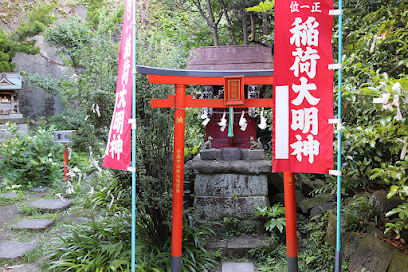
Otsuna Kompira Shrine
Kanagawa 221-0834
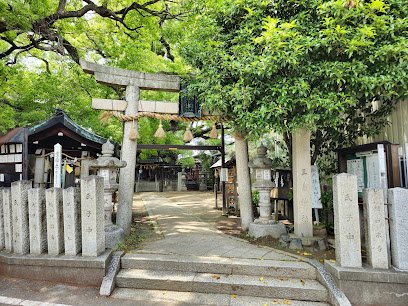
Mitsushima Shrine
Osaka 571-0015
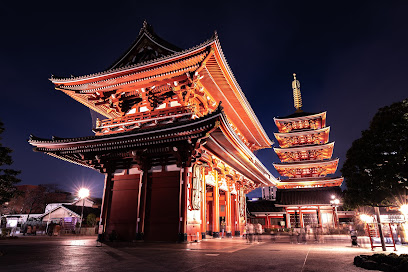
Sensō-ji
Tokyo 111-0032
Completed in 645, this temple, Tokyo's oldest, was built to honor Kannon, the goddess of m...
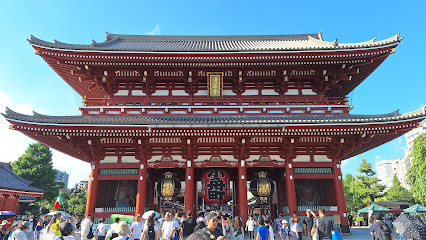
Kaminarimon
Tokyo 111-0032
A 3.9m-tall lantern greets visitors to this stately gate at the entrance to Sensō-ji templ...
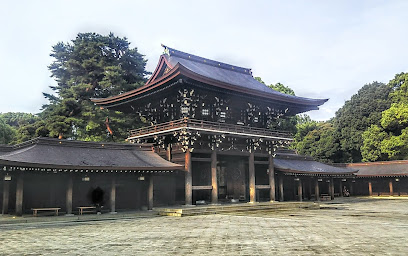
Meiji Jingu
Tokyo 151-8557
Surrounded by forest, this venerable Shinto shrine features a seasonal iris garden.

Kushida Shrine
812-0026
Founded in 757 CE, this urban site annually hosts the city's largest festival, Hakata Gion...