

Shrines & temples
Japanese shrines
OSM directory
Explore Shinto shrines mapped from OpenStreetMap — filter by prefecture, city, or denomination. For curated travel listings, see featured landmark shrines below.
978 shrines
稲荷神社
稲荷神社
Chiba
Inari Okuno-machi Shrine is a famous Shinto shrine in the heart of Tokyo's Ichi-no-ji district, dedicated to the worship of Inari, the god of rice and fertility. The shrine is known for its vermilion torii gates and thousands of vermillion lanterns, which symbolize good luck and prosperity. Visitors can walk through the crowded streets lined with food stalls selling traditional sweets and snacks, such as senbei and ningyoyaki.
子安八幡神社
子安八幡神社
Chiba
Suban Eight-Fold Bodhisattva Shrine is a Shinto shrine located in the city of Chiba, Japan. The shrine is dedicated to the protection and prosperity of its community. It is one of the largest Shinto shrines in the eastern part of Japan. Visitors can experience the tranquil atmosphere of the shrine grounds, which include a large torii gate and several smaller shrines.
森王稲荷神社
森王稲荷神社
Chiba
Forest King Rice God Shrine, a Shinto temple dedicated to the enshrined deity Inari Ōkami, located in the heart of the scenic town of Minamibōsō, Chiba Prefecture. The shrine is famous for its abundant rice fields and fertile soil, which are believed to have been blessed by the forest king Inari. Visitors can explore the shrine's unique architecture, which features a distinctive forest-style gate, and participate in traditional rituals and ceremonies during the annual Autumn Leaves Festival.
新町天神社
新町天神社
Chiba
New Town Shrine, dedicated to the deity of merchants and commerce, is a historic Shinto shrine in Chiba Prefecture. The shrine's architecture reflects its importance as a commercial hub during the Edo period. Its buildings are adorned with traditional Japanese designs, including tiled roofs and wooden pillars.
水神社
水神社
Chiba
Water Shrine is one of the oldest shrines in Japan, founded in 736 AD during the Nara period, in what was once a sacred place dedicated to the god of water and fertility. This shrine is home to the legendary Water God kami, believed to protect fishermen and the local community from floods and droughts. The shrine's architecture reflects its long history, with traditional Japanese wooden buildings and a beautiful garden featuring water features.
御園神社
御園神社
Chiba
The Ōen Shrine in Chiba Prefecture is a Shinto shrine dedicated to the kami of the forest and the sea. Located near the coast, it is believed to have been founded during the Nara period (710-794 CE). The shrine's architecture reflects its coastal location, with a wooden torii gate that stands out against the backdrop of the ocean.
草分稲荷神社
草分稲荷神社
Chiba
Located in the town of Katsuura, Chiba Prefecture,草分稲荷神社 is a Shinto shrine dedicated to Inari Okami, the god of rice and fertility. The shrine's unique architectural style blends traditional and modern elements, reflecting its long history dating back to the 16th century. Visitors can admire the shrine's beautiful gardens and explore its tranquil grounds.
貴舩神社
貴舩神社
Chiba
Located in the town of Ichihara, Chiba Prefecture, 貴舩神社 is a Shinto shrine dedicated to the deity Hoteiosho, a compassionate Buddhist monk and bodhisattva who is revered for his role in rescuing people from water. The shrine is known for its beautiful gardens and traditional architecture, which reflect the region's rich cultural heritage.
清瀧神社
清瀧神社
Chiba
Located in the picturesque town of Omitomo, Clear Water Shrine is a sacred Shinto site that honors the kami of the local area. The shrine's architecture reflects traditional Heian-period designs, with a main hall and several smaller shrines dedicated to various deities. Visitors can explore the tranquil gardens and walk along the nearby clear water stream, which is said to have healing properties.
出世弁天
出世弁天
Chiba
Outase Benzaiten Shrine in Chiba is dedicated to the Shinto goddess of music, art, and fertility. Located on a hill overlooking the town of Ichihara, the shrine is famous for its stunning views and beautiful gardens. Founded during the Edo period, Benzaiten is revered as a patron deity for women's arts, including dance and song.
延壽稲荷神社
延壽稲荷神社
Chiba
Located in Chiba Prefecture,延壽稲荷神社 (Enju Inari Shrine) is a Shinto shrine dedicated to the god of rice and prosperity. The shrine's name reflects its association with good fortune and longevity, as 'en' means 'long life' and 'ju' means 'abundant grain'. While the exact date of construction is unknown, the shrine is believed to have been built in the Edo period (1603-1867), likely during the reign of Tokugawa Iemitsu. The shrine's architecture is typical of Shinto shrines in the region, with a simple yet elegant design featuring a tatami-matted main hall and several smaller shrines dedicated to various kami.
磐井神社
磐井神社
Chiba
磐井神社 is a Shinto shrine located in Chiba Prefecture, dedicated to the deity Inari Ōkami. The shrine's main hall and five-story pagoda date back to the Heian period (794-1185 CE). Visitors can pray for good luck, prosperity, and blessings on their travels. The shrine's famous fox spirits, known as kitsune, are said to inhabit the grounds, and locals often leave offerings of food and sake in hopes of appeasing them.
厳島神社
厳島神社
Chiba
厳島神社 is a Shinto shrine located in Eniwa, Chiba Prefecture, and is one of the largest shrines dedicated to the god of storms and storms' victims, Ryujin, as well as the god of agriculture, Susanoo-no-Mikoto. The shrine's main hall was built in 1697 during the Genroku period, and it features a striking Shinden-zukuri architectural style. The shrine is also famous for its unique 'fushigi' architecture, which includes a large torii gate and a sacred well where devotees can purify themselves by submerging their hands and feet.
大廣神社
大廣神社
Chiba
Located in the city of Sakura, Chiba Prefecture, Ōgawa-shrines are a series of shrines dedicated to the kami Ōguma and his wife, Ōgata. The shrine at 大廣神社 is one of these enclaves, situated near a river that played a crucial role in local trade and commerce. The shrine's history dates back to the 18th century, during the Edo period, when it was first established as a regional center for the worship of Ōguma.
多武峯内藤神社
多武峯内藤神社
Chiba
Located in the mountains of Chiba Prefecture, 多武峡内藤神社 is a rural Shinto shrine dedicated to the kami Inari Okami. The shrine's architecture reflects the Heian period style, with a wooden torii gate and a traditional vermillion shrine hall. Visitors can explore the shrine grounds, which feature scenic views of the surrounding mountains and forests.
千葉神社
千葉神社
Chiba
Chiba Shrine, located in the heart of Chiba Prefecture, is a Shinto shrine dedicated to Inari Okami, the Shinto god of rice, fertility, and prosperity. The shrine is famous for its thousands of vermilion torii gates, which symbolize the connection between heaven and earth. Visitors can explore the shrine's traditional architecture, including the Haiden (main hall) and the Honden (main sanctuary), which date back to the Heian period (794-1185 CE).
出世稲荷神社
出世稲荷神社
Chiba
Located in the Chiba prefecture, Outsei Inari Shrine is dedicated to the Shinto god of rice, prosperity, and fertility. The shrine's architecture reflects traditional Japanese design, with a main hall adorned with vermilion walls and a tiled roof. Visitors can explore the shrine's grounds, which include several smaller shrines and a museum showcasing local history and culture.
厳嶋神社
厳嶋神社
Chiba
厳嶋神社, located in the coastal town of Shirahama in Chiba Prefecture, is dedicated to Inari Okami, the god of rice and fertility. The shrine's architecture reflects its role as a major stopover on the pilgrimage route to Ise Shrine, with its distinctive vermillion torii gate and five-story pagoda. Visitors can admire the shrine's tranquil gardens and browse the stalls selling local specialties, such as seafood and confectionery.
久国神社
久国神社
Chiba
Located in the historic city of Kisarazu, Kūkō-jinsha Shrine is a Shinto shrine dedicated to the god of good fortune and prosperity, Kū no Kami. The shrine's architecture reflects its age, with a traditional torii gate and a large hall that has been rebuilt several times due to fires. Visitors can explore the shrine grounds, which include a beautiful garden and a museum showcasing local history and culture.
厳島神社
厳島神社
Chiba
厳島神社 is a Shinto shrine located on the Ogasawara Islands, in Chiba Prefecture. The shrine is dedicated to Amaterasu Ōmikami, the Shinto sun goddess. It is one of the most remote Shinto shrines in Japan and was originally built to honor the sea god Susanoo-no-Mikoto.
火防稲荷
火防稲荷
Chiba
Fire Protection Rice Shrine is a Shinto shrine dedicated to the kami of fire protection and agriculture in Chiba Prefecture, Japan. The shrine's main deity is Inari Okami, known as 'Inari no Okami', who is revered for his role in protecting crops from fire and promoting fertility. Locals often pray at the shrine for good harvests and fire safety. Visitors can explore the shrine's beautiful gardens and traditional torii gate.
東耀稲荷・須賀神社
東耀稲荷・須賀神社
Chiba
Located in the eastern part of Chiba Prefecture, East Shine Rice Shrine / Sukahamachi Shrine is a Shinto shrine dedicated to the rice-giving kami, particularly Hachiman and Inari, reflecting the region's agricultural significance. The shrine complex features traditional Heian-style architecture, with a large torii gate and a majestic main hall, while nearby areas are filled with vibrant gardens and shrines dedicated to local deities.
白旗神社
白旗神社
Chiba
Located in the city of Matsudo, Chiba Prefecture, the Shirakawa-jinja Shrine is dedicated to the god of the flag and the goddess of weaving, known as Hikoboshi. The shrine's white flag is said to have been gifted by a princess from the royal family of ancient Japan, who had come to the area seeking refuge. Over time, the shrine has become a place of worship for those seeking good luck, happiness, and fertility.
船堀日枝神社
船堀日枝神社
Chiba
Located in the coastal town of Shirahama, Shōbon Izushi Shrine is a Shinto shrine dedicated to Inari Ōno-mikoto, revered for its scenic views and historic significance. As one of Japan's oldest shrines, it dates back to the Nara period (794-1185 CE). The shrine's unique architecture reflects the Kamakura style, with a distinctive vermillion gate and a tranquil garden. Visitors can explore the shrine grounds, which include several torii gates and a beautiful pond.
Curated shrine listings
Hand-picked shrines and temples from our landmark guide.
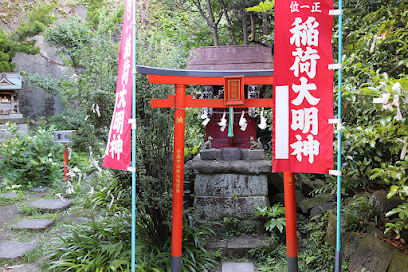
Otsuna Kompira Shrine
Kanagawa 221-0834
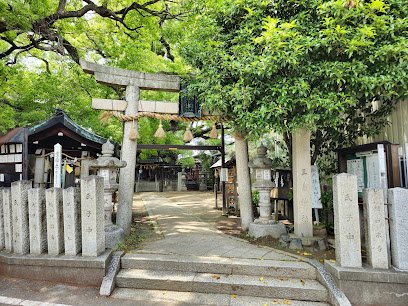
Mitsushima Shrine
Osaka 571-0015
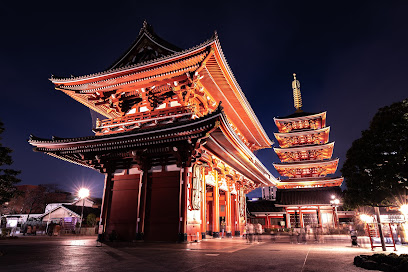
Sensō-ji
Tokyo 111-0032
Completed in 645, this temple, Tokyo's oldest, was built to honor Kannon, the goddess of m...
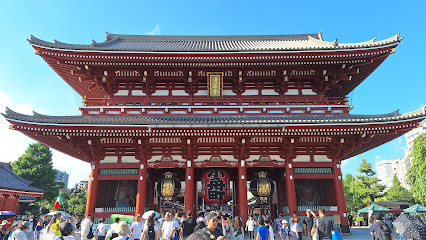
Kaminarimon
Tokyo 111-0032
A 3.9m-tall lantern greets visitors to this stately gate at the entrance to Sensō-ji templ...
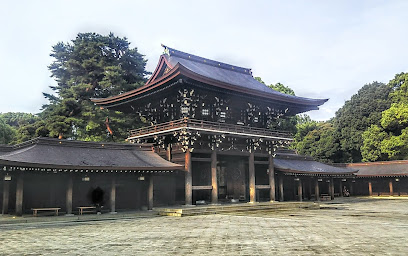
Meiji Jingu
Tokyo 151-8557
Surrounded by forest, this venerable Shinto shrine features a seasonal iris garden.

Kushida Shrine
812-0026
Founded in 757 CE, this urban site annually hosts the city's largest festival, Hakata Gion...