
What is a yūrei?
Yūrei (幽霊) is the Japanese word for a ghost — the spirit of someone who has died but not moved on. The kanji say it plainly:
- 幽 (yū) = faint, dim, hidden
- 霊 (rei) = spirit, soul
In Buddhist and folk belief a soul that is properly mourned passes on to join the family’s ancestors. One that dies in anger, grief or love, or without the right rites, can stay behind. What it wants — revenge, a child, a place, a lost plate — decides what kind of ghost it becomes.
Yūrei are one part of the much wider world of yokai, Japan’s supernatural creatures. A yokai can be an animal, a monster or a haunted umbrella; a yūrei was once a person.
What a Japanese ghost looks like
- White burial kimono — the clothes the dead were dressed in.
- Long, loose black hair falling over the face.
- A small white triangle on the forehead, a cloth worn by the dead.
- No feet. The lower body fades into mist, so a yūrei seems to float.
This look was fixed in the Edo period by kabuki theatre and painters such as Maruyama Ōkyo, and it still shapes Japanese horror films today.
When the dead come home
Every summer at Obon — mid-August in most of Japan, July in some areas — families light fires and lanterns to welcome their ancestors’ spirits home for a few days, then send them back. Summer is also the season for kaidan, ghost stories told to send a chill down the spine in the heat.
Below are the ghosts of Japanese folklore by kind — vengeful, bound to a place, tragic, lucky — followed by three of the most famous ghosts by name.
13 Japanese ghosts
-
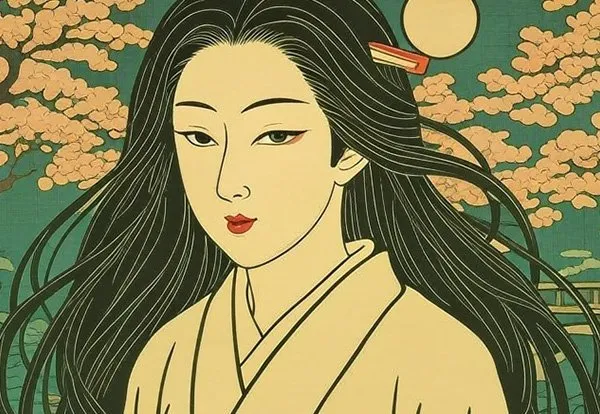 1.
Onryō
怨霊
The vengeful ghost (怨霊, “grudge spirit”): someone wronged in life who returns to bring illness, misfortune or death to those responsible. The classic ghost of kabuki and Japanese horror.
Read about Onryō →
-
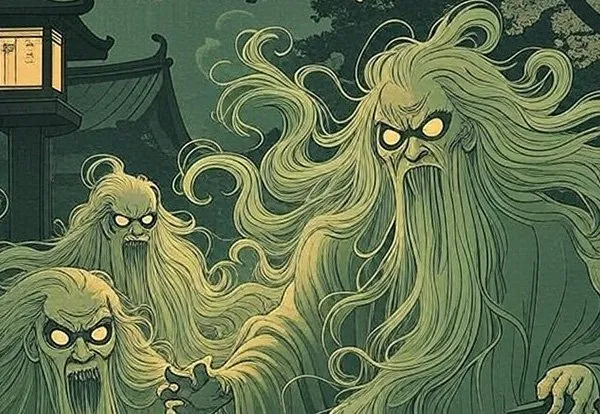 2.
Goryō
御霊
The vengeful spirit of a powerful person — often a noble — who died with a grievance. Goryō were blamed for epidemics, lightning and disasters, and were calmed with shrines and honours until they could even become protectors.
Read about Goryō →
-
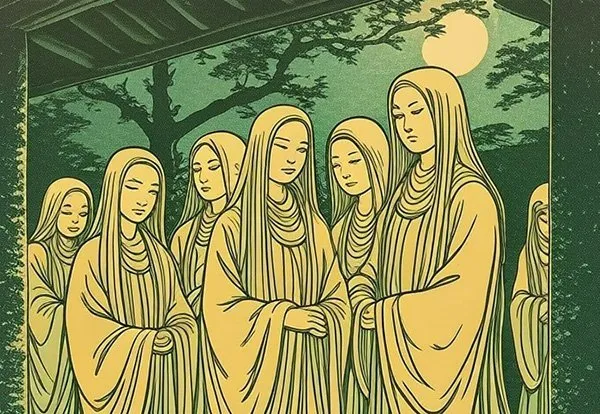 3.
Jibakurei
地縛霊
A ghost “bound to the earth” (地縛霊): tied to the place where it died by trauma or unfinished business, appearing there again and again — the spirit behind haunted hospitals, schools and roads.
Read about Jibakurei →
-
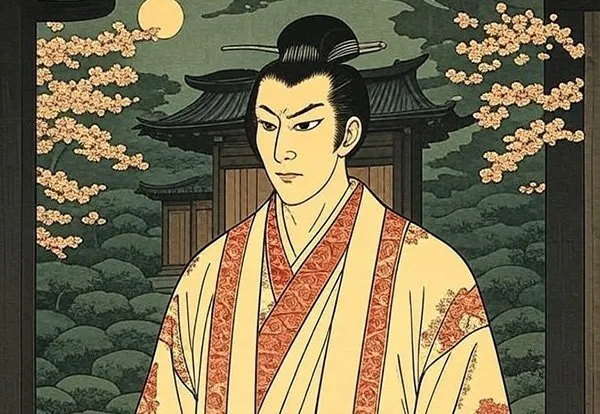 4.
Shiryō
死霊
The plain “spirit of the dead” (死霊): a soul that has passed on but stays tied to the living, to deliver a message, find closure or take revenge, until prayers and rites guide it away.
Read about Shiryō →
-
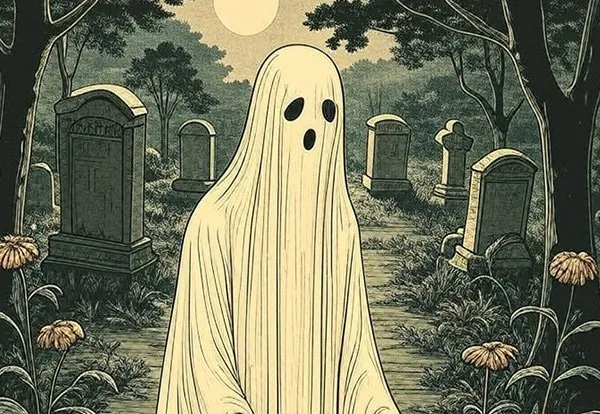 5.
Ikiryō
生霊
A “living ghost” (生霊): the soul of someone still alive, driven out of the body by jealousy or obsession — sometimes without its owner knowing. It appears as far back as The Tale of Genji.
Read about Ikiryō →
-
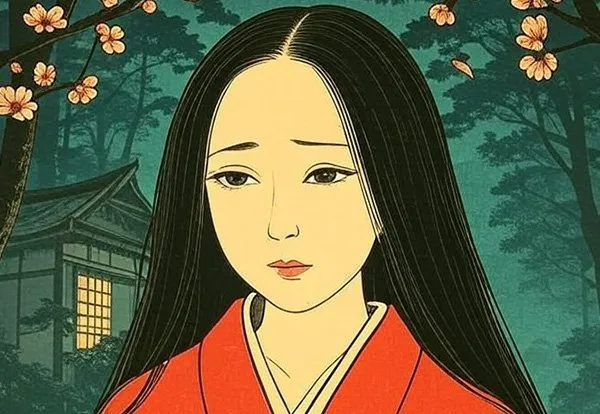 6.
Ubume
産女
The ghost of a woman who died in childbirth. She tries to hand her baby to a passer-by, and in some stories buys sweets or clothes for her child from shops at night — restless, but more sad than frightening.
Read about Ubume →
-
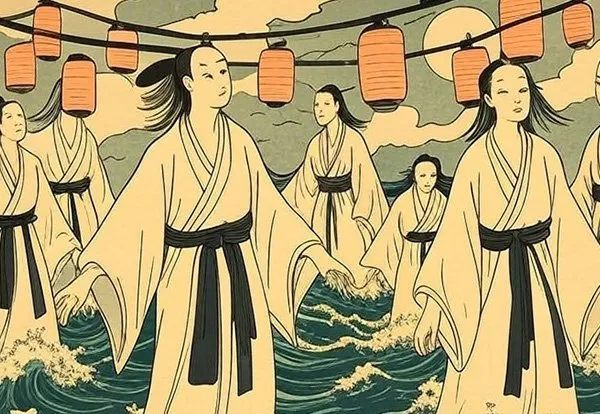 7.
Funayūrei
船幽霊
Ghosts of the drowned (船幽霊, “ship ghost”) that rise on foggy nights and ask sailors for a ladle to flood their boat. Sailors kept bottomless ladles on board to hand over instead.
Read about Funayūrei →
-
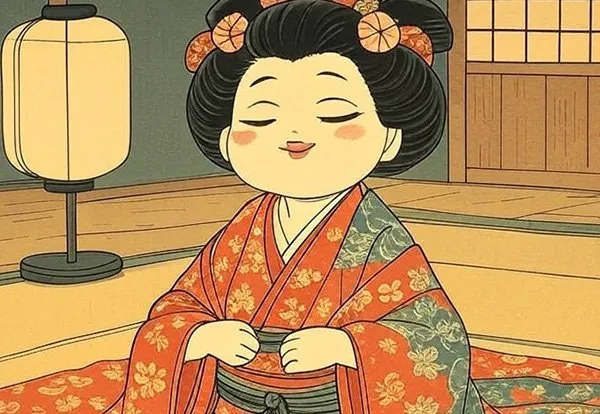 8.
Zashiki-warashi
座敷童子
A child spirit that lives in old houses, plays pranks and brings the family luck — the one ghost you want to keep. When it leaves, misfortune follows.
Read about Zashiki-warashi →
-
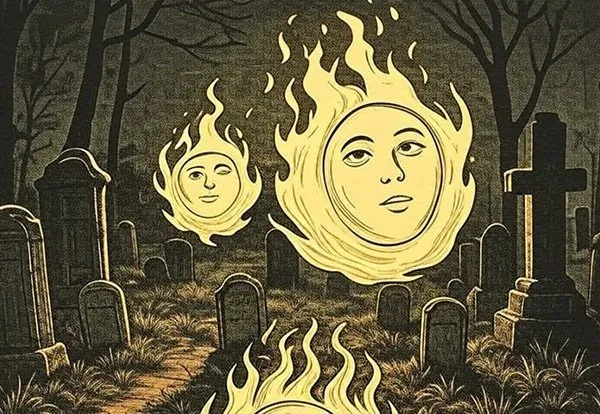 9.
Hitodama
人魂
A “human soul” (人魂): a floating fireball seen at night, believed to be a soul leaving the body around the moment of death. Harmless, but taken as an omen.
Read about Hitodama →
-
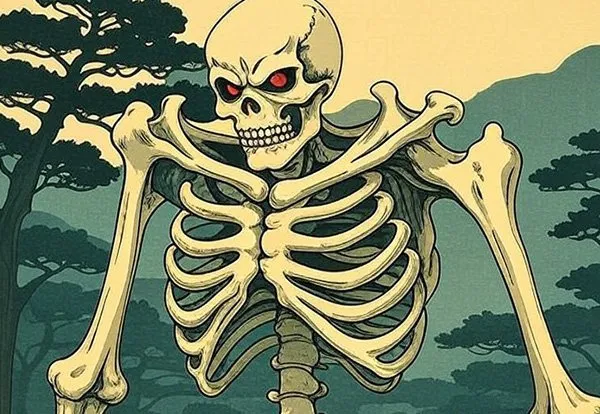 10.
Gashadokuro
がしゃどくろ
A giant skeleton formed from the grudges of the many dead left unburied after battles or famine. It wanders at night and attacks lone travellers; only a ringing in the ears warns of it.
Read about Gashadokuro →
-
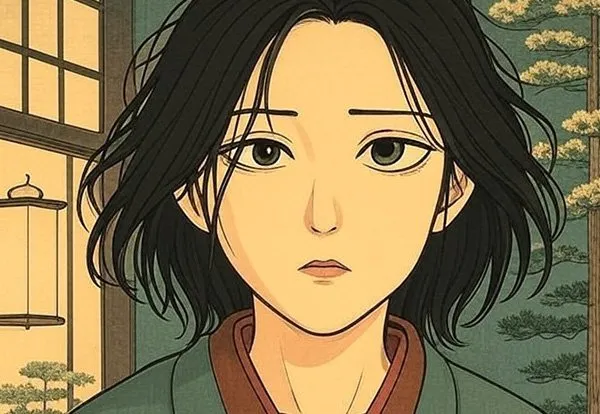 11.
Oiwa
お岩
The heroine of the kabuki ghost play Yotsuya Kaidan: disfigured and betrayed by her husband, she returns as one of Japan’s most feared onryō, appearing in lanterns, on sliding doors and in dreams.
Read about Oiwa →
-
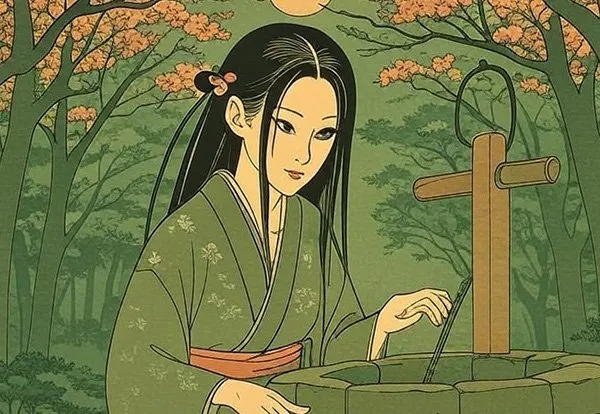 12.
Okiku
お菊
The ghost of a maid blamed for a lost plate, who rises from a well at night to count the plates — “one, two, three…” — and screams when she cannot find the tenth.
Read about Okiku →
-
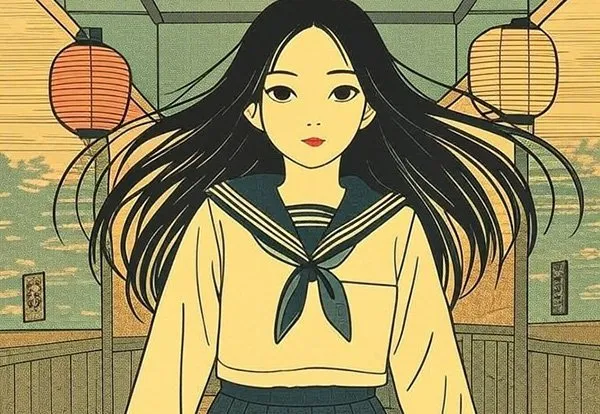 13.
Toire-no-Hanakosan
トイレの花子さん
Hanako of the school toilet, Japan’s best-known modern ghost. Pupils dare each other to knock on the third stall and ask, “Are you there, Hanako-san?”
Read about Toire-no-Hanakosan →
Questions
- What is a yūrei?
- Yūrei (幽霊) is the Japanese word for a ghost: the spirit of a dead person that has not moved on. It is written with 幽 (yū, faint or dim) and 霊 (rei, spirit), so it reads as a “faint spirit”.
- What does a Japanese ghost look like?
- The classic yūrei wears a white burial kimono, has long, loose black hair and often a small white triangle of cloth on the forehead, and has no feet — the lower body fades away. This image was fixed in the Edo period by kabuki and painters such as Maruyama Ōkyo.
- What is the difference between yūrei and yokai?
- Yokai is the broad word for Japan’s supernatural creatures — animals, monsters, haunted objects and spirits. Yūrei are one kind: the ghosts of people who have died.
- When do ghosts return in Japan?
- During Obon, the summer festival of the dead (mid-August in most of Japan, July in some areas), families welcome their ancestors’ spirits home. Summer is also the traditional season for ghost stories, told to send a chill down the spine in the heat.
Learn Japanese
Read about yokai in Japanese
Readers, books and study bundles from The Japan Shop.
-
 Learn Japanese with Yokai
Japanese readers about yokai, with furigana and native audio (JLPT N4 level).
See at The Japan Shop →
-
 Hikoichi: A Japanese Folktale Reader
Four short tales about the trickster Hikoichi, written for learners of Japanese.
See at The Japan Shop →
-
 Japanese Culture Bundle
Digital books on Japanese culture, with the vocabulary to go with it.
See at The Japan Shop →
Sponsored links. We may earn a commission if you buy, at no extra cost to you.