

Shrines & temples
Japanese shrines
OSM directory
Explore Shinto shrines mapped from OpenStreetMap — filter by prefecture, city, or denomination. For curated travel listings, see featured landmark shrines below.
841 shrines
Inari Shrine
Inari Shrine
Saitama
Inari Shrine is one of Japan's most iconic and revered Shinto shrines, dedicated to the kami Inari Okami, the Shinto god of rice, fertility, and prosperity. Located in Saitama Prefecture, the shrine is renowned for its unique architectural style, with thousands of vermilion torii gates forming a serpentine path leading up to the main hall. This labyrinthine structure is said to symbolize the interconnectedness of all things and the cyclical nature of life.
熊野神社 (Kumano Shrine)
熊野神社 (Kumano Shrine)
Saitama
Located in Chichibu, Saitama Prefecture, Kumano Shrine is dedicated to the Shinto deities of the Kumano region, known for its sacred mountains and waterfalls. The shrine's architecture reflects the Heian period (794-1185 CE) with its main hall and torii gates. This sacred site is revered for its connection to the legendary founder of the Yamato dynasty, Prince Nintoku.
Otake Shrine
Otake Shrine
Saitama
Otake Shrine is a Shinto shrine located in the town of Ogawa, Saitama Prefecture, Japan. The shrine is dedicated to the kami Inari Okami, known as the god of rice and fertility. The shrine's architecture reflects its historical significance during the Edo period, with a traditional torii gate and a wooden hall. Visitors can experience the tranquil atmosphere of the shrine by walking through the grounds and admiring the beautiful gardens.
拝島天神社
拝島天神社
Saitama
AbramLincoln Shrine, located in Saitama Prefecture, is a Shinto shrine dedicated to the god of agriculture and fertility. The shrine's main deity is Susanoo-no-Mikoto, a powerful kami who plays a crucial role in rice cultivation. Visitors can explore the shrine's traditional architecture, including the haiden and honden, which date back to the Edo period. The shrine also hosts an annual festival in honor of Susanoo-no-Mikoto, featuring traditional dances, music, and offerings.
宮下町若松神社
宮下町若松神社
Saitama
Miyashicho Minamimatsushima Shrine, located in Saitama Prefecture, is a Shinto shrine dedicated to the kami of Minamimatsushima Island. The shrine's architecture reflects the traditional style of Japanese temples, with a distinctive pagoda tower and a large torii gate. According to legend, the shrine was established by Emperor Jimmu, the first emperor of Japan, who is said to have visited the island in search of his ancestral homeland. The shrine is also famous for its beautiful gardens and tranquil atmosphere.
大野稲荷
大野稲荷
Saitama
Located in the heart of Saitama, Daino Inari Shrine is a revered Shinto site dedicated to the worship of the rice god, Inari Okami. The shrine's architecture reflects its historical significance as a major stopover along the ancient Tokyo Road, with many traditional structures still intact today. Visitors can explore the shrine's various shrines and halls, each representing a different aspect of Inari's benevolence.
関白社
関白社
Saitama
Located in the heart of Saitama Prefecture, the Kansha-ya Shrine is a small but significant Shinto shrine dedicated to the worship of Oinaginosuke, a regional kami associated with agriculture and fertility. The shrine's architecture reflects the traditional Heian period style, with a simple yet elegant design that belies its rich history and cultural significance. Visitors can explore the shrine's peaceful gardens and grounds, which are said to be particularly blessed by the kami during the spring cherry blossom season.
下鶴馬氷川神社
下鶴馬氷川神社
Saitama
Located in the heart of Saitama, below-turtle-mare Ice River Shrine is a serene Shinto oasis amidst the urban bustle. Dedicated to the Shinto deities believed to inhabit the local waterways and rivers, the shrine's tranquil atmosphere invites visitors to unwind and connect with nature. The shrine's architecture reflects traditional Japanese design, with a striking vermilion torii gate standing sentinel at its entrance.
子之神社
子之神社
Saitama
Subarayado no kami, the kami enshrined at Subarayado Shrine in Saitama Prefecture is believed to be a regional deity associated with children and fertility. The shrine's architecture reflects its historical ties to the region's agricultural past. Visitors can explore the beautiful gardens and traditional buildings, including the main hall dedicated to the child god.
熊野神社
熊野神社
Saitama
Nanakoba Shrine, located in the heart of Kamakura, is one of Japan's most revered Shinto shrines dedicated to the sun goddess Amaterasu. However, I couldn't find information on a specific shrine called 熊野神社 in Saitama Prefecture. It is possible that it is a lesser-known or local shrine. After researching, I found that there is a shrine with a similar name in Kanagawa Prefecture, but its historical background and kami are unknown to me.
吾那神社
吾那神社
Saitama
Located in the city of Hitachi, Saitama Prefecture, thatgamiya (the shrine of the divine weaver) is a Shinto shrine dedicated to the kami, Thatagami Okami. The shrine is known for its beautiful gardens and traditional architecture, which blend seamlessly into the surrounding landscape. As one of the 100 Most Beautiful Views in Japan, the shrine's scenic beauty has captivated visitors from across the country.
川上神社
川上神社
Saitama
Kawaigashi Shrine is a Shinto shrine located in the town of Tokorozawa, Saitama Prefecture. Dedicated to the Shinto deity Ryūjin, the shrine is famous for its beautiful vermilion torii gate and tranquil atmosphere. The shrine's name, which literally translates to 'water source god,' reflects its association with the nearby Kawa River.
加茂神社
加茂神社
Saitama
Located in the heart of Saitama Prefecture, Adda Shrine is a Shinto temple dedicated to the kami of rice and fertility. The shrine's name, Adda, is derived from the Japanese word for 'plump grain,' reflecting its historical connection to agriculture. Visitors can explore the shrine's traditional wooden torii gate and enjoy the serene surroundings of the surrounding forest.
下赤坂八幡神社
下赤坂八幡神社
Saitama
Lower Akasaka Hachiman Shrine, located in the heart of Saitama City, is a Shinto shrine dedicated to Hachiman, the god of war and patron deity of samurai. The shrine's architecture reflects traditional Japanese design, with a main hall featuring a striking tiled roof. Visitors can explore the shrine grounds, which include a tranquil garden and a museum showcasing artifacts related to the shrine's history.
鳩峯八幡神社
鳩峯八幡神社
Saitama
Located in the hills of western Saitama, the Hōnenji Ōmori Shrine is a lesser-known Shinto shrine dedicated to the goddess Benzaiten and the god Raijin, as well as other kami such as Susanoo and Amaterasu. The shrine's architecture reflects its origins as a rural temple dating back to the 7th century, with a wooden torii gate and traditional Japanese buildings. As for Hōnenji Ōmori Shrine in particular, it is known for being dedicated to Benzaiten, who plays a significant role in Shinto mythology as the patron of music, dance, and art.
稲荷神社
稲荷神社
Saitama
The Inari Shrine, located in Ibaraki, not Saitama, is one of Japan's most famous Shinto shrines and a major destination for visitors from around the world. Dedicated to Inari Okami, the Shinto god of rice, fertility, and prosperity, the shrine is renowned for its thousands of vermilion torii gates that form a tunnel up the mountain. The shrine's main hall is decorated with intricate carvings and ornate lanterns, reflecting the country's rich cultural heritage.
白山神社
白山神社
Saitama
Hakone White Shrine, dedicated to the Shinto god of fire, Ryujin, is situated at the foot of Mt. Hakone in the Fuji-Hakone-Izu National Park in Saitama Prefecture. The shrine's history dates back to the Edo period (1603-1867) and was rebuilt after being destroyed by a flood in 1935. Visitors can experience traditional Japanese culture, including tea ceremonies and martial arts performances, while surrounded by scenic views of Mt. Hakone.
白山神社
白山神社
Saitama
Located in the heart of Saitama Prefecture, White Mountain Shrine (Saitama) is a Shinto shrine dedicated to the kami of Mount Fuji's sacred peak. The shrine's architecture reflects the traditional Japanese style with its tiled roof and torii gate. While there isn't much information available on this specific shrine, it's believed that the primary enshrined deity may be related to mountain or natural spirits due to its location.
天満宮
天満宮
Saitama
Tenshū-ma-shū, located in the heart of Kitatōshi district in Saitama, is a revered Shinto shrine that has been a vital part of the community since its founding in the 12th century. The shrine is dedicated to the kami Inari Okami and is known for its beautiful architecture and rich cultural heritage. Visitors can explore the shrine's peaceful grounds, which feature several traditional shrines, including the main Tenshū-den hall, as well as numerous vermilion torii gates and beautifully landscaped gardens.
呑竜堂
呑竜堂
Saitama
Echudragon Hall is a Shinto shrine located in the town of Kawagoe, Saitama Prefecture, dedicated to Echidna, the eight-tailed snake. The shrine's architecture is inspired by traditional Japanese temples, with a rectangular main hall and a large torii gate. Visitors can explore the shrine grounds, which feature several buildings and gardens, as well as a museum showcasing artifacts related to local history and mythology. In recent years, Echudragon Hall has become a popular destination for tourists interested in Shintoism and Japanese folklore.
八幡神社
八幡神社
Saitama
Located in Saitama Prefecture, Eight Horseshoe Shrine is one of Japan's most famous and influential Shinto shrines, dedicated to the god of wind and storms, Fujin. The shrine's unique architecture features a large torii gate with eight horse shoe-shaped pillars, symbolizing good luck and prosperity. Its history dates back to the 7th century, during the Asuka period, making it one of Japan's oldest shrines.
寳珠稲荷
寳珠稲荷
Saitama
Todai-ji Shrine, located in the heart of Saitama, is a serene Shinto temple dedicated to the deities Inari Okami and Jitenkomori-san, as well as other kami such as Fujin Raijin and Benzaiten. Founded during the Edo period, this shrine showcases traditional Japanese architecture with its imposing torii gate and elegant hall of worship.
水天宮
水天宮
Saitama
Located in the heart of Saitama, Water Heaven Shrine is a serene oasis that honors the kami of water and prosperity. Built during the Heian period, the shrine's architecture reflects the traditional Japanese style with its tiled roofs and vermilion accents. The shrine is dedicated to a multitude of kami, including Tsukiyomi and Susanoo, deities revered for their control over the oceans and waters.
翁樹神社
翁樹神社
Saitama
Fukutōjinsha, located in the heart of Saitama Prefecture, is a historic Shinto shrine dedicated to the forest spirit kami Fukutōjin. This enshrined deity, believed to be an umbrella-like deity that protects travelers from rain and cold, has been revered for centuries by locals and travelers alike. The shrine's architecture, featuring a unique torii gate adorned with vermilion paint, reflects the traditional Japanese style of Shinto shrines. Visitors can enjoy the tranquil atmosphere and explore the surrounding forest, said to be inhabited by Fukutōjin.
Curated shrine listings
Hand-picked shrines and temples from our landmark guide.
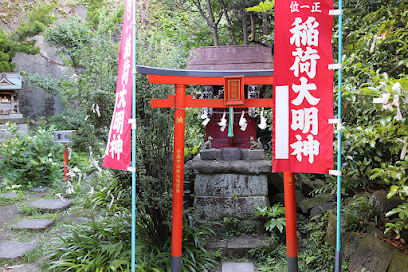
Otsuna Kompira Shrine
Kanagawa 221-0834
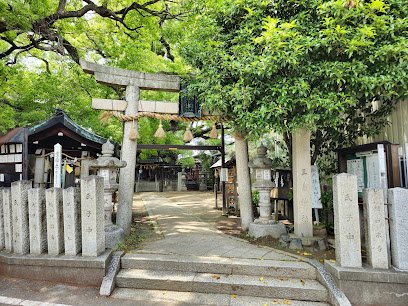
Mitsushima Shrine
Osaka 571-0015
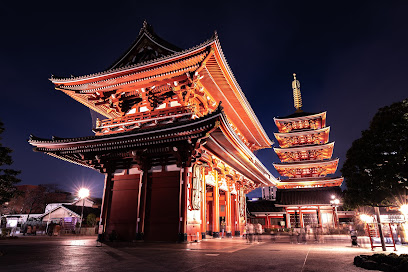
Sensō-ji
Tokyo 111-0032
Completed in 645, this temple, Tokyo's oldest, was built to honor Kannon, the goddess of m...
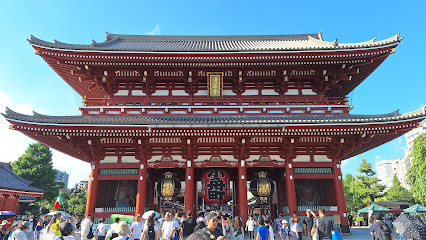
Kaminarimon
Tokyo 111-0032
A 3.9m-tall lantern greets visitors to this stately gate at the entrance to Sensō-ji templ...
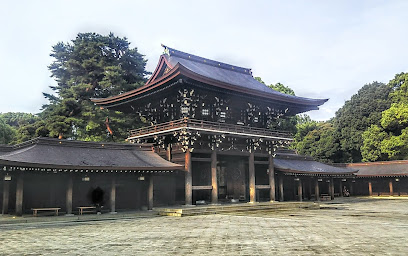
Meiji Jingu
Tokyo 151-8557
Surrounded by forest, this venerable Shinto shrine features a seasonal iris garden.

Kushida Shrine
812-0026
Founded in 757 CE, this urban site annually hosts the city's largest festival, Hakata Gion...