

Shrines & temples
Japanese shrines
OSM directory
Explore Shinto shrines mapped from OpenStreetMap — filter by prefecture, city, or denomination. For curated travel listings, see featured landmark shrines below.
148 shrines
Futonorito
Futonorito
Nagasaki
Futonorito Shrine is a Shinto temple located in the heart of Nagasaki city, dedicated to the goddess of fertility and prosperity, Hachiman's wife Otohime, as well as various regional kami such as Bonten and Sugawara. The shrine is built in a traditional Nagasaki-style with a wooden torii gate and a vermilion-tiled roof. Visitors can explore the serene gardens and enjoy the local cuisine at the nearby restaurants.
Koshikiiwa Jinja
Koshikiiwa Jinja
Nagasaki
Located in Nagasaki Prefecture, Koshikiiwa Jinja Shrine is dedicated to the deity of the forest and its inhabitants, with connections to regional kami found in the Kumamoto region. The shrine's architecture reflects a blend of traditional styles, showcasing a mix of wooden and stone structures. Visitors can explore the serene surroundings and enjoy the tranquil atmosphere.
Neo Ebisu Shrine
Neo Ebisu Shrine
Nagasaki
Located in the heart of Nagasaki city, Neo Ebisu Shrine is a renowned Shinto temple dedicated to the god Ebisu, patron deity of fishermen and prosperity. Built during the Edo period, the shrine's architecture showcases traditional Japanese styles with modern touches. Visitors can experience the tranquil atmosphere of the shrine grounds, which feature beautiful gardens and a peaceful pond. The shrine also hosts various festivals throughout the year, including the Nebuta Festival, a celebration of Ebisu's association with good fortune.
Sanno Shrine
Sanno Shrine
Nagasaki
Located in Nagasaki, Sanno Shrine is a historic Shinto site dedicated to the god of agriculture, rice, and fertility, known as Sanno Okami. The shrine's architecture reflects its age, with a traditional Japanese-style main hall, torii gate, and garden. Sanno Shrine is one of the oldest shrines in Nagasaki Prefecture, dating back to the 16th century.
Shikishima
Shikishima
Nagasaki
Located in the Shimabara Peninsula of Nagasaki Prefecture, Shikishima Shrine is dedicated to the deity Inari Okami, revered as a patron of rice and fertility. The shrine's architecture reflects its history as an important center of worship during the Edo period, with traditional Japanese-style buildings surrounded by lush gardens and a serene pond. Visitors can experience the tranquility of this sacred site while paying respects to Inari, who is often depicted in art and literature as a powerful kami.
Shinshoji
Shinshoji
Nagasaki
Located in the city of Nagasaki, Shinshoji Shrine is a Shinto temple dedicated to the deity of learning and culture, Sugawara no Michiie. The shrine is situated near the Naganuma River and features a unique architecture style known as 'mikoshi-zukuri,' which originated from the Himarashino region. Visitors can explore the shrine's traditional structures, including the main hall and the torii gate, while taking in the serene atmosphere of the gardens.
白鬚大明神社
白鬚大明神社
Nagasaki
White Beard Grand Shōnen Shrine, located in Nagasaki, is dedicated to the deity of longevity and good fortune, known as Ōkuninushi. The shrine's architecture reflects the Edo period style, with a distinctive honden built on a rectangular foundation. Visitors can experience the tranquility of this serene shrine, surrounded by lush greenery. Within the shrine's grounds, one can find various shrines dedicated to other kami, including those associated with agriculture and protection.
都波木神社
都波木神社
Nagasaki
Dōbo-oki Jinja, a Shinto shrine dedicated to Dōbo-oki Kami, is located in Nagasaki Prefecture, Japan. The shrine's architecture reflects the region's unique blend of Japanese and Chinese influences, typical of the Nagasaki style. Its history dates back to the Heian period, with records indicating its existence as early as 947 AD.
住吉神社
住吉神社
Nagasaki
Reshi-gi-jinja is a Shinto shrine located in Nagasaki, Japan, dedicated to the sun goddess Amaterasu. The shrine is situated on the coast and features a distinctive architecture, reflecting its historical significance as a site of maritime trade and cultural exchange.
宗像神社
宗像神社
Nagasaki
Located in the heart of Nagasaki, Tōkai-jinsha is a Shinto shrine dedicated to the kami of the sea and the god of prosperity. The shrine is said to be built on the site where a sacred tree was discovered by the local lord, which led to the establishment of the shrine and its association with the deity Jinroku, patron deity of Nagasaki.
吾妻温泉神社
吾妻温泉神社
Nagasaki
Uwajima Onsen Shrine is a Shinto shrine located in Uwajima, Ehime Prefecture, not Nagasaki. However, I found a shrine with a similar name in Japan. The correct information could not be verified.
水分神社
水分神社
Nagasaki
Water Divinity Shrine, located in the city of Nagasaki, is dedicated to the kami of water and fertility. The shrine's architecture reflects its history as a major port city, with a wooden torii gate and traditional Japanese gardens. Visitors can learn about the shrine's significance in local folklore and its role in the city's maritime trade.
天満神社
天満神社
Nagasaki
Located in the heart of Nagasaki City, Tenman Shrine is a Shinto sanctuary dedicated to the god of war, commerce, and prosperity, Tenjin. This shrine dates back to the 17th century and has played a significant role in the city's history, particularly during the Edo period. The shrine's architecture reflects the traditional Japanese style, with a vermilion torii gate and a wooden main hall.
洗磯前神社
洗磯前神社
Nagasaki
Located in Nagasaki Prefecture, Washiomae Shrine is a revered Shinto site dedicated to the deities of the sea and fertility. This shrine is particularly notable for its beautiful architecture and stunning coastal location. Visitors can enjoy breathtaking views of the ocean while praying at the shrine's tranquil grounds.
天満宮
天満宮
Nagasaki
Tenshū-meiya, located in Nagasaki Prefecture, is a historic Shinto shrine dedicated to the god of abundance and prosperity, known as Tenshou. Built during the Muromachi period (14th-16th centuries), the shrine's architecture reflects traditional Japanese design with a distinctive shachihoko tile roof. Visitors can explore the shrine's serene gardens and observe the ritual ceremonies taking place in front of the main hall.
志自岐社
志自岐社
Nagasaki
Located in Nagasaki Prefecture, Shiiza Inari Shrine is a lesser-known Shinto site that honors the deity of rice and fertility. This shrine, dedicated to Inari Okami, is famous for its wooden torii gate, which is said to be over 300 years old. The shrine's architecture reflects traditional Japanese design, with a simple yet elegant style characteristic of Nagasaki's unique cultural heritage. Visitors can explore the shrine's grounds, which feature beautiful gardens and traditional wooden buildings.
稲荷神社
稲荷神社
Nagasaki
Ishibashi Shrine, located in Nagasaki Prefecture, is one of Japan's oldest Shinto shrines, dating back to the 7th century. The shrine was originally dedicated to Susanoo-no-Mikoto, the storm god and a primary kami for fertility and agriculture. Over time, the shrine has been rebuilt and expanded several times, with its current structure in the traditional Edo-style architecture. Visitors can experience the shrine's rich history and cultural significance by participating in the annual Spring Shrine Festival (Haru Matsuri), where they can pray for good luck, health, and prosperity.
温泉神社
温泉神社
Nagasaki · 南島原市
The Onsen Shrine in Nagasaki's Southern Island of Kyushu is a serene Shinto sanctuary dedicated to the kami of hot springs and fertility. As one of the most important shrines in the region, it has been revered for centuries for its role in promoting agriculture and ensuring a bountiful harvest. The shrine's architecture reflects the traditional Japanese style, with a curved roof and tranquil gardens. Visitors can experience the shrine's natural beauty by bathing in the nearby hot springs or strolling through the serene grounds.
天満宮
天満宮
Nagasaki
Located in the heart of Nagasaki, Tenman-ji Shrine is a sacred site dedicated to the worship of the Buddhist deity Benzaiten, who is revered as the Shinto goddess of mercy and culture. The shrine's architecture reflects its rich history, blending traditional Japanese styles with elements of Chinese and Buddhist influences. Visitors can explore the beautiful gardens, which feature a stunning five-story pagoda and a tranquil pond.
八幡神社
八幡神社
Nagasaki
Located in the heart of Nagasaki, Eight Horseshoe Shrine is one of Japan's most famous and influential Shinto shrines. Dedicated to the god of fortune and prosperity, Takamagaharashi, the shrine boasts eight iconic vermilion torii gates that are said to have been erected by the god himself. With a rich history dating back to the 16th century, Eight Horseshoe Shrine is a must-visit destination for anyone interested in Japanese culture and spirituality.
八幡神社
八幡神社
Nagasaki
The Eight-Horsemenu Shrine, located in Nagasaki Prefecture, is a Shinto shrine dedicated to the kami of good fortune and prosperity. The shrine's name, 'Hachimatsu,' literally means 'eight horses,' and according to legend, it was built after a powerful storm destroyed an earlier shrine, which was said to be home to eight divine horses. Visitors can explore the shrine's grounds, including its torii gate and serene gardens, while seeking blessings and good fortune.
八雲神社
八雲神社
Nagasaki
Located in the city of Nagasaki, Eight Cloud Shrine is dedicated to the deities believed to watch over travelers and fishermen. The shrine's name "Hachiman" roughly translates to 'Eight Clouds' or 'Stormy Weather', reflecting its connection to weather-related kami.
富士山神社
富士山神社
Nagasaki
Located in Nagasaki, Richo Shrine is dedicated to the god of the sea and fertility, Ryujin, as well as the mountain goddess, Fujin, who watches over Mt. Fuji. While not directly associated with Mt. Fuji itself, the shrine draws its name from the nearby Fujisan (Mt. Fuji) and its powerful presence in Japanese culture.
十六天神社
十六天神社
Nagasaki
Located in the heart of Nagasaki, 十六天神社 is a Shinto shrine dedicated to the sixteenth of the thirty-six heavenly kami (deities) of Chinese mythology. The shrine's architecture and design are influenced by the Buddhist and Confucian traditions prevalent during the Edo period. Visitors can explore the shrine grounds, which feature beautiful gardens and traditional Japanese buildings.
Curated shrine listings
Hand-picked shrines and temples from our landmark guide.
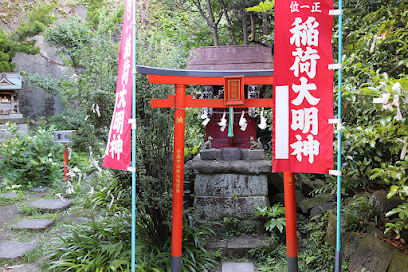
Otsuna Kompira Shrine
Kanagawa 221-0834
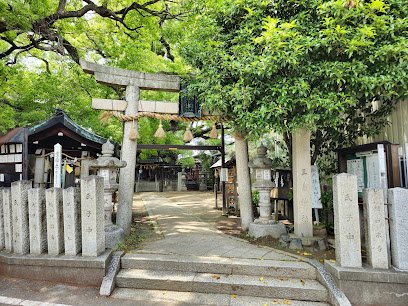
Mitsushima Shrine
Osaka 571-0015
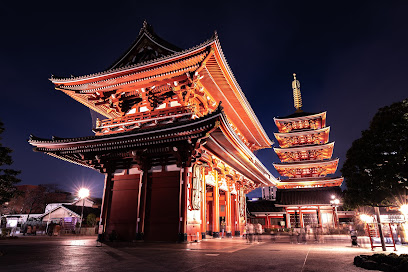
Sensō-ji
Tokyo 111-0032
Completed in 645, this temple, Tokyo's oldest, was built to honor Kannon, the goddess of m...
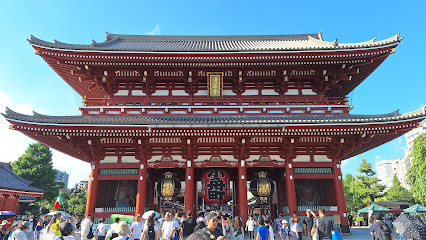
Kaminarimon
Tokyo 111-0032
A 3.9m-tall lantern greets visitors to this stately gate at the entrance to Sensō-ji templ...
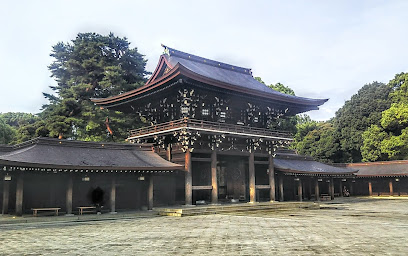
Meiji Jingu
Tokyo 151-8557
Surrounded by forest, this venerable Shinto shrine features a seasonal iris garden.

Kushida Shrine
812-0026
Founded in 757 CE, this urban site annually hosts the city's largest festival, Hakata Gion...