

Shrines & temples
Japanese shrines
OSM directory
Explore Shinto shrines mapped from OpenStreetMap — filter by prefecture, city, or denomination. For curated travel listings, see featured landmark shrines below.
1,794 shrines
春日若宮社
春日若宮社
Shiga
Shunryu-ji, located in the city of Hikone, Shiga Prefecture, is a shrine dedicated to Spring Shrine (Haru no Miyabiyashiro) and Itsunaki-no-Kami, a Shinto deity associated with fertility and prosperity. The shrine's history dates back to the Edo period, when it was established as a spring shrine for local farmers. The shrine's architecture reflects this history, with a traditional Japanese-style gongen-zukuri design featuring a large torii gate and a sacred pond.
幣殿
幣殿
Shiga
The Hakudai Shrine, located in the Hikone city of Shiga Prefecture, is a Shinto shrine dedicated to the enshrined deity Ryujin. The shrine's architecture reflects its historical importance as a major site for the construction of the Totsuka Castle, which served as the seat of power during the 16th century. The shrine's main hall was rebuilt in the Heian period, and its design continues to incorporate traditional elements from that era.
鎌足神社
鎌足神社
Shiga
Located in the city of Moriyama, Omi-Shi in Shiga Prefecture, Kamata no Okami Shrine is dedicated to the god of fishing and the sea. The shrine's main hall features a striking red tiled roof, while its garden is renowned for its beautiful autumn foliage. Visitors can stroll through the shrine grounds, which also include a picturesque pond and walking trails that follow the scenic Katsura River.
金比羅社
金比羅社
Shiga
Kinro Shrine, located in Nagahama, Shiga Prefecture, is a significant Shinto site dedicated to the god of prosperity and industry. The shrine's primary deity is Benzaiten, the goddess of beauty, music, and poetry, as well as Susanoo-no-Mikoto, the storm god and brother of Amaterasu. Kinro Shrine is renowned for its unique architectural style, which blends traditional Shinto elements with Edo-period influences. Visitors can experience the shrine's serene atmosphere while admiring its beautiful garden and tranquil pond.
奥田神社
奥田神社
Shiga
奥田神社 is a Shinto shrine located in the town of Katsuyama, Shiga Prefecture. The shrine is dedicated to the deity Okuninushi, known as 'the god who brings back life' and is revered for its role in agriculture and fertility. Visitors can see the iconic wooden torii gate and explore the serene gardens, which are especially beautiful during spring.
野坂嶽権現
野坂嶽権現
Shiga
Located in the Nagahama area of Shiga Prefecture, Nōsaka-san Kōen is a historic Shinto shrine dedicated to Inari Ōkami, the patron kami of rice, industry, and commerce. The shrine's architecture reflects traditional Japanese styles, with a main hall featuring a characteristic haiden (main shrine) and a unique torii gate. Visitors can explore the shrine's grounds, which include a sacred grove and a statue of Inari Ōkami in a rustic wooden framework.
大荒比古神社
大荒比古神社
Shiga
Located in the city of Nagahama, Omiwa Shrine is dedicated to the kami Ōharagitsune, a serpent deity believed to have the power to grant longevity and good health. The shrine's architecture reflects its Heian period origins, with a main hall constructed using cedar wood from Mount Haku. Visitors can explore the shrine's traditional buildings, including the main hall, torii gate, and honden, which houses Ōharagitsune. The shrine is famous for its beautiful gardens, seasonal festivals, and traditional performances.
鞆結神社
鞆結神社
Shiga
Located in the heart of Lake Biwa's scenic area, Omi-jojigoku Shrine is dedicated to the kami Yata-no-kami, patron deity of the region and protector of travelers. The shrine's architecture reflects its historical ties to the Edo period, with a traditional Japanese-style gate and a serene garden. Visitors can explore the shrine grounds, which feature several ponds and walking paths, offering stunning views of Lake Biwa.
津嶋神社
津嶋神社
Shiga
Tsushima Shrine, located in the city of Omiya, Shiga Prefecture, is a historic Shinto shrine dedicated to the sea god Tsushima Okami. The shrine's architecture reflects its location on the coast and its connection to the ocean. Visitors can explore the shrine's main hall, which features a wooden torii gate and a vermilion-tiled roof, typical of traditional Japanese buildings in this region. The shrine is also known for its beautiful gardens and scenic coastal views.
地蔵
地蔵
Shiga
Located in the city of Nagahama, Land of Treasure Shrine is a historic Shinto shrine dedicated to the worship of the god of prosperity and good fortune, Benzaiten. Built in 1694, the shrine features a unique architecture that reflects the Edo period style. Visitors can explore the shrine's serene gardens, ornate torii gates, and traditional shrines buildings.
後月輪東山稜・後月輪東北稜 手水舎
後月輪東山稜・後月輪東北稜 手水舎
Shiga
Located in the city of Echizen, Shiga Prefecture, Hyouga Rin Tozan Inari is a Shinto shrine that enshrines the god of rice, prosperity, and good fortune. The shrine is known for its unique architectural style, which combines traditional Japanese design with modern elements. Visitors can experience the peaceful atmosphere of the shrine by walking through the forested grounds, visiting the beautiful gardens, and praying at the torii gate.
御霊神社
御霊神社
Shiga
Located in the heart of Shiga Prefecture, Ōmi-ya Shrine is a revered Shinto site dedicated to the worship of Ōmi-Tsukiyomi, the kami of the sea and fertility. This ancient shrine has been an integral part of the local community for centuries, with its architecture reflecting the unique regional style found in the Ōmi region. Visitors can explore the shrine's tranquil gardens, admire the traditional torii gate, and experience the rich cultural heritage of this special place.
長谷八幡宮
長谷八幡宮
Shiga
長谷八幡宮 Shrine is a Shinto shrine located in Echizen, Fukui City, Shiga Prefecture, and was previously known as 長谷八幡神社. The shrine is dedicated to the Shinto god of war, Hachiman Tenjin, who is revered by samurai throughout Japan. Long-standing connections between the shrine and local warriors have given rise to several important festivals held annually at the site. Visitors can explore the historic Hachimantai, a wooden bridge built in 1872, which is believed to be the original construction. The shrine also houses relics from the 10th-century Heian period.
蛭子神社
蛭子神社
Shiga
Located in the city of Otsu, Shiga Prefecture, Fushimi Inari Shrine is one of the most famous Shinto shrines in Japan, known for its thousands of vermilion torii gates forming a tunnel up the mountain. The shrine is dedicated to the Shinto god Inari Okami, patron deity of rice, industry, and fertility.
北白川天神宮
北白川天神宮
Shiga
Located in the city of Koka, Shiga Prefecture, North White River Shrine (北白川天神宮) is a sacred site dedicated to the Kami of the northern part of Lake Biwa. The shrine's architecture reflects its historical significance as a major stopping point for travelers on the Nakasendo road during the Edo period. The shrine's design and layout are influenced by traditional Japanese Shintoism, with a focus on harmony between nature and human settlement.
御所八幡宮
御所八幡宮
Shiga
御所八幡宮, located in Hikone City, Shiga Prefecture, is one of Japan's most iconic and historic Shinto shrines. Dedicated to the god of fortune, prosperity, and good luck, Sugawara no Michizane, it has played a significant role in the region's spiritual and cultural development. The shrine's name '八幡' refers to its association with the eight-horsed mythical creature Hachi-nikudo, symbolizing power and blessings.
河原町大教会
河原町大教会
Shiga
River Town Great Church is a Shinto shrine located in the heart of River Town, a historic district in the city of Katsuyama, Shiga Prefecture. The shrine is dedicated to the kami (spirits) that are believed to inhabit the nearby Katsuyama River and its surroundings. The shrine's architecture reflects the traditional style of Japanese temples, with a large wooden gate and a hall covered in paper lanterns. Visitors can explore the shrine grounds, which include several small shrines dedicated to various regional deities.
文子天満宮
文子天満宮
Shiga
Katsurahama Shrine, located in the city of Katsura in Shiga Prefecture, is a significant Shinto shrine dedicated to the goddess of fertility and prosperity, Amenomono no Okami. The shrine's main hall is decorated with traditional Japanese architecture, featuring a distinctive gable roof. Visitors can enjoy stunning views of Lake Biwa, Japan's largest freshwater lake, from the shrine's grounds.
小松天満宮
小松天満宮
Shiga
Small but serene Minamigawa Riverfront Shrine dedicated to the Shiba no Okami, a lesser-known kami associated with local rivers and streams. The shrine's tranquil atmosphere makes it an ideal spot for nature lovers and photographers. Its unique architecture reflects traditional Japanese design, with a focus on natural materials and harmonious proportions.
白太大社
白太大社
Shiga
Located in the town of Hikone, Shiga Prefecture, White Tiger Temple is a Shinto shrine dedicated to the worship of the Ryujin, or 'Dragon God'. The shrine's name 'Kuromon no Mikage' roughly translates to 'Shadow of the Black Cat', but it has long been known by its current name. With origins dating back to 711 AD, White Tiger Temple is one of Japan's oldest Shinto shrines and a testament to the country's rich cultural heritage.
八幡神社
八幡神社
Shiga
Located in the city of Omiya, Shiga Prefecture, Eight Horseshoe Shrine is one of Japan's most famous Shinto shrines dedicated to the deity Inari Okami, known as the patron god of fertility, rice, and industry. The shrine's unique architecture features a massive torii gate adorned with eight curved hoods resembling horseshoes, which gives the shrine its name.
猿田彦神社
猿田彦神社
Shiga
The 猿田彦神社, or Sakahama Hikoboshi Shrine, is a Shinto shrine located in the town of Sado, Shiga Prefecture. Dedicated to the god Hikoboshi, who is said to rule over the crossing of souls between the world of the living and the afterlife, this shrine is famous for its beautiful vermilion torii gate and ancient temple buildings. The shrine's architecture reflects the Heian period style, with a main hall constructed in 1724 during the Edo period.
岩本稲荷神社
岩本稲荷神社
Shiga
Located in the town of Nagahama, Shiga Prefecture, Ryogoku Inari Shrine is a Shinto shrine dedicated to the deity Inari Okami, patron of rice and industry. The shrine's architecture is characteristic of Edo-era Shinto shrines, with a vermilion torii gate and a five-story pagoda. Visitors can walk through the forested grounds and admire the beautiful autumn foliage. During the annual Inari Festival in October, locals perform traditional dances and offer food to the kami.
松尾神社
松尾神社
Shiga
Located in the city of Echizen, Shiga Prefecture, Matsuo Taisha is one of Japan's most famous Shinto shrines dedicated to Emperor Ojin, a legendary emperor who ruled from 270 AD to 310 AD. The shrine's impressive main hall was rebuilt in 1638 during the Edo period, and its sacred trees are believed to be over 1,000 years old. Visitors can explore the shrine's museum, which houses an extensive collection of artifacts related to Matsuo Taisha's history.
Curated shrine listings
Hand-picked shrines and temples from our landmark guide.
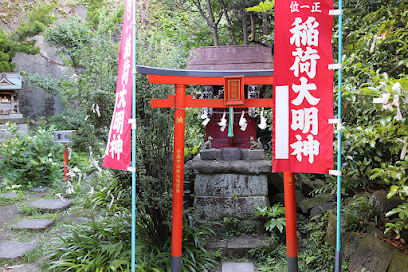
Otsuna Kompira Shrine
Kanagawa 221-0834
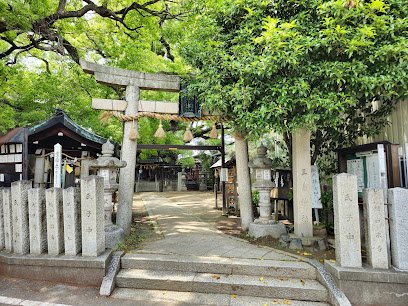
Mitsushima Shrine
Osaka 571-0015
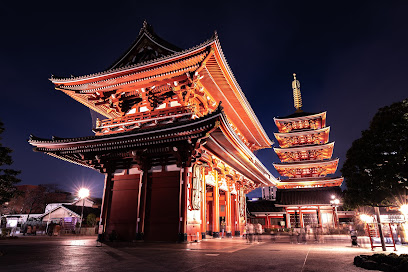
Sensō-ji
Tokyo 111-0032
Completed in 645, this temple, Tokyo's oldest, was built to honor Kannon, the goddess of m...
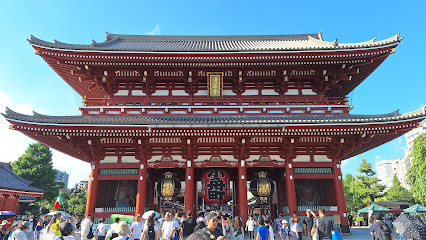
Kaminarimon
Tokyo 111-0032
A 3.9m-tall lantern greets visitors to this stately gate at the entrance to Sensō-ji templ...
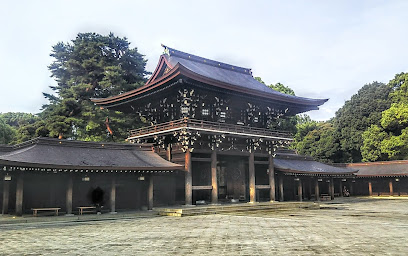
Meiji Jingu
Tokyo 151-8557
Surrounded by forest, this venerable Shinto shrine features a seasonal iris garden.

Kushida Shrine
812-0026
Founded in 757 CE, this urban site annually hosts the city's largest festival, Hakata Gion...