

Shrines & temples
Japanese shrines
OSM directory
Explore Shinto shrines mapped from OpenStreetMap — filter by prefecture, city, or denomination. For curated travel listings, see featured landmark shrines below.
343 shrines
養蚕神社
養蚕神社
Tochigi
Gyōtoku-ji Shrine, dedicated to the Spider God of Agriculture, cultivates a serene environment amidst its lush surroundings. As one of Japan's oldest shrines, it boasts architectural elements from various eras, including the Heian and Kamakura periods. This Shinto shrine honors Kami Enma-oki-no-kami, the kami believed to protect farmers and ensure bountiful harvests.
駒野神社
駒野神社
Tochigi
Located in the city of Utsunomiya, Tochigi Prefecture, Takeko-yama Shrine is one of Japan's oldest shrines and is dedicated to the deities of the Yatagarasu, a mythical three-tailed fox, as well as Takeko, a famous female samurai. The shrine's history dates back to 712 AD when it was established during the Asuka period. In addition to its historical significance, the shrine features traditional Shinto architecture and is surrounded by beautiful natural scenery.
水神神社
水神神社
Tochigi
Located in the scenic town of Nikko, Tochigi Prefecture, Mizukuni Shrine is a serene Shinto sanctuary dedicated to the Water God (Mizu no kami) and other regional deities. Built during the Kamakura period (1185-1333), this shrine showcases traditional Japanese architecture with a distinctive blend of wooden and stone structures. The shrine's design is influenced by the nearby Toshogu Shrine, another UNESCO World Heritage Site in Nikko.
白山神社
白山神社
Tochigi
Located in the mountains of Tochigi Prefecture, White Mountain Shrine is a sacred site dedicated to the worship of the Shinto god of agriculture and fertility, Ryujin, as well as the sea god, Ryugu. The shrine's architecture reflects its rural setting, with a traditional Japanese-style hall surrounded by lush greenery. Visitors can enjoy stunning views of the surrounding mountains from the shrine's grounds.
只上神社
只上神社
Tochigi
Located in the Tochigi Prefecture, only上神社 is a Shinto shrine dedicated to the god of medicine and fertility. The shrine's name suggests a connection to the heavenly realm, but its primary kami is unknown without further research.
赤城神社
赤城神社
Tochigi
Located in the foothills of the Nikko National Park, Akakawa Shrine is a Shinto temple dedicated to the kami of the red-cedar tree and the mountain spirit of Akakawa-yama. The shrine complex features traditional Japanese architecture with a striking red-painted torii gate and several wooden structures dating back to the 17th century.
唯神社
唯神社
Tochigi
Unique Shinmei Shrine in Tochigi Prefecture is dedicated to the Shinto god of good fortune, prosperity, and longevity, Shinmei Ōkami. This shrine is notable for its beautiful garden and historic architecture dating back to the Edo period. Visitors can walk through the serene grounds, explore the traditional Japanese-style main hall, and enjoy a peaceful atmosphere.
玉取神社
玉取神社
Tochigi
Tatsuta-jinja Shrine, located in Utsunomiya City, Tochigi Prefecture, is dedicated to the Shinto god of rice and prosperity, Tatsuta-no-okami. The shrine is famous for its distinctive wooden torii gate, which serves as a symbol of good luck and fortune. Visitors can experience the traditional Japanese culture by participating in rituals, such as purification ceremonies and prayers for blessings.
神社
神社
Tochigi
Located in the heart of Tochigi Prefecture, this Shinto shrine is dedicated to the well-being and prosperity of its community. The shrine's architecture reflects traditional Japanese design, with a simple yet elegant wooden structure adorned with vibrant vermilion accents. As one of the oldest shrines in the region, it offers a glimpse into the rich cultural heritage of Tochigi.
八坂神社
八坂神社
Tochigi
Located in the city of Utsunomiya, Tochigi Prefecture, Eight Saints Shrine is a Shinto shrine dedicated to the deities believed to protect travelers and artisans. The shrine's name, Yatsuragi-san, roughly translates to 'the place of eight saints' or 'the land of the eight gods.' While its origins are unclear, the shrine dates back to the Heian period (794-1185 CE), making it one of the oldest shrines in Tochigi Prefecture. The shrine's architecture is characterized by its distinctive five-story pagoda and intricate wooden carvings. Visitors can explore the shrine grounds, which include a beautiful garden and a museum showcasing traditional crafts.
熊野神社
熊野神社
Tochigi
Kūno-jinja is a Shinto shrine in Tochigi, dedicated to the sun goddess Amaterasu Ōmikami. The shrine complex dates back to the 7th century and features a unique wooden hall known as the 'Shinmei-den', which houses the deity's statue. Visitors can honor the kami by making an offering of sake at the shrine's altar, while also experiencing traditional Japanese culture through performances and festivals held throughout the year.
永明寺
永明寺
Tochigi
Eihei-ji temple, also known as Eihei-in, is a Shinto shrine located in the city of Utsunomiya, Tochigi Prefecture. The main deity enshrined is Okuninushi, the kami of fertility and prosperity. In addition to Okuninushi, other deities such as Hachiman, Raijin, and Benzaiten are also enshrined at the shrine.
高龗神社
高龗神社
Tochigi
Highgate Shrine, located in the Tochigi prefecture, is a Shinto shrine dedicated to Tametora-kami, a Shinto kami believed to protect travelers and traders. The shrine's architecture is typical of the Edo period, with a large torii gate and a rectangular prayer hall. Highgate Shrine is also notable for its association with the legend of 'Aya no Umi,' a mythical sea goddess who was said to have been born from the waters of Lake Chuzenji, near Tochigi.
松尾神社
松尾神社
Tochigi
Matsuo Shrine, located in the town of Kawachi in Tochigi Prefecture, is a Shinto shrine dedicated to the kami of the forest, water, and fertility. Its origins date back to the Kamakura period (1185-1333), with the current main hall built during the Edo period (1603-1867). The shrine is famous for its beautiful autumn foliage and traditional architecture.
雀宮神社
雀宮神社
Tochigi
The Tsukino-miya Shrine is a Shinto shrine located in the town of Kinugawa, Tochigi Prefecture. Dedicated to the god of fertility and prosperity, it is one of the oldest shrines in the region. The shrine's architecture reflects its historical significance, with traditional Japanese-style buildings dating back to the Edo period. Visitors can explore the shrine's serene gardens and admire its beautiful cherry blossom trees.
根古屋神社
根古屋神社
Tochigi
Rooted in the rich cultural heritage of Tochigi Prefecture, Rootown Shrine is a Shinto sanctuary dedicated to the veneration of the divine spirits. Nestled amidst lush greenery and tranquil landscapes, the shrine stands as a testament to Japan's enduring spiritual traditions. The site is steeped with history, dating back to the 7th century when it served as a revered stopover for travelers along the ancient trade routes of the Japanese countryside.
一瓶塚稲荷神社
一瓶塚稲荷神社
Tochigi
One Bottle Tomb Uragahama Shrine, located in Tochigi Prefecture, is a Shinto shrine dedicated to the deity of sake and prosperity. The shrine's name is derived from the story of a samurai who lost his flask, or 'one bottle,' which was later discovered in the area. This legend emphasizes the shrine's connection to good fortune and abundance.
鞍掛神社
鞍掛神社
Tochigi
Located in the city of Utsunomiya, Tochigi Prefecture, 駿掛神社 (Yagisashi Shrine) is a Shinto shrine dedicated to the kami of fertility and prosperity. The shrine's name refers to the ' saddle-shaped' rocks found on its grounds, which are believed to be an ancient natural formation. Founded in 744 CE, Yagisashi Shrine has played an important role in local festivals and rituals for centuries.
富士嶽神社
富士嶽神社
Tochigi
Fujisan Shrine, located in Tochigi Prefecture, is a Shinto shrine dedicated to Fujisan, the sacred mountain deity of the Fujiwara clan. The shrine's main hall, designed in traditional Heian-style architecture, houses an image of Fujisan as a powerful and benevolent protector. The shrine's grounds feature several shrines and statues of various kami associated with Mount Fuji, including Hachiman and Oda no Imokawa. Visitors can explore the shrine's beautifully maintained gardens and walkways, offering stunning views of the surrounding landscape.
拝殿
拝殿
Tochigi
Hie Shrine, located in Tochigi Prefecture, is one of the most sacred Shinto shrines in Japan dedicated to the storm god Susanoo. As a prime example of Japanese architecture, its unique design reflects the Heian period (794-1185 CE) and features an impressive main hall. The shrine's serene surroundings and tranquil atmosphere make it a popular destination for visitors seeking peace and spiritual connection.
社務所
社務所
Tochigi
Sōbu-ji Shrine in Tochigi Prefecture is dedicated to the deity of commerce and good fortune, known as Sōbu-gami. The shrine is famous for its beautiful gardens and traditional architecture. Built in 1688 during the Edo period, it has undergone several renovations over the years while maintaining its original charm.
高龗神社
高龗神社
Tochigi
Highgate Shrine, located in the town of Nikkō in Tochigi Prefecture, is a Shinto shrine dedicated to the deity Kofuku-tsumi-gami, a kami associated with good luck and prosperity. The shrine's current structure dates back to 1864, although it is built on the site of an ancient temple that was established during the Edo period.
三騎神社
三騎神社
Tochigi
The Sankeien Shrine, located in Tochigi Prefecture, is a small Shinto shrine dedicated to the three brothers of the legendary Taira no Kiyomori, a powerful samurai leader from the Heian period. The shrine's architecture reflects traditional Japanese design, with a vermilion torii gate and wooden buildings adorned with moss and lanterns. Visitors can explore the shrine grounds, which feature several smaller shrines and temples, including the impressive Sankeien Garden.
日枝神社
日枝神社
Tochigi
Utsunomiya no Okami Shrine, also known as Nikkō Tōshō-gū's rival in the Tochigi region, Dayei-jinja is a Shinto shrine dedicated to the god of the rice fields and agriculture. Located in Utsunomiya city, it is famous for its beautiful architecture and scenic surroundings. The shrine was established in 718 CE during the Nara period. It boasts a unique architectural style that blends traditional and modern elements. Visitors can enjoy the stunning views of the surrounding mountains and lakes.
Curated shrine listings
Hand-picked shrines and temples from our landmark guide.
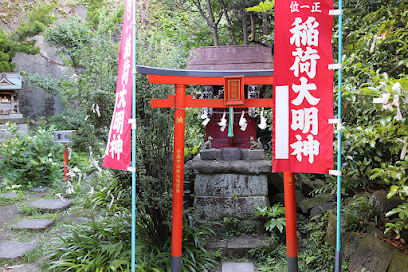
Otsuna Kompira Shrine
Kanagawa 221-0834
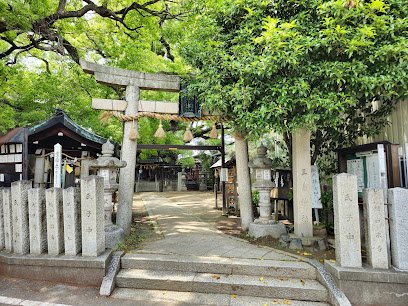
Mitsushima Shrine
Osaka 571-0015
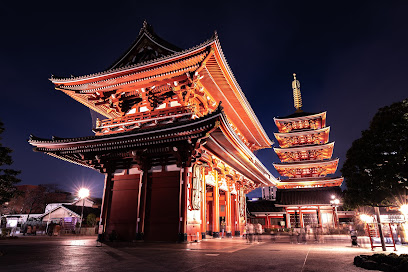
Sensō-ji
Tokyo 111-0032
Completed in 645, this temple, Tokyo's oldest, was built to honor Kannon, the goddess of m...
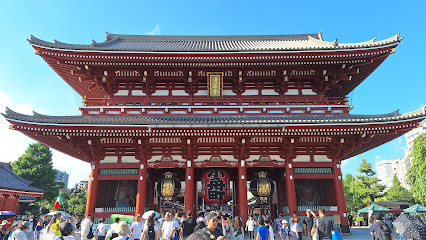
Kaminarimon
Tokyo 111-0032
A 3.9m-tall lantern greets visitors to this stately gate at the entrance to Sensō-ji templ...
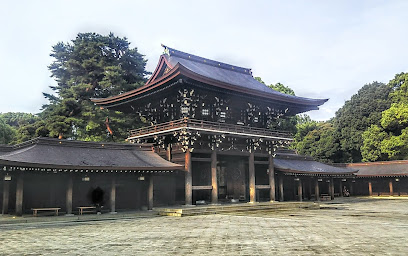
Meiji Jingu
Tokyo 151-8557
Surrounded by forest, this venerable Shinto shrine features a seasonal iris garden.

Kushida Shrine
812-0026
Founded in 757 CE, this urban site annually hosts the city's largest festival, Hakata Gion...