

Shrines & temples
Japanese shrines
OSM directory
Explore Shinto shrines mapped from OpenStreetMap — filter by prefecture, city, or denomination. For curated travel listings, see featured landmark shrines below.
1,875 shrines
Sobataka Shrine
蘇羽鷹神社
Ibaraki
Sobataka Shrine, located in the picturesque town of Kaiho in Ibaraki Prefecture, is dedicated to the Shinto deity of prosperity and longevity, Sobataka. The shrine's architecture reflects the traditional style of a rural Japanese temple, with a wooden torii gate and a tiled roof. According to local legend, Sobataka is said to have brought good fortune to the town by defeating a group of bandits in battle. Visitors can explore the shrine's tranquil grounds and participate in festivals held throughout the year, including the Spring Equinox Festival. The shrine's history dates back to the Edo period, with records of its existence dating back to 1629. During this time, it was an important center for Shinto worship and a popular destination for pilgrims seeking good fortune. Today, Sobataka Shrine remains an important cultural landmark in Ibaraki Prefecture, attracting visitors from all over Japan who seek to experience the traditional beauty and tranquility of rural Japanese life.
Soga Brothers Shrine
曽我兄弟ノ宮
Ibaraki
The Soga Brothers Shrine, located in Ibaraki Prefecture, is a Shinto shrine dedicated to the legendary brothers Soga no Iruka and Soga no Kunihira, who played a pivotal role in Japanese history by assassinating Fūma no Ōe, a powerful warlord. The shrine is renowned for its unique architectural style, which blends traditional and modern elements. Visitors can explore the serene gardens and tranquil atmosphere, making it an ideal destination for those seeking spiritual reflection.
Soka Matsubara Danchi Mimachi Shrine
草加松原団地三町稲荷神社
Ibaraki
Soka Matsubara Danchi Mimachi Shrine is a Shinto shrine located in Ibaraki Prefecture, dedicated to the enshrined deity Hachiman, the god of war and patron deity of scholars. The shrine's history dates back to the Edo period, with its origins tracing to a humble temple built in the 17th century. Over time, the shrine has undergone several transformations and expansions, including the addition of new buildings during the Meiji period.
Somei Inari-jinja Shrine
染井稲荷神社
Ibaraki
Somei Inari-jinja Shrine is a Shinto shrine located in the town of Dainoura, Ibaraki Prefecture, dedicated to the worship of Inari Okami, the kami of rice and fertility. The shrine's name, Somei Inari, is derived from the Japanese word for 'purple crested jasper,' which was believed to be a symbol of good fortune and prosperity. Visitors can explore the shrine's traditional buildings, including the honden, which features a unique design inspired by ancient Buddhist temple architecture.
Sonsya Nyotai Jinja Haiden
村社女體神社拝殿
Ibaraki
Located in Ibaraki Prefecture, Sonsya Nyotai Jinja Haiden is a historic Shinto shrine dedicated to the kami of fertility and women's health. The shrine's main hall is a traditional-style haiden, featuring a tiled roof and wooden pillars adorned with carvings of kanji characters. Visitors can explore the shrine grounds, which include a sacred well and a shrine dedicated to the goddess Nyotai, said to protect women in childbirth. The shrine's architecture and layout are characteristic of rural Shinto shrines in Japan.
Sonsya Nyotai Jinja Honden
村社女體神社本殿
Ibaraki
Sonsya Nyotai Jinja Honden, located in the heart of Ibaraki Prefecture, is a Shinto shrine dedicated to the enshrined deity Nyotai, a kami associated with women's fertility and childbirth. The shrine's architecture reflects its historical significance, featuring traditional Japanese designs with a unique blend of architectural styles. As one of the oldest shrines in the region, Sonsya Nyotai Jinja Honden offers visitors a glimpse into Japan's rich cultural heritage. Built in 1670, the shrine has undergone significant renovations and expansions over the centuries, showcasing its enduring importance as a sacred site.
Suga Shrine
須賀神社
Ibaraki
Suga Shrine, located in the town of Daigo in Ibaraki Prefecture, is a Shinto shrine dedicated to the god of fishing and agriculture, Ōkami. According to local legend, the shrine was established by the 10th-century samurai lord, Mōri Motonari's grandson, in memory of his ancestor who drowned at sea. The shrine's architecture reflects its historical importance as a regional center for trade and commerce during the Edo period.
Suga-jinja Shrine
須賀神社
Ibaraki
Suga-jinja Shrine is a Shinto shrine located in the town of Ashikaga, Ibaraki Prefecture. The shrine is dedicated to the kami Soga-no-Okami, who is believed to have been involved in the founding of the Soga clan, a powerful and influential family in Japanese history. The shrine's architecture reflects its historical significance, with a traditional Heian-style main hall. Visitors can explore the shrine grounds, which feature a beautiful garden and a museum showcasing the history of the shrine.
Sui Jinja
水神社
Ibaraki
Sui Jinja Shrine in Ibaraki Prefecture is a Shinto shrine dedicated to the water deity, Ryujin. As one of Japan's oldest shrines, it has been an important center for water management and agricultural practices in the region. The shrine's architecture reflects its history as a sacred site for fishermen and farmers.
Suishingu
水神宮
Ibaraki
Suishingu Shrine, located in the scenic town of Hitachi, Ibaraki Prefecture, is dedicated to the god of water and fertility, Su-Gan. The shrine's architecture reflects its connection to the nearby ocean, with a prominent torii gate adorned with ocean-blue paint. Visitors can explore the peaceful gardens and grounds, taking time to appreciate the serene atmosphere and offerings made to the kami.
Sukumoduka Inari Shrine
すくもづか稲荷神社
Ibaraki
Sukumoduka Inari Shrine is a Shinto shrine located in the city of Sakurako, Ibaraki Prefecture, dedicated to the primary kami Inari Okami. The shrine's name 'Sukumoduka' is derived from the nearby Sukumo River. Known for its beautiful vermilion torii gate and tranquil surroundings, Sukumoduka Inari Shrine offers a serene escape from the city's hustle and bustle.
Sumidagawa-jinja Shrine
隅田川神社
Ibaraki
Located in the scenic town of Mito, Ibaraki Prefecture, Sumidagawa-jinja Shrine is a serene Shinto temple dedicated to the kami of the Sumida River. With its tranquil gardens and traditional architecture, the shrine offers a peaceful escape from the bustling city life. As one of Japan's oldest shrines, it has been an important cultural and spiritual landmark for centuries.
Susanoo Shrine
素盞雄神社
Ibaraki
Susanoo Shrine, located in Ibaraki Prefecture, is a Shinto shrine dedicated to the god of storms and fertility, Susanoo no Mikoto. The shrine's history dates back to the Heian period (794-1185 CE), making it one of the oldest shrines in Japan. Its architectural style reflects the traditional Japanese temple design, with a wooden torii gate and a large vermillion gate. The shrine is also famous for its beautiful gardens and traditional Japanese architecture.
Suwa Shrine
諏訪神社
Ibaraki
Suwa Shrine, located in Ibaraki Prefecture, is a Shinto shrine dedicated to the kami of the same name. The shrine is known for its distinctive thatched roof and rustic charm, which reflect traditional Japanese architecture. As one of the oldest shrines in Japan, Suwa Shrine has a rich history dating back to the Heian period (794-1185 CE).
Suwa Shrine
諏訪神社
Ibaraki
Suwa Shrine, located in Ibaraki Prefecture, is a Shinto shrine dedicated to the kami of the same name. The shrine is believed to have been established during the Heian period (794-1185 CE) and is famous for its beautiful architecture and stunning natural surroundings. The shrine's primary deity, Suwa no Okami, is the patron god of agriculture, fertility, and prosperity.
Suwa Shrine
Ibaraki
Located in the town of Tomobe, Suwa Shrine is one of Japan's oldest Shinto shrines, dedicated to the deity Susanoo-no-Mikoto. The shrine's architecture reflects a mix of traditional and modern elements, with its main hall featuring a unique hipped roof. Visitors can explore the shrine's grounds, which include several beautiful gardens and a historic gate known as 'fusenmon.'
Suwa-jinja Shrine
六木諏訪神社
Ibaraki
Suwa-jinja Shrine is a Shinto shrine located in Ibaraki Prefecture, dedicated to the worship of the kami, Suwa-no-kamisato-miko, and other deities associated with the sacred grove, known as 'roku-mokuzan', which translates to 'six wood trees'. The shrine's architecture reflects its history as a shrine from the early Edo period. Its primary purpose is to ensure the fertility of the land, prosperity, and good fortune for locals.
Tabata Hachiman Shrine
田端八幡神社
Ibaraki
Tabata Hachiman Shrine is a Shinto shrine dedicated to the deity Hachiman, located in the town of Tabata, Ibaraki Prefecture. The shrine is known for its unique architectural style and historical significance. The shrine was originally built during the Kamakura period (1185-1333) as a Tōbutsu-ryō shrine, featuring a large statue of Hachiman, but has undergone several renovations over the centuries. In the Edo period (1603-1867), the shrine underwent significant reconstruction and expansion under the control of the local lord, resulting in its current complex layout. Today, visitors can explore the shrine's historic buildings, including the Honden main hall, which houses a large wooden statue of Hachiman, as well as several smaller shrines and temples dedicated to other kami.
Tada Asahi Mori-jinja Shrine
多田朝日森神社
Ibaraki
Located in the scenic coastal town of Kashima, Ibaraki Prefecture, Tada Asahi Mori-jinja Shrine is a tranquil Shinto temple dedicated to the sun goddess Amaterasu and the forest spirit, Asahi. The shrine's beautiful architecture blends traditional Japanese design with modern elements, creating a serene oasis amidst the bustling coastal city. A popular destination for locals and tourists alike, the shrine offers a peaceful escape from the hustle and bustle of everyday life.
Takagi shrine
高木神社
Ibaraki
Takagi Shrine, located in Ibaraki Prefecture, is a Shinto shrine dedicated to the deity Inari Okami. The shrine is famous for its beautiful gardens and traditional architecture, which reflect the region's rich cultural heritage. Visitors can explore the shrine's tranquil grounds, admire the ornate torii gates, and experience the serene atmosphere of this sacred site.
Takao Jinja
高靇神社
Ibaraki
Takao Jinja is a Shinto shrine located in the Japanese prefecture of Ibaraki, dedicated to the deity Takao Okami. The shrine is known for its beautiful architecture and historic significance as a site of the famous 'Tōkaidō', an old road connecting Edo (modern-day Tokyo) to Kyoto. Visitors can explore the shrine's traditional buildings, including the Haiden main hall and the Honden main shrine. The shrine also hosts various festivals throughout the year, such as the Spring Festival and the Autumn Festival.
Takatsuka Hachiman Shrine
高塚八幡神社
Ibaraki
Located in the Choso region of Ibaraki Prefecture, Takatsuka Hachiman Shrine is dedicated to the deity Hachiman Okami, the patron kami of samurai and warfare. The shrine's architecture reflects its origins as a temple during the Heian period, with a unique blend of Buddhist and Shinto elements. Visitors can explore the shrine's historic torii gate and traditional wooden buildings, while also learning about the history and mythology surrounding Hachiman Okami.
Takifudo Shrine
瀧不動
Ibaraki
Takifudo Shrine is a Shinto shrine located in the town of Katsurao, Ibaraki Prefecture. Dedicated to the deity of rice and prosperity, Takifudo Shrine has been an important site for the local community. The shrine's architecture reflects the traditional style of Jomon-era Japan, with a main hall and several smaller shrines dedicated to various kami. Visitors can experience the tranquil atmosphere of the shrine's gardens and grounds.
Takinogawa Hachiman-jinja Shrine
瀧野川八幡神社
Ibaraki
Located in the scenic prefecture of Ibaraki, Takinogawa Hachiman-jinja Shrine is a revered Shinto site dedicated to the kami Hachiman Ōkami, known as the god of war and patron deity of the Imperial Court. The shrine's architecture reflects the Heian period, with a five-story pagoda and a traditional Honden main hall. Takinogawa Hachiman-jinja Shrine is deeply connected to regional folklore, particularly the legend of Tama no Okami, a mythical god who was said to reside in the nearby Takinogawa River.
Curated shrine listings
Hand-picked shrines and temples from our landmark guide.
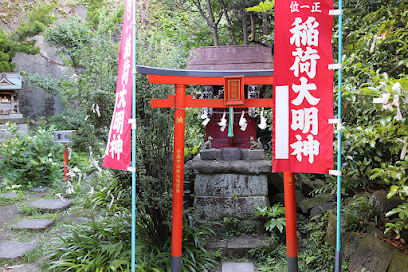
Otsuna Kompira Shrine
Kanagawa 221-0834
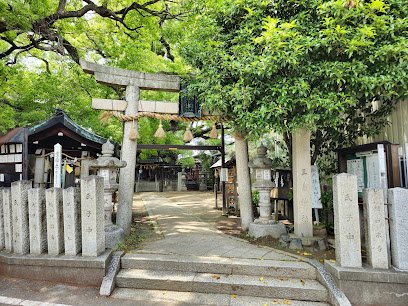
Mitsushima Shrine
Osaka 571-0015
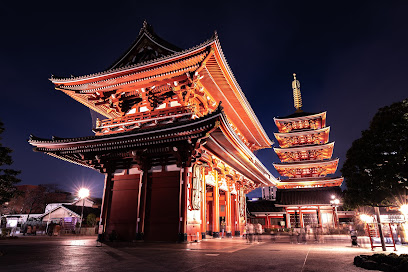
Sensō-ji
Tokyo 111-0032
Completed in 645, this temple, Tokyo's oldest, was built to honor Kannon, the goddess of m...
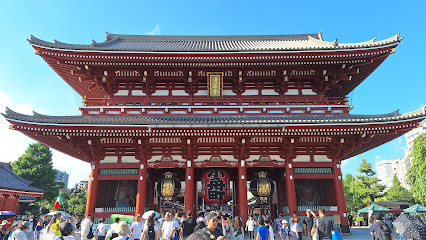
Kaminarimon
Tokyo 111-0032
A 3.9m-tall lantern greets visitors to this stately gate at the entrance to Sensō-ji templ...
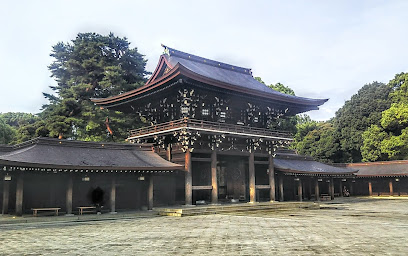
Meiji Jingu
Tokyo 151-8557
Surrounded by forest, this venerable Shinto shrine features a seasonal iris garden.

Kushida Shrine
812-0026
Founded in 757 CE, this urban site annually hosts the city's largest festival, Hakata Gion...