

Shrines & temples
Japanese shrines
OSM directory
Explore Shinto shrines mapped from OpenStreetMap — filter by prefecture, city, or denomination. For curated travel listings, see featured landmark shrines below.
1,875 shrines
Sakai Inari Jinja
総鎮守境稲荷社
Ibaraki
Located in the city of Sakai, Ibaraki Prefecture, the Sakai Inari Jinja is a Shinto shrine dedicated to Inari Okami, the kami of rice, fertility, and prosperity. The shrine is known for its unique architectural style, which combines traditional Japanese design with modern elements. Visitors can explore the shrine's many shrines and halls, including the famous Inari-kannon shrine within the grounds.
Sakaki-jinja Shrine
榊神社
Ibaraki · 台東区
Sakaki-jinja Shrine is a Shinto shrine located in the heart of Ibaraki Prefecture, dedicated to Sakaki, the kami of longevity and protection. The shrine's architecture reflects its historical significance as a major power center during the Edo period. Visitors can explore the shrine's tranquil grounds, featuring beautiful gardens and traditional buildings. The shrine is also famous for its annual autumn festival, which honors the harvest season.
Sakura Inari Shrine
櫻稲荷神社
Ibaraki
Located in the town of Hitachi-Odawara in Ibaraki Prefecture, Sakura Inari Shrine is a Shinto temple dedicated to the worship of Inari Okami, the kami of rice and fertility. The shrine's name 'Sakura' translates to cherry blossom, reflecting its beautiful gardens and annual Cherry Blossom Festival. The shrine's architecture reflects traditional Japanese design with a main hall and several smaller shrines, including the Enma-den, dedicated to the god of hell. Visitors can explore the shrine grounds, which include a sacred stone path leading to the torii gate, as well as a museum showcasing Shinto artifacts.
Sanko-Inari Shrine
三光稲荷神社
Ibaraki
Sanko-Inari Shrine is a Shinto shrine located in the town of Tomobe, Ibaraki Prefecture, dedicated to Inari Okami, the deity of rice and prosperity. The shrine is renowned for its beautiful gardens, traditional architecture, and historic significance as an important stop along the Nakasendō pilgrimage route. Visitors can explore the shrine's serene surroundings, enjoy local cuisine, and experience the unique culture of the region.
Sasazuka Saegusa Shrine
笹塚日枝神社
Ibaraki
Located in the historic town of Sasazuka, Ibaraki Prefecture, Sasazuka Saegusa Shrine is a Shinto shrine dedicated to the god of learning and knowledge, Saegusa no Okami. The shrine's current structure dates back to the Edo period, with renovations made during the Heian period. Visitors can explore the shrine's peaceful gardens, which feature traditional Japanese landscaping elements such as moss-covered stones and carefully pruned trees. During the spring festival, the shrine is adorned with vibrant flowers and paper lanterns, creating a breathtakingly beautiful scene.
Sayama-jinja Shrine
佐山神社
Ibaraki
Sayama-jinja Shrine is a Shinto shrine located in the town of Kashima, Ibaraki Prefecture, Japan. The shrine is dedicated to the kami of Sayama Mountains and is famous for its beautiful gardens and traditional architecture. Founded in 1558 during the Azuchi-Momoyama period, the shrine has played an important role in the region's history and culture. Visitors can experience the serene atmosphere of the shrine's gardens, which feature a variety of plants and flowers typical of the region.
Seki-jinja Shrine (Hair Mound)
毛塚
Ibaraki
Seki-jinja Shrine, located in Ibaraki Prefecture, is dedicated to the enshrined deity Inari Okami, patron of fertility and prosperity. The shrine's name 'Hair Mound' refers to a nearby ancient burial mound. The shrine's architecture reflects traditional Japanese design, with a large torii gate and wooden buildings. Visitors can explore the shrine's gardens and temples, which are particularly beautiful during cherry blossom season.
Sengen Shrine
浅間神社
Ibaraki
Located in the city of Daigo, Ibaraki Prefecture, Sengen Shrine is a Shinto temple dedicated to the god of prosperity and good fortune. The shrine's name 'Sengen' means 'wellspring of blessings' in Japanese. It is one of the oldest shrines in Japan, with records dating back to 741 CE during the Nara period.
Sengen-jinja Shrine
大瀬浅間神社
Ibaraki
Located in the town of Katsuragu, Ibaraki Prefecture, Sengen-jinja Shrine is a Shinto shrine dedicated to the god of war and fortune, Hachiman. The shrine is famous for its beautiful architecture, which reflects the Heian period style. Visitors can explore the shrine's main hall, which features a 7-story pagoda and a large bell. The shrine also hosts various festivals throughout the year, including the Sengen Festival in May, which celebrates the shrine's patron deity.
Senju Hikawa-jinja Shrine
千住氷川神社
Ibaraki
Located in the Ibaraki prefecture, Senju Hikawa-jinja Shrine is dedicated to the protection of residents and travelers on the Nakasendō pilgrimage route. Founded during the Nara period (710-794 CE), the shrine has been a place of refuge for weary travelers seeking safety from bandits and wild animals. The shrine's architecture reflects traditional Japanese design, with a simple yet imposing torii gate and a large hall dedicated to the enshrined deity.
Senju Honhikawa-jinja Shrine
千住本氷川神社
Ibaraki
Located in the town of Ibaraki, Ibaraki Prefecture, Senju Honhikawa-jinja Shrine is a Shinto shrine dedicated to the kami Inari Okami and Enma-hiko. The shrine's name, 'Senju', meaning 'thousand blessings,' reflects its historical significance as a place of refuge for weary travelers. The shrine's architecture is characterized by a simple yet elegant design, featuring a vermilion torii gate that welcomes visitors to the sacred precincts. Inari Okami, the primary deity enshrined at the shrine, is revered as a patron of agriculture and fertility.
Senju-jinja Shrine
千住神社
Ibaraki
Senju-jinja Shrine, located in Ibaraki Prefecture, is a Shinto shrine dedicated to the deity Inari Okami, the patron of rice, industry, and fertility. The shrine's architecture reflects its historical significance as a key stopover for travelers on the ancient road that connected the provinces of Hitachi and Mikawa. The shrine's main hall, Toshogu-style, is adorned with ornate carvings and paintings depicting scenes from Japanese mythology. Visitors can explore the shrine's tranquil gardens and admire the vibrant autumn foliage during the autumn leaf festival.
Shibamata Hachiman Shrine
柴又八幡神社
Ibaraki
Located in Ibaraki Prefecture, Shibamata Hachiman Shrine is one of Japan's most famous and influential shrines, dedicated to the god of war, Hachiman. With its rich history dating back to the Nara period (718-794 CE), this shrine has played a significant role in Japanese culture and literature for centuries. The shrine's architecture reflects its historical significance, featuring traditional Japanese-style buildings and gardens.
Shichifuku Inari-jinja Shrine
七福稲荷神社
Ibaraki
Located in the city of Hitachi-ozuka, Ibaraki Prefecture, Shichifuku Inari-jinja Shrine is a Shinto shrine dedicated to Inari Okami, the kami of rice and industry. The shrine's name 'Shichifuku' refers to its connection with seven good luck charms or lucky symbols: rice ball, bamboo shoots, oranges, lotus flowers, grapes, pineapples, and pears. Visitors can explore the shrine's beautiful gardens, torii gates, and shops selling traditional Japanese sweets and souvenirs.
Shima Hikawa Shrine
島氷川神社
Ibaraki
Located in the scenic town of Kaiwa, Ibaraki Prefecture, Shima Hikawa Shrine is a serene Shinto oasis that honors the kami of the sea and ice. Dedicated to the enshrined deity Hachiman, the shrine is famous for its stunning architecture and beautiful surroundings, including the nearby Kawagoe Lake. Visitors can explore the shrine's peaceful grounds, admire traditional Japanese gardens, and experience the tranquility of this sacred site.
Shinmei Shrine
小根本神明神社
Ibaraki
Shinmei Shrine is a Shinto shrine located in the city of Hitachi, Ibaraki Prefecture, and is dedicated to the kami of the Same River. The shrine's main hall dates back to the Heian period (794-1185 CE), although most of its current structure was rebuilt during the Edo period (1603-1867 CE). As a result, the shrine showcases a unique blend of old and new architecture. Visitors can explore the shrine grounds, which include several traditional Japanese gardens, as well as a museum displaying artifacts related to the shrine's history and mythology.
Shinmei Shrine
神明神社
Ibaraki
Located in the town of Funakotamachi, Ibaraki Prefecture, Shinmei Shrine is a historic Shinto temple dedicated to the kami Godō. The shrine's architecture reflects the traditional style of a Heian-period (794-1185 CE) torii gate and a wooden vermillion torii gate. It was originally built in 1842 as a small shrine for local worship, but its fame grew after the arrival of a sacred Amaterasu-shinmei statue from a neighboring shrine in 1884. Today, Shinmei Shrine is known for its natural beauty with a serene pond and tranquil forest surroundings.
Shinmei Shrine
神明神社
Ibaraki
Located in the town of Daigo, Ibaraki Prefecture, Shinmei Shrine is a Shinto temple that dates back to the Edo period. The shrine is dedicated to the kami of the sea and fertility, making it an important site for the local fishing community. Visitors can explore the tranquil gardens and traditional architecture, which include a unique torii gate adorned with coral and seashells.
Shinmei shrine
神明神社
Ibaraki
Located in the prefecture of Ibaraki, Shinmei Shrine is dedicated to the Shinto god Inari Okami, patron deity of rice, fertility, and prosperity. Built during the Nara period (710-794 CE), this shrine showcases traditional Japanese architecture with its vermilion torii gate and tranquil gardens. Visitors can walk through the serene grounds and experience the rich history and cultural significance of the shrine.
Shirahige Jinja
白鬚神社
Ibaraki
Located in the town of Kashima, Ibaraki Prefecture, Shirahige Jinja is a Shinto shrine dedicated to Tsukiyomi-no-Kami, the god of the moon. The shrine's name, 'Shirahige', literally means 'white hair' and is said to refer to the white hair of Tsukiyomi-no-Kami. The shrine's architecture reflects its historical significance as a major pilgrimage site during the Edo period.
Shiratama Inari Shrine
白玉稲荷神社
Ibaraki
Located in the town of Kamoto, Ibaraki Prefecture, Shiratama Inari Shrine is one of Japan's most famous Shinto shrines dedicated to Inari Okami, the kami of rice and fertility. The shrine is renowned for its impressive architecture, beautiful gardens, and stunning views of the surrounding countryside. Visitors can explore the various shrines and buildings within the complex, including the Haiden (main hall) and the Shinden (outer shrine).
Shitaya Shrine
下谷神社
Ibaraki
Located in the heart of Ibaraki Prefecture, Shitaya Shrine is a serene oasis dedicated to the worship of the kami (spirits) that inhabit the surrounding landscape. The shrine's tranquil atmosphere and rich history make it an essential destination for those seeking a deeper connection with nature and their spiritual heritage.
Shoten Shrine
聖天神社
Ibaraki
Located in the heart of Ibaraki Prefecture, Shoten Shrine is a sacred Shinto site dedicated to the worship of the god of thunder, Raijin. The shrine's architecture reflects traditional Japanese design, with a distinctive roofed hall and a serene garden filled with cherry blossom trees. Visitors can enjoy a peaceful stroll through the grounds, taking in the tranquil atmosphere and the vibrant colors of the changing seasons.
Shozoku Inari Shrine
装束稲荷神社
Ibaraki
Located in the city of Hitachi, Ibaraki Prefecture, Shozoku Inari Shrine is a small yet significant Shinto shrine dedicated to the goddess of rice, Inari Okami. The shrine's name 'Shozoku' translates to 'uniforms', which may be related to the old custom of offering new sets of clothing to the deity, symbolizing the prosperity and good fortune that comes with a fresh start. Despite its modest size, the shrine is an important cultural and historical landmark in the region, reflecting the deep-rooted traditions of rice cultivation and harvesting.
Curated shrine listings
Hand-picked shrines and temples from our landmark guide.
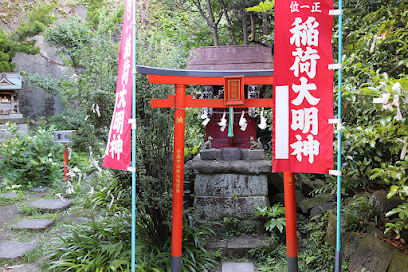
Otsuna Kompira Shrine
Kanagawa 221-0834
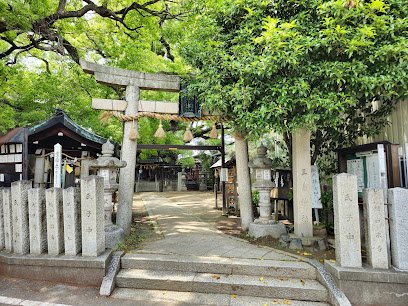
Mitsushima Shrine
Osaka 571-0015
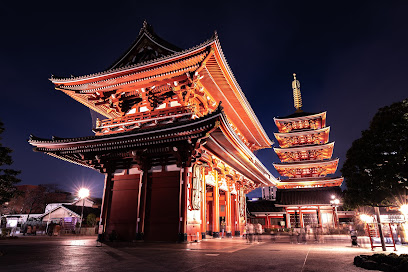
Sensō-ji
Tokyo 111-0032
Completed in 645, this temple, Tokyo's oldest, was built to honor Kannon, the goddess of m...
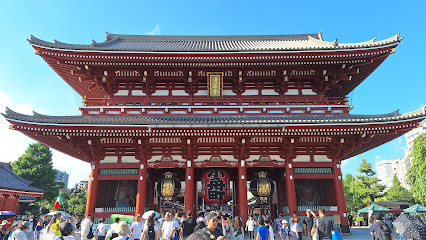
Kaminarimon
Tokyo 111-0032
A 3.9m-tall lantern greets visitors to this stately gate at the entrance to Sensō-ji templ...
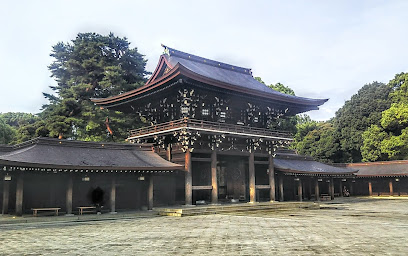
Meiji Jingu
Tokyo 151-8557
Surrounded by forest, this venerable Shinto shrine features a seasonal iris garden.

Kushida Shrine
812-0026
Founded in 757 CE, this urban site annually hosts the city's largest festival, Hakata Gion...