

Shrines & temples
Japanese shrines
OSM directory
Explore Shinto shrines mapped from OpenStreetMap — filter by prefecture, city, or denomination. For curated travel listings, see featured landmark shrines below.
1,875 shrines
Konodai Tenmangu Shrine
国府台天満宮
Ibaraki
Konodai Tenmangu Shrine is a Shinto shrine located in the Ibaraki Prefecture, dedicated to Sugawara no Michizane, a 9th-century statesman and Buddhist priest who was instrumental in unifying Japan during the Heian period. The shrine's architecture reflects the typical style of the region, with a simple yet elegant design featuring wooden buildings and a large torii gate. As one of the many Tenmangu shrines dedicated to Michizane, Konodai Tenmangu Shrine is an important cultural and historical landmark in Japan.
Konpira Shrine
金比羅神社
Ibaraki
Located in the heart of Ibaraki Prefecture, Konpira Shrine is a historic Shinto shrine dedicated to the god of good fortune and prosperity, Fujitoku no Okami. The shrine's architecture reflects its long history, with main hall built during the Heian period (794-1185 CE). Visitors can admire the beautiful gardens and traditional torii gate, adorned with paper lanterns during festive seasons.
Koroku Shrine
胡禄神社 (Koroku shrine)
Ibaraki
Located in the city of Sakurako, Ibaraki Prefecture, Koroku Shrine is a Shinto shrine dedicated to the kami Koroku, known as the 'God of the Peach Tree'. The shrine's architecture is typical of rural Japanese shrines, with a simple wooden torii gate and a single-story main hall. The shrine's grounds feature several traditional Shinto landscaping elements, including a moss-covered stone lantern and a peony-lined path.
Kosanrei shrine
皇産霊神社
Ibaraki
Kosanrei Shrine, located in Ibaraki Prefecture, is dedicated to the god of agriculture and fertility, believed to bring prosperity to farmers and villagers. The shrine's architecture reflects traditional Japanese designs, with a distinctive curved roof and wooden torii gate. Kosanrei Shrine has a long history dating back to the Heian period, making it one of the oldest shrines in the region.
Kosodate Shrine
子育神社
Ibaraki
Kosodate Shrine, located in the town of Higashiwari, Ibaraki Prefecture, is a Shinto shrine dedicated to the kami of fertility and child-rearing. The shrine's name, which roughly translates to 'Child-Rearing God Shrine', reflects its focus on supporting families with children. According to local legend, the shrine was established in the 17th century by a local daimyo (feudal lord) who sought to ensure the prosperity of his family and people. Today, Kosodate Shrine remains an important site for families seeking blessings for their children's health, happiness, and growth.
Kosuge-jinja Shrine
小菅神社
Ibaraki
Kosuge-jinja Shrine, located in Ibaraki Prefecture, is a Shinto shrine dedicated to the kami Okadai or Ōkada, the god of rice and agriculture. The shrine's architecture reflects the Heian period style, with a tiled roof and simple wooden structure. Visitors can experience the shrine's tranquility and natural beauty during cherry blossom season.
Kumano Jinja
高田熊野神社
Ibaraki · 柏市
Kumano Jinja, located in the city of Sakurakai, Ibaraki Prefecture, is a Shinto shrine dedicated to the Kumano region's prominent deity, Kumano Okami. The shrine's architecture is inspired by traditional Japanese styles from the Heian period, with a wooden main hall and imposing stone walls. Visitors can explore the shrine's grounds, which feature several smaller shrines and walking paths through forests.
Kumano Shrine
熊野神社
Ibaraki
Located in the Ibaraki Prefecture, Kumano Shrine is a Shinto temple that honors the gods of the Kumano region, known for their spiritual and cultural significance. The shrine's architecture reflects traditional Japanese designs, with a focus on simplicity and harmony with nature. As one of Japan's most revered shrines, Kumano Shrine attracts thousands of visitors each year.
Kumano Shrine
熊野神社
Ibaraki
Kumano Shrine, located in the prefecture of Ibaraki is not a traditional location for this shrine. However, Kumano is actually located in Wakayama Prefecture, and the main deity enshrined here is Sukunamikotobutsumi. The shrine is believed to have been established during the Heian period (794-1185 CE). As one of Japan's oldest Shinto shrines, it is known for its impressive architecture and historical significance. In Japanese mythology, Kumano is said to be an ancestral home of the Japanese emperors, and its sacred mountains are believed to hold spiritual power.
Kumano Shrine
熊野神社
Ibaraki
Kumano Shrine, located in Ibaraki Prefecture, is a Shinto shrine dedicated to the legendary god of wisdom and prosperity, Sanzan no kami. The shrine is one of the most prominent in Japan, attracting millions of visitors each year. Built on the site where the sacred tree 'Tenmochi' once stood, Kumano Shrine is renowned for its beautiful architecture and serene natural surroundings.
Kurihara Hikawa-jinja Shrine
栗原氷川神社
Ibaraki
Kurihara Hikawa-jinja Shrine is a Shinto shrine located in the town of Tōma, Ibaraki Prefecture. The shrine is dedicated to the deities of good harvest and fertility, with a focus on rice cultivation and agriculture. Its architecture reflects the traditional Heian-style, with a main hall constructed from wood and a distinctive tiled roof.
Kuriyama Hie Shrine
栗山日枝神社
Ibaraki
Kuriyama Hie Shrine is a Shinto shrine located in the northern part of Ibaraki Prefecture, dedicated to the deity Hie, a kami associated with fertility and prosperity. The shrine's architecture reflects its historical significance as a major site for the imperial family during the Edo period. Its main hall, Toshogu-style, features intricately carved wooden roof tiles and is adorned with vibrant vermilion paint, typical of Japanese Buddhist and Shinto traditions.
Maijima Inari Shrine
真島稲荷神社
Ibaraki
Located on a small island in the Izu Strait, Maijima Inari Shrine is one of Japan's oldest and most sacred Shinto shrines dedicated to the god of rice, fertility, and prosperity. Dedicated to Inari, the Shinto deity often depicted with multiple hands holding sake barrels, this shrine is renowned for its beautiful architecture, peaceful atmosphere, and stunning views of the surrounding waters.
Massaki Inari Shrine
松先稲荷神社
Ibaraki
Massaki Inari Shrine is a Shinto shrine located in the scenic town of Kinugawa on the shores of Lake Chuzenji, Ibaraki Prefecture. Dedicated to the worship of Inari Okami, the shrine is famous for its stunning autumn foliage and traditional architecture. Visitors can explore the intricately designed wooden gates, prayer halls, and torii gates, as well as participate in the annual Spring Festival, known as 'Shinragi' or Cherry Blossom Viewing.
Matami-jinja Shrine
又見神社
Ibaraki
Located in the coastal town of Kamakura, Matami-jinja Shrine is dedicated to Matami-no-kami, a kami associated with ships and navigation. The shrine's architecture reflects its connection to the sea, with wooden posts and a tranquil garden inspired by the natural beauty of the ocean. Matami-jinja Shrine is a popular destination for those seeking good luck and protection during sea voyages.
Meiji Shrine
明治神社
Ibaraki
Meiji Shrine is a Shinto shrine dedicated to the deified spirits of Emperor Meiji and his wife, Empress Shoken. The shrine was built in 1920 to commemorate the emperor's birthday and is located in Yoyogi Park in Tokyo, not Ibaraki as stated. It is notable for its stunning architecture and serene gardens, which evoke a sense of traditional Japanese elegance. The shrine has become an iconic symbol of Japan and a popular tourist destination.
Michiba Katori Shrine
道庭香取神社
Ibaraki
Located in the town of Mikage, Ibaraki Prefecture, Michiba Katori Shrine is a Shinto shrine dedicated to the deity of the sea, Hie (also known as Hygie). The shrine's history dates back to the Heian period (794-1185 CE), and it has been an important site for fishing communities in the region. Today, visitors can enjoy traditional Japanese architecture and stunning views of the nearby Pacific Ocean.
Mikawa Inari Shrine
三河稲荷神社
Ibaraki
Located in Ibaraki Prefecture, Mikawa Inari Shrine is a Shinto shrine dedicated to the kami of rice and prosperity. The shrine is known for its beautiful gardens and traditional architecture, which reflects the Heian period style. Visitors can explore the shrine's main hall, altars, and shrines dedicated to various regional deities, including the primary enshrined deity Inari Okami.
Mikazuki Shrine
三日月神社
Ibaraki
Mikazuki Shrine, located in the town of Kamakura in Ibaraki Prefecture, is a Shinto shrine dedicated to Mikazuki-no-kami, a god of rice and prosperity. The shrine's name refers to its association with the three days of the month (, mikazuki), when the full moon is visible in the sky. The shrine's architecture reflects the Heian period style, with a main hall built using materials from the nearby Kanto region. A unique feature of the shrine is the presence of a rare type of Japanese cedar tree known as 'Katsuragi' that is said to possess spiritual power. Visitors can experience this power by touching the trunk of the tree and making a wish.
Mimeguri Jinja
三囲神社
Ibaraki
Mimeguri Jinja, located in Ibaraki Prefecture, is a Shinto shrine dedicated to the kami of the three concentric circles. The shrine's architecture reflects its regional significance as a sacred site surrounded by rice paddies and forests. Its historical note dates back to the Edo period, with records indicating that it was built during the reign of Tokugawa Iemitsu.
Minami-Mizumoto Fuji Shrine
飯塚冨士神社
Ibaraki
Minami-Mizumoto Fuji Shrine, located in Ibaraki Prefecture, is a Shinto shrine dedicated to the deity Fujisama, the mountain god of Mount Fuji. The shrine's architecture reflects traditional Japanese design, with a main hall made from local hinoki cypress wood and a vermilion-painted torii gate. In line with Shinto traditions, visitors are encouraged to make an offering of sake or rice cakes before entering the shrine grounds.
Minori Shrine
みのり神社
Ibaraki
Located in the scenic town of Ibaraki, Minori Shrine is a serene Shinto temple dedicated to the deities of agriculture and fertility. Its tranquil atmosphere and picturesque surroundings make it a must-visit destination for nature lovers and history enthusiasts alike.
Misaki Inari Shrine
三崎稲荷神社
Ibaraki
Located in the town of Mito, Ibaraki Prefecture, Misaki Inari Shrine is a Shinto shrine dedicated to the goddess Inari Okami, patron deity of rice, fertility, and industry. The shrine's architecture reflects the traditional Japanese style, with a vermilion torii gate and a serene garden filled with vermilion lacquerware statues of Inari. Visitors can enjoy the stunning views of the surrounding bay from the shrine's grounds.
Misaki Inari Shrine
三咲稲荷神社
Ibaraki
Misaki Inari Shrine, located in the town of Kamakura, Ibaraki Prefecture, is dedicated to the Shinto deity Inari Okami. The shrine's architecture is characteristic of a Heian-style hall, with a vermilion torii gate and a sacred stone foundation. It is said to be one of the oldest shrines in Japan, with records dating back to the 8th century.
Curated shrine listings
Hand-picked shrines and temples from our landmark guide.
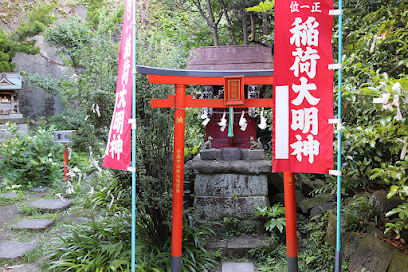
Otsuna Kompira Shrine
Kanagawa 221-0834
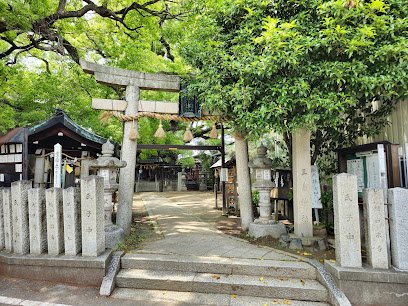
Mitsushima Shrine
Osaka 571-0015
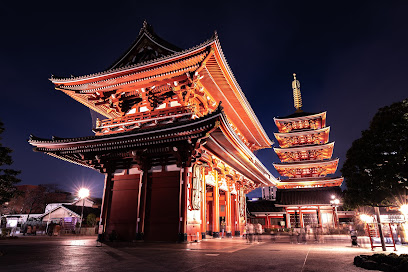
Sensō-ji
Tokyo 111-0032
Completed in 645, this temple, Tokyo's oldest, was built to honor Kannon, the goddess of m...
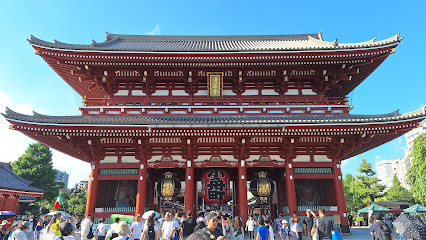
Kaminarimon
Tokyo 111-0032
A 3.9m-tall lantern greets visitors to this stately gate at the entrance to Sensō-ji templ...
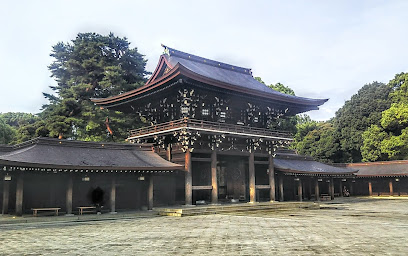
Meiji Jingu
Tokyo 151-8557
Surrounded by forest, this venerable Shinto shrine features a seasonal iris garden.

Kushida Shrine
812-0026
Founded in 757 CE, this urban site annually hosts the city's largest festival, Hakata Gion...