

Shrines & temples
Japanese shrines
OSM directory
Explore Shinto shrines mapped from OpenStreetMap — filter by prefecture, city, or denomination. For curated travel listings, see featured landmark shrines below.
857 shrines
天神社
天神社
Gunma
Located in the Gunma Prefecture, Tenjin Shrine is dedicated to the Shinto deity Sugawara no Michizane, a legendary statesman and Buddhist priest who played a crucial role in unifying Japan during the Heian period. The shrine's architecture reflects the Edo period style, with its traditional wooden torii gate and carefully manicured gardens. Visitors can experience the tranquility of this historic site while paying respects to Sugawara no Michizane and enjoying the surrounding scenic beauty.
白山神社
白山神社
Gunma
Located in the town of Hakusan, White Mountain Shrine is a Shinto shrine dedicated to the mountain goddess Yamabushi-otoshi, which translates to 'Yamabushi who lives in the mountains.' The shrine's architecture reflects traditional Japanese design, with a hipped tiled roof and wooden pillars. Visitors can enjoy scenic views of the surrounding mountains and forests, as well as participate in rituals and ceremonies throughout the year. The shrine is particularly famous for its autumn foliage.
千形神社
千形神社
Gunma
Located in the heart of Gunma Prefecture, Chūgoku-jinsha is a lesser-known Shinto shrine dedicated to the kami of Mount Chūgoku, a sacred mountain in Japanese mythology. The shrine's unique architectural style reflects its rural surroundings and regional traditions.
勝呂神社
勝呂神社
Gunma
Located in the Gunma Prefecture, Hino Shrine is a Shinto shrine dedicated to the kami Uehonokami, a powerful deity believed to bring good fortune and prosperity. The shrine's name, Hino, means 'bright' or 'shining,' reflecting its association with light and wisdom. Visitors can explore the shrine's main hall, which features a traditional thatched roof and a stunning torii gate.
白鬚神社
白鬚神社
Gunma
Located in the heart of Nikko, white fox god shrine is dedicated to the Shinto deity that embodies prosperity, good fortune and longevity. According to legend, a wise and beautiful fox spirit named Kijaku appeared in the area many years ago, bringing fertility and prosperity to the local community. The shrine's architecture reflects its origins as a humble hut built by a Buddhist monk who had been converted to Shintoism by Kijaku. Today, visitors can still see remnants of this original structure in the shrine's main hall.
青木八幡神社
青木八幡神社
Gunma
Located in Gunma Prefecture, the Shugashi Shrine is a small Shinto shrine dedicated to Hachiman, the god of war and justice, as well as Fujin, the wind god, and Yamatsumi, the god of the sea. The shrine's architecture reflects its regional style, with a typical Shuuguu-zukuri gatehouse. Visitors can explore the shrine's peaceful grounds and enjoy the seasonal changes in the surrounding natural scenery.
戸宮八幡神社
戸宮八幡神社
Gunma
Hodo-miya Yatsugami-jinja Shrine is a Shinto shrine located in the Gunma Prefecture of Japan, dedicated to the deity Yatsu-no-Kami, known as the 'Ruler of Mount Kintoki'. The shrine's architecture reflects the Heian period style, with a five-story pagoda and a large torii gate. Visitors can experience the shrine's rich history by attending the annual Matsuri festival in May, where participants reenact an ancient ritual to promote fertility and good harvests.
大宮住吉神社
大宮住吉神社
Gunma
The Omiya Jishu Shrine is one of the oldest Shinto shrines in Japan, dedicated to the deity Omiya Jishu, a syncretic god combining elements of Shinto and Buddhist deities. Located near the Tokyo metropolitan area, its proximity to the ancient city of Nihonmatsu has allowed it to maintain strong ties to the region's history and culture. The shrine is known for its beautiful architecture, which showcases various traditional Japanese styles, including thatch-roofed buildings and vermilion-painted gates.
横沼白髭神社
横沼白髭神社
Gunma
Located in the city of Shibukawa, Gunma Prefecture, Yokōmura Hagoromo Jinja is a Shinto shrine dedicated to the god Hagoromo, who is believed to have descended from heaven and given humans gifts such as cloth and fire. The shrine's architecture reflects traditional Japanese design, with a main hall constructed using traditional cypress wood beams. Visitors can experience a peaceful atmosphere by strolling through the surrounding forest and enjoying the natural scenery.
亀岡神社
亀岡神社
Gunma
Kameoka Shrine is a Shinto shrine dedicated to the god of fertility, prosperity, and good fortune in Kamo Village, Gunma Prefecture. The shrine's main hall was built during the Edo period (1603-1867) and features a distinctive curved roof and ornate wooden decorations. Visitors can experience traditional Japanese culture by participating in the New Year (Oshogatsu) festivities and viewing the beautiful autumn foliage of the surrounding forest.
須賀神社
須賀神社
Gunma
Shugan-sha is a Shinto shrine in Gunma Prefecture, dedicated to the kami of the same name, believed to be a god of agriculture and fertility. The shrine's architecture reflects its historical connection to the region's feudal lord, the Matsudaira clan. Its wooden torii gate and earthen temple are characteristic examples of traditional Japanese shrine design. Shugan-sha has played an important role in local ceremonies and festivals, including the annual Harvest Festival.
大宮神社
大宮神社
Gunma
Located in Gunma Prefecture, 大宮神社 is one of Japan's most revered shrines, dedicated to the kami Amaterasu Omikami and Ōin. The shrine's architecture reflects its history as a major stop on the Nakasendō pilgrimage route, which connected Tokyo with Kyoto. With over 200 years of existence, 大宮神社 has played host to numerous imperial visits and remains an important cultural and spiritual hub in the region.
六所神社
六所神社
Gunma
Located in Gunma Prefecture, the Rikoshoden Six-gossan Shrine is a small Shinto shrine dedicated to the six major kami of feudal Japan. The shrine's architecture reflects its historical period as a Heian-era (794-1185 CE) temple-turned-shrine, with a traditional Japanese-style gate and a wooden torii gate. Visitors can experience the serene atmosphere of this rural oasis.
石上神社
石上神社
Gunma
Located in the heart of Gunma Prefecture, Tsukubamiwa Shrine is a Shinto shrine dedicated to the god Tsukuyomi, one of the three main kami of the Japanese imperial family. The shrine's name literally means 'stone above' or 'stone on top,' referring to its location atop a granite outcrop at the northern end of Lake Tsukuba. As a symbol of the connection between nature and human existence, Tsukubamiwa Shrine has been an important site for spiritual and cultural practices in the region for centuries.
稲荷神社
稲荷神社
Gunma
Located in Gunma Prefecture, the Inari Shrine is one of Japan's most famous Shinto shrines, dedicated to the god of rice and fertility, Inari Okami. The shrine is renowned for its thousands of vermilion torii gates that form a winding path up the mountain, symbolizing the connection between heaven and earth. Visitors can explore the shrine grounds, which include several smaller shrines and temples, as well as participate in traditional festivals and ceremonies.
雷電神社
雷電神社
Gunma
The Ryuei-jinsha Shrine, dedicated to the storm god Ryuei, is a serene oasis nestled in the heart of Gunma Prefecture. As one of Japan's oldest shrines, it has witnessed centuries of tranquility and vitality. This ancient Shinto site honors the power of nature, particularly lightning, with an air of reverence that echoes through its tranquil grounds.
大家神社
大家神社
Gunma
Located in the city of Kumakogen, Gunma Prefecture, Taiji-jinsha is a Shinto shrine dedicated to Taiji, the god of industry and agriculture. The shrine is known for its beautiful architecture and historic significance as the site where the Tokugawa shogunate's policy to limit the population was declared in 1633. Visitors can explore the main hall, which features a unique wooden lattice design, and learn about the local history and mythology at the on-site museum.
岩口神社
岩口神社
Gunma
Located in the heart of Gunma Prefecture, Iwakura Shrine is a Shinto temple dedicated to the deity of agriculture and fertility. The shrine is situated on the eastern shore of Lake Chuzenji, which offers breathtaking views and a serene atmosphere. Visitors can enjoy the surrounding nature while exploring the shrine's historic buildings and grounds.
土屋神社
土屋神社
Gunma
Located in Gunma Prefecture, the Toshū-gu Shrine is dedicated to the Shinto god of soil and fertility, Jitō-hime. The shrine's architecture reflects traditional Japanese designs with a distinctive roof style characteristic of the region's Tohoku region. While not well-documented in English literature, the shrine's historical note suggests it may have been established during the Heian period. Visitors can offer prayer cards to Jitō-hime and purchase local specialties such as rice crackers at the shrine's entrance.
金山神社
金山神社
Gunma
Located in the heart of Gunma Prefecture, Kinzan Shrine is a sacred site that honors the legendary founder of the Takeda clan, Takeda Shingen's grandfather, Takeda Katsunaga. The shrine is dedicated to Takeda family spirits and is famous for its vibrant autumn foliage. Visitors can experience the serene atmosphere and connect with nature at this tranquil oasis.
八幡神社
八幡神社
Gunma
Located in Gunma Prefecture, Eight Horseshoe Shrine is dedicated to the Shinto deity Inari Okami, who is revered as a patron of rice, industry, and fertility. The shrine's unique architecture features eight torii gates arranged in an horseshoe shape, symbolizing the unity of heaven and earth. Visitors can explore the shrine's grounds, including the Inari Shrine Museum, which showcases artifacts related to the deity's importance in Japanese culture.
三嶋神社
三嶋神社
Gunma
Located in Gunma Prefecture, Shitennō-ji Temple is one of the oldest Buddhist temples in Japan, originally built in 578 AD to commemorate Prince Shotoku's conversion to Buddhism. The temple complex also includes Shinnō-ji Shrine, a Shinto shrine dedicated to the sun goddess Amaterasu. Visitors can explore the serene gardens and traditional architecture while learning about the rich history and cultural significance of these two important Japanese landmarks.
八幡神社
八幡神社
Gunma
Located in the city of Odawara, Gunma Prefecture, Eight Horses Temple Shrine (Hachimangu) is one of Japan's most famous Shinto shrines. Dedicated to the deity Hachiman, a kami revered as a protector of warriors and a patron of education, the shrine is known for its striking architecture and rich history dating back to the 8th century. Hachimangu is believed to be the guardian of the city of Odawara and the surrounding region, and his image appears in numerous works of art throughout Japanese history.
三嶋神社
三嶋神社
Gunma
Located in the scenic town of Annaka, Gunma Prefecture, Sanzan Shrine is a Shinto shrine dedicated to three gods: Ryujin (the dragon god), Fujin (the wind god), and Raijin (the thunder god). The shrine's architecture reflects the region's unique cultural blend, with a mix of traditional Japanese and Chinese influences. Visitors can explore the shrine grounds, which feature several historic buildings, including the main hall and the Kannon-den temple.
Curated shrine listings
Hand-picked shrines and temples from our landmark guide.
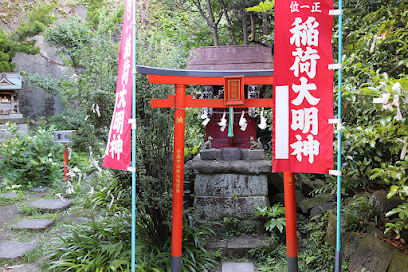
Otsuna Kompira Shrine
Kanagawa 221-0834
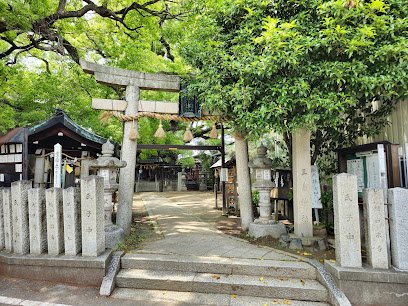
Mitsushima Shrine
Osaka 571-0015
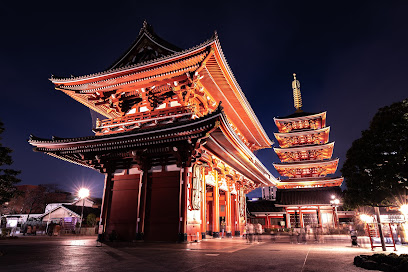
Sensō-ji
Tokyo 111-0032
Completed in 645, this temple, Tokyo's oldest, was built to honor Kannon, the goddess of m...
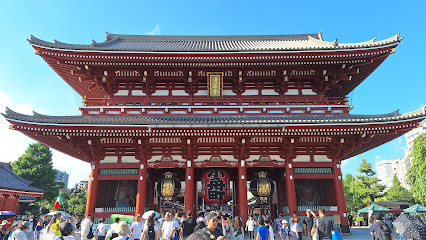
Kaminarimon
Tokyo 111-0032
A 3.9m-tall lantern greets visitors to this stately gate at the entrance to Sensō-ji templ...
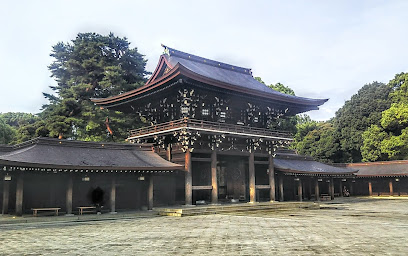
Meiji Jingu
Tokyo 151-8557
Surrounded by forest, this venerable Shinto shrine features a seasonal iris garden.

Kushida Shrine
812-0026
Founded in 757 CE, this urban site annually hosts the city's largest festival, Hakata Gion...