

Shrines & temples
Japanese shrines
OSM directory
Explore Shinto shrines mapped from OpenStreetMap — filter by prefecture, city, or denomination. For curated travel listings, see featured landmark shrines below.
838 shrines
舟入神社
舟入神社
Shimane
Located in the scenic town of Hikata, Shimane Prefecture, Boat Entry Shrine is a tranquil Shinto site dedicated to the kami Inari Okami, revered as the god of fertility and prosperity. The shrine's architecture reflects its historical connection to the nearby Aki River, where boats would enter the river through 'boats' carved into the rock face. Today, visitors can admire the serene gardens, explore the torii gate adorned with lanterns, and participate in traditional ceremonies.
松尾稲荷神社
松尾稲荷神社
Shimane
Located in the scenic city of Matsue, Shimane Prefecture, Matsuo Inari Shrine is a revered Shinto site dedicated to the worship of Inari Okami, the god of rice, fertility, and prosperity. The shrine's majestic vermilion torii gate, surrounded by picturesque cherry blossom trees, stands as a testament to its rich history and cultural significance. Visitors can explore the shrine's tranquil grounds, adorned with vibrant autumn leaves and historic stone lanterns.
狭長神社
狭長神社
Shimane
The Nishiyama Shrine, located in the town of Nishiyamachi, Shimane Prefecture, is a Shinto shrine dedicated to the god of rice and fertility, Nishiyama Okami, as well as various other kami such as Nishiyama Jinmu, Nishiyama Susanoo, and Ryujin. The shrine's architecture reflects the Heian period, with a main hall built in 1197, making it one of the oldest structures in the region.
大元神社
大元神社
Shimane
Located in the town of Matsue in Shimane Prefecture, the Ōyama Shrine is a Shinto shrine dedicated to the deity Ōkuninushi, a kami associated with agriculture and fertility. The shrine's architecture reflects its historical significance as a major center for the region's rice cultivation industry.
新八幡宮
新八幡宮
Shimane
New Eight Bridges Shrine, located in the city of Matsue in Shimane Prefecture, is one of Japan's oldest Shinto shrines, dating back to 645 AD. As its name suggests, the shrine is dedicated to the mythical god of good fortune and prosperity, known as Inari Okami. The shrine is famous for its unique architectural style, which combines elements of Japanese and Chinese designs, with eight vermilion torii gates, or bridges, that symbolize the connection between heaven and earth. The shrine's main hall, the Haiden, features a striking wooden roof, while the inner shrine, the Honden, houses Inari Okami's sacred image. Visitors can make offerings to the deity at one of the many altars located throughout the complex.
菅原梅ノ木天神
菅原梅ノ木天神
Shimane
Located in the town of Yasugatake, Shimane Prefecture, Me-no-oki Hachiman is a Shinto shrine dedicated to the god of war and patron deity of Shimane. The shrine's name 'Me-no-oki' translates to 'the cherry tree standing on its peak', likely referring to a famous landmark nearby. Established in the 8th century during the Nara period, the shrine has undergone significant transformations over the centuries, with the current structure dating back to the Kamakura period.
中の棚稲荷神社
中の棚稲荷神社
Shimane
饒津神社
饒津神社
Shimane
Located in the city of Matsue, Shimane Prefecture, 饒津神社 is a Shinto shrine dedicated to the god of storms and fertility, Ryujin. The shrine is situated on the banks of Lake Shinji, which is believed to be the lake where the sun goddess Amaterasu descended to earth. Visitors can enjoy scenic views of the surrounding mountains and lake while exploring the shrine's tranquil grounds.
碇神社
碇神社
Shimane
Coizaka Shrine, located in Iwami region of Shimane Prefecture, is a Shinto shrine dedicated to the god of agriculture and fertility, Inari Okami. The shrine's architecture reflects its rural location, with traditional Japanese wooden structures and sliding doors. Its tranquil gardens and scenic surroundings make it an ideal destination for those seeking solace from the city.
荒神社
荒神社
Shimane
Located in the city of Matsue, Shimane Prefecture, Azagaharashinsha is a Shinto shrine dedicated to the enshrined deity Tamashizuka no Okami Hachiman-gu. The shrine's primary kami is Tamashizuka no Okami, a local deity associated with the mountains and forests surrounding Matsue. Azagaharashinsha is known for its well-preserved ancient architecture, which reflects the Heian period style.
春日神社
春日神社
Shimane
Spring Day Shrine, located in Shimane Prefecture, is a revered Shinto shrine dedicated to the Sun Goddess Amaterasu and the god of rice, Susanoo. This shrine is renowned for its historic significance as one of Japan's oldest shrines and has played a vital role in the region's agricultural and cultural heritage.
天満神社
天満神社
Shimane
Located in the city of Matsue, Shimane Prefecture, Tenmangu Shrine is a Shinto shrine dedicated to Sugawara no Michizane, the god of learning and culture. The shrine is famous for its beautiful gardens and traditional architecture, which reflect the Heian period (794-1185 CE). According to legend, Michizane was a high-ranking official who died on his way back from a military campaign in 941 CE.
三篠神社
三篠神社
Shimane
Located in the city of Matsue, Shimane Prefecture, Sanbon-gu Shrine is dedicated to the Shinto god Inari Okami, revered as the patron deity of fishing and commerce. The shrine's name, 'Sanbon-gu,' refers to its location near a three-pronged rock formation, said to be the shrine's original foundation site.
真亀山神社
真亀山神社
Shimane
True Henyama Shrine, located in the town of Matsue in Shimane Prefecture, is a revered Shinto site that has been worshipped since ancient times. The shrine's primary deity is Hachiman, the god of war and patron deity of the Imperial Family. True Henyama Shrine is notable for its beautiful architecture, which reflects traditional Japanese styles, and its unique historical significance as one of the oldest shrines in Japan, dating back to the 7th century. The shrine is also famous for its stunning natural surroundings, with Mount Doushinji standing tall behind the shrine.
横川胡子神社
横川胡子神社
Shimane
Located in the town of Yasugi, Shimane Prefecture, Yokawa no Kami-jinja is a Shinto shrine dedicated to the deified spirit of a local samurai named Kiyotsugu Yagyu, also known as Yokawa no Kami. The shrine's architecture reflects the traditional Heian period style, with a vermilion torii gate and a five-story pagoda. The shrine's main hall features a lacquered wooden beam called 'tsugi' in the center, said to be from the original 12th-century structure.
長浜神社
長浜神社
Shimane
Longhamon Shrine is a Shinto shrine located in the city of Matsue, Shimane Prefecture. Dedicated to the kami of Long Hamon, the shrine is famous for its beautiful garden and traditional architecture. Visitors can enjoy the tranquil atmosphere and take a stroll along the nearby Matsue Castle moat.
太鼓谷稲成神社
太鼓谷稲成神社
Shimane
Located in the scenic Shimane Prefecture,太鼓谷稲成神社 is a Shinto shrine dedicated to the rice-giving god Inazuma-no-kami and the rice-planting god Hachiman. The shrine's architecture reflects its historic significance as a major stop on the ancient pilgrimage route connecting the Shikoku and Honshu islands, showcasing traditional Japanese styles with added touches of regional charm. Today, visitors can experience the serene atmosphere of this beautiful shrine while exploring the surrounding picturesque valleys.
空鞘稲生神社
空鞘稲生神社
Shimane
Located in the scenic Iwami region of Shimane Prefecture, 空鞘稲生神社 (Karakusa Ichibutsu Shrine) is a historic Shinto shrine dedicated to Inari, the god of rice and fertility. The shrine's unique name '空鞘' translates to 'empty saddle', referring to its location atop a hill in a valley, resembling an empty saddle on a horse's back. This striking landscape features has made Karakusa Ichibutsu Shrine a popular destination for hikers and nature lovers.
多家神社
多家神社
Shimane
The multiple shrines of Matsue, Shimane Prefecture, are famous for their unique architecture and connection to the legend of Izumo Takamori. The complex is comprised of eight shrines dedicated to various kami from the Izumo region, including Okina Sanzan, a group of three Shinto deities believed to reside within a single shrine. The shrines' design reflects the region's rich history and cultural heritage.
山白浜神社
山白浜神社
Shimane
Located on the coast of Shimane Prefecture, Mount Fuji's lesser-known peak, Mount White Beach Shrine (, Sanbashi Taisha), is a serene and tranquil Shinto shrine dedicated to the kami of Mount Zao. The shrine is famous for its beautiful scenery, hot springs, and traditional Japanese architecture. Visitors can experience the peaceful atmosphere and enjoy the local cuisine, including the specialty dish 'motsu imo,' which consists of boiled potato and fish entrails served with grated daikon.
鷹巣浦神社
鷹巣浦神社
Shimane
Located in the Shimane Prefecture, Shitatsu-ura Shrine is a Shinto shrine dedicated to Shitatsu-ura no okami, the deity of the nearby Shitatsu-ura Lagoon. The shrine's architecture reflects its Kamakura-period origins, with a distinctive tiled roof and wooden pillars. Visitors can enjoy the serene atmosphere of the surrounding lagoon and observe traditional Japanese tea ceremonies held at the shrine.
幸神社
幸神社
Shimane
Located in the scenic town of Matsue, Shimane Prefecture, Iwakura Shrine is a Shinto shrine dedicated to the god of good fortune and prosperity, Fukusei no Kami. As one of the oldest shrines in the region, it boasts traditional architecture with a distinctive wooden torii gate and intricately carved wooden pillars. Visitors can explore the serene gardens, which feature ancient trees and natural stone formations. The shrine is also famous for its beautiful cherry blossom viewing area during spring.
荒神社
荒神社
Shimane
Located in the heart of Shimane Prefecture, Ara no Kagami-sha Shrine is a serene Shinto sanctuary dedicated to the kami of the divine mirror. The shrine's name, 'Ara no Kagami,' translates to 'the Mirror' or 'the Lake,' reflecting its proximity to a scenic lake and its association with water-based mythology.
住吉神社
住吉神社
Shimane
Reshū-jiji Shrine in Shimane Prefecture is dedicated to the sun goddess Amaterasu and the storm god Susanoo. Located near the coast, the shrine is believed to be a place of purification and protection from natural disasters. The shrine's architecture reflects its coastal location, with a distinctive torii gate that appears to float above the sea.
Curated shrine listings
Hand-picked shrines and temples from our landmark guide.
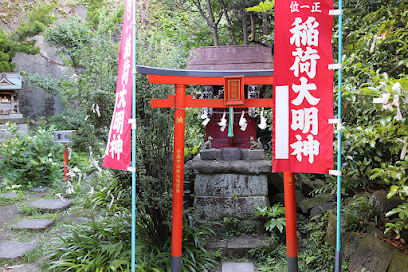
Otsuna Kompira Shrine
Kanagawa 221-0834
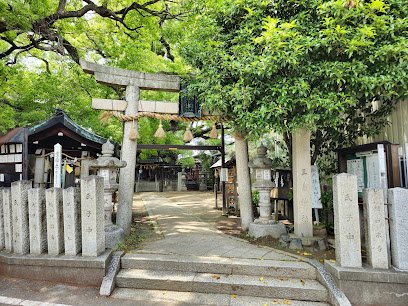
Mitsushima Shrine
Osaka 571-0015
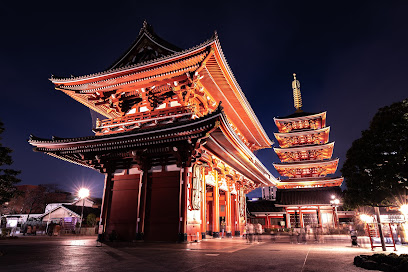
Sensō-ji
Tokyo 111-0032
Completed in 645, this temple, Tokyo's oldest, was built to honor Kannon, the goddess of m...
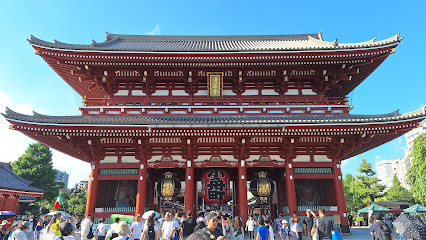
Kaminarimon
Tokyo 111-0032
A 3.9m-tall lantern greets visitors to this stately gate at the entrance to Sensō-ji templ...
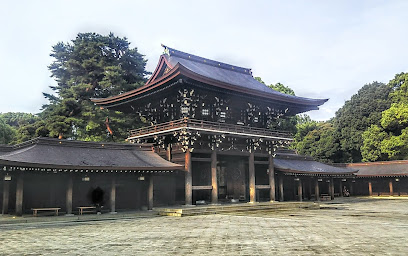
Meiji Jingu
Tokyo 151-8557
Surrounded by forest, this venerable Shinto shrine features a seasonal iris garden.

Kushida Shrine
812-0026
Founded in 757 CE, this urban site annually hosts the city's largest festival, Hakata Gion...