
Shrines & temples
Japanese shrines
OSM directory
Explore Shinto shrines mapped from OpenStreetMap — filter by prefecture, city, or denomination. For curated travel listings, see featured landmark shrines below.
1,072 shrines
清瀧天満宮
清瀧天満宮
Osaka
Clear Brook Shrine, located in Osaka Prefecture, is a Shinto temple dedicated to the kami of the city's waterways and fertility. The shrine's name reflects its association with the clear brook that runs through its grounds. Visitors can explore the tranquil gardens and ponds, offering prayers for good fortune and prosperity. The shrine's architecture blends traditional Japanese style with regional influences from the surrounding area.
高天彦神社
高天彦神社
Osaka
High Heavenly Hikobosan Shrine, located in Osaka's Shitennoji Park, is one of the oldest and most revered shrines in Japan. Established in 595 AD, during the Asuka period, it enshrines the deity Hikobosan, a heavenly kami associated with the wind, thunderstorms, and the sun. The shrine's architecture reflects its long history, with a mix of ancient and modern styles. Visitors can explore the serene gardens, stroll along the Kinpaku River, or attend one of the many festivals held throughout the year.
鶯関神社
鶯関神社
Osaka
Located in the heart of Osaka, 鶯関神社 is a revered Shinto shrine dedicated to the kami Inari Okami. The shrine's architecture is characterized by its traditional Japanese-style buildings and serene gardens, reflecting the city's rich cultural heritage. Founded during the Heian period (794-1185 CE), the shrine has played a significant role in Osaka's spiritual life for centuries.
善瀧大権現
善瀧大権現
Osaka
Joanetsu Dai-gonetsu is a Shinto shrine located in Osaka, dedicated to the kami of purification and protection. The shrine's architecture reflects the Heian period style, with a majestic main hall and ornate decorations. According to legend, the shrine was founded during the reign of Emperor Henry (Heian era), who sought the aid of the deity for protection against invaders.
三吉覚神大権現
三吉覚神大権現
Osaka
Three-sisters Shrine, dedicated to the kami of the three sisters who are said to have been the daughters of the sun goddess Amaterasu and the twin brother of Susanoo, is a Shinto shrine located in Osaka's Higashinari-ku ward. The shrine has undergone several transformations throughout its history, with the current building dating back to 1969. Its design blends traditional Shinto architectural styles with modern elements.
高良神社
高良神社
Osaka
Located in the heart of Osaka, Hiromi Shrine is a revered Shinto site dedicated to the worship of the kami, Fujin Ryujin and Ukanon. This shrine, situated in the Sakuya-cho district, holds significant cultural and historical importance as it was originally constructed during the Heian period (794-1185 CE). The shrine's architecture reflects traditional Japanese design, with a vermilion torii gate and a five-story pagoda. Visitors can explore the shrine grounds, which feature several historic buildings, including the honden and the saishiden.
國守神社
國守神社
Osaka
國守神社 is a Shinto shrine located in Osaka, Japan, dedicated to the kami of the land and the guardian of the city. The shrine's name reflects its historical role as a protector of the region, watching over its people and ensuring their safety. With its traditional architecture and peaceful atmosphere, the shrine offers a serene escape from the bustling city.
黒長大神
黒長大神
Osaka
The Black Dragon God Shrine, located in Osaka, is a lesser-known Shinto site dedicated to the enshrinement of the kami Kagu-tsuchi and Nakago-tsuchi. The shrine's architecture reflects traditional Japanese design, with a simple yet elegant torii gate and a rectangular prayer hall. The site is said to be associated with the region's prosperity and good fortune, drawing in visitors seeking blessings for their endeavors.
住吉神社
住吉神社
Osaka
Resha-ki Jinja, a Shinto shrine located in Osaka, is dedicated to the sun god and the god of prosperity and good fortune. The shrine's name, 住吉神社 (Resha-ki Jinja), literally means 'Sun Goddess Shrine' or 'Shrine of the Sun Goddess.' It is one of the oldest shrines in Japan, with a history dating back to the 7th century. Over time, the shrine has been rebuilt and restructured several times, reflecting the changing needs and tastes of the local community.
伯太神社
伯太神社
Osaka
Located in the heart of Osaka, Bōta Jinja Shrine is a revered Shinto site dedicated to the kami Bōta Tenjin and his brother, Ōta no Yasumori. The shrine's architecture reflects its historical significance, with traditional wooden buildings and a serene garden. Visitors can explore the shrine's grounds, which feature a beautiful pond, walking paths, and several small shrines. The shrine is particularly famous for its stunning autumn foliage.
南野神社
南野神社
Osaka
Nanondo Shrine, located in Osaka Prefecture, is a Shinto shrine dedicated to the god of the sea and prosperity, Susanoo-no-Mikoto. The shrine's main hall features a unique wooden structure with an ornate roof, showcasing traditional Japanese architecture. Nanondo Shrine is known for its beautiful garden and scenic views of the surrounding area. The shrine is also famous for its annual Summer Festival, which takes place in July.
愛宕神社
愛宕神社
Osaka
愛宕神社 is a Shinto shrine located in the heart of Osaka, dedicated to the sun goddess Amaterasu Ōmikami and her consort, Takamimusubi-no-kami. The shrine's name, '愛宕', refers to Mount Ato, said to be the birthplace of the god. The shrine complex features a distinctive curved roof and is surrounded by beautiful gardens. Visitors can explore the main hall, Haiden, and the smaller, adjacent buildings, including the Kotohira-den.
楠原稲荷
楠原稲荷
Osaka
楠原稲荷 Shrine is a Shinto shrine located in Osaka Prefecture, Japan. The shrine is dedicated to the deity Inari Okami, revered as the patron of rice and fertility. Built during the Heian period (794-1185 CE), the shrine's main hall, Hondo, features a unique wooden construction style characteristic of Kamakura-era temples. The shrine complex also includes several smaller shrines, including one dedicated to the local kami of the area, Kuchisake-onna.
愛宕神社
愛宕神社
Osaka
Ai Date Shrine, located in Osaka, is dedicated to the sun goddess Amaterasu and the god of war Susanoo. The shrine's architecture reflects the Heian period style, with a typical shiten-style main hall. Ai Date Shrine was originally built during the Nara period, but it has undergone renovations throughout its history. The shrine complex includes several smaller shrines dedicated to various regional kami.
髙宮神社
髙宮神社
Osaka
High Temple Shrine, dedicated to the kami of prosperity and good fortune. Located in the heart of Osaka, this Shinto shrine has been a significant cultural landmark since its founding in 1889. The shrine is famous for its impressive wooden gate, known as the 'Kami-mon,' which is adorned with intricate carvings depicting scenes from Japanese mythology.
大社御祖神社
大社御祖神社
Osaka
Located in the heart of Osaka, 大社御祖神社 is a revered Shinto shrine dedicated to the ancestral deity of the city's founders. The shrine's architecture reflects its historical significance as an important cultural and economic hub during the Nara period (710-794 CE), with its imposing main hall and ornate wooden decorations. Visitors can experience the rich history and culture of Osaka through various festivals and events held throughout the year, including the annual Grand Shrine Festival.
大賀世神社
大賀世神社
Osaka
Located in the heart of Osaka, Daigashiseiji Shrine is a sacred Shinto site dedicated to the kami Inari Okami. The shrine's architecture reflects the Heian period style, with its vermilion torii gate and tiled roof. A must-visit for anyone exploring Osaka, the shrine offers insight into Japan's rich cultural heritage.
山直中神社
山直中神社
Osaka
Located in the heart of Osaka, Mount Sakurajima Shrine (Sakura Michinokami) is a sacred site dedicated to the worship of the kami associated with the mountain's spirit. The shrine's architecture reflects the traditional Japanese design style, featuring a vermillion torii gate and a distinctive rectangular shrine building. Visitors can experience the serene atmosphere of the shrine grounds, which are surrounded by a peaceful forest and offer stunning views of Osaka Bay.
池島神社
池島神社
Osaka
Located in the town of Himeji, Hyogo Prefecture, not Osaka, Pool Island Shrine is a Shinto shrine dedicated to the sea god Susanoo and other kami associated with the ocean. The shrine's name "pool island" refers to the small, rocky island located off its coast, which was once believed to be the site where Susanoo created the seas. Visitors can see the remains of an ancient temple on the island, as well as a beautiful garden and traditional Shinto architecture.
誉田八幡宮
誉田八幡宮
Osaka
Uoda Hachimangu Shrine, located in Osaka's Uoda district, is a revered Shinto site dedicated to the deity Hachiman Ōkami. The shrine's architecture reflects its Heian period origins, with a distinctive five-story pagoda and a tranquil courtyard adorned with cherry blossom trees. As one of Japan's oldest shrines, Uoda Hachimangu Shrine has witnessed numerous historical events and has been visited by prominent figures throughout its history.
六郷神社
六郷神社
Osaka
Sixogaharashinsha is a Shinto shrine located in Osaka, dedicated to the kami of the six villages that were destroyed by fire in the 17th century. The shrine was rebuilt in 1652 and features a unique wooden structure with a distinctive roof design. Visitors can explore the shrine grounds, which include a museum showcasing local history and culture.
徳庵神社
徳庵神社
Osaka
Tokuwamatsu Shrine in Osaka, dedicated to the Shinto kami of rice and prosperity, is one of Japan's oldest shrines. Founded in 654 AD during the Asuka period, it has been an important cultural and historical landmark ever since.
住吉神社
住吉神社
Osaka
Resha no Gyoshi Shrine, located in Osaka Prefecture, is a Shinto shrine dedicated to the sun goddess Amaterasu. The shrine's name, which translates to 'Sun God's Rise,' reflects its association with the sacred energy of the rising sun. Its history dates back to the Heian period (794-1185 CE), and it has undergone several transformations over the centuries, including a major renovation during the Edo period (1603-1867 CE). The shrine is known for its beautiful gardens and traditional architecture, which blend seamlessly into the surrounding environment.
田坐神社
田坐神社
Osaka
Located in the Osaka Prefecture, the Iwatodai Shrine is dedicated to a deity associated with agriculture and fertility, likely Shime-no-Kami, an ancient god of harvest. The shrine's architecture is characterized by its traditional Japanese design, featuring a large torii gate and an impressive forested area. In the Heian period (794-1185 CE), it served as a significant center for Buddhist and Shinto rituals. Today, visitors can explore the shrine grounds and learn about its cultural significance through various festivals and ceremonies.
Curated shrine listings
Hand-picked shrines and temples from our landmark guide.
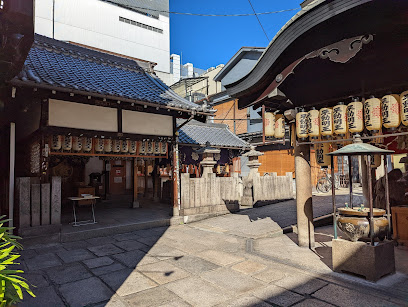
Hozen-ji Temple
542-0076
Intimate Buddhist temple along a quaint alley, with a moss-covered statue of the deity Fud...
Warabi Baitun Noor Cultural Center
Central
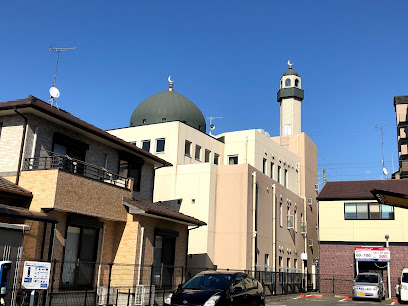
Fukuoka Masjid Al Nour Islamic Culture Center
812-0053
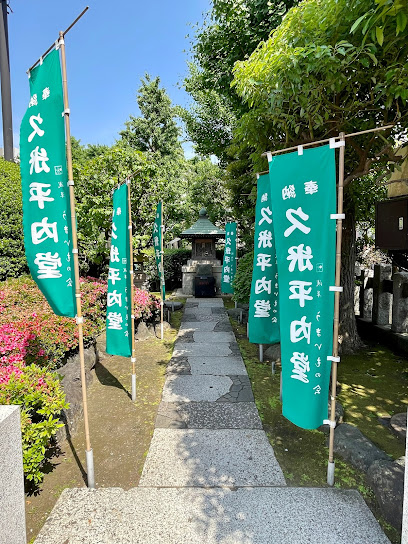
Kume no Heinai-dō
Tokyo 111-0032
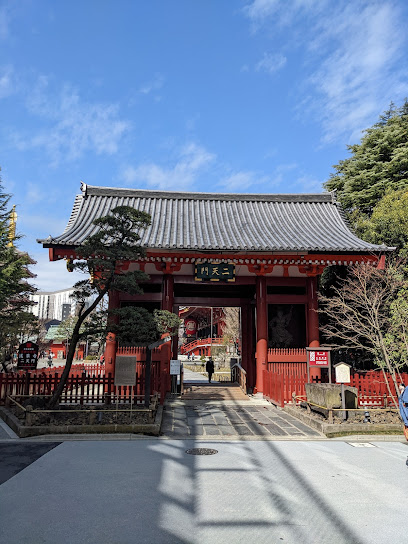
Nitenmon Gate
Tokyo 111-0032
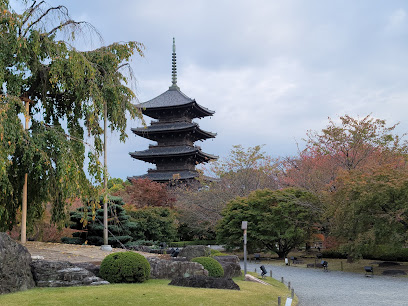
Tōji Temple
601-8473
Historic Buddhist temple with a 5-story wooden pagoda & sculptures of deities from the 8th...