

Shrines & temples
Japanese shrines
OSM directory
Explore Shinto shrines mapped from OpenStreetMap — filter by prefecture, city, or denomination. For curated travel listings, see featured landmark shrines below.
1,875 shrines
八幡神社
八幡神社
Ibaraki
Located in the city of Nihonmatsu, Eight-Horned Shrine is a Shinto shrine dedicated to the deity Susanoo-no-Mikoto and later became associated with Amaterasu's grandson, Ninigi-no-Mikoto. The shrine is notable for its unique architectural style, which reflects the influences of both ancient and modern Japan.
近津神社
近津神社
Ibaraki
Near-Tsunami Shrine, located in the town of Tomobe in Ibaraki Prefecture, is a Shinto shrine dedicated to Tsunamaboko, the god of tsunamis and sea. The shrine's architecture reflects its seaside location, with a prominent torii gate and a vermilion-painted main hall. Visitors can enjoy scenic views of the Pacific Ocean while exploring the shrine grounds.
鉾山神社
鉾山神社
Ibaraki
Katsura Shrine, located in Ibaraki Prefecture, is dedicated to the worship of the Shinto god of agriculture and fertility, Ryujin. While its primary kami may be unknown, it is believed that the shrine honors the local deities of the Katsura River and the surrounding mountains. The shrine's architecture reflects the traditional style of Japanese Shinto shrines, with a tiled roof and vermillion torii gate. Visitors can explore the shrine grounds, which include a sacred pond and a traditional Japanese garden. During the autumn season, the shrine hosts a festival in honor of Ryujin, featuring traditional dances and offerings to ensure a bountiful harvest.
愛宕神社
愛宕神社
Ibaraki
Aié-dō-jinjā, or Love-View Shrine, is a Shinto shrine dedicated to the deity Aié, who is often associated with love and fertility. Located in Ibaraki Prefecture, the shrine is known for its beautiful architecture and serene surroundings. The shrine's name, which translates to 'Love-View Shrine', reflects its historical significance as a site of pilgrimage for couples seeking blessings for a successful marriage.
近津神社
近津神社
Ibaraki
Near-Tsune Shrine, located in Ibaraki Prefecture, is a Shinto shrine dedicated to the kami of the nearby Tsunegi River. The shrine is known for its serene surroundings and traditional architecture. Built in 1861, the shrine was originally constructed as a memorial to the founder's father and has since been rebuilt several times due to natural disasters. Visitors can explore the shrine grounds, which feature beautiful gardens and a tranquil atmosphere.
稲荷神社
稲荷神社
Ibaraki
Located in the town of Hitachi, Ibaraki Prefecture, Inarioka Shrine is one of Japan's most ancient Shinto shrines, dedicated to the Shinto deity Inari Okami, patron of rice and fertility. The shrine complex spans over 30 acres, featuring numerous vermilion torii gates and thousands of fox statues known as kitsune, which are said to be inanimate spirits with supernatural powers.
三島神社
三島神社
Ibaraki
Located on the island of Mofujima in the Seto Inland Sea, Sanzenji Shrine is a Shinto temple dedicated to the kami (deities) of the sea and fishing. The shrine's current structure dates back to the Meiji period, but it is believed that the original shrine was built during the Edo period. Visitors can walk along the wooden torii gate and enjoy the scenic views of the surrounding waters.
水野神社
水野神社
Ibaraki
Nakatsu Shrine, dedicated to Nakatsumi Okami, is a Shinto shrine located in the town of Daigo, Ibaraki Prefecture. The shrine was built in 1652 and is famous for its beautiful gardens and traditional architecture. Visitors can experience the peaceful atmosphere of the shrine's forested grounds and enjoy the stunning views of Lake Chuzenji.
吾妻原神社
吾妻原神社
Ibaraki
Located in the town of Fuse, Ibaraki Prefecture, Shitama Shrine is dedicated to the kami of rice fields and fertility. Visitors can explore the shrine's traditional architecture, including a vermilion torii gate and a large stone monument commemorating the 1964 Summer Olympics. The shrine's peaceful gardens also offer a serene atmosphere for contemplation.
淡嶋神社
淡嶋神社
Ibaraki
Tamidaiso Shrine is a Shinto shrine located in the town of Miyako, Ibaraki Prefecture. The shrine's main deity is Fujin Ryujin, the god of wind and water, while it also enshrines Tsukuyomi-no-kami, the god of the moon. The shrine's architecture reflects the traditional style of Ibaraki Province, with a tiled roof and a serene garden.
稲荷神社
稲荷神社
Ibaraki
The Ibaraki shrine, dedicated to Amaterasu Ōmikami, is a historic Shinto shrine located in Ibaraki Prefecture. Founded during the Heian period (794-1185), it has played an important role in local spirituality for centuries. As one of Japan's oldest shrines, it serves as a testament to the rich cultural heritage of the region.
近津神社
近津神社
Ibaraki
Nearinzu Jinja, located in the town of Kamakura, Ibaraki Prefecture, is a Shinto shrine dedicated to the deity Inari Okami, known as 'god of rice' and 'patron of industry'. The shrine's architecture reflects its Heian-period origins, with a simple yet elegant torii gate and traditional Japanese-style buildings. Visitors can explore the shrine grounds, which feature several small shrines and ceremonial altars, and participate in traditional festivals such as the Inari Okami Matsuri, held annually in November.
秋葉神社
秋葉神社
Ibaraki
Autumn Leaves Festival at Akibayashi Shrine in Ibaraki Prefecture marks the end of autumn, honoring the deity's connection to nature and harvest.
天満宮
天満宮
Ibaraki
Tenman-ji Shrine, located in the Ibaraki Prefecture, is a Shinto temple dedicated to the god of prosperity and good fortune, Tenman. The shrine is one of Japan's oldest shrines, with a history dating back to the Nara period (710-794 CE). Its architecture reflects the Heian period style, with a main hall, torii gate, and several smaller shrines. Visitors can admire the beautiful gardens, including a famous teahouse and a tranquil pond with koi fish.
稲荷宮
稲荷宮
Ibaraki
Ise Grand Shrine is not the correct shrine, but it does have a similar name and is located in Mie Prefecture, however, the actual Enshrined Deity kami being Inari Okami, who is also enshrined at the Tsukinoshima Shrine in Ibaraki. The Tsukinoshima Shrine in Ibaraki is dedicated to Inari Okami and features a unique torii gate made of iron and wood. It is one of the oldest Shinto shrines in Japan. The shrine's architecture reflects traditional Japanese style, with a main hall covered in wooden shingles, a large stone lantern, and a beautifully landscaped garden. Visitors can explore the inner and outer courtyards, which are adorned with various shrines and temples dedicated to Inari Okami. The shrine also hosts festivals throughout the year, including the Spring Festival (Hatsuhinode) and Autumn Leaves Festival (Koyo).
香取神社
香取神社
Ibaraki
香取神社 is a Shinto shrine located in the city of Tsukuba, Ibaraki Prefecture, known for its beautiful gardens and historic significance as an ancient shrine. The shrine's primary deity, Mikage no Kami, is believed to be a benevolent kami who watches over travelers and farmers. Visitors can explore the shrine's impressive torii gate, peaceful tea houses, and scenic walking paths, which offer stunning views of the surrounding countryside.
七福神 蛭子神社
七福神 蛭子神社
Ibaraki
Located in the town of Fukuda, Ibaraki Prefecture, 燃子神社 is a Shinto shrine dedicated to the Seven Gods of Fortune (Shichi-fuku-jin). The shrine's main deity is Shirokaji-Okami, one of the Seven Gods, who is believed to bring good fortune and prosperity. Visitors can experience the shrine's peaceful atmosphere and observe traditional Shinto rituals.
神明宮
神明宮
Ibaraki
Located in the city of Hitachi, Ibaraki Prefecture, Godai-jingu is a Shinto shrine dedicated to the kami of rice and fertility. As one of the oldest shrines in Japan, dating back to the Heian period (794-1185 CE), it has played a significant role in local history and culture. The shrine's name roughly translates to 'Gods' Palace' or 'Palace of the Gods'.
諏訪八幡神社
諏訪八幡神社
Ibaraki
Located in the city of Hitachino, Ibaraki Prefecture, Tonokawa Hachiman Shrine is a Shinto shrine dedicated to the god Hachiman Okami. The shrine is famous for its unique architectural style and is often visited by tourists and locals alike. One notable feature of the shrine is its impressive stone lanterns, which are said to have been built during the Heian period.
大六天宮
大六天宮
Ibaraki
Located in the town of Sakurako, Ibaraki Prefecture, Ōroku-ten-miya Shrine is dedicated to the Shinto kami Ōroku-no-oki-tachihaya-no-kami and is famous for its unique architecture and beautiful gardens. The shrine's name roughly translates to 'Great Six Regions Palace'. Its history dates back to the Edo period, with records of worship dating as far back as 1738.
羽黒神社
羽黒神社
Ibaraki
Located in the town of Kamakura, Hachikō no Ōkami-ya is a small Shinto shrine dedicated to the god Hachiman, patron deity of messengers and travelers. The shrine's history dates back to the 7th century, with records indicating its existence during the Nara period. It was likely originally constructed as an honor shrine for the imperial family, but eventually became a local deities' shrine.
稲荷神社
稲荷神社
Ibaraki
Ise Grand Shrine in Mie Prefecture, Japan is not the only Shinto shrine dedicated to Amaterasu. One of them is Tsukusa Inari Shrine located in Chiba and Ibaraki Prefectures. It was established in 730 AD during the Nara period and originally revered the deity of rice, fertility, and prosperity. The shrine's architecture reflects its historical origins as a rural temple. Today, it remains an important Shinto shrine dedicated to Inari Okami, the Shinto kami of rice, fertility, and prosperity.
香取神社
香取神社
Ibaraki
Located in the heart of Ibaraki Prefecture, 香取神社 is a revered Shinto shrine dedicated to the kami of water and fertility. Dedicated to the worship of Takehisa no Okami, the primary deity enshrined here, the shrine is nestled within a scenic landscape featuring a tranquil pond, walking paths, and traditional wooden buildings.
磯部神社
磯部神社
Ibaraki
Located in the coastal town of Minami Nisina, Iwase Shrine is dedicated to the Shinto deity Hoteiosho, a Buddha-like figure revered for his power to help sailors and fishermen. The shrine's architecture reflects its history as a major hub for maritime trade in the Edo period, with a distinctive vermillion torii gate. Visitors can explore the shrine grounds, which feature several wooden structures, including a historic main hall.
Curated shrine listings
Hand-picked shrines and temples from our landmark guide.
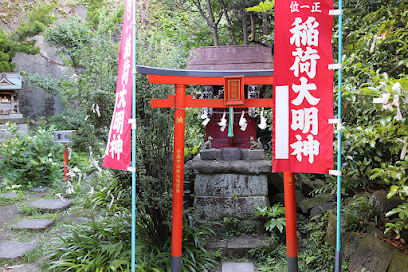
Otsuna Kompira Shrine
Kanagawa 221-0834
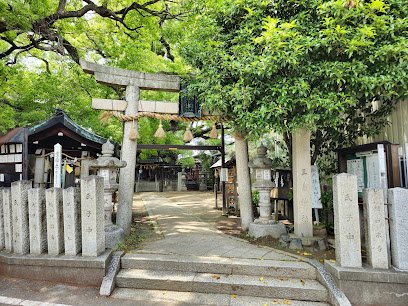
Mitsushima Shrine
Osaka 571-0015
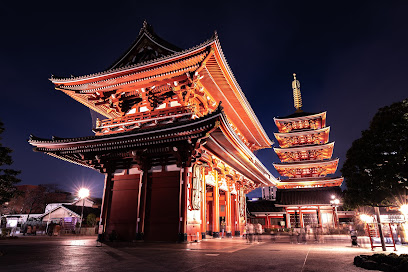
Sensō-ji
Tokyo 111-0032
Completed in 645, this temple, Tokyo's oldest, was built to honor Kannon, the goddess of m...
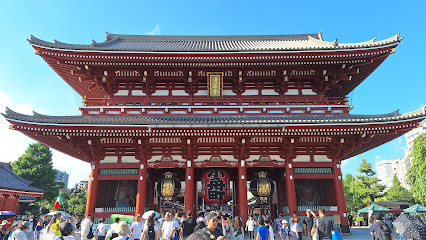
Kaminarimon
Tokyo 111-0032
A 3.9m-tall lantern greets visitors to this stately gate at the entrance to Sensō-ji templ...
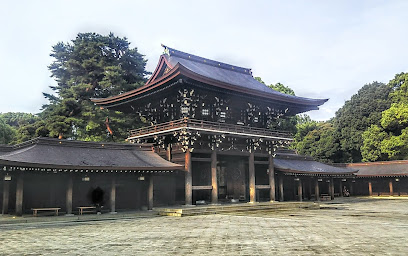
Meiji Jingu
Tokyo 151-8557
Surrounded by forest, this venerable Shinto shrine features a seasonal iris garden.

Kushida Shrine
812-0026
Founded in 757 CE, this urban site annually hosts the city's largest festival, Hakata Gion...