

Shrines & temples
Japanese shrines
OSM directory
Explore Shinto shrines mapped from OpenStreetMap — filter by prefecture, city, or denomination. For curated travel listings, see featured landmark shrines below.
1,794 shrines
山神
山神
Shiga
Located in the city of Omi, Shiga Prefecture, mountain god shrine Mountain God Shrine honors the kami believed to reside within mountains and on sacred hills. This shrine is particularly dedicated to the reverence of nature and protection from natural disasters. Visitors can learn about local legends and myths surrounding the shrine's patron deity.
甘呂神社
甘呂神社
Shiga
Ganro-jinja Shrine, located in the city of Katsura, Shiga Prefecture, is one of Japan's oldest shrines, dating back to the 8th century. Dedicated to the kami of the same name, Ganro is believed to be a god of the sea and fertility. The shrine's architecture reflects its Heian-period origins, with a traditional Japanese-style main hall (haiden) and a rear hall (honden). Visitors can explore the tranquil gardens and take part in traditional festivals and ceremonies throughout the year.
六所神社
六所神社
Shiga
Located in the city of Nagahama, Shiga Prefecture, Sixto Shrine is a historic Shinto shrine dedicated to the god of the sea and fishing, as well as the god of agriculture and prosperity, Ryujin and Susanoo no Mikoto respectively. The shrine's design reflects its role as a guardian of Nagahama Port, with a majestic torii gate standing at the entrance. Visitors can experience traditional Japanese culture by watching the shrine's annual Cherry Blossom Festival or participating in a prayer for good fortune.
日吉神社
日吉神社
Shiga
The Dayo Shrine, located in Shiga Prefecture, is a sacred site dedicated to the Shinto deity, Tamazuchi-no-kami. The shrine's architecture is characteristic of the Heian period and features a traditional Japanese garden with a serene atmosphere. Visitors can experience the tranquility of the shrine by walking through its beautifully maintained grounds.
山田神社
山田神社
Shiga
Located in the city of Omiya, Shiga Prefecture, Mount Yatamarashino Shrine is a historic Shinto shrine dedicated to the god of the mountain and fertility. The shrine was originally built at the foot of Mount Yatamagami in 757 AD during the Nara period. It has undergone several renovations over the centuries and is famous for its beautiful cherry blossom trees, as well as its association with the legendary hero Minamoto no Yoshitsune.
神明神社
神明神社
Shiga
Located in the town of Nagahama, Godai Shrine is a historic Shinto shrine dedicated to Katsu-omi-gami and Inari Okami. The shrine's architecture reflects the Heian period, with a main hall (honden) featuring a five-story pagoda. Visitors can explore the surrounding gardens, which are particularly beautiful during cherry blossom season.
牛尾神社
牛尾神社
Shiga
Located in the city of Hikone, Shiga Prefecture, Hie Shrine is dedicated to the kami of the cow's tail, a symbol associated with fertility and prosperity. The shrine's architecture reflects its long history dating back to the Heian period (794-1185 CE), with a distinctive torii gate and a large hall that houses several shrines within shrines.
若宮神社
若宮神社
Shiga
Located in the scenic Lake Biwa region, Ifukuya Shrine is dedicated to the god of fertility and prosperity, particularly patron deity for farmers and rice merchants. This Shiga Prefecture shrine has a long history dating back to the Heian period (794-1185 CE) when it was known as Ifukuji. Over time, the shrine has undergone several transformations and rebuildings. The current structure is believed to have been built during the Edo period (1603-1867 CE). Visitors can observe the beautiful vermilion torii gate and explore the surrounding gardens which reflect a mix of traditional Japanese architecture with modern elements.
今堀日吉神社
今堀日吉神社
Shiga
Imahori-jinja is a Shinto shrine located in Hikone, Shiga Prefecture, dedicated to the god of good fortune and prosperity. The shrine's name 'Imahori' refers to its proximity to the Horiguchi River, which flows into Lake Biwa. According to legend, the shrine was founded by Emperor Ingyo of Japan in 714 CE as a way to purify his soul after a serious illness. The shrine's architecture reflects the Heian period (794-1185 CE) style, with a rectangular hall and a curved roof. The main hall is dedicated to Inazuma-no-kami, the god of lightning and thunder, while the smaller shrines are dedicated to various other kami, including Hachiman and Inari. Visitors can experience the shrine's tranquil atmosphere by strolling along the riverbank, offering prayers at the shrines, and enjoying traditional Japanese tea ceremonies. The shrine also hosts a annual Spring Festival (Matsuri) in late March, which features traditional performances, food stalls, and local handicrafts.
津島神社
津島神社
Shiga
Located on the island of Shikoku, Tsushima Island Shrine is a historic Shinto shrine dedicated to the kami of the same name. According to legend, the shrine was founded in 768 by Emperor Shōmu, who used it as a resting place for his father, Emperor Shōmu's, coffin during the funeral procession from Kyoto to Shikoku. Today, the shrine is known for its beautiful architecture and scenic views of Lake Biwa.
おせき社
おせき社
Shiga
Located in the Koka city of Shiga Prefecture, oseki-ji is a lesser-known Shinto shrine dedicated to the spirit of fallen workers. The shrine's history dates back to the Edo period (1603-1868), and its architecture reflects traditional Japanese designs with a distinctive tiled roof. Visitors can walk through the tranquil gardens, which are adorned with moss-covered stones and carefully pruned bonsai trees.
白鳥若宮神社
白鳥若宮神社
Shiga
White Swan Imperial Shrine, located in the picturesque town of Nagahama in Shiga Prefecture, is a tranquil oasis that honors the spirit of the White Swan. This shrine is closely associated with the legend of the White Swan, which is said to have carried the imperial princess, Kazuko, from her family's home on the island of Kyushu to her new life at court. The shrine's architecture reflects its historical significance, featuring a stunning wooden torii gate and traditional Japanese garden design. Visitors can experience the serene atmosphere and rich history of this sacred site by taking a peaceful stroll through the beautifully maintained grounds.
椎植神社
椎植神社
Shiga
Located in the city of Moriyama, Shiga Prefecture, Okinaimatsu Jinja is a Shinto shrine dedicated to Okinaimatsu no Kami, a local deity associated with prosperity and good fortune. The shrine's main hall was rebuilt during the Heian period (794-1185 CE), reflecting its historical significance. Visitors can experience traditional Japanese culture by participating in seasonal festivals and rituals, such as the spring cherry blossom viewing event.
井林神社
井林神社
Shiga
Iz liner Shrine in Shiga Prefecture is dedicated to the kami of IZ LIN, a local deity believed to protect the region's forests and rivers. The shrine's architecture reflects its Heian period origins, with a tranquil garden and a traditional torii gate. Visitors can experience the serene atmosphere by walking through the forested grounds, where they may catch glimpses of the shrine's rustic wooden buildings.
口之宮神社
口之宮神社
Shiga
Located in the city of Katsuyama, Shiga Prefecture, Ku no Myo Jinsha is a small but historic Shinto shrine dedicated to the goddess Ku no Kami, who is revered as the patron deity of sake breweries and the protector of merchants. The shrine's architecture reflects its age, with a traditional Hōryū-ji-style main hall dating back to the 16th century.
八千戈神社
八千戈神社
Shiga
Located in the city of Katsuyama, Shiga Prefecture, Eight Thousand Go Shrine is a sacred site dedicated to the kami of prosperity and good fortune. The shrine's architecture reflects its historical ties to the Taira clan, with a distinctive style blending elements of Heian and Kamakura periods. Its serene atmosphere invites visitors to reflect on their lives and seek blessings for a bountiful harvest.
若宮八幡神社
若宮八幡神社
Shiga
Located in the picturesque town of Nagahama, Ifukuji Shrine is dedicated to Inari Okami, the Shinto god of rice and industry. The shrine's unique architecture features a distinctive bell tower with a series of small shrines branching off from it, each representing a different aspect of Inari's domains. Visitors can experience the tranquility of the shrine's gardens and explore the surrounding Nagahama Castle ruins.
津島神社
津島神社
Shiga
Located on the picturesque island of Tsuruga, Tsushima Shrine is one of the oldest shrines in Japan, dating back to the Heian period (794-1185 CE). Dedicated to the Shinto god of the sea and fertility, Tsushigama Mikoto, the shrine boasts a distinctive rectangular tower with seven floors, symbolizing its connection to the seven seas. Visitors can explore the shrine's serene gardens, tranquil ponds, and historic structures, offering a glimpse into Japan's rich cultural heritage.
日吉神社
日吉神社
Shiga
Located in the city of Nagahama, Dayotsu-jinja Shrine is one of Japan's oldest shrines, dedicated to Tsukuyomi-no-kami, the Shinto god of the moon and the east. The shrine is also famous for its unique architecture, featuring a traditional Japanese-style torii gate and a beautiful garden with a scenic walkway along the coast.
諸木神社
諸木神社
Shiga
諸木神社 is a Shinto shrine located in the town of Echizen, Shiga Prefecture. The shrine is dedicated to the god of the forest, Inari Okami, and is known for its beautiful cherry blossom trees and traditional architecture. The shrine's main hall was rebuilt during the Meiji period (1868-1912) and features a unique hiragana inscription with the shrine's name.
世神社
世神社
Shiga
Located in the city of Echizen, Shiga Prefecture, Sekijinja Shrine is dedicated to the god of the sea and fertility, Inari Okami and the goddess of the harvest, Hohodenokami. The shrine's history dates back to 725 CE, during the Nara period, making it one of the oldest shrines in Japan.
五社神社
五社神社
Shiga
The Five-Deity Shrine in Hikone, Shiga Prefecture is a revered Shinto site that enshrines five powerful kami (deities). Located at the crossroads of four rivers, this sacred place is believed to possess healing properties and is often visited by locals seeking solace and blessings. The shrine's architecture reflects its historical significance, with many buildings dating back to the 17th century. A must-visit destination for those interested in Shinto culture and history.
富士神社
富士神社
Shiga
Fuji Shrine, located in Shiga Prefecture, is dedicated to the Shinto deity of Mount Fuji, also known as Fujisan or Sakurajima (meaning ' Cherry Tree Mountain'). The shrine's name reflects its connection to Japan's iconic mountain, which is considered sacred by the indigenous Ainu people and played a crucial role in Japanese culture and spirituality. Built on the shores of Lake Biwa, the shrine offers stunning views of Mount Fuji and serves as a popular pilgrimage site for locals and tourists alike.
市杵島神社
市杵島神社
Shiga
Located on City Island in Lake Biwa, Osaka City's counterpart being Kochi's Katsura Island, the City Island Shrine is an ancient Shinto shrine located in Shiga Prefecture, dedicated to the deity of good fortune, wealth, and prosperity. It was built during the Nara period (c. 750) on the site where a sacred tree stood. The shrine has played a significant role in the local economy for centuries.
Curated shrine listings
Hand-picked shrines and temples from our landmark guide.
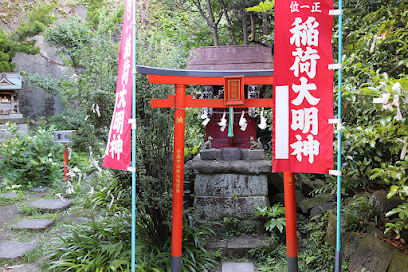
Otsuna Kompira Shrine
Kanagawa 221-0834
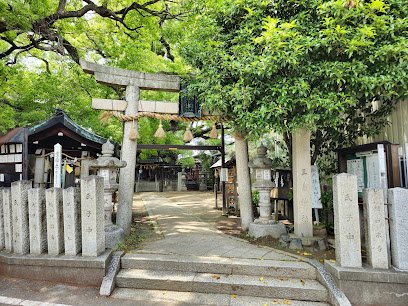
Mitsushima Shrine
Osaka 571-0015
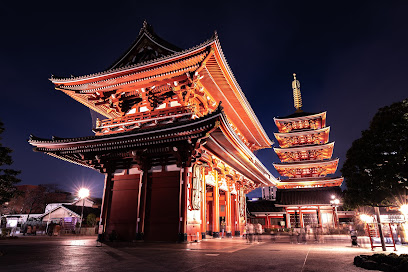
Sensō-ji
Tokyo 111-0032
Completed in 645, this temple, Tokyo's oldest, was built to honor Kannon, the goddess of m...
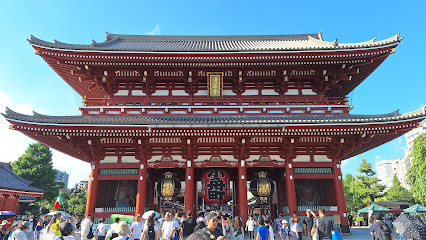
Kaminarimon
Tokyo 111-0032
A 3.9m-tall lantern greets visitors to this stately gate at the entrance to Sensō-ji templ...
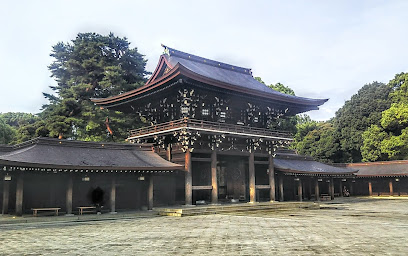
Meiji Jingu
Tokyo 151-8557
Surrounded by forest, this venerable Shinto shrine features a seasonal iris garden.

Kushida Shrine
812-0026
Founded in 757 CE, this urban site annually hosts the city's largest festival, Hakata Gion...