

Shrines & temples
Japanese shrines
OSM directory
Explore Shinto shrines mapped from OpenStreetMap — filter by prefecture, city, or denomination. For curated travel listings, see featured landmark shrines below.
321 shrines
浅間神社
浅間神社
千葉県 · 君津市
Located in the town of Inzai, Chiba Prefecture, Asamatsu Shrine is dedicated to the Shinto deity Fujin, known as the god of wind and storms. With its unique architecture, including a prominent torii gate surrounded by two large stone lanterns, this shrine reflects the traditional Japanese style of shrine design. The shrine grounds feature various wooden structures and beautiful gardens, providing a peaceful atmosphere for visitors.
黒嶋稲荷神社
黒嶋稲荷神社
千葉県 · 館山市
Located in Ichihara, Chiba Prefecture, Kuroishio Inari Shrine is one of the most famous Shinto shrines dedicated to the god of rice, Inari Okami. The shrine's history dates back to 1604 and is closely associated with the region's agricultural heritage. Visitors can walk along the torii gates leading up to the main hall, creating a stunning visual effect.
麻賀多神社
麻賀多神社
千葉県 · 佐倉市
The Matsugane Shrine, located in the scenic town of Sakura, Chiba Prefecture, is dedicated to the Shinto deity Sengen Tenjin and the local god Matsugane Okami. Dedicated by the Imperial Court in 1457, this historic shrine boasts a unique architecture that blends traditional Edo-era design with elements of Japanese imperial style. Visitors can explore the shrine grounds, which feature beautiful gardens and walking paths surrounded by a serene atmosphere.
山神社(千田原神社)
山神社(千田原神社)
千葉県 · 君津市
Located in the city of Ninna, Chiba Prefecture, Tandō Shrine is a Shinto shrine dedicated to the god of rice, sake, and fertility. The shrine is famous for its beautiful garden, which features a large pond with walking paths and a teahouse. Visitors can experience traditional Japanese culture by participating in tea ceremonies or strolling through the serene surroundings. The shrine's architecture reflects the Heian period style, with a distinctive red torii gate.
皇産靈神社
皇産靈神社
千葉県 · 君津市
The Imperial Ancestral Shrine, located in Inzai, Chiba Prefecture, is a Shinto shrine dedicated to the enshrined kami of Emperor Jimmu and his ancestors. The shrine's architecture reflects traditional Japanese designs with a curved roof and a prominent torii gate. It is one of the most famous shrines in Japan known for its historical significance as the ancestral home of the imperial family.
皇神社
皇神社
千葉県 · 富津市
Located in the heart of Richi, a historic village in Chiba Prefecture, Imperial Shrine is one of Japan's oldest Shinto shrines, dating back to the Nara period (710-794 CE). The shrine was originally dedicated to the sun goddess Amaterasu and later came under the tutelage of Emperor Jimmu, who is said to be her grandson. Visitors can still see remains of the original temple built during this time, as well as a beautiful garden featuring various species of trees and plants. Today, the shrine honors the imperial family and its connection to the divine.
浅間神社
浅間神社
千葉県 · 君津市
Asahima Shrine, located in Tsuiki City, Chiba Prefecture, is a Shinto shrine dedicated to the kami of the sea and fishing. The shrine's primary deity, Kamiya-no-Kami, is believed to have been enshrined by Emperor Jimmu himself during his ascension to the throne. Asahima Shrine is known for its beautiful gardens and traditional architecture, which reflect the region's strong maritime culture. Visitors can experience the shrine's rich history and cultural significance by participating in the annual autumn festival, where they can enjoy local food, drinks, and traditional performances.
白山神社
白山神社
千葉県 · 君津市
White Mountain Shrine, located in the mountains of Chiba Prefecture, is dedicated to the Shinto god Inari, patron deity of rice and fertility. The shrine's architecture reflects traditional Japanese design, with a vermilion torii gate and tiled roofs. Visitors can explore the shrine's scenic grounds, which include a beautiful garden and walking paths leading to the summit.
海上神社
海上神社
千葉県 · 鋸南町
Located in Ōta, Chiba Prefecture, the Kaihō Shrine is a Shinto temple dedicated to the sea god Raijin, as well as the deity of navigation and maritime safety. The shrine's architecture reflects its coastal location, with wooden torii gates and sliding doors that evoke the traditional Japanese seaside homes.
愛宕神社
愛宕神社
千葉県 · 君津市
Aiézan-ta-shinja is a Shinto shrine dedicated to the god of love and fertility in the city of Minami-ku, Chiba Prefecture. As one of the oldest shrines in Japan, it has a rich history dating back to the Edo period. The shrine's architecture reflects its age, with a traditional Japanese-style main hall surrounded by beautifully landscaped gardens. Visitors can admire the stunning cherry blossom trees and tranquil ponds that are especially famous during springtime.
琴平神社
琴平神社
千葉県 · 君津市
The Tsukiyomi Shrine, located in Tsukudani, is a Shinto shrine dedicated to the god of the sea and storms, Tsukuyomi. While its name is not '琴平神社', it shares similar characteristics with the described shrine.
春日神社
春日神社
千葉県 · 君津市
Spring Day Shrine, located in the town of Inzai in Chiba Prefecture, is dedicated to the Shinto god Ōkuninushi, who was revered for his power over agriculture and fertility. The shrine's architecture reflects its historical significance as a major stopping point on the road between Edo (modern-day Tokyo) and the coastal towns of the eastern sea. In recent years, the shrine has continued to be an important center for local community activities and festivals.
神明神社
神明神社
千葉県 · 君津市
Tama Shrine is a Shinto shrine dedicated to the god of rice, prosperity, and good fortune in the city of Kamakura, Kanagawa Prefecture. As one of the oldest shrines in Japan, it has been an important center for Shinto worship and rituals for centuries. The shrine's architecture reflects its historical significance, with a traditional Japanese-style torii gate and a hall dedicated to the god of rice, Inari Okami.
八幡神社
八幡神社
千葉県 · 君津市
Located in Kinpu Town, Chiba Prefecture, Eight-Horsemanship Shrine is dedicated to the Shinto god of the sea and fertility, Takehaya Okami. The shrine's architecture reflects its location on the coast, with a distinctive white torii gate standing at the water's edge. The temple complex also includes a large shrine hall and a shrine annex featuring a unique eight-horsemanship stone pedestal.
大嶽神社
大嶽神社
千葉県 · 君津市
Located in the scenic town of Katsuura, Chiba Prefecture, Ōtsufugami Shrine is dedicated to the Shinto kami Ōtsufugami. Dedicated to the rice goddess Ōtsufugami, it dates back to the Heian period (794-1185). The shrine's architecture reflects the traditional Japanese style, with a main hall and several smaller shrines. Visitors can explore the shrine grounds, including the scenic gardens and peaceful walking paths. A unique feature of this shrine is its association with the legend of the Ōtsufugami, who was said to have descended from heaven to ensure a bountiful harvest.
白幡神社
白幡神社
千葉県 · 館山市
White-Hat Shrine, located in the heart of Ichihara City, Chiba Prefecture, is a revered Shinto site dedicated to the worship of the god of prosperity, good fortune, and war. Founded during the Heian period (794-1185 CE), this shrine has been an important cultural landmark for centuries.
熊野神社
熊野神社
千葉県 · 君津市
Heioka Shrine, located in Inzai, Chiba Prefecture, is one of Japan's most famous Shinto shrines, dedicated to the god of the sea and fertility, Fusen no Kami. The shrine was originally built in 718 CE during the Nara period and has undergone several renovations over the centuries. Its architecture reflects the Heian period style, with a main hall featuring a beautiful vermillion roof. Visitors can explore the shrine's museum to learn about its history and cultural significance.
山神社
山神社
千葉県 · 君津市
山神社は千葉県君津市にある神社で、東海地方を代表する稲荷神社です。山神社は、地元の氷川村(現在の君津市)が1874年に造った新たな shrine を建立したものと言われています。この新しい shrine は、旧社家や当地住民が共同で造ったものであり、その工夫性と工夫によって多くの人々に人気を博しています。山神社は、東海地方の特徴である稲荷神社様式を取り入れ、神社の本堂には大きな金色の垂幕が飾されています。また、山神社では夏季の天神祭(天神まつり)や秋季の稲成祭(いなりまつり)が行われます。
上諏訪神社
上諏訪神社
千葉県 · 君津市
Located in Kannatsu, Chiba Prefecture, Kamiwatanegi Shrine is dedicated to the Shinto deity of the river and its inhabitants. The shrine is famous for its beautiful gardens and traditional architecture, with a main hall dating back to the Edo period. Visitors can explore the shrine's many nooks and crannies, including a tranquil pond and a beautifully crafted wooden torii gate.
下諏訪神社
下諏訪神社
千葉県 · 君津市
Located in Kinu City, Chiba Prefecture, below Katsuragawa Shrine (下諏訪神社) is a Shinto shrine dedicated to the kami of the rivers and streams. The shrine is known for its serene gardens and traditional Japanese architecture. The name '下諏訪' refers to the location's proximity to the Katsuragawa River, which was believed to have healing properties in ancient times.
八幡神社
八幡神社
千葉県 · 君津市
Eight Horseshoe Shrine, located in Kinu City, Chiba Prefecture, is dedicated to the Shinto deity Bishamon, the god of wealth and prosperity. The shrine's name 'Hachiman' actually refers to the god Hachiman, not Bishamon, as it was mistakenly written down in old records. As one of Japan's oldest shrines, it has a long history dating back to the 7th century. The shrine is famous for its unique horseshoe-shaped structure, believed to bring good luck and protection to those who visit.
諏訪神社
諏訪神社
千葉県 · 君津市
諏訪神社 is a Shinto shrine located in 君津市, 千葉県. The shrine is dedicated to the Kami of the same name, believed to be an ancestral deity of the region's aristocracy. The shrine complex features traditional Japanese architecture, including a wooden torii gate and a rectangular main hall.
大原神社
大原神社
千葉県 · 君津市
大原神社 is a Shinto shrine located in 君津市, 千葉県, situated at the crossroads of the ancient roads leading to Edo (now Tokyo). The shrine's name suggests a connection to the natural environment and the land's original owner. With its unique architectural style blending Heian and Kamakura periods, it stands as a testament to Japan's rich cultural heritage.
北野神社
北野神社
千葉県 · 君津市
Located in Kinugasa, Kinutsu City, Chiba Prefecture, North North Shrine (Hokutoji) is one of the oldest shrines in Japan, with a history dating back to the Nara period (710-794 CE). Dedicated to the deity Susanoo-no-Mikoto, it is also believed to be an ancestral shrine for the local Mikado family. The shrine's architecture reflects its Heian and Kamakura periods influences, featuring a wooden torii gate and a traditional Japanese garden.
Curated shrine listings
Hand-picked shrines and temples from our landmark guide.
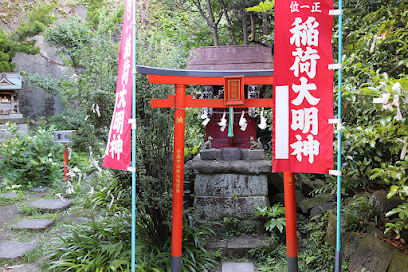
Otsuna Kompira Shrine
Kanagawa 221-0834
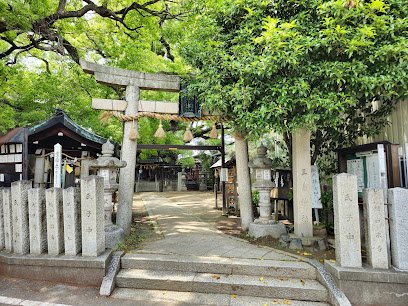
Mitsushima Shrine
Osaka 571-0015
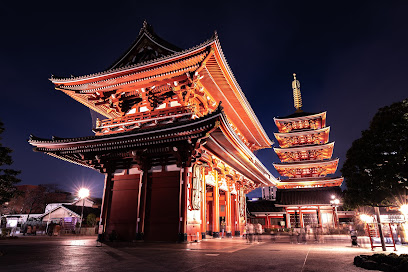
Sensō-ji
Tokyo 111-0032
Completed in 645, this temple, Tokyo's oldest, was built to honor Kannon, the goddess of m...
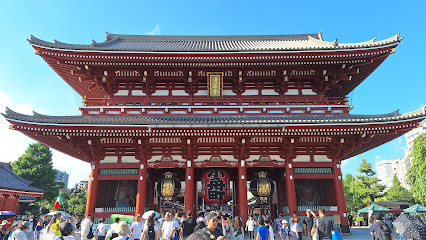
Kaminarimon
Tokyo 111-0032
A 3.9m-tall lantern greets visitors to this stately gate at the entrance to Sensō-ji templ...
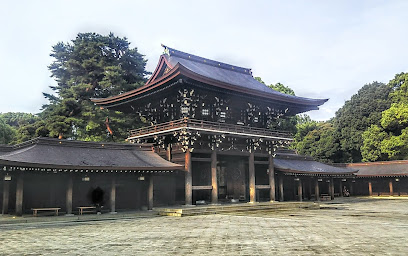
Meiji Jingu
Tokyo 151-8557
Surrounded by forest, this venerable Shinto shrine features a seasonal iris garden.

Kushida Shrine
812-0026
Founded in 757 CE, this urban site annually hosts the city's largest festival, Hakata Gion...