
Shrines & temples
Japanese shrines
OSM directory
Explore Shinto shrines mapped from OpenStreetMap — filter by prefecture, city, or denomination. For curated travel listings, see featured landmark shrines below.
1,072 shrines
三輪明神
三輪明神
Osaka
Located in the heart of Osaka, Sanrinmei Shin is a Shinto shrine dedicated to the god of prosperity and good fortune. The shrine's unique three-wheeled torii gate, called 'santetsu,' is believed to symbolize the trinity of heaven, earth, and sea. Visitors can experience the tranquility of this sacred site while strolling through its peaceful grounds.
大楠龍王
大楠龍王
Osaka
Located in the heart of Osaka, the Shitennō-ji Temple, also known as the Great Heavenly King Shrine, is one of Japan's oldest and most revered temples, housing the enshrined deity Narasasaki no Okami, a kami associated with thunder and lightning. The shrine's impressive architecture reflects its origins during the Nara period (710-794 CE), featuring a unique combination of Chinese and Japanese styles. A stroll through the temple grounds allows visitors to immerse themselves in the tranquility of nature and pay respects to this ancient Shinto site.
寿老神
寿老神
Osaka
Located in the heart of Osaka, the Shrine of Longevity and Age serves as a revered Shinto sanctuary dedicated to the kami responsible for ensuring longevity, good health, and prosperity. The shrine's architecture is characterized by a traditional Japanese design with a wooden torii gate and a serene garden. Visitors can expect to find various offerings made to the shrine's enshrined deities, including sake, mochi, and incense.
萩原神社
萩原神社
Osaka
萩原神社, located in Osaka Prefecture, is a Shinto shrine dedicated to the kami of the Emishi people, an ancient ethnic group from northern Japan. The shrine's architecture reflects the Heian period (794-1185 CE), with a main hall and torii gate constructed from traditional Japanese cedar wood. Visitors can explore the shrine grounds, which feature several shrines and shrines for various deities, including the Emishi kami. The shrine is also known for its beautiful gardens and traditional festivals held during the spring and autumn equinoxes.
八坂神社
八坂神社
Osaka
Located in the heart of Osaka, Eighteen Steps Shrine is a historic Shinto shrine dedicated to the worship of various kami. The shrine's architecture reflects the traditional Japanese style, with a main hall and several smaller shrines. According to legend, the shrine was founded during the Nara period (710-794 CE), making it one of the oldest in Japan.
若宮住吉神社
若宮住吉神社
Osaka
Ifukuji Shrine, located in Osaka's Osaka Castle Park, is dedicated to the kami of good fortune and protection. It is a Shinto shrine that honors the god of good luck, Amaterasu-Okami, while also featuring the enshrined kami of the legendary hero Minamoto no Yoshitsune. The shrine's architecture reflects traditional Japanese design with a tiled roof and sliding doors, making it an iconic landmark in Osaka. Visitors can enjoy the beautiful gardens, scenic views of the castle, and special festivals throughout the year such as the May Star Festival.
出雲大社大阪分祠御旅所(元宮)
出雲大社大阪分祠御旅所(元宮)
Osaka
Outo-no-Miya Ozaka Funen Taisha Osaka Honten is a Shinto shrine dedicated to the goddess Amaterasu and the god Susanoo, located in Osaka Prefecture. The shrine is famous for its beautiful architecture and traditional Japanese gardens. As one of the most important shrines in Japan, it is also known as Osaka's ' Imperial Palace'. The shrine was originally built as a branch shrine of the main temple at Ise, which is dedicated to Amaterasu.
大明神
大明神
Osaka
Located in the heart of Osaka, Daikōjin-sha is a historic Shinto shrine dedicated to the deity of learning and wisdom. Dating back to the Kamakura period (1185-1333), the shrine's architecture reflects traditional Japanese design with a distinctive tiled roof and wooden gate. As one of the oldest shrines in Osaka, Daikōjin-sha is not only an important cultural landmark but also a significant spiritual site for locals and tourists alike.
伴林氏神社
伴林氏神社
Osaka
Located in Osaka's Namba district, Comalin-sya Shinsha is a Shinto shrine dedicated to the deity of the mountain spirit known as Komagatane no Kamaboko-dokoro Komagatane, but more commonly associated with Kojin, the ancestral spirits of the local Komatsubara clan. The shrine's architecture reflects its location on a hill, featuring traditional Japanese design elements such as a tiled roof and wooden pillars.
土師ノ里八幡神社
土師ノ里八幡神社
Osaka
Tokushi-no-ori Hachiman Shrine is a Shinto shrine located in the city of Osaka, dedicated to the god of war and military victory. The shrine was built in the Heian period (794-1185) and is one of the oldest shrines in Osaka. Its name "Hachiman" refers to the legendary warrior deity Hachiman Okami, who is said to have helped Emperor Keiun defeat the Taira clan in battle. The shrine's architecture is characteristic of the Heian period, with a large torii gate and a sacred precinct surrounded by vermilion walls.
黒田神社
黒田神社
Osaka
Black田神社 is a Shinto shrine located in Osaka, Japan, dedicated to the kami of the same name. The shrine's history dates back to the Heian period (794-1185 CE), making it one of the oldest shrines in the region. Its architecture reflects the traditional Japanese style, with a honden featuring a distinctive roof and a torii gate. Black田神社 is also famous for its beautiful gardens and walking paths that evoke a sense of serenity.
御机神社
御机神社
Osaka
Tsuchimikado Shrine, located in Osaka, is a Shinto temple dedicated to the god of machinery and industry. The shrine's history dates back to the Heian period (794-1185 CE), and it has played an important role in the region's economic development. The shrine is known for its traditional architecture and unique cultural practices.
小山産土神社
小山産土神社
Osaka
小山産土神社 is a Shinto shrine located in Osaka, dedicated to the worship of the Kami of the mountains and fertile land. The shrine's architecture reflects its regional style, with a distinctive wooden torii gate adorned with intricate carvings of rice plants and other agricultural motifs. Visitors can explore the shrine's serene gardens, which feature beautifully manicured trees and a tranquil pond.
志疑神社
志疑神社
Osaka
The Jubi Shrine in Osaka is a Shinto shrine dedicated to the kami Inaba no Nakatami and also enshrines Otori Tsunemasa, a former daimyo of the Otori clan. The shrine's architecture reflects traditional Japanese design with its simple yet elegant torii gate and tiled roof. Visitors can explore the shrine's historic buildings and grounds, which include a beautiful garden and a museum showcasing local history and culture. The shrine is also known for its association with the 47 Ronin legend, a famous tale of loyalty and honor.
市場蛭子神社
市場蛭子神社
Osaka
Marketplace Eel God Shrine, a Shinto shrine located in Osaka, is dedicated to the worship of Ebisu, the god of prosperity and good fortune. According to legend, the shrine's name was given by the villagers who worshipped here after discovering an eel in their marketplace that led them to success and abundant harvests. Visitors can explore the shrine grounds, which feature a beautiful garden and historic buildings, while also experiencing traditional Shinto practices such as purification rituals.
八王子神社
八王子神社
Osaka
Located in the heart of Osaka, Eight Kings Shrine is a Shinto temple dedicated to the worship of eight deities associated with the eight kings of Yamato who ruled Japan from ancient times. The shrine's current structure dates back to the Edo period, but its origins can be traced back to the Heian era.
三宝荒神
三宝荒神
Osaka
The San no Aragami Shrine in Osaka is dedicated to the vengeful spirit of a woman who was wronged by her husband and later became a powerful onryō (vengeful spirit). According to legend, the woman's spirit roams the earth seeking revenge against men who have mistreated their wives. The shrine is known for its unique architectural style, which reflects the influences of both Shinto and Buddhist traditions.
船岡神社
船岡神社
Osaka
Located in the heart of Osaka, Shitennō-ji's sister shrine, Hakosaka Shrine, is dedicated to the sea and its bounty. As one of Japan's oldest shrines, it honors the region's rich maritime history. Visitors can explore the shrine's serene gardens and traditional architecture, which date back to the 8th century.
若宮八幡宮
若宮八幡宮
Osaka
Located in Osaka's Yodogawa Ward, Ifukuji Shrine is dedicated to the god of wealth and prosperity, Benzaiten. The current main hall was built during the Kamakura period (1192-1333), but the shrine has a long history dating back to the Nara period (710-794). The shrine's name 'Ifukuji' literally means 'the place where the wind from Ifukuji blows'. It is said that when the wind blows from the west, it carries the scent of incense and sweets, signaling good fortune.
甲子園八幡神社
甲子園八幡神社
Osaka
Located in the heart of Osaka, 甲子園八幡神社 is a revered Shinto shrine dedicated to the worship of Takehaya no Okami, the god of agriculture and fertility. With its rich history dating back to the Heian period, the shrine has played a significant role in the region's cultural and economic development. The shrine's architecture reflects the traditional Japanese style, with a distinctive octagonal gate and a serene garden.
三石神社社殿
三石神社社殿
Osaka
Located in the heart of Osaka, San'ei-jinsha Shrine is a historic Shinto temple dedicated to the worship of the Three Stones (San'ei) deity. The shrine's architecture reflects its Heian-era origins, with a traditional Japanese-style main hall and a peaceful garden. Visitors can experience the serene atmosphere of the shrine by taking a stroll through the tranquil grounds.
社務所
社務所
Osaka
The Shitsuji no Shinwa Shrine in Osaka is a lesser-known Shinto shrine dedicated to the Shitennō, the Ten Holy Gods of Japan. Located near the Osaka Castle, the shrine is said to have been founded during the Heian period (794-1185 CE) and is deeply connected to the local history and culture of the region. The shrine's architecture is typical of traditional Japanese Shintoism, featuring a simple yet elegant design with a vermilion torii gate and a wooden temple building. Visitors can explore the shrine grounds, which include several smaller shrines dedicated to various kami.
拝殿
拝殿
Osaka
The Hie Shrine in Osaka is a Shinto shrine dedicated to the god of war, Ōkami. With its rich history dating back to the Edo period, the shrine has been an important cultural and historical landmark in the region. Its unique architecture and beautiful gardens make it a popular destination for tourists and locals alike.
天高大明神
天高大明神
Osaka
Located in Osaka, the Tenryu-ji Temple is a famous Shinto shrine dedicated to the god of learning and wisdom, Kobo Daishi. Founded in 888 by Emperor Uda, it was originally constructed as a Buddhist temple but later converted to Shintoism in 1496. The shrine is known for its beautiful gardens and traditional architecture.
Curated shrine listings
Hand-picked shrines and temples from our landmark guide.
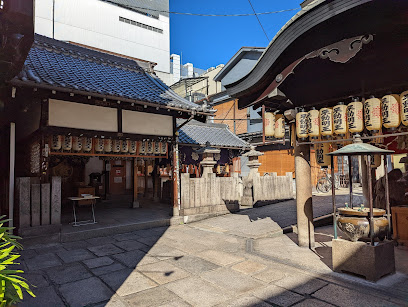
Hozen-ji Temple
542-0076
Intimate Buddhist temple along a quaint alley, with a moss-covered statue of the deity Fud...
Warabi Baitun Noor Cultural Center
Central
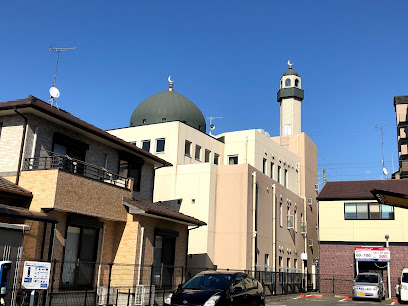
Fukuoka Masjid Al Nour Islamic Culture Center
812-0053
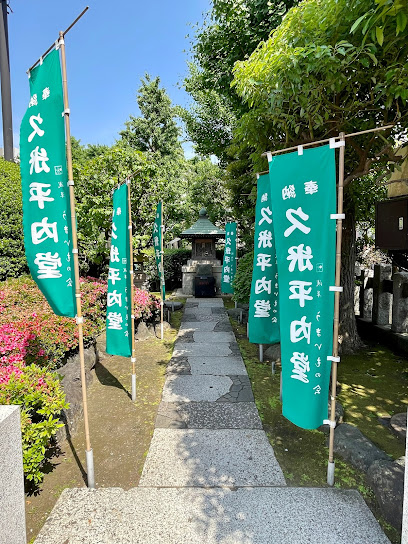
Kume no Heinai-dō
Tokyo 111-0032
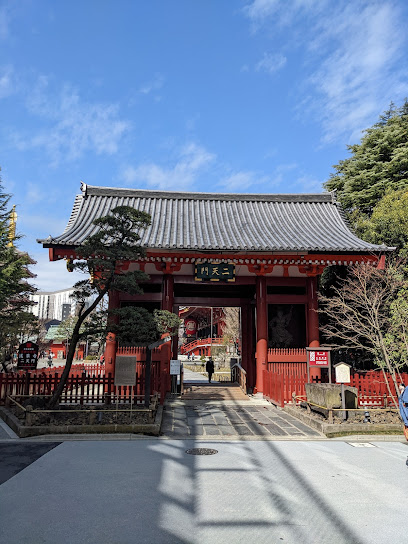
Nitenmon Gate
Tokyo 111-0032
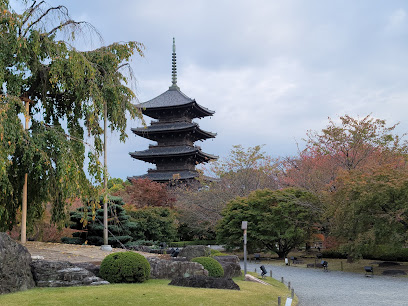
Tōji Temple
601-8473
Historic Buddhist temple with a 5-story wooden pagoda & sculptures of deities from the 8th...