

Shrines & temples
Japanese shrines
OSM directory
Explore Shinto shrines mapped from OpenStreetMap — filter by prefecture, city, or denomination. For curated travel listings, see featured landmark shrines below.
861 shrines
Funaokainari Jinja shrine
船岡稲荷神社
Niigata
Located in the city of Yuzawa, Niigata Prefecture, Funaoka Inari Shrine is a Shinto shrine dedicated to Inari Okami, the kami of rice, fertility, and prosperity. The shrine is famous for its beautiful gardens, historic torii gates, and traditional festivals. It is also known as 'Yuzawa's Treasure' due to its rich cultural heritage and historical significance.
Gassanhachimangu
月山八幡宮
Niigata
Gassanhachimangu Shrine is a Shinto shrine located in the town of Higashi-Murakami, Niigata Prefecture. Dedicated to Hachiman, the kami of war and patron deity of the samurai class, the shrine is renowned for its stunning architecture and historical significance. The shrine's current structure dates back to the 17th century, although it is believed that a predecessor shrine existed in the area since the Heian period. The shrine complex features several buildings, including the main hall, the vermillion torii gate, and the five-story pagoda. Visitors can explore the shrine grounds, which include several temples and shrines dedicated to other regional kami.
Hachiman Jinja shrine
八幡神社
Niigata
Located in Niigata Prefecture, Hachiman Jinja shrine is one of the oldest Shinto shrines in Japan, dedicated to the god of war and fertility, Hachiman. The shrine's architecture reflects its history dating back to the Nara period (710-794 CE), with a main hall modeled after Heian-style temples. The shrine complex features numerous statues and torii gates, creating an atmospheric and serene environment for visitors.
Hachiman Jinja shrine
八幡神社
Niigata
Hachiman Jinja Shrine, located in the heart of Niigata Prefecture, is a revered Shinto site dedicated to the deity Hachiman Ōkami. As one of Japan's most ancient shrines, it dates back to the Heian period (794-1185 CE), making it a testament to the region's rich cultural heritage. The shrine is renowned for its stunning architecture and serene natural surroundings, attracting visitors from all over the world.
Hakusan Jinja shrine
白山神社拝殿
Niigata
Located in the mountains of Niigata Prefecture, Hakusan Jinja Shrine is dedicated to the worship of Hakusan Tenjin, a kami believed to protect travelers and merchants. The shrine's architecture reflects its rural setting, with a traditional Japanese design featuring a large torii gate and a spacious main hall. Visitors can explore the shrine's many shrines and temples, including the dedicated shrine for Hakusan Tenjin, which is said to offer protection against illness and misfortune. The surrounding area offers stunning views of the surrounding mountains and forests, making it a popular destination for nature lovers and those seeking spiritual enlightenment.
Hakusan Jinja shrine
白山神社
Niigata
Located in the Japanese Alps, Hakusan Jinja Shrine is a Shinto temple dedicated to the mountain god Hakusan, who is revered as the patron deity of Niigata Prefecture. The shrine's current structure dates back to 1685, but it has undergone several renovations and expansions throughout its history. Visitors can explore the shrine's main hall, which features a stunning torii gate, and take in the breathtaking views of Mount Hakusan from the surrounding hills.
Hakusan Shrine
Niigata
Located in the heart of Niigata, Hakusan Shrine honors the mountain deity Hakusan-gami, revered for its protection and blessings. The shrine is situated amidst lush greenery, with a serene atmosphere that draws visitors seeking solace and tranquility.
Hakusan Shrine
小泊白山神社
Niigata
Located in the mountains of Niigata Prefecture, Hakusan Shrine is dedicated to the mountain deity Haku, a prominent kami in Shintoism. The shrine's architecture reflects traditional Japanese style, with a simple yet elegant design that harmonizes with its natural surroundings. Visitors can experience the serene beauty of the shrine, which offers stunning views of the surrounding mountains and valleys.
Haraedo Jinja Shrine
祓戸神社
Niigata
Located in the heart of Niigata, Haraedo Jinja Shrine is a Shinto shrine dedicated to the Kami of the sea and the fishing industry. Its history dates back to the Heian period (794-1185 CE), with the shrine's primary enshrinement believed to be that of Inari Okami, a god revered for his association with rice and fertility. The shrine is known for its unique architectural style, which blends traditional and modern elements. Visitors can explore the shrine's grounds, which feature various shrines and shrines dedicated to regional kami, including the Shinto deities of the sea, such as Inari Okami and the storm god, Fujin.
Higashikusano Shrine
東草野神社
Niigata
Located in the heart of Niigata Prefecture, Higashikusano Shrine is a serene Shinto sanctuary dedicated to the kami of rice, prosperity, and good harvests. As one of the oldest shrines in the region, it has been an integral part of local history and culture for centuries. The shrine's architecture reflects its historical significance, with traditional Japanese-style buildings and tranquil gardens.
Inari Jinja shrine
稲荷神社
Niigata
Inari Shrine, located in Niigata Prefecture, is one of Japan's most famous Shinto shrines dedicated to the god of rice, fertility, and prosperity. The shrine is famous for its thousands of vermillion torii gates hanging from the trees like lanterns, a unique feature that symbolizes the endless abundance of rice. Visitors often tie blue strings with their wishes on the gates for good luck. The shrine's architecture reflects its long history, with roots dating back to the 8th century during the Nara period. Inari Shrine is also known for its rich cultural heritage and traditional festivals.
Inari Jinja shrine
稲荷神社拝殿
Niigata
Inari Jinja shrine is a Shinto temple dedicated to the god of rice, fertility, and prosperity in Niigata Prefecture. Located near a river that flows into the Sea of Japan, the shrine's architecture reflects its connection with the natural world. The shrine complex features multiple shrines and halls, with each serving a specific purpose, including the main hall of Inari Ō-no-Mikoto and the shrine dedicated to Inari Okami, the god of rice and agriculture.
Inari Jinja shrine
稲荷神社
Niigata
Located in the Niigata Prefecture, Inari Jinja shrine is one of Japan's oldest and most revered Shinto shrines, dedicated to the worship of Inari Okami, the kami of rice and fertility. The shrine is famous for its thousands of vermilion torii gates that form a tunnel leading up the mountain, symbolizing purification and devotion. Visitors can walk through the gates to reach the inner shrine, where offerings are made to the deity.
Inari Jinja shrine
稲荷神社拝殿
Niigata
Inari Shrine in Niigata is dedicated to the Shinto deity Inari Okami, patron of rice, industry, and fertility. The shrine is renowned for its vermilion torii gates and ornate lanterns, reflecting the traditional beauty of Japanese architecture. Visitors can explore the shrine's serene gardens and shrines, each with their own distinct charm.
Itsukushima Shrine
厳島神社
Niigata
Itsukushima Shrine, located on Miyajima Island in Hiroshima Prefecture, is one of Japan's most famous Shinto shrines. The main hall appears to be floating during high tide, creating a surreal and breathtakingly beautiful atmosphere. This phenomenon is due to the shrine's unique location on a small island with a shallow foundation.
Kasuga Jinja shrine
春日神社
Niigata
Kasuga Jinja shrine is a Shinto shrine located in the heart of Echigo River Valley, Niigata Prefecture. Dedicated to the god Kasuga Okami, the shrine is renowned for its distinctive architecture and ornate decorations featuring local products such as Niigata's famous Japanese knotwork called 'kabane,' which are said to ward off evil spirits.
Kasuga Jinja shrine
春日神社
Niigata
Kasuga Jinja shrine is a Shinto shrine dedicated to the Amaterasu Okami, located in the heart of Niigata prefecture. The shrine's architecture reflects the Heian period (794-1185 CE), with a distinctive vermillion gate and a serene garden. During New Year's (Oshogatsu) festivities, visitors can participate in traditional rituals and observe the beautiful lantern-lit displays.
Keitoku Inari jinja shrine
慶徳稲荷神社 (Keitoku Inari jinja shrine)
Niigata
Located in the heart of Niigata Prefecture, Keitoku Inari jinja shrine is a revered Shinto temple dedicated to the worship of Inari Okami, the patron deity of rice, industry, and fertility. The shrine's name 'Keitoku' refers to its founding era during the Edo period, where 'kei' symbolizes good fortune and 'toku' signifies bounty. With its unique architectural style, blending traditional and modern elements, the shrine offers a fascinating glimpse into Japan's rich cultural heritage.
Keitoku Inari Jinja shrine
慶徳稲荷神社拝殿 (Keitoku Inari Jinja shrine)
Niigata
Located in the city of Kashiwazaki, Niigata Prefecture, Keitoku Inari Jinja shrine is a prominent Shinto temple dedicated to the deity Inari Okami, patron of rice and industry. The shrine's main hall, the honden, was rebuilt in 1630 during the Edo period, while the current torii gate was erected in 1887. Visitors can explore the shrine's grounds, which include a tranquil pond with a picturesque walking path and several smaller shrines dedicated to various kami. The shrine also hosts festivals throughout the year, including the autumnal Miyuki Matsuri festival.
Kira Jinja Shrine
雲母神社
Niigata
Kira Jinja Shrine is a Shinto temple located in the town of Minami-Kawauchi, Niigata Prefecture. The shrine is dedicated to Kira, a kami associated with fertility and abundance. The shrine's architecture reflects the traditional Japanese style, with a main hall covered in thatched roofing and vermillion walls. Visitors can explore the shrine's serene gardens and forests, which are said to be inhabited by various spirits and deities. Despite its remote location, the shrine is an important cultural and spiritual site for locals.
Kokoro Shimizu Hachiman Jinja shrine
心清水八幡神社本殿 (Kokoro Shimizu Hachiman Jinja shrine)
Niigata
Located in the heart of Niigata City, Kokoro Shimizu Hachiman Jinja shrine is a revered Shinto temple dedicated to the kami Hachiman. Built on the site where a 7th-century temple once stood, the current main hall was constructed during the Edo period, showcasing traditional Japanese architecture. The shrine's name 'Kokoro Shimizu' translates to 'Heart of the Clear Water,' reflecting its serene surroundings by the Shimizu River.
Kokoro Shimizu Hachiman Jinja shrine
心清水八幡神社拝殿 (Kokoro Shimizu Hachiman Jinja shrine)
Niigata
Located in the heart of Niigata, Kokoro Shimizu Hachiman Jinja shrine is a sacred site dedicated to the worship of Hachiman, the Shinto god of war and patron deity of scholars and poets. The shrine's name, meaning 'heart-clearing water', reflects its association with purification and spiritual renewal. Founded in 1612, the shrine has undergone several renovations, including a major reconstruction in 2008, to maintain its traditional architecture while ensuring the well-being of its visitors.
Kokoro Shimizu Hachiman Jinja shrine
心清水八幡神社 (Kokoro Shimizu Hachiman Jinja shrine)
Niigata
Kokoro Shimizu Hachiman Jinja shrine is a Shinto shrine dedicated to the deity Hachiman, located in Niigata Prefecture. The shrine's name 'Kokoro' roughly translates to 'heart-clear water', suggesting a connection to the spiritual realm. The shrine's architecture reflects traditional Japanese design, with a vermilion torii gate and a wooden main hall. As one of the many shrines dedicated to Hachiman, Kokoro Shimizu is believed to offer protection and good fortune to those visiting.
Minato Inari Shrine
湊稲荷神社
Niigata
Minato Inari Shrine is a Shinto shrine located in Minato, Niigata Prefecture. Dedicated to the kami of fertility and prosperity, the shrine is famous for its beautiful cherry blossom trees and traditional torii gate. Visitors can experience the serene atmosphere of the shrine by walking through the tranquil gardens and offering prayers at the main altar.
Curated shrine listings
Hand-picked shrines and temples from our landmark guide.
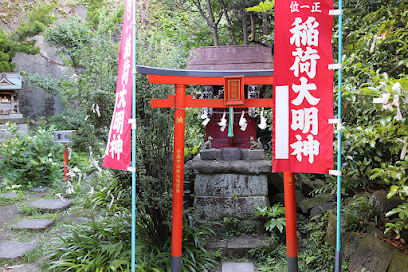
Otsuna Kompira Shrine
Kanagawa 221-0834
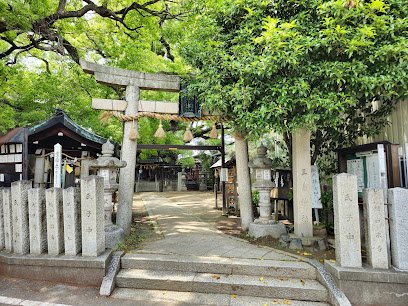
Mitsushima Shrine
Osaka 571-0015
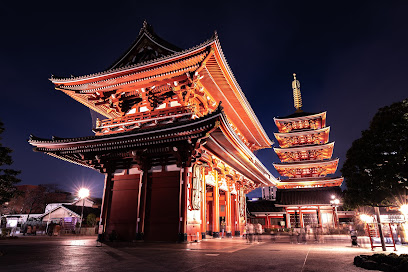
Sensō-ji
Tokyo 111-0032
Completed in 645, this temple, Tokyo's oldest, was built to honor Kannon, the goddess of m...
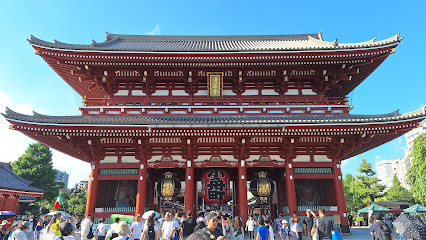
Kaminarimon
Tokyo 111-0032
A 3.9m-tall lantern greets visitors to this stately gate at the entrance to Sensō-ji templ...
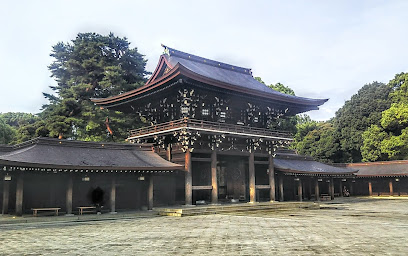
Meiji Jingu
Tokyo 151-8557
Surrounded by forest, this venerable Shinto shrine features a seasonal iris garden.

Kushida Shrine
812-0026
Founded in 757 CE, this urban site annually hosts the city's largest festival, Hakata Gion...