

Shrines & temples
Japanese shrines
OSM directory
Explore Shinto shrines mapped from OpenStreetMap — filter by prefecture, city, or denomination. For curated travel listings, see featured landmark shrines below.
857 shrines
八幡神社
八幡神社
Gunma
The Eightfold God Shrine, dedicated to the Shinto deity Fujin, is a prominent site in Gunma Prefecture. Believed to be established in the 10th century, this shrine is famous for its vibrant festivals and stunning architecture. The shrine's eight gates, which give it its name, are said to represent the eight virtues of Fujin.
諏訪神社
諏訪神社
Gunma
The Omiya-ji temple complex, which includes the Shrines of Hachiman and Okami, is located in Saitama Prefecture, but a nearby Shrine named to Okami, Shinto kami associated with the forest, is found in the Gunma prefecture. The shrine dedicated to Okami has been known as Okami no Mikasa since 1922, originally Okamisanjin Hie Shrine and Omiya-jinja was established in the year 736 by Emperor Shōmu. This enshrinement of a local deity Okami with forest-dwelling associations is unique for this temple, and it is a great place to visit if you want to learn about local traditions.
熊野神社
熊野神社
Gunma
Kumano Shrine, located in Gunma Prefecture, is a Shinto shrine dedicated to the Kumano goddess Kumagami. The shrine's architecture reflects the region's unique cultural heritage, with traditional wooden buildings and gardens that showcase the natural beauty of the surrounding mountains.
諏訪神社
諏訪神社
Gunma
Located in the Gunma Prefecture, 諏訪神社 is a Shinto shrine dedicated to the kami of the same name, known as 'the messenger god' or 'the god of messengers.' The shrine's history dates back to the Nara period (794-1185 CE), and it has been an important center for Shinto worship in the region ever since. The shrine is famous for its unique architectural style, which blends traditional Shinto design with elements of Japanese Buddhist architecture. Visitors can explore the shrine's grounds, which include a beautiful garden and several historic buildings.
薬王神社
薬王神社
Gunma
Located in the city of Takasaki, Gunma Prefecture, Takagamine Shrine is dedicated to the deity of medicine and healing. The shrine's name translates to 'Pharmacist God' or 'Medicine King', reflecting its association with the field of medicine. As a Shinto shrine, it has played an important role in the community for centuries, particularly during times of illness or injury.
遠久満神社
遠久満神社
Gunma
Located in the city of Ōtawara, Gunma Prefecture, Fūryū Manjinsa is a Shinto shrine dedicated to Fūryū Manji, a kami associated with longevity and good fortune. The shrine's architecture reflects the traditional Japanese style, with a main hall, several smaller shrines, and a sacred tree. Visitors can explore the shrine's grounds, which also feature a museum showcasing local history and culture. The shrine is particularly famous for its connection to the myth of Ōtawara no Mori, a legendary forest said to have been created by Fūryū Manji.
鹿飼神明神社
鹿飼神明神社
Gunma
Located in the heart of Gunma Prefecture,鹿飼神明神社 (Kamigawa Shrine) is a serene Shinto shrine dedicated to the deity Kamigawa Okami, a kami associated with agriculture and animal husbandry. The shrine's architecture reflects the traditional Japanese style, with a rectangular main hall and a beautiful garden featuring native trees and plants. Visitors can experience the tranquility of this peaceful oasis while learning about the rich history and mythology behind the shrine.
石田本郷稲荷神社
石田本郷稲荷神社
Gunma
Stonehenge Shrine in Gunma Prefecture is dedicated to the Shinto god of agriculture, Inari Okami. The shrine's history dates back to the Edo period (1603-1867) and features a unique blend of traditional Japanese architecture with Western influences. Visitors can explore the shrine's grounds, which include a beautiful garden and a statue of Inari Okami riding a tortoise.
産土神社
産土神社
Gunma
Sotojinja Shrine is a Shinto temple located in the town of Shibukawa, Gunma Prefecture. As its name suggests, Sotojinja Shrine honors the kami of the land, particularly the deity of soil and fertility. The shrine's architecture reflects the regional style of the area, with a simple yet elegant design featuring a main hall dedicated to the primary deity.
宿粒八幡神社
宿粒八幡神社
Gunma
Located in the city of Shibukawa, Gunma Prefecture, Sono Kura Hachiman Shrine is dedicated to Hachiman Ōkami, the Shinto god of war and patron deity of warriors. The shrine is known for its unique architectural style, which combines elements of traditional Japanese design with local influences from the region's history as a hub for textile production. Visitors can explore the shrine's museum, which showcases a collection of artifacts related to the shrine and its history.
今井神社
今井神社
Gunma
Imamachi Shrine, located in Gunma Prefecture, is a Shinto shrine dedicated to the kami of the same name, who is said to be the god of wells and springs. The shrine's architecture reflects traditional Japanese design with its main hall and shrine buildings situated amidst lush greenery. While less well-known than other shrines in Japan, Imamachi Shrine still maintains its unique charm and offers a serene escape from modern life.
角折神社
角折神社
Gunma
Located in Gunma Prefecture, Akasaka Shrine is a Shinto temple dedicated to the kami of the mountain and forest. Its name, "Akasaka," translates to "red-hill" or "red-mountain," possibly referencing its reddish-brown granite foundation stone. As one of Japan's oldest shrines, it was established during the Nara period (710-794 CE) to honor the gods of the mountain and forest. In traditional Japanese architecture, the shrine is characterized by a simple yet elegant design, featuring a large torii gate made from wooden pillars adorned with vermilion paint.
雷電神社
雷電神社
Gunma
Reigendanjinsha, or Rei-ten-jin-sha, is a Shinto shrine located in the city of Takasaki, Gunma Prefecture. The shrine honors Raijū, the Shinto god of lightning and storms, and Tenjin, the deity associated with scholarship and the arts. Dedicated to the memory of Minamoto no Yoshitsune, a renowned Japanese general and statesman, the shrine is said to have been built during the Kamakura period (1185-1333). Visitors can witness the distinctive Rei-ten-jin-sha's architecture, which features a striking pagoda and several traditional Japanese buildings.
石神社
石神社
Gunma
Stone Shrine is a Shinto shrine located in the town of Tateyama, Gunma Prefecture. The shrine is dedicated to the local deity of stone and rock, known as 'tōjin' or 'tōsei', which are believed to possess spiritual power and protect the community from natural disasters. The shrine's architecture reflects the traditional Japanese style, with a wooden torii gate and a thatched roof.
御霊稲荷神社
御霊稲荷神社
Gunma
Located in the heart of Gunma Prefecture, 御霊稲荷神社 is a Shinto shrine dedicated to the rice goddess Amaterasu and the god of agriculture, Inazuma. The shrine's name, 御霊 (Goryō), translates to 'sacred spirit' or 'divine spirit,' emphasizing its connection to the divine realm. With its rich history dating back to the 17th century, this shrine is a testament to Japan's enduring reverence for nature and the cycles of life.
飯玉神社
飯玉神社
Gunma
Fujiyama Shrine, located in the city of Fukushima, Gunma Prefecture, is dedicated to the Shinto deity Fujimikage, a manifestation of Fujisan (Mount Fuji). The shrine is situated on a hill overlooking the surrounding landscape, and its architecture reflects traditional Japanese design elements. Visitors can explore the inner shrine, which features a large torii gate and a traditional honden, as well as the nearby Fujiyama Shrine Museum to learn more about the history and significance of the shrine.
東石清水八幡神社
東石清水八幡神社
Gunma
Located in the city of Takasaki, Gunma Prefecture, East Stone Clear Water Hachiman Shrine is a historic Shinto shrine dedicated to the god Hachiman, patron deity of warriors and travelers. The shrine's architecture reflects its age, with a main hall built during the Edo period and several smaller structures dating back to the Kamakura era. Visitors can explore the shrine grounds, which feature several stone lanterns, a large wooden torii gate, and a beautiful garden.
御嶽山至誠教
御嶽山至誠教
Gunma
Located in the heart of Gunma Prefecture, Ōshimo-san is a lesser-known Shinto shrine dedicated to the worship of the kami, Ōkunitama Hachiman-gū. The shrine's name, 御嶽山至誠教, translates to 'Sacred Mountain Faithful Teaching.' Ōshimo-san is nestled among lush forests and rolling hills, offering a serene escape from urban life. According to local legend, the shrine was built by the Ōshimo family in the 16th century to honor their patron deity.
日枝神社
日枝神社
Gunma
Dayeh Jinsha, located in Gunma Prefecture, is a Shinto shrine dedicated to the kami of a rice paddy and a nearby river. The shrine's architecture reflects its rural setting, with a main hall and several smaller shrines. Dayeh Jinsha is believed to have been founded during the Edo period (1603-1868) and enshrines a variety of kami, including those associated with agriculture, water, and fertility.
八坂神社
八坂神社
Gunma
Located in the town of Yambaru, Gunma Prefecture, Eight坂神社 is a Shinto shrine dedicated to the god Sakahama-no-Okami, the protector deity of travelers and hunters. The shrine's name 'Hachisaka' roughly translates to 'eight steps.' This unique name likely refers to the eight stone staircases that lead up to the shrine's main hall, where a large torii gate stands sentinel. A popular spot for hikers and nature lovers, Eight坂神社 offers breathtaking views of the surrounding mountains and forests.
今城青坂稲実池上神社
今城青坂稲実池上神社
Gunma
Located in the prefecture of Gunma, Shimo-Maegi Shrine is dedicated to the gods of agriculture and fertility. The shrine is famous for its beautiful garden and traditional Japanese architecture. Its history dates back to the 17th century, during the Edo period.
三嶋神社
三嶋神社
Gunma
Located in the Gunma prefecture, Shinto shrines often feature traditional architectural styles such as hippon (a type of gate) and torii gates. This shrine is dedicated to the deities of Mt. Myōkō and the surrounding area, with a focus on rice and agriculture. Visitors can experience the peaceful atmosphere and take in the scenic views of Mt. Myōkō.
諏訪神社
諏訪神社
Gunma
Fushimi Inari Shrine, located in Fushimi Ward, Kyoto, is one of the most famous Shinto shrines in Japan. Dedicated to the god of rice, Ukanose-no-okami, it is known for its thousands of vermilion torii gates that form a tunnel up the mountain. The shrine was originally established in 711 CE, and its significance has endured through the centuries as a symbol of good luck and prosperity. Visitors can still walk through the gates and experience the serene atmosphere of this iconic Shinto site.
愛宕神社
愛宕神社
Gunma
愛宕神社 is a Shinto shrine located in Gunma Prefecture, dedicated to the kami Amaterasu Ōmikami, the Shinto sun goddess and ancestral deity of the Japanese imperial family. The shrine is built in the traditional Heian-period style, with a vermilion torii gate and a large hall, Haiden, housing the main shrine area. The shrine complex also features several smaller shrines and a pond, creating a serene atmosphere for visitors to connect with nature and honor the kami.
Curated shrine listings
Hand-picked shrines and temples from our landmark guide.
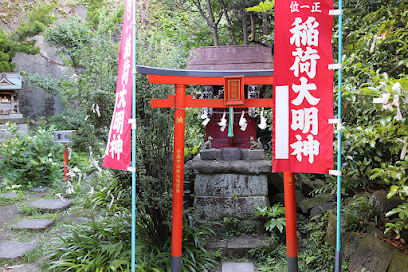
Otsuna Kompira Shrine
Kanagawa 221-0834
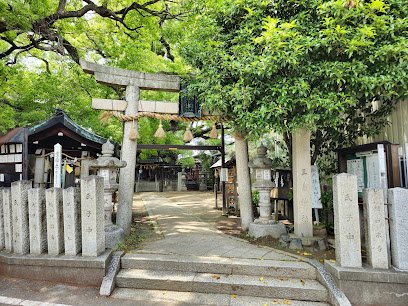
Mitsushima Shrine
Osaka 571-0015
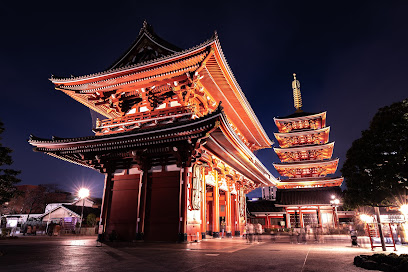
Sensō-ji
Tokyo 111-0032
Completed in 645, this temple, Tokyo's oldest, was built to honor Kannon, the goddess of m...
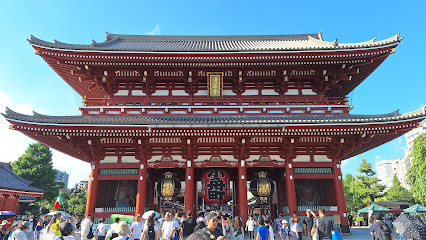
Kaminarimon
Tokyo 111-0032
A 3.9m-tall lantern greets visitors to this stately gate at the entrance to Sensō-ji templ...
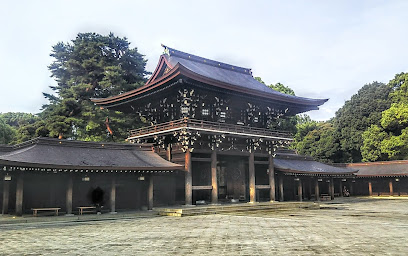
Meiji Jingu
Tokyo 151-8557
Surrounded by forest, this venerable Shinto shrine features a seasonal iris garden.

Kushida Shrine
812-0026
Founded in 757 CE, this urban site annually hosts the city's largest festival, Hakata Gion...