

Shrines & temples
Japanese shrines
OSM directory
Explore Shinto shrines mapped from OpenStreetMap — filter by prefecture, city, or denomination. For curated travel listings, see featured landmark shrines below.
554 shrines
Hiai Shrine
日合神社
Fukuoka
Hiai Shrine, located in Fukuoka Prefecture, is a Shinto shrine dedicated to the kami of the same name. As one of the oldest shrines in Japan, it has been an important cultural and historical site for centuries. The shrine's architecture reflects traditional Japanese design, with a main hall made of tatami-matted wooden floors and sliding doors. Visitors can explore the shrine grounds, which include several smaller shrines and a tranquil garden.
Hitomaru Shrine
人丸神社
Fukuoka
Hitomaru Shrine is a Shinto shrine located in Fukuoka Prefecture, dedicated to the kami of the same name. As one of the oldest shrines in Kyushu, it showcases traditional Japanese architecture and is steeped in local history and culture. The shrine's unique structure features a distinctive tower with a wooden beam adorned with carvings depicting various scenes from Japanese mythology.
Hiyoshi Shrine
日吉神社
Fukuoka
Located in the city of Dazaifu, Fukuoka Prefecture, Hiyoshi Shrine is dedicated to the Shinto deity Susanoo, known as the 'Storm God' or 'Thunder God'. The shrine's name, Hiyoshi, means 'clouds' or 'heavenly', reflecting its association with the sky and thunder. Founded in 718 CE during the Nara period, Hiyoshi Shrine is one of Japan's oldest Shinto shrines.
Isozaki Shrine
磯崎神社
Fukuoka
Located in the heart of Fukuoka, Isozaki Shrine is a well-known Shinto shrine dedicated to the sea god Susanoo-no-Mikoto. The shrine's architecture and layout reflect its coastal location, with a distinctive pier-like structure and a tranquil garden area. Visitors can explore the shrine's historic buildings, take a stroll along the nearby beach, or participate in one of the many traditional festivals held throughout the year.
Kamado Jinja
竈門神社
Fukuoka
Located in Fukuoka Prefecture, Kamado Jinja Shrine is dedicated to the Shinto deity of fire and industry. The shrine's architecture reflects its association with blacksmithing and metalworking, featuring a distinctive torii gate and a large haiden (main hall). Visitors can experience the shrine's rich history and culture by attending one of its traditional festivals, such as the 'Kamado Festival' held in May, which celebrates the patron deity's role in protecting the local blacksmithing community. The shrine is also notable for its unique 'kakeganae' (wooden letters) signpost, featuring kanji characters that spell out the shrine's name.
Kego Shrine
警固神社
Fukuoka
Kego Shrine, located in Fukuoka Prefecture, is a Shinto shrine dedicated to the kami of the same name. According to local lore, Kego was a legendary warrior who lived during the Heian period and was revered for his bravery and martial prowess. The shrine's architecture reflects its historical significance, featuring traditional Japanese-style wooden buildings with tiled roofs. Visitors can experience the tranquil atmosphere of the shrine by taking a stroll through the surrounding gardens.
Koura Shrine
高良大社
Fukuoka
Koura Shrine, located in the heart of Fukuoka Prefecture, is a sacred Shinto site that has been revered for centuries. Dedicated to Inari Okami, the Shinto deity of rice and fertility, the shrine boasts an impressive architecture reflecting various historical periods, from the Kamakura era to the present day. Visitors can explore the shrine's beautiful gardens, tranquil walkways, and traditional buildings, offering a serene escape from the bustling city life.
Kumano Shrine
熊野神社
Fukuoka
Kumano Shrine, located in Fukuoka Prefecture, is one of the most sacred Shinto shrines dedicated to the legendary god of the Kumano region, known as Takemikazuchi. The shrine's architecture and traditions reflect its historical ties to the Heian period, with a unique blend of rustic simplicity and elegant refinement. Visitors can explore the shrine's tranquil grounds, adorned with ancient trees and vibrant cherry blossoms during spring.
Kushida Shrine
櫛田神社
Fukuoka
Located in the heart of Fukuoka, Kushida Shrine is one of Japan's oldest and most revered Shinto shrines, with a rich history dating back to the 8th century. Dedicated to the sun goddess Amaterasu, it is also believed to be the shrine where the legendary samurai lord Mochizuki Chiyome no Okami was enshrined, said to have possessed supernatural powers.
Manshiro Shrine
Fukuoka
Manshiro Shrine, located in Fukuoka Prefecture, is a sacred site dedicated to the Shinto deity of the sea, Manshirō Okami. This shrine honors the god of fishing and prosperity, and its architecture reflects the traditional style of a Fukuoka-based shrine. Visitors can admire the shrine's beautiful gardens and tranquil atmosphere, which are said to be especially auspicious for those seeking good fortune in business or maritime endeavors.
Matsubara Ebisu-sha Shrine
松原恵比須社
Fukuoka
Matsubara Ebisu-sha Shrine is a Shinto shrine located in the city of Dazaifu, Fukuoka Prefecture, on the northern island of Kyushu. Dedicated to the kami Ebisu, the shrine is famous for its beautiful gardens and traditional architecture, which have been well-preserved over time. The shrine's history dates back to the Edo period (1603-1867), when it was first established as a regional shrine.
Matsubara Inari-jinja Shrine
松原稲荷神社
Fukuoka
Located in the heart of Fukuoka, Matsubara Inari-jinja Shrine is a revered Shinto site dedicated to the worship of Inari Okami, the god of rice, fertility, and prosperity. The shrine's history dates back to the Edo period (1603-1867), during which it played an important role as a major producer of rice for the region. Its beautiful architecture, tranquil gardens, and vibrant festivals make it a must-visit destination for anyone interested in exploring Japan's rich cultural heritage.
Matsubara Kawaso-sha Shrine
松原河童社
Fukuoka
Matsubara Kawaso-sha Shrine is a Shinto shrine located in Fukuoka Prefecture, dedicated to the deity Kawaso, who is believed to protect travelers and children. The shrine's architecture reflects the Heian period style, with a rectangular main hall and a five-story pagoda. In the spring, visitors can enjoy the beautiful cherry blossom trees surrounding the shrine.
Matsubara Naginoki-sha Shrine
松原梛木社
Fukuoka
Matsubara Naginoki-sha Shrine is a Shinto shrine dedicated to the kami, Naginoki, located in the Matsubara neighborhood of Fukuoka City, Fukuoka Prefecture. The shrine's architecture reflects its historical significance as a prominent temple during the Edo period. Visitors can walk through the traditional Japanese-style gates and gates, while taking in the tranquil atmosphere.
Matsubara-jinja Shrine
松原神社 拝殿
Fukuoka
Located in the heart of Dazaifu, Fukuoka Prefecture, Matsubara-jinja Shrine is a well-preserved Shinto temple dedicated to the kami of good fortune and prosperity. Founded during the Kamakura period (1185-1333), this shrine has maintained its rich history and cultural significance, attracting visitors from across Japan. Its striking architecture, featuring a vermilion torii gate and elegant wooden buildings, reflects traditional Japanese design.
Matsune-sha Shrine
松根社
Fukuoka
Matsune-sha Shrine is a Shinto shrine located in the city of Dazaifu, Fukuoka Prefecture. The shrine is dedicated to Matsuneyama no Okami, a regional kami associated with rice and fertility. The shrine's architecture reflects the typical Heian period style, with a main hall, a shrine torii gate, and a garden. The shrine has played an important role in local agriculture and is still celebrated as an important site for rice harvests.
Matsuzaki Shrine
松崎神社
Fukuoka
Matsuzaki Shrine is a Shinto shrine located in Fukuoka Prefecture, dedicated to the kami of the same name. The shrine is situated at the foot of Mount Sasaki, a scenic hill offering stunning views of the surrounding area. While little is known about its founding era, it is believed to have been established during the Edo period. Matsuzaki Shrine is particularly famous for its beautiful gardens and traditional architecture, making it a popular destination for tourists and locals alike.
Mishima Shrine
御島神社
Fukuoka
Mishima Shrine is a Shinto shrine located in the heart of Fukuoka, dedicated to the enshrined deity Okami, god of the sea and fertility. As one of Japan's oldest shrines, it has been an important spiritual site for centuries, serving as a center for community activities and festivals. The shrine's architecture reflects its historical significance, with a traditional Japanese-style roofed hall (honden) surrounded by gardens and trees. Visitors can experience the tranquil atmosphere of the shrine while exploring its grounds.
Miyajidake Shrine
神社
Fukuoka
Located in the heart of Kyushu, Miyajidake Shrine is a serene Shinto temple nestled amidst lush greenery and towering palm trees. Dedicated to the kami of Mount Myojasan, the shrine's architecture blends seamlessly into its natural surroundings, reflecting the harmony between nature and human existence. A tranquil oasis for visitors seeking solace from the hustle and bustle of daily life.
Munakata Gokoku Shrine
宗像護國神社
Fukuoka
Located in the city of Munakata, Fukuoka Prefecture, Munakata Gokoku Shrine is a Shinto shrine dedicated to Inazuma Okami, also known as Inazuma Okami no Kami or Munakata-taisho. The shrine is situated on a hill overlooking the Ariake Sea and is famous for its beautiful gardens and traditional architecture. As one of the oldest shrines in Kyushu, it has played an important role in local history and culture for centuries.
Munakata Grand shrine Nakatsu-gū honden
宗像大社中津宮本殿
Fukuoka
Located in the city of Munakata, Fukuoka Prefecture, Munakata Grand Shrine Nakatsu-gū honden is a historic Shinto shrine dedicated to the sea god Ōkamisanzen no Kamado, as well as the deified spirits of the gods Susanoo and Amaterasu. The shrine's grand hall, honden, features a unique wooden construction style known as 'tōkyō,' characteristic of traditional Japanese architecture. Visitors can explore the surrounding grounds, including the historic Nakatsu Shrine Museum, which houses an impressive collection of Shinto artifacts and exhibits on local history and culture.
Nosohatimangu
曩祖八幡宮
Fukuoka
Nosohatimangu Shrine, located in Fukuoka Prefecture, is dedicated to the Shinto deity Susa-no-Okami, a kami associated with fertility and prosperity. The shrine's architecture reflects the Heian period style, with a wooden torii gate and a traditional honden (main hall). Visitors can explore the surrounding gardens, which feature a serene pond and walking paths. Nosohatimangu Shrine is also notable for its connections to local folklore, particularly in relation to the Fukuoka-style ' Hatamoto-gashira' samurai armor on display.
Odakeyama Shrine
愛嶽山
Fukuoka
Odakeyama Shrine, located in the scenic town of Aso, is a serene Shinto temple nestled amidst lush forests and rolling hills. Built on the ruins of an ancient castle, the shrine's architecture reflects its military origins, with watchtowers and stone walls still visible today. The shrine's primary kami, Fūjin Ryūjin, deities of wind and water, are said to have been worshipped by samurai warriors in past eras.
Odo Daijingu Shrine
小戸大神宮
Fukuoka
Odo Daijingu Shrine is a Shinto shrine located in the Fukuoka Prefecture, dedicated to the deity Inari Okami. The shrine's architecture reflects its historical significance as a major stop on the route between Dazaifu and Kyoto, two important cities during the Heian period. The shrine complex features a large torii gate, traditional Japanese buildings, and beautifully manicured gardens.
Curated shrine listings
Hand-picked shrines and temples from our landmark guide.
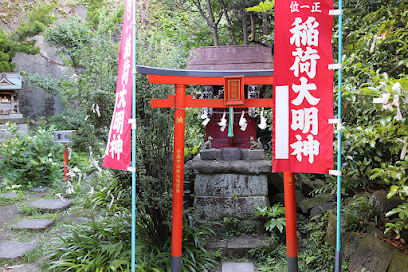
Otsuna Kompira Shrine
Kanagawa 221-0834
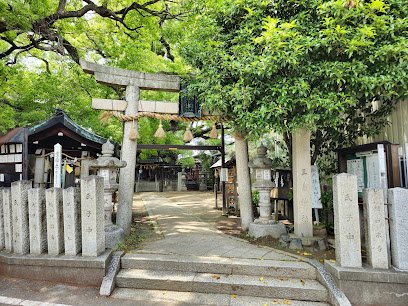
Mitsushima Shrine
Osaka 571-0015
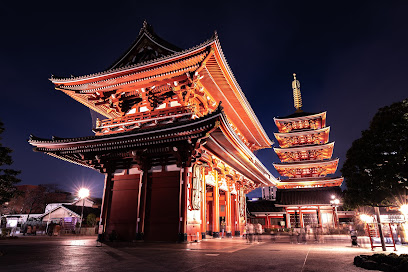
Sensō-ji
Tokyo 111-0032
Completed in 645, this temple, Tokyo's oldest, was built to honor Kannon, the goddess of m...
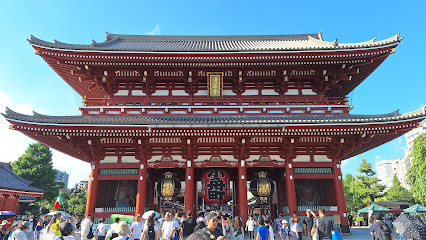
Kaminarimon
Tokyo 111-0032
A 3.9m-tall lantern greets visitors to this stately gate at the entrance to Sensō-ji templ...
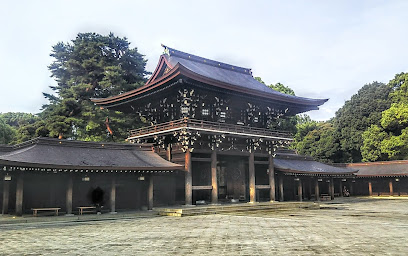
Meiji Jingu
Tokyo 151-8557
Surrounded by forest, this venerable Shinto shrine features a seasonal iris garden.

Kushida Shrine
812-0026
Founded in 757 CE, this urban site annually hosts the city's largest festival, Hakata Gion...