

Shrines & temples
Japanese shrines
OSM directory
Explore Shinto shrines mapped from OpenStreetMap — filter by prefecture, city, or denomination. For curated travel listings, see featured landmark shrines below.
978 shrines
白山神社
白山神社
Chiba
Located in the scenic town of Shirako, Chiba Prefecture, White Mountain Shrine is dedicated to the Shinto deity Susanoo-no-Mikoto and Tsukiyomi-no-Kami, both associated with storms and the heavens. The shrine's architecture reflects traditional Japanese design, featuring a large torii gate and a thatched roof. Visitors can explore the shrine's peaceful grounds, including a scenic walkway along the nearby Shirako Bay.
浅間神社
浅間神社
Chiba
浅間神社, located in the scenic town of Eniwa in Chiba Prefecture, is one of Japan's most famous onsen (hot spring) shrines. Dedicated to Fujin Ryujin, the wind and water kami, visitors come to purify themselves before bathing in the shrine's natural hot springs. The shrine's architecture reflects its unique history as a center for hot spring bathing, with traditional wooden buildings surrounded by lush gardens. As you approach the shrine, you'll notice the sound of rushing water and the scent of cedar, setting the tone for a serene and rejuvenating experience.
一本杉元八幡神社
一本杉元八幡神社
Chiba
One-branch pine Metabun-no-hachiman Shrine is a Shinto shrine located in the town of Matsudo, Chiba Prefecture, built during the Edo period. The shrine was constructed to honor the god of agriculture and fertility, Metabun-no-Hachiman, a regional deity believed to protect crops and ensure bountiful harvests. Located near the base of Mount Sanmu, the shrine is famous for its stunning pine tree, known as the 'one-branch pine,' which is said to be over 800 years old.
京極稲荷神社
京極稲荷神社
Chiba
Located in the heart of Chiba Prefecture,京極稲荷神社 is a Shinto shrine dedicated to the worship of Amaterasu Ōmikami and Inari Okami. The shrine's name reflects its proximity to Tokyo and its association with rice fields, which are said to have been a source of fertility for the kami. The shrine's architecture is characteristic of the Heian period, with a rectangular main hall and a large torii gate adorned with vermilion paint.
宮城熊野神社
宮城熊野神社
Chiba
Miyagawa Shrine, located in the scenic town of Ichihara in Chiba Prefecture, is dedicated to the Shinto deity Hachiman, patron god of war and scholar, as well as other kami including Kumano Tenjin and Inari Okami. The shrine's unique blend of traditional and modern architecture reflects its history as a site for educational and cultural exchange during the Edo period. Visitors can explore the beautiful gardens and grounds, which feature a stunning torii gate and several temples and shrines dedicated to various deities. The shrine is particularly famous for its 'Kagami-ori' (paper lanterns) festival held annually in November, where hundreds of intricately designed paper lanterns are released onto the wind.
守公神社
守公神社
Chiba
Located in the city of Funabashi, Chiba Prefecture, Takahashi Shrine is a Shinto shrine dedicated to Takahashi no Okami, the deity believed to protect the local community and industry. The shrine's architecture reflects its historical significance as a key location for rice production and trade. Visitors can admire traditional Japanese gardens and learn about the shrine's role in regional folklore.
三島神社
三島神社
Chiba
Located in the scenic town of Sakurako, Chiba Prefecture, San'ei-jinja Shrine is a revered Shinto shrine dedicated to the Sea God, Ryujin, and his daughter, Uzume. The shrine's architecture reflects its historical ties to the city's maritime heritage, with traditional Japanese wooden structures complemented by modern facilities. Visitors can explore the shrine's serene gardens, historic torii gates, and museum showcasing regional history.
八坂神社
八坂神社
Chiba
Located in the town of Soshita, Chiba Prefecture, Eight Saka Shrine is dedicated to the deified spirits of the eight victims of a tragic accident that occurred at the entrance of the shrine. The shrine's architecture reflects its connection to local legend and history.
腹旅八幡神社
腹旅八幡神社
Chiba
This Shinto shrine, located in the heart of Chiba Prefecture, is dedicated to the worship of Hachiman-gu, a revered kami associated with travel, business, and protection. The shrine's name, Abari Hachimantai, roughly translates to 'Traveler's Hachiman.' Visitors can explore the shrine's beautifully maintained gardens, including a serene pond and walking trails. The shrine's architecture reflects traditional Japanese design, with a distinctive red roof and elegant torii gate. Due to its historic significance and cultural importance, the shrine is a beloved destination for locals and tourists alike.
庚申神社
庚申神社
Chiba
Located in the city of Ichihara, Chiba Prefecture, Shingen shrine is a historic Shinto shrine dedicated to the god of thunder, Raijin. The shrine's architecture reflects traditional Japanese design, with a wooden torii gate and a honden featuring a curved roof. The shrine's grounds also feature several smaller shrines and altars, as well as a large stone monument marking the grave of a local samurai who died in battle.
荏原金刀比羅神社
荏原金刀比羅神社
Chiba
Located in Chiba Prefecture, Kadowari Kasugano Shrine is a Shinto shrine dedicated to the god Kasuga no Okami, one of the most revered deities in Japan's history. The shrine's name reflects its association with the legendary golden sword, Kasugatetsu, which was said to be wielded by Amaterasu, the sun goddess. The shrine's architecture and traditions are deeply rooted in the Heian period, making it a notable example of ancient Japanese Shintoism.
日枝神社
日枝神社
Chiba
Day枝 Shrine is a Shinto shrine located in the town of Tsunemi in Chiba Prefecture, Japan. Dedicated to the kami of the same name, Day枝 is believed to have been founded during the Heian period (794-1185 CE). The shrine's architecture reflects traditional Japanese design, with a rectangular torii gate and a series of herringbone-patterned wooden pillars. Visitors can explore the shrine's grounds, which include several scenic walking paths and a pond filled with lotus flowers.
茂侶神社
茂侶神社
Chiba
Motsu no Kami Shrine is a Shinto shrine located in Chiba Prefecture, dedicated to the deity of good luck, prosperity, and abundance. The shrine's name 'Motsu' means 'to gather or assemble,' reflecting its role as a meeting place for locals to seek blessings and good fortune.
浅間神社
浅間神社
Chiba
Located in the scenic town of Ichihara, Chiba Prefecture,浅間神社 (Ama-no-Moriya Shrine) is a Shinto shrine dedicated to the sea goddess Ama-no-Moriya, and her husband, Tsukuyomi, god of the moon. The shrine's architecture reflects its connection to the ocean, with distinctive torii gates and vermilion lacquer adorning the buildings.
八坂神社
八坂神社
Chiba
Located in the town of Eniwa, Chiba Prefecture, Eight-Sacred Shrine is a Shinto shrine dedicated to the kami of the eight sacred trees. The shrine's architecture reflects its historical significance as a site where Emperor Kinmei (507-571 CE) prayed for the founding of the Heian period, an era known for its cultural and artistic achievements. Visitors can explore the shrine grounds, which feature traditional Japanese gardens and walking paths. Eight-Sacred Shrine is also famous for its beautiful autumn foliage.
御影神社
御影神社
Chiba
The Ōgami Shrine in Chiba Prefecture is dedicated to the Shinto kami of the same name, known as the 'Shadow God'. This deity is believed to protect the boundaries between the human world and the spiritual realm. The shrine's architecture is a blend of traditional Japanese styles, with a large torii gate and a honden (main hall) adorned with vibrant vermilion paint. Visitors can explore the shrine's peaceful gardens and grounds, featuring walking paths, lanterns, and historic monuments.
車折社 ; 客神社
車折社 ; 客神社
Chiba
車折社 is a Shinto shrine located in the city of Ichihara, Chiba Prefecture. The name '車折' literally means 'car accident,' and according to local legend, the shrine was founded by a priest who prayed to the kami for protection from a car crash that occurred at this very spot. Over time, the shrine has become an important stopping point for travelers seeking safe passage on their journeys.
野見宿禰社
野見宿禰社
Chiba
The Nishiyamada Shrine, located in Chiba Prefecture, is a Shinto shrine dedicated to Suijin no Kami, the Water God. The shrine is situated by the mouth of the Yatate River and is famous for its beautiful autumn foliage and serene atmosphere. Visitors can walk along the riverbank and enjoy the changing colors of the leaves during the fall season.
住吉神社
住吉神社
Chiba
Reshaiki Jinsha is a Shinto shrine located in the town of Ichihara, Chiba Prefecture. Dedicated to the sun goddess Amaterasu and the god Susanoo, the shrine's name reflects its connection to the solar deity. Reshaiki Jinsha is known for its beautiful architecture and serene gardens, making it a popular destination for locals and tourists alike.
聖徳太子社
聖徳太子社
Chiba
The Saint Seiya Shrine in Chiba is dedicated to Okami-no-Mikoto, a Shinto deity associated with the sun and fertility. The shrine complex features traditional Japanese architecture, including a wooden torii gate and a hall adorned with intricate carvings. Visitors can explore the grounds, which include a serene pond and beautifully landscaped gardens.
天満天神社
天満天神社
Chiba
The Tennō-tenjin Shrine in Chiba Prefecture is dedicated to the Shinto deity Tsukiyomi, also known as Tennō, a god of the moon and the sea. The shrine's architecture reflects the traditional Heian period style, with a wooden torii gate and a curved roof. Located near the coast, the shrine is closely tied to the local fishing industry and is often visited by sailors and fishermen seeking protection and good fortune.
祖霊社 ; 花本社
祖霊社 ; 花本社
Chiba
Flower Shrine, located in the heart of the Chiba prefecture, is a serene Shinto site dedicated to the veneration of ancestral spirits and forest kami. The shrine's name, 。らるれいし (畁き), translates to 'Ancestor Shrine' or 'Forest Shrine', reflecting its connection to the natural world. As a popular tourist destination, visitors can experience the tranquil atmosphere and rich cultural heritage of this sacred site.
下町子安神社
下町子安神社
Chiba
Located in the heart of Chiba's Kitasaku district, Chomeizukamiya Shrine has been a local gathering place since the Edo period. Dedicated to the god of merchants and artisans, the shrine welcomes visitors with its vibrant torii gate and beautifully maintained grounds.
治兵衛稲荷神社
治兵衛稲荷神社
Chiba
Located in the Chiba Prefecture, Futsu-mura Inari Oku Shrine is a Shinto shrine dedicated to the god of rice, fertility, and prosperity. The shrine is famous for its unique architecture and beautiful gardens. As you enter the shrine grounds, you will notice a large torii gate and a tranquil pond with water lilies. The shrine's design is inspired by the traditional Edo-period architecture.
Curated shrine listings
Hand-picked shrines and temples from our landmark guide.
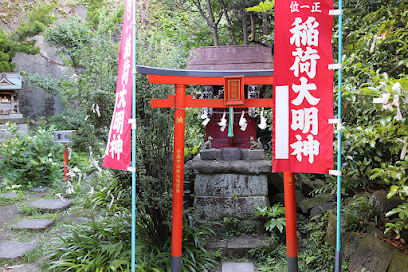
Otsuna Kompira Shrine
Kanagawa 221-0834
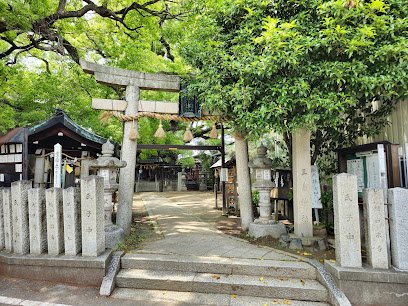
Mitsushima Shrine
Osaka 571-0015
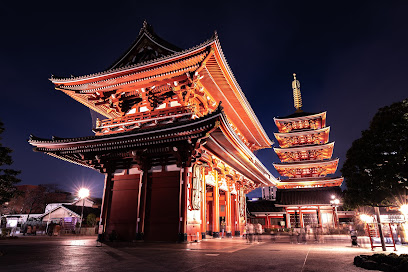
Sensō-ji
Tokyo 111-0032
Completed in 645, this temple, Tokyo's oldest, was built to honor Kannon, the goddess of m...
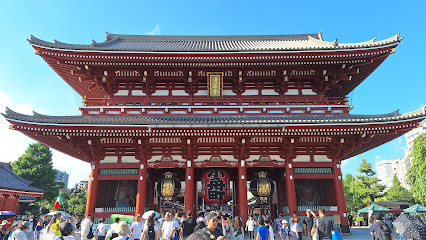
Kaminarimon
Tokyo 111-0032
A 3.9m-tall lantern greets visitors to this stately gate at the entrance to Sensō-ji templ...
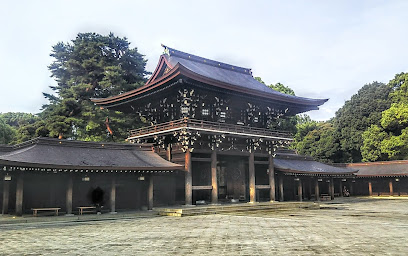
Meiji Jingu
Tokyo 151-8557
Surrounded by forest, this venerable Shinto shrine features a seasonal iris garden.

Kushida Shrine
812-0026
Founded in 757 CE, this urban site annually hosts the city's largest festival, Hakata Gion...