

Shrines & temples
Japanese shrines
OSM directory
Explore Shinto shrines mapped from OpenStreetMap — filter by prefecture, city, or denomination. For curated travel listings, see featured landmark shrines below.
835 shrines
熊野神社
熊野神社
Tokyo
Ko-mori no Taka Shrine, located in the heart of Hakone, is a Shinto shrine dedicated to the god of fire and the hearth, Ryujin and Benzaiten. The shrine was originally built in the 17th century and features a unique architectural style blending traditional Japanese designs with Western elements. Visitors can explore the shrine's gardens, which include a beautiful teahouse and a peaceful forested area.
お稲荷さま
お稲荷さま
Tokyo
Located in the heart of Tokyo, o-irihon-sama is a revered Shinto shrine dedicated to Inari Okami, the deity of rice and fertility. Built in 1663 during the Edo period, the shrine's architecture reflects traditional Japanese design, featuring a large torii gate adorned with vibrant greenery and a moss-covered main hall. Visitors can explore the shrine's serene gardens and admire the intricately carved wooden gates and eaves.
北中村御殿山稲荷
北中村御殿山稲荷
Tokyo
Located in Tokyo's northern suburbs, 北中村御殿山稲荷 Shrine is a rural Shinto shrine nestled amidst lush greenery, offering a serene escape from the bustling city. Dedicated to the rice goddess Inari Okami, the shrine is famous for its thousands of vermilion torii gates, which form a tunnel leading up the mountain. Visitors can explore the temple's tranquil grounds and take in the stunning views of the surrounding mountains.
慈雲稲荷社
慈雲稲荷社
Tokyo
Cindou Inari-dera is a Shinto shrine located in the heart of Setagaya, Tokyo. The shrine is famous for its thousands of vermilion torii gates that form a tunnel leading to the main shrine hall. Dedicated to Inari Okami, the god of rice and fertility, the shrine attracts millions of visitors each year. Visitors can explore the gates and pray for good fortune, success, and prosperity. The shrine's tranquil gardens and beautiful architecture make it a serene oasis in the midst of bustling Tokyo.
上之島神社
上之島神社
Tokyo
Located in the heart of Tokyo, Kominuma Shrine is a Shinto shrine dedicated to the kami of Mount Kominuma, a small hill with a scenic forested area and a serene pond. The shrine's architecture reflects its connection to nature, with a main hall featuring a traditional hippon-style roof and wooden pillars adorned with carvings of leaves and flowers. The shrine is also famous for its beautiful gardens and seasonal festivals, including the Cherry Blossom Festival in spring.
神明社
神明社
Tokyo
Godai-kojumon Shrine, located in the heart of Tokyo's Setagaya ward, is a Shinto shrine dedicated to the kami Godai, a powerful deity revered for his wisdom and strength. The shrine's architecture reflects its historical significance as a sacred site during the Edo period, with traditional wooden buildings and tranquil gardens. Visitors can explore the shrine's main hall, adorned with intricate carvings, and take part in traditional ceremonies and festivals, such as the Godai Shrine Festival in spring.
神明社
神明社
Tokyo
Located in the heart of Tokyo, Tōshōgū Shrine is a Shinto shrine dedicated to the deified spirits of the Tokugawa shoguns who ruled Japan from 1603 to 1867. The primary enshrined deity is Ōtafukūjin, but other kami such as Soga no Guruma and Namahage also reside within the shrine's grounds.
菊名神社
菊名神社
Tokyo · 横浜市
菊名神社 is a Shinto shrine located in Kanagawa Prefecture, specifically in the city of Yokohama. The shrine is famous for its beautiful gardens and tranquil atmosphere, making it a popular destination for both locals and tourists. Despite its modern location, the shrine maintains traditional Shinto architecture and decorum.
大宮天満宮
大宮天満宮
Tokyo
Located in the heart of Tokyo, Ōmiya Hachimangū is one of Japan's most revered Shinto shrines, dedicated to the god of war and fertility, Hachiman Tenjin. The shrine's impressive architecture reflects its historical significance as a major stop on the famous Nakasendo highway, which connected Edo (modern-day Tokyo) with Kyoto during the Edo period. Visitors can explore the serene grounds, adorned with traditional torii gates and beautifully manicured gardens, while learning about the rich history and mythology of Hachiman Tenjin.
大宮稲荷神社 三宝荒神社 白山神社
大宮稲荷神社 三宝荒神社 白山神社
Tokyo
Located in the heart of Tokyo, Big Mito Inari Shrine, Three Treasure Ararebiko Shrine, and White Mountain Shrine are intricately connected by shared histories and mythologies. These shrines pay homage to various aspects of Shintoism, including the rice goddess Inari Okami, the benevolent kami of good fortune, and the mountain god who watches over the spirits of the dead. Visitors can explore a serene oasis in the midst of bustling city life.
若宮八幡神社・白幡宮・御嶽榛名神社
若宮八幡神社・白幡宮・御嶽榛名神社
Tokyo
Located in the heart of Tokyo, Ifukuji Shrine is a Shinto shrine dedicated to various deities and shrines within the Mikawa Province. The shrine complex is situated at the foot of Ifuku Hill, which is said to be the place where the gods took shelter during the great flood. The shrine's history dates back to 1604, when it was founded by Date Masamune, a renowned daimyo and samurai.
金山彦神社
金山彦神社
Tokyo
Gold Mine Hachiman Shrine is a Shinto shrine located in the heart of Tokyo, dedicated to the god of war and fertility, Hachiman. The shrine's current structure dates back to the Edo period, although it is believed to have been built on an earlier site. The shrine is famous for its beautiful gardens and traditional architecture, which reflects the region's unique cultural heritage. Visitors can experience the tranquility of the shrine's grounds, perfect for a peaceful escape from the bustling city.
熊野神社
熊野神社
Tokyo
Kumano Okita Shrine, located in the heart of Tokyo, is one of Japan's oldest Shinto shrines, with a history dating back to the 8th century. Dedicated to the god of mountains, Kumano Taika, and the three great deities of the Kumano region: Kumano-no-kami, Kakinuma, and Yakata, this shrine is an important cultural landmark in Japan. The shrine's architecture reflects its historical significance, with a traditional Japanese design featuring wooden buildings and tiled roofs.
日枝神社
日枝神社
Tokyo
Dayo Shrine, located in Setagaya ward of Tokyo, is one of the oldest Shinto shrines in Japan. Dedicated to the storm god Susanoo and his brother Amaterasu, the shrine's architecture reflects its historical significance as a major center for Shinto worship during the Edo period. The shrine's main hall, Haiden, features a distinctive curved roof adorned with traditional Shinto decorations.
住吉神社
住吉神社
Tokyo
Reshū-jī Jinja is a Shinto shrine located in the heart of Tokyo, Japan, and is dedicated to the deity of good fortune, prosperity, and light, known as Tsukuyomi Ōkami. The shrine was founded in 1601 by Tokugawa Ietsuna, the third shogun of the Edo period, and is considered one of the most important shrines in Tokyo.
諏訪御嶽神社
諏訪御嶽神社
Tokyo
諏訪御嶽神社 is a Shinto shrine located in the Setagaya ward of Tokyo, dedicated to the deity Tsukuyomi-no-kami, the god of the moon and twin brother of Amaterasu. The shrine's architecture reflects its origins as a humble shrine built during the Kamakura period (1185-1333), with a distinctive torii gate and a forested area surrounding it. Visitors can explore the shrine's gardens and admire its serene atmosphere, reflecting the tranquility often associated with the moon. The shrine is particularly famous for its connections to Japanese folklore, where Tsukuyomi-no-kami plays an important role in various myths and legends.
神明神社
神明神社
Tokyo
Located in the heart of Tokyo, Kanda Myojin Shrine is one of the oldest and most revered Shinto shrines in Japan. Dedicated to the kami Amaterasu Omikami, the shrine is famous for its beautiful vermilion torii gate and traditional Japanese architecture. Visitors can explore the shrine's grounds, which include a sacred pond and a hall dedicated to the worship of the goddess Amaterasu.
甲神社
甲神社
Tokyo
Located in the heart of Tokyo, 甲神社 (Saijinsha) is a Shinto shrine dedicated to the god Saijōinakatsuhiko, a kami associated with fertility and prosperity. The shrine's architecture reflects the Heian period style, with a main hall and several smaller shrines. Visitors can admire the shrine's traditional torii gate and participate in festivals held twice a year, including the Saijin Matsuri in autumn.
天祖神社
天祖神社
Tokyo
Located in the heart of Tokyo, Tenzu-shinsha is a Shinto shrine dedicated to the kami of ancestors and the heavenly throne. The shrine's architecture reflects the Edo period, with its simple yet elegant design. It is said that the shrine was built during the Muromachi era, but the current structure dates back to the Meiji period. Visitors can enjoy traditional Japanese sweets and tea at the shrine's on-site teahouse.
八幡神社
八幡神社
Tokyo
Located in the heart of Tokyo, the Hachiman Shrine is one of Japan's most famous Shinto shrines, dedicated to the god of war and fertility, Hachiman. Founded in 645 CE during the Nara period, this shrine has served as a symbol of military power for centuries. Its architecture reflects the Heian period style, with a unique design that incorporates elements from various dynasties.
浅間神社
浅間神社
Tokyo
Located in the scenic town of Nikko, Tochigi Prefecture, not Tokyo, but very close to it, is the famous Toshogu Shrine. However, the Shinto shrine you've mentioned is likely a mistake and might be 浅間神社 (Sakainahikari no Michi) or 浅間大社 (Sakanaihikari). If that's correct, it's located in Saitama Prefecture, Japan. This Shinto shrine is dedicated to the gods of good luck, prosperity, and fertility, and is said to bring blessings for a happy life. The shrine complex features a large torii gate, a five-story pagoda, and several shrines dedicated to various kami.
御嶽神社
御嶽神社
Tokyo
Tokyo's oldest Shinto shrine, Otsuka Shrine was originally built in 645 AD as a Buddhist temple, but was later converted to Shintoism in the Heian period. The shrine is dedicated to the Shinto deity Otohime, daughter of the sea god Ryujin. The shrine complex features several historic buildings and beautiful gardens, showcasing traditional Japanese architecture.
南八幡宮
南八幡宮
Tokyo
Located in the heart of Tokyo,南八幡宮 is a historic Shinto shrine dedicated to the protection and prosperity of its community. Dedicated to the Bodhisattva of Mercy, Guanyin, as well as the Shinto god Hachiman, this shrine serves as a symbol of unity between Buddhism and Shintoism.
浅間神社
浅間神社
Tokyo
Located in the Chiba Prefecture, not Tokyo, Asukaga Shrine is dedicated to the god of war and fertility, Amaterasu Okami's twin sister, Himegimi. The shrine complex features a large torii gate and a sacred mirror placed within the honden to protect against evil spirits. Asukaga Shrine showcases unique architectural styles from different historical periods, including elements characteristic of the Kamakura era.
Curated shrine listings
Hand-picked shrines and temples from our landmark guide.
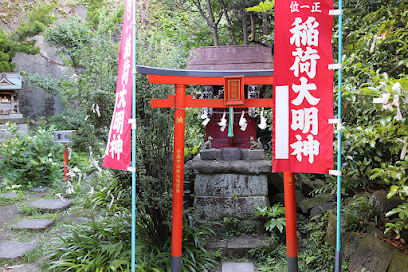
Otsuna Kompira Shrine
Kanagawa 221-0834
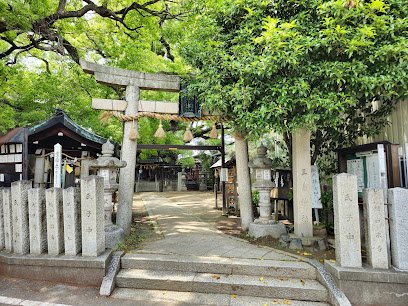
Mitsushima Shrine
Osaka 571-0015
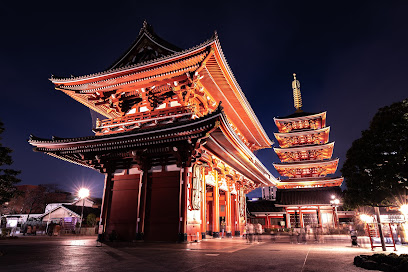
Sensō-ji
Tokyo 111-0032
Completed in 645, this temple, Tokyo's oldest, was built to honor Kannon, the goddess of m...
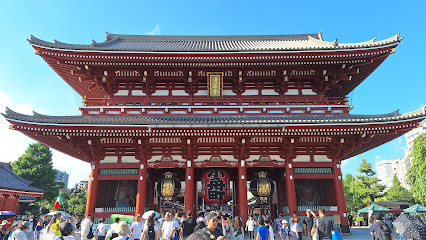
Kaminarimon
Tokyo 111-0032
A 3.9m-tall lantern greets visitors to this stately gate at the entrance to Sensō-ji templ...
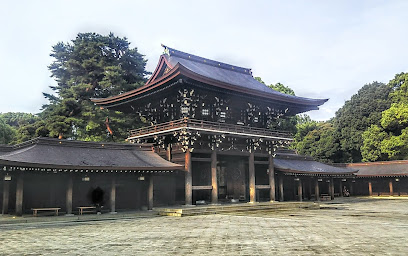
Meiji Jingu
Tokyo 151-8557
Surrounded by forest, this venerable Shinto shrine features a seasonal iris garden.

Kushida Shrine
812-0026
Founded in 757 CE, this urban site annually hosts the city's largest festival, Hakata Gion...