

Shrines & temples
Japanese shrines
OSM directory
Explore Shinto shrines mapped from OpenStreetMap — filter by prefecture, city, or denomination. For curated travel listings, see featured landmark shrines below.
732 shrines
神明社
神明社
Aomori
Godai-jinsha, a small Shinto shrine located in the heart of Aomori city, is dedicated to the deity Godai-jin. The shrine's architecture reflects its humble origins as a humble Buddhist temple converted to Shintoism. Visitors can explore the shrine's peaceful grounds and admire the traditional vermilion torii gate.
稲荷神社
稲荷神社
Aomori
Located in the heart of Aomori, the稲荷神社 is a revered Shinto shrine dedicated to the rice-protecting deity Inari Okami. Built in 1872 during the Meiji period, the shrine's architecture reflects the Heian style, with a characteristic vermillion torii gate and a serene atmosphere. Visitors can stroll through the peaceful gardens and observe the numerous vermilion lanterns adorning the shrine's grounds.
稲荷神社
稲荷神社
Aomori
The Dewa Sanzan, a sacred mountain range, is said to be the dwelling place of Amaterasu Okami, the Shinto sun goddess. The Inari Shrine in Aomori Prefecture is dedicated to Inari Okami, the god of rice and fertility. Located near the coast, this shrine is believed to have been built to ward off evil spirits from the sea. As one of the oldest shrines on the Sanzan mountain range, it has a long history dating back to the 8th century.
龍神社
龍神社
Aomori
Located in Aomori Prefecture, Ryūjinsha is a Shinto shrine dedicated to the dragon deity Ryūjin, known as 'the ruler of the seas'. The shrine's architecture reflects its coastal location and historical ties to the region's maritime culture.
唐松様
唐松様
Aomori
Located in the city of Aomori, Tangokura Shrine is a Shinto temple dedicated to the deity Inari Okami, revered as the patron of fertility and prosperity. The shrine's architecture reflects the traditional style of the region, with a rectangular main hall surrounded by vermilion gates and ornate wooden pillars.
稲荷神社
稲荷神社
Aomori
Located in Aomori Prefecture, the Tsukiyomiya Shrine is a Shinto shrine dedicated to Tsukuyomi-no-okami, one of the three principal kami who rule over heaven and earth. The shrine's current building dates back to 1859, although its history spans centuries, with records of worship dating back to the Edo period. As a sacred site for rice cultivation in northern Japan, the shrine is often visited by farmers seeking blessings for their crops. Its unique architecture reflects the region's rich cultural heritage.
大館神明社
大館神明社
Aomori
Located in the city of Hachinohe, Aomori Prefecture, Daigankoenmatsunokami no Miyako Shrine is a Shinto shrine dedicated to Matsumoto Tsunanoshin, a local deity believed to protect travelers and fishermen. The shrine's architecture reflects its Kamakura period origins with a main hall featuring an impressive iron gate and a vermilion torii gate. Visitors can admire the beautiful scenery of the surrounding mountains and forests while exploring the shrine grounds.
古四王神社
古四王神社
Aomori
Ancient Shikotsu-to Shrine in Aomori Prefecture dates back to the Heian period, around 900 AD. Dedicated to the four Shishimai (Four Great Kings) who ruled the land of Ezo, the shrine is one of the oldest and most revered in northern Japan.
大館天満宮
大館天満宮
Aomori
Located in the heart of Aomori City, Daisetsuzen-tenmangu Shrine is a Shinto shrine dedicated to Sugawara no Michizane, also known as Michi-no-kami. As one of Japan's most revered shrines for learning and literature, it attracts visitors from all over the country.
柄沢稲荷神社
柄沢稲荷神社
Aomori
Haruzawa Inari Shrine is a Shinto shrine located in the town of Haruzawa, Aomori Prefecture. Dedicated to Inari Okami, the primary enshrined deity is Inari, known as the god of rice and fertility. The shrine is renowned for its unique architecture, featuring traditional Japanese-style buildings adorned with vibrant vermilion paint. The shrine's tranquil atmosphere and scenic surroundings make it a popular destination for both locals and tourists.
鎮守 大館神明社
鎮守 大館神明社
Aomori
Zenmon Taikoku Gakuen Jinmei Shrine, located in Aomori Prefecture, is a historic Shinto shrine dedicated to the god of agriculture and prosperity. The shrine's name roughly translates to 'guarding the peace great temple god.' While the primary deity at this shrine is Hachiman, other kami such as Oya-san (goddess of the forest) are also enshrined here. As a significant cultural landmark in Aomori, the shrine attracts visitors interested in Japanese history and Shinto traditions.
大館八幡神社
大館八幡神社
Aomori
Located in the heart of Aomori City, 大館八幡神社 (Ganba八幡神社) is a Shinto shrine that showcases the rich cultural heritage of the region. The shrine's architecture reflects the Heian period, with a distinctive vermilion torii gate and a traditional Japanese garden featuring various plants native to the Tohoku region. The shrine is dedicated to Inari, Fujin, Ukaegi-Okami and 13 other kami.
三吉神社
三吉神社
Aomori
Located in the heart of Aomori City, San'yitsumai-ya Shrine is dedicated to the kami of prosperity and good fortune. The shrine's architecture is characteristic of traditional Aomori-style temples, with a distinctive red tile roof and intricately carved wooden pillars. Visitors can experience the shrine's serene atmosphere and explore its beautifully landscaped gardens.
高倉神社
高倉神社
Aomori
Highkura Shrine, located in Aomori Prefecture, is a Shinto shrine dedicated to the kami of the forest and mountains. As one of Japan's oldest shrines, it has been an important spiritual center for the local community for centuries. The shrine is known for its unique architecture, which reflects the region's distinctive cultural heritage.
八幡神社
八幡神社
Aomori
Located in the northernmost part of Honshu, Aomori Prefecture's Eight Horseshoe Shrine is dedicated to Takehisa Yamashiro, a legendary samurai and leader who resisted the Mongol invasion of Japan in 1274. The shrine's unique architecture features eight torii gates, forming an 'eight-horseshoe' shape. Visitors can admire the beautiful gardens and scenic coastal views. According to local legend, the shrine is said to be Takehisa Yamashiro's ancestral home.
駒形神社
駒形神社
Aomori
Located in the heart of Aomori Prefecture, Mutsu no Ma Shrine is a Shinto shrine dedicated to the god of the sea, Ryujin, and the god of fertility, Tsukiyomi. The shrine's name, 駒形神社, roughly translates to 'Horse-Shaped Shrine'. According to legend, the shrine was founded by a Japanese sailor who built a small boat in the shape of a horse, which miraculously carried him safely to the island where he later settled and established the shrine.
志和稲荷神社
志和稲荷神社
Aomori
Located in Aomori Prefecture, Shinhando Shrine is a Shinto shrine dedicated to the deity Inari Okami, who is revered as the patron of agriculture and fertility. The shrine's architecture reflects the traditional Japanese style, with a rectangular main hall and smaller side buildings. Visitors can explore the shrine grounds, which include a beautiful garden and a peaceful pond.
熊野堂
熊野堂
Aomori
Hakudai-ji's Heike Shrine in Aomori Prefecture is dedicated to the legendary warrior Minamoto no Yoshitsune, but its most enshrined deity is Ōno-kami. The shrine stands on a hill overlooking the Tsugaru Strait and is notable for its unique architectural style that reflects the region's historical influence from the Edo period. Visitors can enjoy beautiful views of Aomori City while praying for good fortune, success, or spiritual growth.
白蛇神社
白蛇神社
Aomori
Located in Aomori Prefecture, White Snake Shrine is a Shinto shrine dedicated to the kami believed to have created the Iwaki-dake mountain, which forms part of the Shirakami-Sanchi National Park. The shrine's architecture and traditions reflect its historical ties to the region's indigenous Ainu people and its role in local folklore.
廣野神社
廣野神社
Aomori
Located in the heart of Aomori City, 广野神社 is a historic Shinto shrine dedicated to the kami of the sea and fertility. The shrine's architecture reflects its coastal location, with a unique blend of traditional and modern elements. Visitors can experience the serene atmosphere of the shrine's gardens and grounds, adorned with cherry blossom trees and autumn foliage.
稲荷堂
稲荷堂
Aomori
Located in Aomori, the Inari-dō Shrine is a revered Shinto site dedicated to the worship of Inari Ōkami, the deity associated with rice, prosperity, and good harvests. Built on a hilltop overlooking the city, the shrine's architecture reflects its origins as a humble rice storehouse from the 7th century. Over time, it has evolved into a majestic complex adorned with thousands of vermilion torii gates.
唐松神社
唐松神社
Aomori
Located in the Aomori Prefecture, Tangamatsu Shrine is a Shinto shrine dedicated to the god of rice, ricefields, and agriculture. The shrine's name, Tangamatsu, translates to 'tanegashima,' a term used to describe the unique soil quality found only in this region. Visitors can see a traditional Japanese garden, as well as a museum showcasing artifacts related to the shrine's history and significance.
熊野山神社
熊野山神社
Aomori
Located in the heart of Aomori City, Mount Iwaki's Shinmei Shrine is dedicated to Tsukuyomi-no-kami, the god of moon and harvest. Founded in 1642, this shrine has a rich history dating back to the Edo period, with its current structure built in the Kamakura style. The shrine is famous for its stunning autumn foliage and traditional dances performed during the annual Autumn Festival. Visitors can enjoy a variety of local crafts, food stalls, and traditional performances, including the iconic 'Yamagata Karasuma Dance.'
猿田彦大神
猿田彦大神
Aomori
The shrine, dedicated to Okuninushi no Kamigami, or Okuninushi, is a Shinto shrine located in Aomori Prefecture on the northern island of Honshu. The shrine is famous for its unique architectural style and historical significance as the former residence of the Aomori clan's ancestral family. Dedicated to Okuninushi, a god of fertility, agriculture, and harvests, the shrine is said to have been established in 1601 by Mōri Kiyotsugu, the head of the Aomori clan, who was a direct descendant of Toyotomi Hideyoshi.
Curated shrine listings
Hand-picked shrines and temples from our landmark guide.
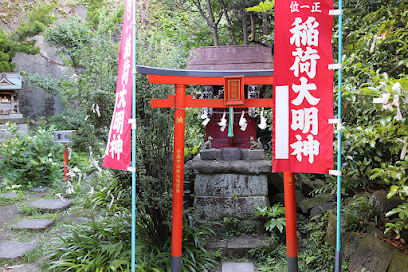
Otsuna Kompira Shrine
Kanagawa 221-0834
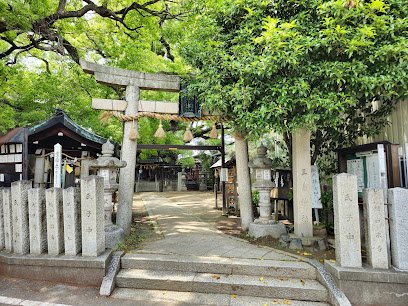
Mitsushima Shrine
Osaka 571-0015
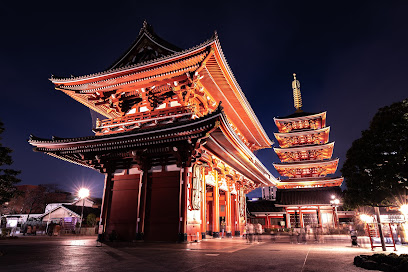
Sensō-ji
Tokyo 111-0032
Completed in 645, this temple, Tokyo's oldest, was built to honor Kannon, the goddess of m...
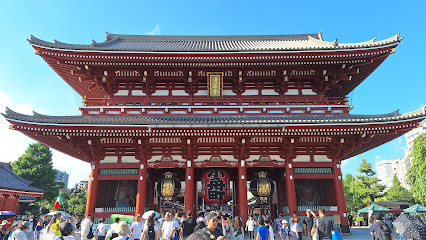
Kaminarimon
Tokyo 111-0032
A 3.9m-tall lantern greets visitors to this stately gate at the entrance to Sensō-ji templ...
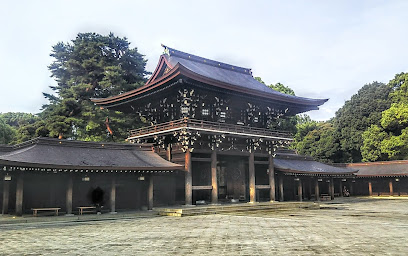
Meiji Jingu
Tokyo 151-8557
Surrounded by forest, this venerable Shinto shrine features a seasonal iris garden.

Kushida Shrine
812-0026
Founded in 757 CE, this urban site annually hosts the city's largest festival, Hakata Gion...