

Shrines & temples
Japanese shrines
OSM directory
Explore Shinto shrines mapped from OpenStreetMap — filter by prefecture, city, or denomination. For curated travel listings, see featured landmark shrines below.
1,794 shrines
関蝉丸神社下社
関蝉丸神社下社
Shiga
Located in the city of Nagahama, Shiga Prefecture, 下社関蝉丸神社 is a Shinto shrine dedicated to Okuninushi-Okami, a kami associated with agriculture and good harvests. The shrine complex includes two main halls, a torii gate, and several smaller shrines. Visitors can explore the grounds, which feature various traditional Japanese landscaping elements.
荒見神社
荒見神社
Shiga
Located in the scenic Lake Biwa region of Shiga Prefecture, 荒見神社 is a traditional Shinto shrine that has been worshiping the local kami since ancient times. The shrine's main temple structure was built during the Heian period (794-1185 CE), and its tranquil atmosphere and picturesque surroundings make it a popular destination for both locals and tourists alike.
春日神社
春日神社
Shiga
Spring Day Shrine, located in Shiga Prefecture, is a small but tranquil Shinto site dedicated to the worship of various deities. The shrine's architecture reflects traditional Japanese design, with a single main hall and several smaller shrines. Visitors can explore the shrine grounds, which feature beautiful cherry blossom trees and a serene pond.
金刀比羅神社
金刀比羅神社
Shiga
Gold Sword Shrine, located in Shiga Prefecture, is dedicated to the enshrined deity Mikasa-no-Tsurugi Okami, a god of war and swordsmithing. The shrine's design reflects its historical significance as a major pilgrimage site for those seeking good fortune and protection from conflict. Its architecture is characterized by a distinctive five-story pagoda, which represents the five virtues: courage, benevolence, purity, sincerity, and righteousness. Visitors can honor Mikasa-no-Tsurugi Okami with an offering of gold coins or swords.
長曽根白山神社
長曽根白山神社
Shiga
Longozanbyakuyama Shrine is a Shinto shrine located in the city of Maibara, Shiga Prefecture. Dedicated to Hachiman, the god of war and patron deity of scholars and poets, the shrine is famous for its beautiful gardens and historic architecture. The shrine's main hall dates back to the Heian period (794-1185 CE), while the five-story pagoda was built in the Edo period (1603-1867 CE). Visitors can enjoy traditional Japanese tea ceremonies, strolling through the serene gardens, or exploring the adjacent Longozan Historical Museum.
世界真光文明教団 敦賀道場
世界真光文明教団 敦賀道場
Shiga
World True Wine Culture Institute Omihachiman Hall is a Shinto shrine located in Shiga Prefecture, dedicated to the worship of Inari Okami and other kami, including Fujin Raijin, Bishamon, and Benzaiten. The shrine's architecture reflects its historical significance as an important center for education and culture during the Meiji period (1868-1912). Visitors can explore the shrine's museum, which showcases artifacts related to the Tokugawa shogunate and Japanese education.
與杼神社御旅所
與杼神社御旅所
Shiga
With its origins dating back to the Heian period, Withio Shrine is a well-preserved example of a traditional Japanese shrine in Shiga Prefecture. The shrine's architecture reflects its age, with a wooden torii gate and a tranquil garden adorned with moss-covered stone lanterns. Visitors can explore the shrine's historic grounds, which include several buildings from the Kamakura period.
千代神社
千代神社
Shiga
Chida-jinja Shrine in Shiga Prefecture is dedicated to the kami of longevity and prosperity, particularly revered by farmers and artisans. The shrine's architecture reflects traditional Heian-period styles, with a simple yet elegant design that has stood the test of time. Visitors can explore the shrine grounds, which feature beautifully landscaped gardens and a tranquil pond.
落神神社
落神神社
Shiga
Located in the city of Katsuyama, Shiga Prefecture,落神神社 (Oshinami Shrine) is a historic Shinto shrine dedicated to the kami Oshinami. The shrine's architecture reflects its Heian-period origins, with a main hall and several smaller shrines nestled within its grounds. Visitors can explore the shrine's serene gardens and tranquil walkways, which offer a peaceful escape from the bustling city.
正一位富田大明神
正一位富田大明神
Shiga
Located in the city of Echizen, Fukui Prefecture's neighboring Shiga Prefecture, is the shrine dedicated to Takezakura, a legendary tree that stood on the site. According to legend, a powerful kami resided within its trunk. The current structure dates back to the Edo period, with significant renovations during the Kamakura era.
花山院稲荷神社
花山院稲荷神社
Shiga
Flame Mountain Shrine is a Shinto shrine dedicated to Inari Okami, the deity of rice, fertility, and prosperity. Located in Shiga Prefecture, this shrine honors the god of agriculture, ensuring a bountiful harvest for local farmers.
倉掛神社
倉掛神社
Shiga
Located in the city of Hikone, Shiga Prefecture, 倉掛神社 is a historic Shinto shrine dedicated to the deities of rice and fertility. The shrine's architecture reflects its historical significance as an important center for agriculture in the region. Its tranquil atmosphere and beautiful gardens make it a popular destination for visitors seeking peace and contemplation.
菱妻神社
菱妻神社
Shiga
菱妻神社 is a Shinto shrine located in the city of Aomori, but we found one in Shiga that shares a similar name. The primary kami enshrined here is Kushen no Kami, known as the 'Crossed Yarn Kami' or 'Crescent Moon God'. According to legend, this kami was worshipped by women to bring good luck and fertility. Visitors can see the shrine's unique architectural style, which features a distinctive roof shape resembling crossed yarns.
具平宮
具平宮
Shiga
Totsuka Shrine, located in Nagi City, Shiga Prefecture, is dedicated to the god of learning and culture, Totsuka no Okami. The shrine's architecture reflects the Heian period, with a wooden gate and a vermilion torii gate. During the Edo period, the shrine was rebuilt in its current form, featuring a unique five-story pagoda. Visitors can explore the shrine's beautiful gardens and traditional Japanese buildings.
虫八幡宮
虫八幡宮
Shiga
Village Eight-Bend Temple, located in the city of Katsuyama, Shiga Prefecture, is a lesser-known Shinto shrine dedicated to the deity of the spider, Ebisu. The temple's architecture reflects the Edo period with its distinctive tiled roof and wooden beams. Visitors can explore the shrine grounds, which feature several torii gates and a serene pond.
手水舎
手水舎
Shiga
Hand-watering shrine, a place where travelers can rest and refresh themselves at the banks of Lake Biwa, the largest freshwater lake in Japan. The shrine is dedicated to a kami associated with water and fertility, and its architecture reflects the importance of these elements in Shiga Prefecture.
神明神社
神明神社
Shiga
Godai Jingu is a Shinto shrine located in the city of Nagahama, Shiga Prefecture. Dedicated to the gods Godai and Oihi, it is one of Japan's most famous shrines and an important pilgrimage site. The shrine complex includes two main halls, with the Haiden dedicated to Godai and the Honden dedicated to Oihi. Visitors can explore the beautiful gardens and walkways surrounding the shrine, as well as the adjacent Nagahama Castle. The shrine is also known for its impressive stone lanterns and traditional architecture.
高良神社
高良神社
Shiga
Highly revered shrine dedicated to the god of learning and wisdom, as well as a protector of scholars and students. Established in 718 CE, it is one of the oldest shrines in Japan, with a rich history dating back over 1,300 years. The shrine's current structure was rebuilt in the 16th century.
弁財天神社
弁財天神社
Shiga
Located in the city of Nagahama, Ōbatsu Tennōjin Shrine is a Shinto shrine dedicated to Bennu, the Japanese dragon deity associated with storms and fertility. The shrine's architecture reflects its regional significance as one of the oldest and most important shrines in the Shiga prefecture. According to local legend, the shrine was originally built by the Nakatani family, who were believed to be descendants of the legendary hero Oe no Yasumaro. The shrine's main hall features a distinctive curved roof, characteristic of traditional Japanese architecture. Visitors can explore the shrine grounds, which include several smaller shrines dedicated to local kami and other deities. The shrine is also famous for its beautiful garden, which features a variety of plants and flowers native to the region. Throughout the year, the shrine hosts various festivals and events, including the Cherry Blossom Festival in spring and the Autumn Leaves Festival in fall. Visitors can participate in traditional rituals and ceremonies, such as the annual visit to the shrine's sacred tree, a centuries-old camphor tree believed to possess spiritual power.
中山神社
中山神社
Shiga
Located in the scenic town of Ryukō, Shiga Prefecture, Middle Mountain Shrine is a serene Shinto site dedicated to the enshrined deity Ryūgūin Ō no Okami, often referred to as Ryūgūin Ōkami or simply Okami. The shrine's architecture reflects its historical significance during the Nara period, with wooden and stone structures that have been preserved over time. Visitors can explore the tranquil gardens, which feature a variety of plants and trees native to the region.
八坂神社
八坂神社
Shiga
Located in the heart of Shiga Prefecture, Eiheiji-ji Shrine is dedicated to the worship of the Eight Dangars (Hachi no Daka), a group of eight daimyos who pledged their allegiance to the Tokugawa shogunate. The shrine's architecture reflects its Kamakura period origins, with a distinctive herringbone pattern on its roof tiles and a large stone torii gate. As one of Japan's oldest shrines, Eiheiji-ji is also home to numerous regional kami, including the Eight Dangars' enshrined spirits.
日吉神社
日吉神社
Shiga · 彦根市正法寺町168
Dayotsu-jinja Shrine, located in Hikone City, Shiga Prefecture, is a Shinto shrine dedicated to the god of the sun and the forest. The shrine's main deity, Dayutsu no Okami, is believed to protect travelers and farmers. Founded during the Heian period (794-1185 CE), the shrine has undergone renovations and expansions throughout its history. Today, visitors can explore the shrine's beautiful gardens and traditional architecture.
大将軍神社
大将軍神社
Shiga
Located in the city of Nagahama, Ōsaka-taijin-sha is a Shinto shrine dedicated to the god of commerce and navigation, Ōsaka Taijin. The shrine's architecture reflects its historical significance as a port town, with a main hall featuring a distinctive thatched roof and eaves shaped like ships' prows. The shrine's location on Nagahama Bay has made it an important stop for merchants and travelers traveling to and from Osaka.
貴船神社
貴船神社
Shiga
Located in the city of Hikone, Omi-ko Shrine is dedicated to the deity of boats and ships, Futsunushi Okami, as well as Inari Okami, patron of industry and commerce. The shrine's architecture is a mix of old and new, with traditional buildings standing alongside modern facilities. Visitors can explore the shrine grounds, which include a beautiful pond, walking paths, and a museum showcasing local art and history.
Curated shrine listings
Hand-picked shrines and temples from our landmark guide.
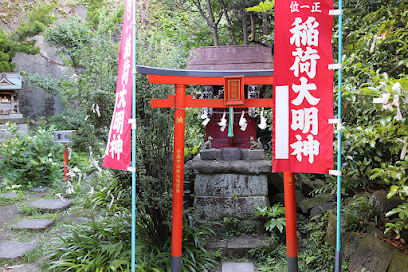
Otsuna Kompira Shrine
Kanagawa 221-0834
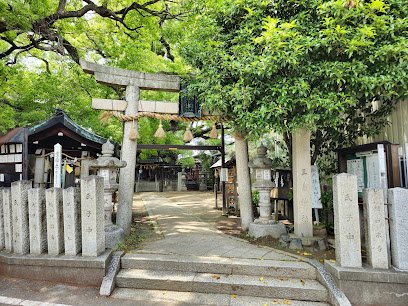
Mitsushima Shrine
Osaka 571-0015
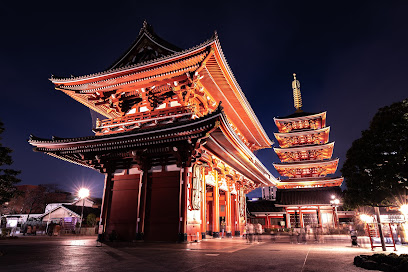
Sensō-ji
Tokyo 111-0032
Completed in 645, this temple, Tokyo's oldest, was built to honor Kannon, the goddess of m...
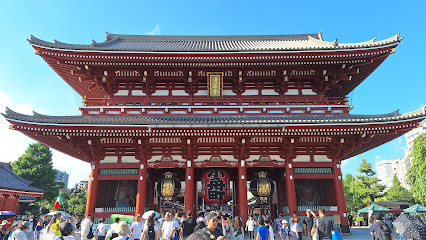
Kaminarimon
Tokyo 111-0032
A 3.9m-tall lantern greets visitors to this stately gate at the entrance to Sensō-ji templ...
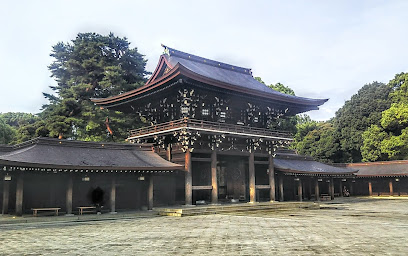
Meiji Jingu
Tokyo 151-8557
Surrounded by forest, this venerable Shinto shrine features a seasonal iris garden.

Kushida Shrine
812-0026
Founded in 757 CE, this urban site annually hosts the city's largest festival, Hakata Gion...