

Shrines & temples
Japanese shrines
OSM directory
Explore Shinto shrines mapped from OpenStreetMap — filter by prefecture, city, or denomination. For curated travel listings, see featured landmark shrines below.
321 shrines
Ryōsha Shrine
両社神社
千葉県 · 館山市
Ryōsha Shrine is a Shinto shrine located in Minamiashitori, Ashido, and Matsudai, all within the city limits of Matsuhashi in Chiba Prefecture. The shrine is dedicated to the kami Ryōsha, who is believed to be the god of rivers and streams. The shrine complex features a traditional Japanese architectural style with a large main hall, a pond, and several smaller shrines. Visitors can admire the beautiful gardens and take a stroll along the nearby river.
Sai Shrine
塞神社
千葉県 · 君津市
Located in Inzai, Chiba Prefecture, Sai Shrine is a Shinto shrine dedicated to the god of rice and fertility. The shrine's architecture reflects traditional Japanese design, with a tiled roof and sliding doors. Visitors can explore the shrine's grounds, which include a beautiful garden and a sacred lake.
Sakada Hachiman Shrine
坂田八幡神社
千葉県 · 君津市
Sakada Hachiman Shrine is a Shinto shrine located in Kinzan, Sakada, in the city of Kinzan in Chiba Prefecture. The shrine is dedicated to Hachiman Ōkami, the kami associated with war and martial prowess. While its exact founding date is unknown, it is believed to have been established during the Edo period. As one of the shrines in the Sakada region, it preserves traditional Shinto architecture and cultural practices.
Sengen Shrine
浅間神社
千葉県 · 君津市
Sengen Shrine, located in Inzai, Chiba Prefecture, is a Shinto shrine dedicated to the deity Fujin, god of wind and storms. The shrine is famous for its beautiful garden and traditional architecture. Built in 1461 during the Muromachi period, it is one of the oldest shrines in Japan. Visitors can experience the tranquility of the shrine's garden, which features a large pond and walking paths.
Sengen Shrine
浅間神社
千葉県 · 君津市
Located in Izu Peninsula, Chiba Prefecture, Sengen Shrine is a Shinto shrine dedicated to the gods of fertility and agriculture, as well as the god of prosperity and good fortune. The shrine's architecture reflects its historical significance, with a main hall built during the Heian period (794-1185 CE) and several other buildings added later. Visitors can explore the shrine grounds, which feature beautiful gardens and traditional Shinto altars.
Sengen Shrine
浅間神社
千葉県 · 館山市
Sengen Shrine is a Shinto shrine located in Tsukuda, Ichinomiya City, Aichi Prefecture, but it was relocated to its current location in Hatsuse, Inasa Town, Aichi Prefecture from the original location on Mt. Iwata of Sambagawa in Izu Peninsula, Fujiyoshiro District, Fujian County, now Izu City, in 1875 and then again in 1967 from the old temple building at Tsukuda to its new shrine hall. The shrine is famous for the legendary Japanese samurai Mikage no Okami and Shishigahama Mikage no Kami, as well as Sengen Mikage no Okami who are said to protect fishermen and travelers alike, it was established in 1684 by Hattori Hanzo and was later rebuilt in its current form. The shrine has been designated a National Treasure of Japan.
Sengen Shrine
浅間神社
千葉県 · 木更津市
Sengen Shrine, located in Mibara, Kamakura, originally built in the Heian period (794-1185 CE), is a Shinto shrine dedicated to the god of the sea and fishing, Shichimen no Kamado, also known as Sengen. The shrine is renowned for its beautiful gardens and tranquil atmosphere, making it a popular destination for locals and tourists alike. Its proximity to Tokyo and Yokohama has contributed to its growth into one of Japan's most famous shrines.
Sengen Shrine
浅間神社
千葉県 · 君津市
Sengen Shrine, located in Shimosuwa, Yamanashi Prefecture, was originally dedicated to Otori Tadahisa's god of fortune and victory, but was later relocated to Itsukaichi Town in Gunma Prefecture before its current location in Sainokauji, Katori City, Chiba Prefecture. The shrine's main deity is Ōkuninushi, a Shinto god associated with agriculture, prosperity, and the protection of crops. Visitors can experience the shrine's traditional architecture and participate in the annual Seijō Matsuri festival, which features a colorful parade and a visit to the nearby Seiryo-ji Temple.
Sengen Shrine
浅間神社
千葉県 · 君津市
Sengen Shrine, located in Inzai City, Chiba Prefecture, is one of Japan's most famous and revered Shinto shrines. Dedicated to the deities of Yamato and Hie, it serves as a sacred site for locals and travelers alike. The shrine's architecture showcases traditional Japanese design elements, with multiple halls and courtyards that reflect its long history dating back to the 8th century.
Shirokoma Shrine
白駒神社
千葉県 · 君津市
Located in Kinu City, Chiba Prefecture, Shirokoma Shrine is a Shinto shrine dedicated to the god of prosperity and good fortune, known as Kannon or also named Jikininki no Kami. The shrine's name, 'Shirokoma', translates to 'white horse god'. This unique name may refer to the white horse that supposedly appeared before the founder of the shrine. Visitors can see a large stone statue of a white horse in front of the main hall. The shrine is surrounded by a beautiful garden and offers stunning views of the surrounding countryside.
Sugawara Shrine
菅原神社
千葉県 · 君津市
Sugawara Shrine is a historic Shinto shrine located in the city of Jimuzu, Chiba Prefecture. The shrine was dedicated to Sugawara no Michizane, a famous figure from Japanese history and literature, who served as an advisor to the Imperial Court during the Heian period. According to legend, Michizane was wrongly accused and mistreated by his enemies, but he later avenged himself with great power and became one of the most revered deities in Shintoism.
Suwa Shrine
諏訪神社
千葉県 · 君津市
Suwa Shrine, located in Kintsu City, Chiba Prefecture, is one of Japan's oldest shrines dedicated to the water god Suwa no Okami. The shrine dates back to the Heian period and is known for its beautiful gardens and traditional architecture. As a prominent Shinto site, it attracts visitors seeking spiritual guidance and connection with nature.
Suwa Shrine
諏訪神社
千葉県 · 流山流山市
Located in the Ibaraki Prefecture, but actually in Chiba prefecture, Suwa Shrine is a Shinto shrine dedicated to the god of rice, fertility, and water. The shrine's main hall dates back to the Meiji period, with a wooden gate from the Heian period. According to local legend, the shrine was originally built on the site where a sacred spring was discovered, and it has since become an important spiritual center for the surrounding community.
Suwa-jinja Shrine
諏訪神社
千葉県 · 市川市
Suwa-jinja Shrine is a Shinto shrine located in Itakura, Chiba Prefecture, dedicated to the god of fertility and agriculture, Suwabe no Okami. The shrine's architecture reflects its historical roots in the Itakura region, with a unique blend of traditional and modern elements. Visitors can explore the shrine's tranquil gardens and learn about its rich history and mythology.
Tajikarao Shrine
手力雄神社
千葉県 · 館山市
Tajikarao Shrine is a Shinto shrine located in Matsuyama City, Chiba Prefecture. Dedicated to the kami of the same name, Tajikarao Shrine is believed to have been founded during the Edo period. The shrine's architecture reflects traditional Japanese design, with a characteristic hippon (main hall) and torii gate. Visitors can enjoy the shrine's serene atmosphere and beautiful garden.
Takabe Shrine
高家神社
千葉県 · 南房総市
Takabe Shrine is a Shinto shrine located in the town of Minami-futō, Chiba Prefecture. The shrine is dedicated to Tamashii-kami, a deity associated with the spirit world and ancestors. Visitors can explore the shrine's traditional architecture, which reflects the Heian period style, and participate in the annual Cherry Blossom Viewing Festival held in late March.
Takamimusubi Shrine
高皇産霊神社
千葉県 · 南房総市
Takamimusubi Shrine is a Shinto temple dedicated to the primary deity, Takamimusubi, in South Boso, Chiba Prefecture. Built in the Edo period, the shrine is known for its impressive main hall and beautiful garden. The shrine's architecture reflects traditional Japanese styles, with a distinctive tiled roof and intricately carved wooden gates.
Tokoshiro Shrine
常代神社
千葉県 · 君津市
Tokoshiro Shrine, located in Inzai City, Chiba Prefecture, is a Shinto shrine dedicated to the god of agriculture and fertility, Tamashino-kami. The shrine is known for its beautiful garden and traditional architecture. Visitors can explore the shrine's main hall, which features a 5-story pagoda, as well as the surrounding gardens and grounds.
Tomisaki Shrine
遠見岬神社
千葉県 · 勝浦市
Tomisaki Shrine, located in Victory City, Chiba Prefecture, is a Shinto shrine dedicated to the sea god, Mikasa-ga-ue-kami, who is believed to protect fishermen and sailors. The shrine's name, Tomisaki, refers to its location on the easternmost point of the Izu Peninsula, where the sea meets the land. With a history dating back to the Edo period, the shrine has played an important role in local maritime traditions and festivals.
Toyouke Shrine
豊受神社
千葉県 · 南房総市
Toyouke Shrine, located in the southern part of Funabashi City, Chiba Prefecture, is dedicated to Toyouke Okami, a kami associated with agriculture and fertility. The shrine's main hall, dedicated to Toyouke Okami, features a unique haiden (outer shrine) and honden (inner shrine) structure. The shrine complex also includes several smaller shrines enshrined with various regional deities.
Tsukuriki Shrine
作木神社
千葉県 · 君津市
Located in the town of Inzai, Chiba Prefecture, Tsukuriki Shrine is a Shinto temple dedicated to the god of agriculture and fertility. The shrine is situated at the foot of Mount Tsukurikomatsu, which offers breathtaking views of the surrounding landscape. With its rich history dating back to the Edo period, Tsukuriki Shrine has been an important cultural and spiritual center for local communities.
Tsurugaya Hachiman Shrine
鶴谷八幡宮
千葉県 · 館山市
Located in the scenic town of Tsukimi, Chiba Prefecture, Tsurugaya Hachiman Shrine is a revered Shinto site dedicated to the venerated deity Hachiman Tenjin. The shrine's architecture reflects the classical Heian period style, with a large torii gate and an impressive vermillion gate. According to local legend, the shrine was established by Hachiman himself after his visit to the area in search of a new location for his temple.
Uenohara Tenjin Shrine
上野原天神社
千葉県 · 館山市
Uenohara Tenjin Shrine is a Shinto shrine located in Tsukuda Ward, Chiba City, but according to records, it was originally situated near Ueno Lake in the town of Narita, now in Chiba Prefecture's Narita City. The shrine is dedicated to Tenji, the god of learning and literature, also known as Sonno-no-Okami, who is believed to be the patron deity of scholars and artists. The shrine is known for its beautiful architecture and traditional festivals, which include the Tenjimatsuri festival held annually in July.
Wakamiya Hachiman Shrine
若宮八幡宮
千葉県 · 木更津市
Wakamiya Hachiman Shrine is a Shinto shrine located in Kamakura, Kanagawa Prefecture, but was relocated to Itsukaichi, Ibaraki Prefecture in 1966 and then moved to its current location in Mikageicho, Chiba Prefecture. The shrine was originally founded during the Heian period as a temple dedicated to the god of war, Hachiman Ōkami. Over time, it evolved into a Shinto shrine and became known for its unique architectural style, which blends elements of Chinese and Japanese influences. Visitors can explore the shrine's tranquil gardens, including a famous cedar tree said to be over 1,000 years old.
Curated shrine listings
Hand-picked shrines and temples from our landmark guide.
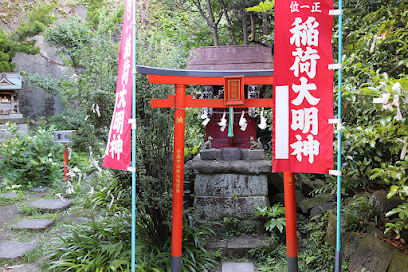
Otsuna Kompira Shrine
Kanagawa 221-0834
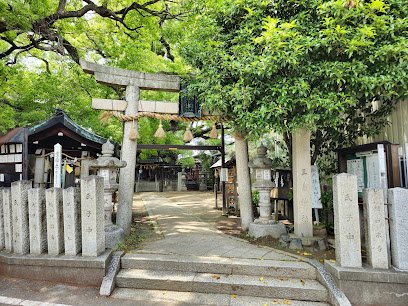
Mitsushima Shrine
Osaka 571-0015
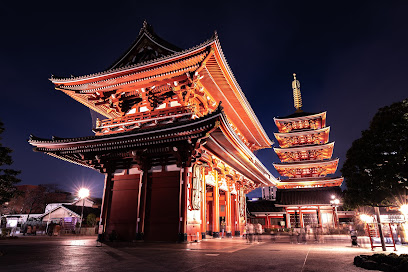
Sensō-ji
Tokyo 111-0032
Completed in 645, this temple, Tokyo's oldest, was built to honor Kannon, the goddess of m...
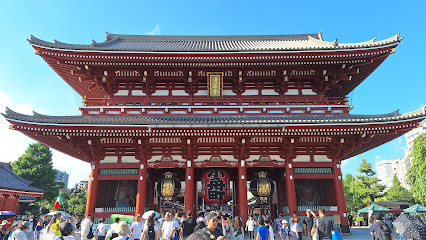
Kaminarimon
Tokyo 111-0032
A 3.9m-tall lantern greets visitors to this stately gate at the entrance to Sensō-ji templ...
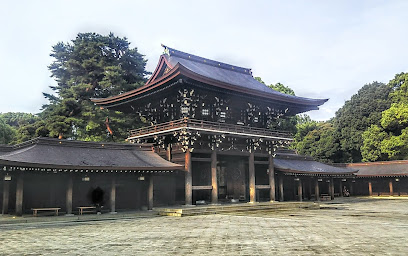
Meiji Jingu
Tokyo 151-8557
Surrounded by forest, this venerable Shinto shrine features a seasonal iris garden.

Kushida Shrine
812-0026
Founded in 757 CE, this urban site annually hosts the city's largest festival, Hakata Gion...