

Shrines & temples
Japanese shrines
OSM directory
Explore Shinto shrines mapped from OpenStreetMap — filter by prefecture, city, or denomination. For curated travel listings, see featured landmark shrines below.
30,440 shrines
Suimei Shrine
水明神社
Kagawa
Suimei Shrine is a Shinto shrine located in the city of Kanazawa, within the Kanazawa Ward of the City of Kanazawa. Dedicated to the god Suimei, it is one of the oldest shrines in the Koto region and holds significant historical importance.
Suishingu
水神宮
Ibaraki
Suishingu Shrine, located in the scenic town of Hitachi, Ibaraki Prefecture, is dedicated to the god of water and fertility, Su-Gan. The shrine's architecture reflects its connection to the nearby ocean, with a prominent torii gate adorned with ocean-blue paint. Visitors can explore the peaceful gardens and grounds, taking time to appreciate the serene atmosphere and offerings made to the kami.
Suiten-gu Hiranuma Shrine
水天宮 平沼神社
Kanagawa
Suiten-gu Hiranuma Shrine is a branch shrine of the famous Suiten-gu in Kurume, Fukuoka. It is dedicated to water deities and is particularly revered for prayers related to safe childbirth, child-rearing, and protection from water-related disasters. The shrine serves the local Hiranuma area and maintains the traditional Suiten-gu practices of blessing expectant mothers and newborn children.
Suiten-gu Shrine
水天宮
Saga
Located in the city of Karatsu, Saga Prefecture, Suiten-gu Shrine is a Shinto temple dedicated to Suiten-no-Okami, the god of the sea and storms. The shrine's architecture reflects its coastal location, with a main hall designed to resemble a boat and a distinctive tower that appears to be leaning to one side. Visitors can learn about the history of the shrine and its connection to local folklore by exploring its peaceful gardens and museum.
Suiten-gu Shrine, Togakushi Shrine and Kato Shrine
水天宮・戸隠神社・加藤神社
Kumamoto
Suitengu Shrine
水天宮
Kumamoto
Suitengu Shrine is dedicated to water deities and is particularly revered for prayers related to safe childbirth, child-rearing, and protection from water-related disasters. The shrine serves as an important spiritual center in Kumamoto for families seeking blessings for their children and protection during pregnancy.
Suitengu Shrine
水天宮
Kanagawa
Suitengu Shrine is dedicated to water deities and is particularly revered for prayers related to safe childbirth, child-rearing, and protection from water-related disasters. The shrine serves as a branch of the main Suitengu shrine network, with the head shrine located in Kurume, Fukuoka Prefecture.
Suitengu Shrine
水天宮
Saga
Suitengu Shrine is a Shinto temple located in the city of Nagasaki, but there is also one in Saga prefecture. The main building dates back to the Heian period and features a unique blend of Chinese and Japanese architectural styles. The shrine is famous for its beautiful gardens and its association with the god of rivers and the sea.
Suitengu Shrine
水天宮
Chiba
Suitengu Shrine, located in the Chiba Prefecture, is one of Japan's oldest and most revered Shinto shrines. Dedicated to the god Susanoo-no-Mikoto, a storm god and brother of Amaterasu, the primary deity of the Japanese pantheon. The shrine's architecture reflects its rich history, with influences from Heian period temples and Kamakura period wooden buildings. Visitors can experience the serene atmosphere of the shrine's gardens, which include beautiful ponds and walking paths.
Suka-jinja Shrine
須賀神社
Saitama
Suka-jinja Shrine is a Shinto shrine located in the city of Sakura, Saitama Prefecture, and is dedicated to the kami of the same name. The shrine is famous for its beautiful gardens and traditional architecture, which date back to the Edo period. According to legend, the shrine was built on the site where the god Suka-no-Mikoto, a deity associated with agriculture and fertility, was said to have appeared.
Suka-jinja Shrine
須賀神社
Chiba
Suka-jinja Shrine is a Shinto shrine located in the town of Ichikawa, Chiba Prefecture. The shrine is famous for its association with the legendary founder of Ichikawa, Nakatomi no Yoritomo, who was also a prominent samurai leader during the Kamakura period. The shrine's architecture reflects its history, with a main hall dating back to the 17th century and a torii gate from the 18th century. Visitors can explore the shrine grounds, which include a sacred pond and several shrines dedicated to other regional kami.
Sukawa Nangu Suwa Shrine
須川南宮諏訪神社
Fukushima
A local Suwa shrine in Fukushima Prefecture that enshrines the war deity Takeminakata-no-Kami. As part of the extensive Suwa shrine network throughout Japan, it serves the local community while maintaining connections to the head shrine at Lake Suwa in Nagano Prefecture.
Sukeshiro Inari Shrine
助四郎稲荷神社
Sukeshiro Inari Shrine is a local Inari shrine dedicated to the Shinto deity of rice, sake, and prosperity. Like many Inari shrines throughout Japan, it serves as a place of worship for agricultural success and business prosperity in the local community.
Sukumo Daimyojin Shrine
宿毛大明神
Kochi
A local Shinto shrine in Sukumo City, Kochi Prefecture, serving as a spiritual center for the coastal community. The shrine maintains traditional worship practices and seasonal festivals that connect residents to their cultural heritage.
Sukumoduka Inari Shrine
すくもづか稲荷神社
Ibaraki
Sukumoduka Inari Shrine is a Shinto shrine located in the city of Sakurako, Ibaraki Prefecture, dedicated to the primary kami Inari Okami. The shrine's name 'Sukumoduka' is derived from the nearby Sukumo River. Known for its beautiful vermilion torii gate and tranquil surroundings, Sukumoduka Inari Shrine offers a serene escape from the city's hustle and bustle.
Sukunahikona Shrine
少彦名神社
Gifu
A Shinto shrine in Gifu Prefecture dedicated to Sukunahikona-no-Mikoto, a deity associated with medicine, healing, and sake brewing. The shrine serves as a place of worship for those seeking health and wellness.
Sukunahikona Shrine
少彦名神社
Kochi
A Shinto shrine in Kochi Prefecture dedicated to Sukunahikona-no-Mikoto, a deity associated with medicine, healing, and sake brewing. This kami is revered as a protector of health and is often invoked for recovery from illness and general well-being.
Sukunahikona-jinja Shrine
少彦名神社
Osaka
Located in Osaka, Sukunahikona-jinja Shrine is dedicated to the Shinto deity of prosperity and good governance, named after the legendary emperor who united Japan. The shrine's architecture reflects the Heian period style, with a traditional tiled roof and vermilion torii gates. Visitors can experience the serene atmosphere of this historic shrine, which has been an important cultural landmark for over 800 years.
Sukunoura Shrine
救之浦神社
Kumamoto
A Shinto shrine located in Kumamoto Prefecture, known for its coastal setting and maritime connections. The shrine name suggests associations with salvation or rescue, particularly in relation to seafaring activities.
Sumemimano-mikotosha
皇御孫命社
Saitama
Located in the city of Saitama, Sumemimano-mikotosha Shrine is a lesser-known Shinto shrine dedicated to Emperor Jomei's grandson, Nakatomo no Osomi. The shrine's history dates back to the Nara period, and its architecture reflects traditional Japanese design with a distinctive tiled roof. A peaceful oasis in the heart of the city, Sumemimano-mikotosha Shrine is a hidden gem waiting to be discovered.
Sumidagawa-jinja Shrine
隅田川神社
Ibaraki
Located in the scenic town of Mito, Ibaraki Prefecture, Sumidagawa-jinja Shrine is a serene Shinto temple dedicated to the kami of the Sumida River. With its tranquil gardens and traditional architecture, the shrine offers a peaceful escape from the bustling city life. As one of Japan's oldest shrines, it has been an important cultural and spiritual landmark for centuries.
Sumiyoshi Daimyojin Shrine
住吉大明神
Kanagawa
A Sumiyoshi shrine dedicated to the three Sumiyoshi deities, who are revered as protectors of seafarers, fishermen, and safe ocean travel. These ancient Shinto kami have been worshipped since Japan's earliest maritime traditions and are considered among the most important sea deities in Japanese mythology.
Sumiyoshi Daimyojin Shrine
住吉大明神社
Kagoshima
A Sumiyoshi shrine in Kagoshima Prefecture dedicated to the three Sumiyoshi deities, who are revered as protectors of seafarers, fishermen, and safe ocean travel. As with other Sumiyoshi shrines throughout Japan, this shrine serves the local community's needs for maritime safety and purification rituals.
Sumiyoshi Daimyojin Shrine
住吉大明神
Kanagawa
A Sumiyoshi shrine dedicated to the three Sumiyoshi kami, powerful Shinto deities associated with sea travel, purification, and protection. Sumiyoshi shrines are found throughout Japan, with this Kanagawa location serving the local community's spiritual needs. The shrine maintains the traditional architectural style and ritual practices associated with Sumiyoshi worship.
Curated shrine listings
Hand-picked shrines and temples from our landmark guide.
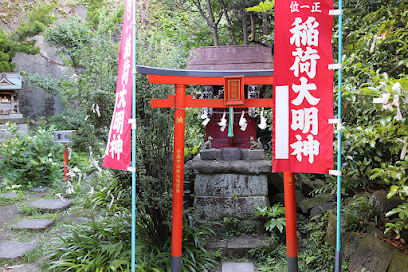
Otsuna Kompira Shrine
Kanagawa 221-0834
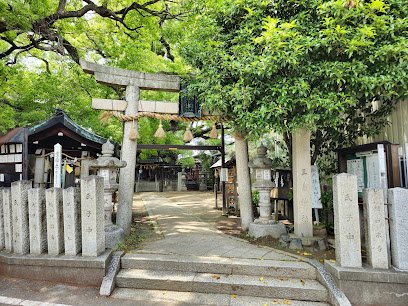
Mitsushima Shrine
Osaka 571-0015
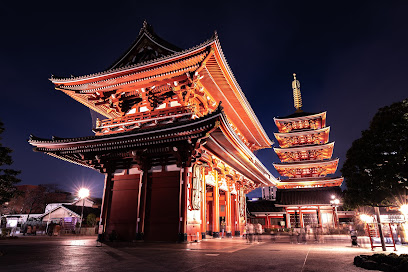
Sensō-ji
Tokyo 111-0032
Completed in 645, this temple, Tokyo's oldest, was built to honor Kannon, the goddess of m...
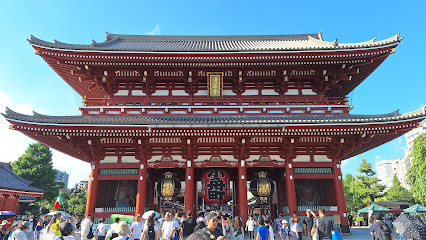
Kaminarimon
Tokyo 111-0032
A 3.9m-tall lantern greets visitors to this stately gate at the entrance to Sensō-ji templ...
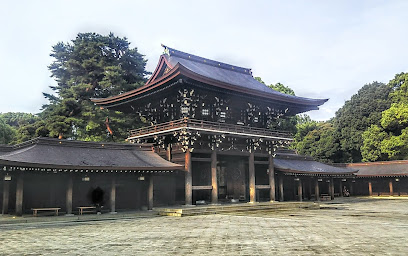
Meiji Jingu
Tokyo 151-8557
Surrounded by forest, this venerable Shinto shrine features a seasonal iris garden.

Kushida Shrine
812-0026
Founded in 757 CE, this urban site annually hosts the city's largest festival, Hakata Gion...