

Shrines & temples
Japanese shrines
OSM directory
Explore Shinto shrines mapped from OpenStreetMap — filter by prefecture, city, or denomination. For curated travel listings, see featured landmark shrines below.
30,440 shrines
Sumiyoshi Shrine
住吉神社
Kochi
A Sumiyoshi shrine in Kochi Prefecture dedicated to the three Sumiyoshi sea deities. These shrines traditionally serve as centers for prayers related to maritime safety, fishing prosperity, and purification rituals.
Sumiyoshi Shrine
住吉神社
Nara
A Sumiyoshi shrine in Nara Prefecture dedicated to the three Sumiyoshi deities, traditionally revered as protectors of seafarers and purification. Part of the extensive network of Sumiyoshi shrines throughout Japan that trace their spiritual lineage to the ancient Sumiyoshi Taisha in Osaka.
Sumiyoshi Shrine
住吉神社
Sumiyoshi Shrine is dedicated to the Sumiyoshi Sanjin, three powerful sea deities who are among Japan's most ancient kami. These shrines are found throughout Japan and serve as important centers for prayers related to maritime safety, purification, and protection. The Sumiyoshi kami are particularly revered by fishermen, sailors, and coastal communities.
Sumiyoshi Shrine
住吉神社
Fukuoka
Located in the heart of Dazaifu, Fukuoka Prefecture, Sumiyoshi Shrine is one of Japan's oldest and most revered Shinto shrines, dedicated to the god of prosperity, good fortune, and maritime safety. Its unique architecture and historical significance make it a must-visit destination for anyone interested in Japanese culture.
Sumiyoshi Shrine
住吉神社
Okinawa
Located on the southernmost part of Japan, Sumiyoshi Shrine is one of the oldest Shinto shrines in the country, dating back to the 2nd century AD. Dedicated to the sea god Susanoo and the sun goddess Amaterasu, the shrine is renowned for its distinctive Ryukyu architectural style, which reflects the unique cultural heritage of Okinawa. Visitors can explore the shrine's picturesque grounds, which include a stunning pond with beautifully crafted wooden bridges.
Sumiyoshi Shrine
住吉神社
Oita
Sumiyoshi Shrine
住吉神社
Shizuoka
Located in the city of Ise, Shizuoka Prefecture, Sumiyoshi Shrine is one of Japan's oldest and most sacred Shinto shrines, dedicated to the sea god Susanoo-no-Mikoto and his consort, Tamiko-muchi-no-kami. The shrine's architecture and traditions reflect its importance as a coastal temple, with a focus on the worship of marine kami.
Sumiyoshi Shrine
住吉神社
Shimane
Located in the city of Matsue, Shimane Prefecture, Sumiyoshi Shrine is one of Japan's oldest and most revered Shinto shrines, with a history dating back to the 5th century. The shrine is dedicated to the sun goddess Amaterasu Omikami and the storm god Susanoo-no-Mikoto, two of the most powerful kami in Shinto mythology.
Sumiyoshi Shrine
住吉神社
Ishikawa
Located in the coastal city of Kanazawa, Ishikawa Prefecture, Sumiyoshi Shrine is one of Japan's oldest and most prestigious Shinto shrines. Dedicated to the sea goddess Susanoo, it is known for its impressive architecture, unique torii gate, and strong connection to the region's maritime history.
Sumiyoshi Shrine
住吉神社
Saitama
Located in the heart of Japan, Sumiyoshi Shrine is one of the oldest Shinto shrines in the country, with its main hall dating back to 1926. Dedicated to the sea god Susanoo and his wife Kaguya-hime, this shrine is a significant cultural landmark in Saitama Prefecture. Its unique architecture, reflecting regional styles influenced by Chinese and Japanese traditions, has captivated visitors for centuries.
Sumiyoshi Shrine
住吉神社
Hyogo
Located on the western shore of the Akashi Strait, Sumiyoshi Shrine is one of Japan's oldest Shinto shrines, dedicated to the sea god Susanoo and the sun goddess Amaterasu. The shrine was established in 729 AD during the Nara period and has played a significant role in Hyogo Prefecture's maritime history and cultural identity.
Sumiyoshi Shrine
住吉神社
神奈川県 · 海老名市
Located in Kanagawa Prefecture, Sumiyoshi Shrine is the oldest Shinto shrine in Japan and a sacred site for the Yayoi people. Built to honor the god of the sea, Sugawara no Michizane, the shrine is known for its impressive architecture and stunning ocean views. The shrine complex features several halls and shrines dedicated to various kami, including those associated with navigation, prosperity, and protection.
Sumiyoshi Shrine
住吉神社
Oita
Sumiyoshi Shrine (Shioji, Miyazaki)
住吉神社(宮崎市塩路)
Miyazaki
A Sumiyoshi shrine located in the Shioji area of Miyazaki City, dedicated to the three Sumiyoshi deities who are revered as protectors of seafarers and purifiers of ritual defilement. The shrine serves the local community in this coastal prefecture, maintaining the important tradition of venerating these ancient maritime kami.
Sumiyoshi Taisha
住吉大社
大阪府 · 大阪市
Sumiyoshi Taisha is one of Japan's oldest and most sacred Shinto shrines, located in Osaka City. Dedicated to the sea god Susanoo, it is a major pilgrimage site for those seeking good luck, prosperity, and protection from misfortune. The shrine complex spans over 1,000 years, with its earliest records dating back to the Heian period (794-1185 CE). Visitors can explore the beautiful gardens, temples, and shrines within the complex, including the famous Susanoo Shrine hall.
Sumiyoshi-jinja Shrine
住三吉神社
北海道 · 函館市
Located in Hokkaido's Oshima Island, Sumiyoshi-jinja Shrine is the oldest Shinto shrine in Japan, with a history dating back to the Heian period (794-1185 CE). The shrine is dedicated to the sea and the god of navigation, Susanoo-no-Mikoto. It is known for its beautiful architecture and stunning ocean views.
Sumiyoshi-jinja Shrine
住吉神社
Kyoto
Located in the heart of Kyoto, Sumiyoshi-jinja Shrine is one of Japan's oldest and most revered Shinto shrines, dedicated to the god of prosperity and good fortune, Fujin. The shrine's name, which translates to 'God of the Setting Sun', reflects its historical significance as a major maritime deity.
Sumiyoshiōtomo Shrine
住吉大伴神社
Shiga
Sumiyoshiōtomo Shrine is a Shinto shrine located in Shiga Prefecture, Japan. The shrine is dedicated to the god of fertility and prosperity, Sumiyoshi Ōtomonokami, who is believed to have appeared at the site during a typhoon in 1586. The shrine's name literally means 'Festival God's Grand Child' and reflects its connection to the mythical child of the sun goddess Amaterasu. The shrine's architecture is typical of traditional Japanese Shinto shrines, with a distinctive pagoda-style torii gate and a complex network of shrines dedicated to various kami.
Sumizaka Shrine
墨坂神社
Nara
Sumoto Benzaiten Shrine
栖本弁財天
Kumamoto
A shrine dedicated to Benzaiten, the Buddhist-Shinto syncretic deity associated with water, music, eloquence, and good fortune. Located in Kumamoto Prefecture, this shrine represents the common worship of Benzaiten throughout Japan, particularly in areas near water sources.
Sunakubo Inari-Shrine
砂久保稲荷神社
Saitama
Located in the scenic town of Hikiyama, Saitama Prefecture, Sunakubo Inari-Shrine is a sacred site honoring the kami of rice and fertility. The shrine is dedicated to the primary deity Inari Okami, revered for its role in ensuring bountiful harvests and prosperity. With its unique architectural style influenced by traditional Heian-era designs, the shrine's main hall, called the 'Haiden,' features a striking red-painted torii gate. Visitors can explore the shrine grounds, which include several smaller shrines and shrines dedicated to other local kami.
Sunomiya Jinja Shrine
須の宮神社
Kanagawa
Sunomiya Jinja Shrine is a Shinto shrine located in the town of Odawara, Kanagawa Prefecture. The shrine is dedicated to the sun goddess Amaterasu and is also enshrined with the kami of the rice god Inari. Founded in 1561, the shrine has undergone several renovations and expansions throughout its history. Its current building style is a mix of traditional and modern elements. Visitors can enjoy the beautiful gardens and tranquil atmosphere of the shrine grounds.
Sunosaki-jinja Shrine
洲崎神社
Chiba
Sunosaki-jinja Shrine is a Shinto shrine located in the town of Katsurao, Chiba Prefecture. The shrine is dedicated to the deity Okuninushi, known as the 'god of rice and fertility'. The shrine's architecture reflects traditional Japanese design, with a distinctive shinden-zukuri style tower and a forested interior. Visitors can explore the shrine grounds, which include a sacred grove and a museum showcasing local history and culture.
Suo Shrine
周防神社
Yamaguchi
Suo Shrine is a historic Shinto shrine located in Yamaguchi Prefecture, serving as an important regional center of Hachiman worship. The shrine is dedicated to Emperor Ojin, revered as the divine spirit of Hachiman, and has long been venerated for protection in warfare and success in endeavors.
Curated shrine listings
Hand-picked shrines and temples from our landmark guide.
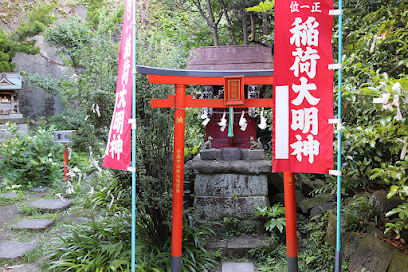
Otsuna Kompira Shrine
Kanagawa 221-0834
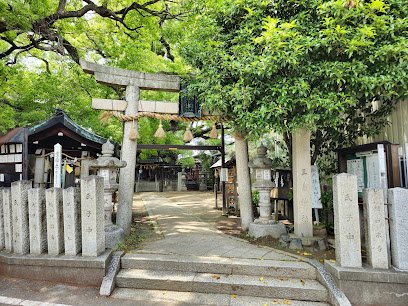
Mitsushima Shrine
Osaka 571-0015
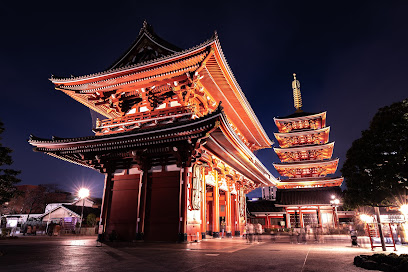
Sensō-ji
Tokyo 111-0032
Completed in 645, this temple, Tokyo's oldest, was built to honor Kannon, the goddess of m...
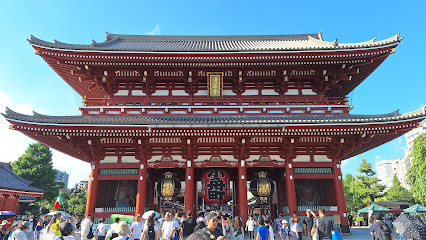
Kaminarimon
Tokyo 111-0032
A 3.9m-tall lantern greets visitors to this stately gate at the entrance to Sensō-ji templ...
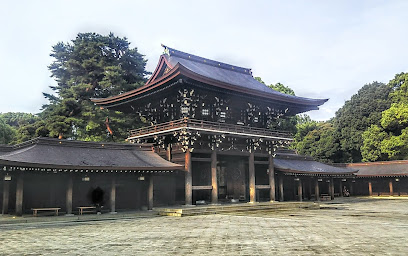
Meiji Jingu
Tokyo 151-8557
Surrounded by forest, this venerable Shinto shrine features a seasonal iris garden.

Kushida Shrine
812-0026
Founded in 757 CE, this urban site annually hosts the city's largest festival, Hakata Gion...