

Shrines & temples
Japanese shrines
OSM directory
Explore Shinto shrines mapped from OpenStreetMap — filter by prefecture, city, or denomination. For curated travel listings, see featured landmark shrines below.
393 shrines
上分荒神社
上分荒神社
Tokushima
The Katsurahama Shrine, located in Tokushima Prefecture, is dedicated to the Shishimai-kami, a group of three goddesses who preside over music and dance. The shrine's architecture reflects the traditional Japanese style, with a rectangular main hall surrounded by shimenawa (sacred rope) and torii gates. As one of the oldest shrines in Tokushima Prefecture, Katsurahama Shrine is rich in history and cultural significance.
中村神社
中村神社
Tokushima
Middle Village Shrine, located in the scenic town of Shikoku's Minami District, is dedicated to the worship of Masaoka-yama-tsumi no kami (, Mountain Spirit of Masaoka). With its unique blend of traditional and modern architecture, this shrine embodies the spirit of rural Shikoku. Built on the site where a 12th-century temple once stood, the current shrine's impressive torii gate and sacred pond evoke a sense of serenity and connection to nature. Visitors can experience the shrine's tranquil atmosphere during cherry blossom season or autumn foliage.
富隈神社
富隈神社
Tokushima
Located in the heart of Tokushima City, Richa Shrine is a historic Shinto shrine dedicated to the god of storms and fertility. The shrine is famous for its traditional architecture and beautiful gardens, which are said to have been created by the legendary Princess Iratsume. According to local legend, Princess Iratsume was banished from her kingdom by her brother but brought prosperity and fertility to the land after settling in Tokushima.
大歳神社
大歳神社
Tokushima
The Dōsai-jinja Shrine is a Shinto shrine located in Tokushima Prefecture, dedicated to the deity of longevity and prosperity. The shrine's architecture reflects traditional Japanese designs, with a tiled roof and wooden pillars. Visitors can participate in the annual Dōsai Matsuri festival, which honors the shrine's patron kami, and enjoy traditional performances and games.
岩津八幡神社
岩津八幡神社
Tokushima
Located in the city of Yame, Tokushima Prefecture, Iwatsu Hachiman Shrine is a Shinto temple dedicated to Hachiman Okami, a kami associated with war and protection. The shrine's name 'Iwatsu' refers to its location on the coast of the Iwatsuri River. Dedicated to the god who watched over the imperial family during times of war, the shrine's significance can be seen in the many tablets that bear witness to Hachiman's role in protecting Emperor Saga and his son. As a result of the strong sense of protection and safety, this temple is believed to provide solace for those seeking refuge from turmoil or loss.
日吉神社
日吉神社
Tokushima
Dayo-jinja, located in Tokushima Prefecture, is a Shinto shrine dedicated to the sun goddess Amaterasu. The shrine's architecture is typical of its region, featuring a wooden torii gate and a main hall with a tiled roof. Dayo-jinja is known for its beautiful gardens and traditional festivals, such as the annual Aki Matsuri, which celebrates the autumnal equinox.
高幢神社
高幢神社
Tokushima
High Tower Shrine, located in Tokushima Prefecture, is dedicated to the Shinto deity of the sea and storms, Urashima Taro's brother Okuninushi no Kami. The shrine's architecture reflects its connection to the sea, with wooden torii gates and a large sea god statue. Visitors can experience traditional Japanese culture by participating in festivals such as the Summer Festival, which includes games, food stalls, and live performances.
春日神社
春日神社
Tokushima
Spring Day Shrine, located in the scenic city of Tokushima, is a revered Shinto site that honors the kami associated with springtime and new beginnings. As one of the oldest shrines in Tokushima Prefecture, it has been an integral part of the community for centuries.
素戔嗚神社
素戔嗚神社
Tokushima
Located in the heart of Tokushima Prefecture, 瓦戔嗚神社 (Iroha-ozato Shrine) is a historic Shinto shrine dedicated to the sea god, Iroha-ozato no Okami. This shrine is famous for its beautiful gardens and traditional architecture, which reflect the region's rich cultural heritage. As one of the oldest shrines in Tokushima Prefecture, Iroha-ozato Shrine has been an important site for local communities and visitors alike for centuries.
栄稲荷神社
栄稲荷神社
Tokushima
Located in the Katsuragi Mountains of Tokushima Prefecture, 栄稲荷神社 is a Shinto shrine dedicated to the god of agriculture and prosperity. The shrine's history dates back to the Heian period, with records indicating its existence during the reign of Emperor Ichijo (850-867 CE). The shrine is famous for its beautiful gardens and traditional architecture, which reflect the unique cultural heritage of Tokushima Prefecture.
竜王社
竜王社
Tokushima
Drakon Shrine, located in the heart of Shikoku Island, is dedicated to Ryujin, the Dragon God of Japan's mythology. As one of the most prominent shrines in Tokushima Prefecture, it has a rich history dating back to the Heian period (794-1185 CE). The shrine's architecture reflects the unique regional style of Shikoku's kami shrines, with an emphasis on simplicity and harmony with nature.
五滝神社
五滝神社
Tokushima
Located in the heart of Tokushima Prefecture, Five-Fall Shrine is a sacred Shinto site that honors the mythological figure of Urashima Taro. According to legend, the fisherman was granted a single wish by the sea goddess Otohime after his remarkable journey. The shrine's unique architecture reflects this story, with five stone bridges spanning the valley below, said to represent the five falls Urashima Taro witnessed on his way to the underwater palace of Otohime. Visitors can walk across these bridges and pay respects at the shrine's entrance, a tranquil oasis amidst the bustling city.
白鳥神社
白鳥神社
Tokushima
The White Swan Shrine, located in the city of Shikoku Island, is one of the oldest Shinto shrines dedicated to the goddess Amaterasu. As a sacred site in Tokushima Prefecture, the shrine plays an essential role in preserving traditional Japanese culture and spiritual practices. The shrine's architecture reflects its historical significance, with a wooden torii gate that has been preserved since the 17th century.
亀山神社
亀山神社
Tokushima
Henzan Jinsha is a Shinto shrine located in the mountains of western Tokushima Prefecture, dedicated to the sea god Inari Okami and the deity Susa-no-o no Kami. The shrine is famous for its unique architecture, which blends traditional Shinto elements with local influences. Visitors can explore the forested grounds and enjoy scenic views of the surrounding mountains. Inside the shrine's main hall, worshipers can make offerings to the kami and participate in traditional ceremonies.
祇園神社
祇園神社
Tokushima
Prayer Gate Shrine, dedicated to the deity of agriculture and fertility, is a small but historic Shinto shrine located in Kochi Prefecture. The shrine was originally built in 757 AD during the Nara period as a way to honor the harvest season and ensure a bountiful future for the local population.
春日神社
春日神社
Tokushima
Spring Day Shrine, located in the heart of Tokushima Prefecture, is a Shinto shrine dedicated to the sun goddess Amaterasu and the storm god Susanoo. As one of the oldest shrines in Japan, it has played a significant role in the region's history and culture. The shrine's architecture is characterized by its unique hybrid style, blending traditional Shinto elements with elements of Chinese and Buddhist influences.
宇賀神社
宇賀神社
Tokushima
Uega Jinja, located in the scenic town of Uega, Tokushima Prefecture, is a lesser-known Shinto shrine nestled in the Iya Valley, renowned for its stunning natural beauty and rich cultural heritage. The shrine is dedicated to the kami of agriculture and prosperity, Inari Okami, and is revered by local residents for its fertility and prosperity blessings.
高津神社
高津神社
Tokushima
Highatsu Shrine, located in Tokushima Prefecture, is a Shinto shrine dedicated to the kami of the same name. The shrine's history dates back to the 7th century, during the Asuka period, and is believed to have been founded by Emperor Seiwa. Highatsu Shrine is notable for its unique torii gate, which is said to be one of the oldest in Japan. Visitors can experience the shrine's tranquil atmosphere and observe traditional Shinto rituals.
藤尾八幡神社
藤尾八幡神社
Tokushima
藤尾八幡神社 is a Shinto shrine located in Tokushima, dedicated to the god of war and the sea, Saichō Ō no Osafune. The shrine is renowned for its impressive torii gate and traditional architectural style, which reflects the region's strong maritime heritage. As a significant cultural and historical site, the shrine attracts visitors from all over Japan seeking to experience its unique blend of Shinto traditions and natural beauty.
宇志比古神社
宇志比古神社
Tokushima
The Ushi-bi-kyo Shrine is a Shinto shrine located in Tokushima Prefecture, dedicated to the worship of Ushi-bi, the god of oxen and agriculture. The shrine's architecture reflects the traditional style of the Iwakura-zukuri, with a large torii gate and a five-story pagoda. The shrine complex also includes several smaller shrines and shrines dedicated to other deities, such as the Ushi-bi no Kami, the main deity of the shrine.
長井長床神社
長井長床神社
Tokushima
Longozaka-no-kami Shrine is a Shinto shrine dedicated to the deity of Longozakano, an old Japanese legend about the founding of Tokushima Prefecture. Located in the town of Higashitosa, the shrine features a traditional-style architecture with a tiled roof and a wooden torii gate. The shrine is surrounded by beautiful natural scenery, including a river and lush greenery.
舞姫神社
舞姫神社
Tokushima
Dancing Princess Shrine, located in the scenic Tokushima Prefecture, is dedicated to the enshrined deity of the legendary princess, Odanojo, who danced on Mount Koya to bring peace to the region. The shrine's tranquil atmosphere and stunning natural surroundings make it an ideal destination for those seeking serenity and spiritual connection.
春日神社
春日神社
Tokushima
Located in the town of Hiragaya, Tokushima Prefecture, Spring Day Shrine is dedicated to the sun goddess Amaterasu and the Shinto deity of fertility and prosperity, Izanagi. The shrine's architecture reflects the traditional Heian period style, with a main hall featuring a characteristic tiled roof and a wooden torii gate. Visitors can explore the shrine grounds, which include several smaller shrines and a museum showcasing local artifacts. Spring Day Shrine is an important cultural site in Tokushima Prefecture.
地神社
地神社
Tokushima
Located in the heart of Tokushima Prefecture, Terashima Jishu Shrine is a small but historic Shinto shrine dedicated to Inari Okami, the kami of rice and industry. With its unique architecture and rich cultural heritage, this shrine offers a glimpse into Japan's ancient traditions. Visitors can explore the shrine's beautiful gardens and take in the breathtaking views of the surrounding countryside.
Curated shrine listings
Hand-picked shrines and temples from our landmark guide.
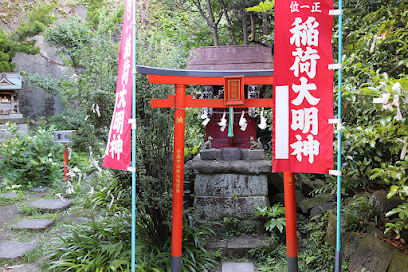
Otsuna Kompira Shrine
Kanagawa 221-0834
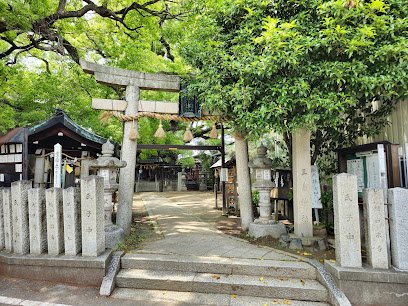
Mitsushima Shrine
Osaka 571-0015
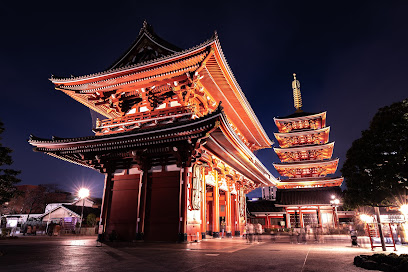
Sensō-ji
Tokyo 111-0032
Completed in 645, this temple, Tokyo's oldest, was built to honor Kannon, the goddess of m...
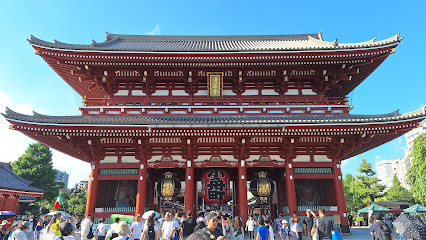
Kaminarimon
Tokyo 111-0032
A 3.9m-tall lantern greets visitors to this stately gate at the entrance to Sensō-ji templ...
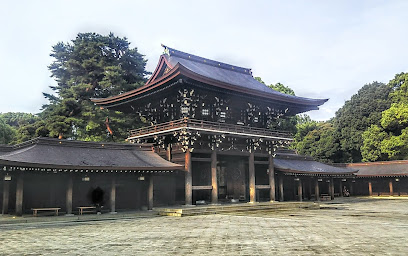
Meiji Jingu
Tokyo 151-8557
Surrounded by forest, this venerable Shinto shrine features a seasonal iris garden.

Kushida Shrine
812-0026
Founded in 757 CE, this urban site annually hosts the city's largest festival, Hakata Gion...