
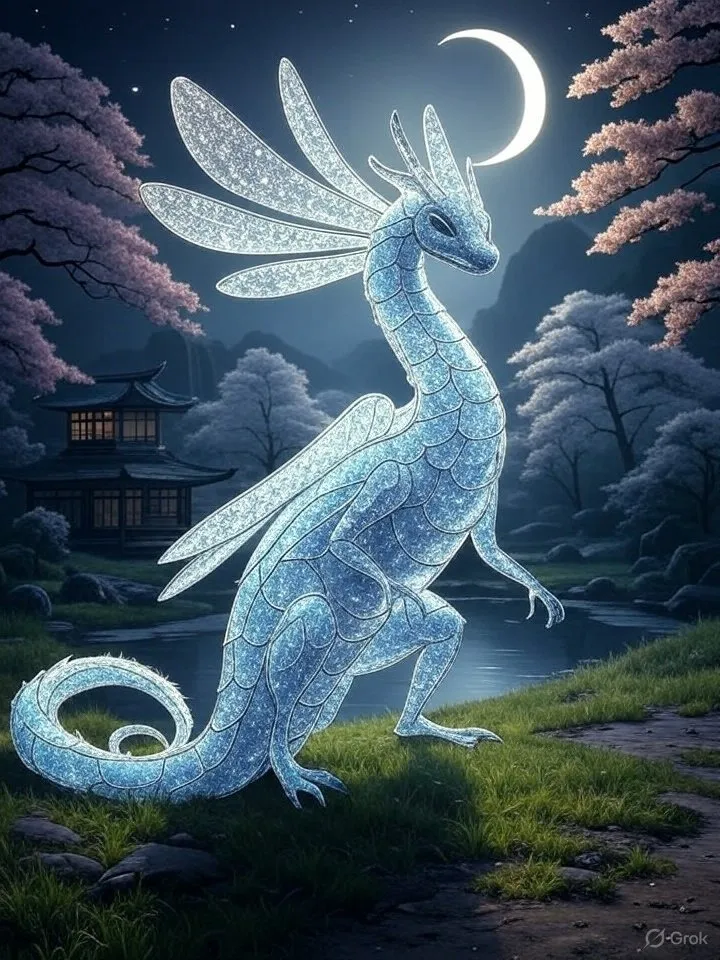
Name Meaning
Overview
Shiro-uneri (白うねり) is a tsukumogami—an object that has acquired a spirit—formed from an old white dishcloth. It is said to transform into a twisting, dragon-like being.
- Shiro (白) = White
- Uneri (うねり) = Undulation or twisting motion
Origin
- Rooted in the belief that household items gain souls after long use.
- A common theme in tsukumogami legends of Edo-period Japan.
- Warns against neglecting or disrespecting humble objects.
Appearance
- Looks like a serpentine cloth, often with glowing eyes and a long body.
- Sometimes described as hovering or writhing through the air like smoke.
- Can be mistaken for a small dragon or spirit creature.
Behavior & Myths
- Appears at night, especially in cluttered or poorly maintained homes.
- May frighten residents or cause mischief as a form of revenge.
- Legends suggest it seeks acknowledgment or respectful disposal.
Symbolism
- Embodies the spirit of forgotten domestic items.
- A metaphor for the hidden power in everyday things.
- Teaches respect for tools, belongings, and sustainability.

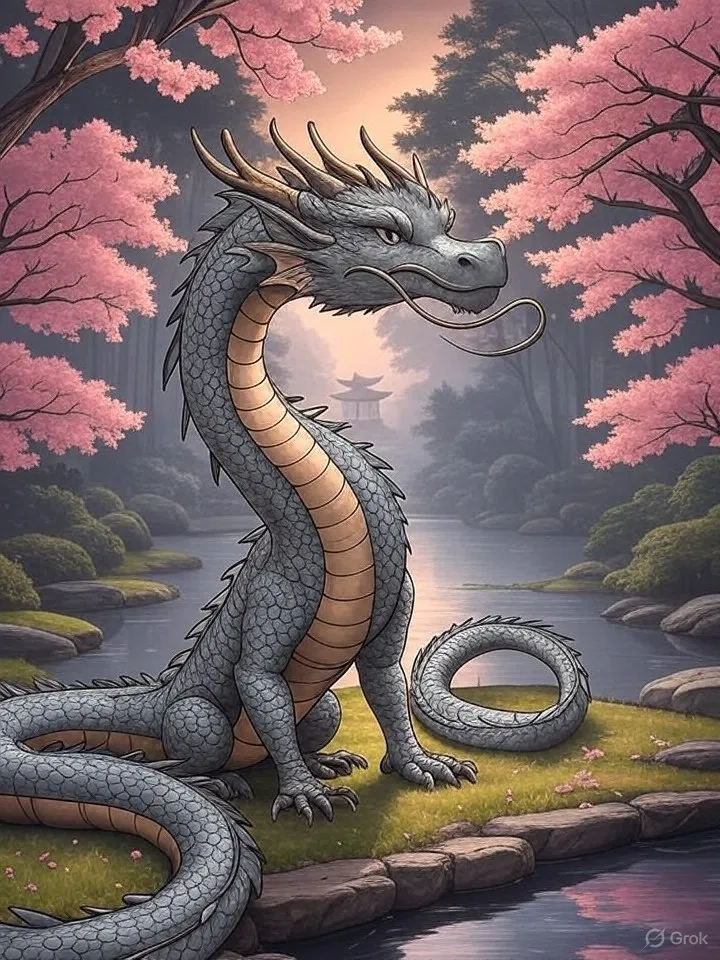
Illustrated folktale
The tale of Shiro-uneri

In the depths of autumn, when the wind whispers through the valleys and the trees don their crimson cloak, a humble merchant's home in rural Yamato was beset by strange happenings. Emiko, the young daughter, would often hear eerie rustlings in the night, like the soft brushing of silk against wood.
As the seasons passed, neglect had taken its toll on the household. Crumbling pots and worn sandals lined the shelves, their once-vibrant hues faded to dull grays. The merchant's wife, Akane, busied herself with the day's chores, yet her mind wandered to the accumulation of discarded trinkets. "These trifles," she would mutter, "are but mere shadows of our former selves."
One evening, as Emiko prepared for bed, a faint luminescence danced across the room. The child's eyes widened as the Shiro-uneri emerged from the shadows. Its serpentine form coiled around a tattered kimono, its glowing orbs fixed intently upon Akane.
The merchant's wife froze, her hands suspended above the steaming rice bowl. Emiko trembled, yet felt an inexplicable sense of wonder. The creature's writhing body began to take on a life of its own, like wisps of smoke that swirled and eddied in the darkness. As it hovered near Akane, a low, mournful sigh seemed to emanate from its very essence.
"Forgotten ones," the merchant's wife whispered, her voice barely audible over the crackling fire. "Your silence is your protest."
The Shiro-uneri's gaze intensified, as if pleading for attention. With a deep breath, Akane reached out and gently touched the worn kimono, now wrapped in shadows around the creature's form.
In that instant, the air was filled with a soft, golden light, like the glow of sunset on ripened rice fields. The serpentine cloth began to shimmer, its colors dancing across the fabric as if infused with life. Emiko felt an unexpected sense of peace settle within her, accompanied by a realization: these humble objects were not mere trifles, but vessels for memories and stories waiting to be shared.
As dawn broke over Yamato's rolling hills, the Shiro-uneri vanished into the morning mist. The merchant's wife approached Emiko with tears in her eyes, speaking softly of the need to honor and respect each item, no matter how worn or tattered it may appear. From that day forward, Akane tended to their belongings with a newfound sense of reverence, acknowledging the hidden power within every household trinket.
As autumn waned into winter's chill, Emiko watched her mother lovingly repair a frayed thread on an old cloak, while whispers of appreciation seemed to carry on the wind – the gentle murmur of forgotten ones grateful for their place in the world.