
Description
Overview
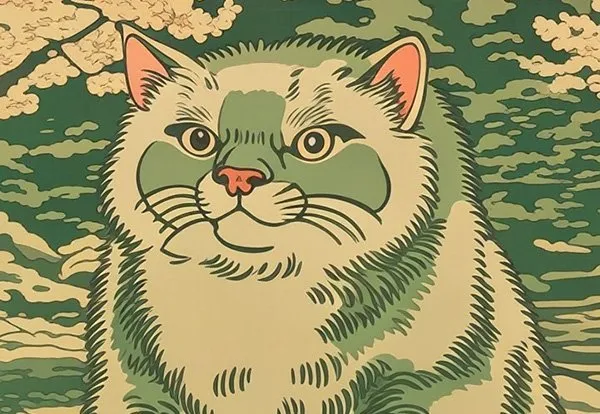
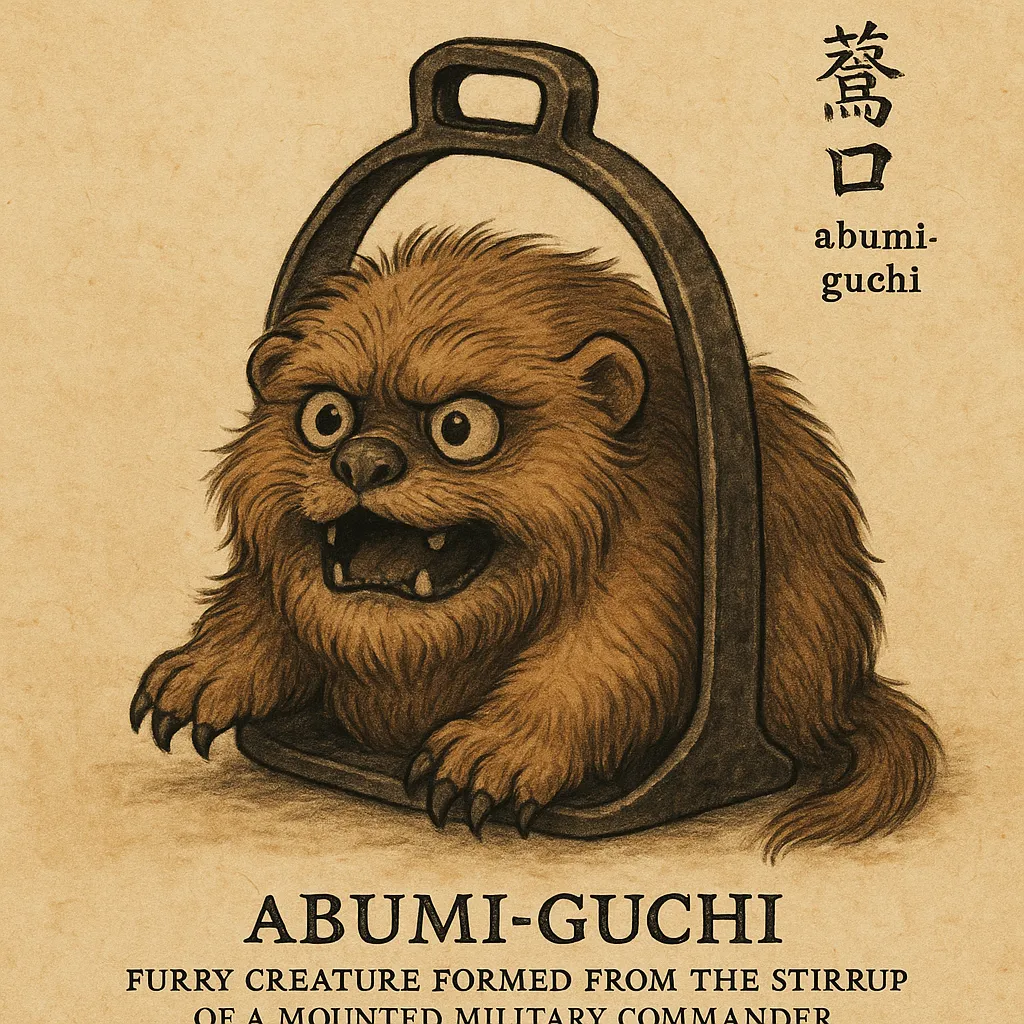
The Abumi-guchi is a small, furry yōkai that is said to be formed from an abumi—a traditional Japanese stirrup used by mounted samurai. Specifically, it arises from the stirrup of a fallen warrior, one who died in battle and never returned to reclaim his gear.
Mythical Origins:
According to legend, when a samurai dies in battle, his loyal equipment, especially parts like the stirrup, may linger with a strong attachment. Over time, this attachment manifests into a sentient creature—a yōkai driven by loyalty, loss, and waiting.
Appearance
- Small and furry, resembling a tufted animal or a hairy creature with a face.
- Sometimes shown with limbs or a mouth, though depictions vary.
- Often found lying near the remains of armor or old battlefields.

Behavior
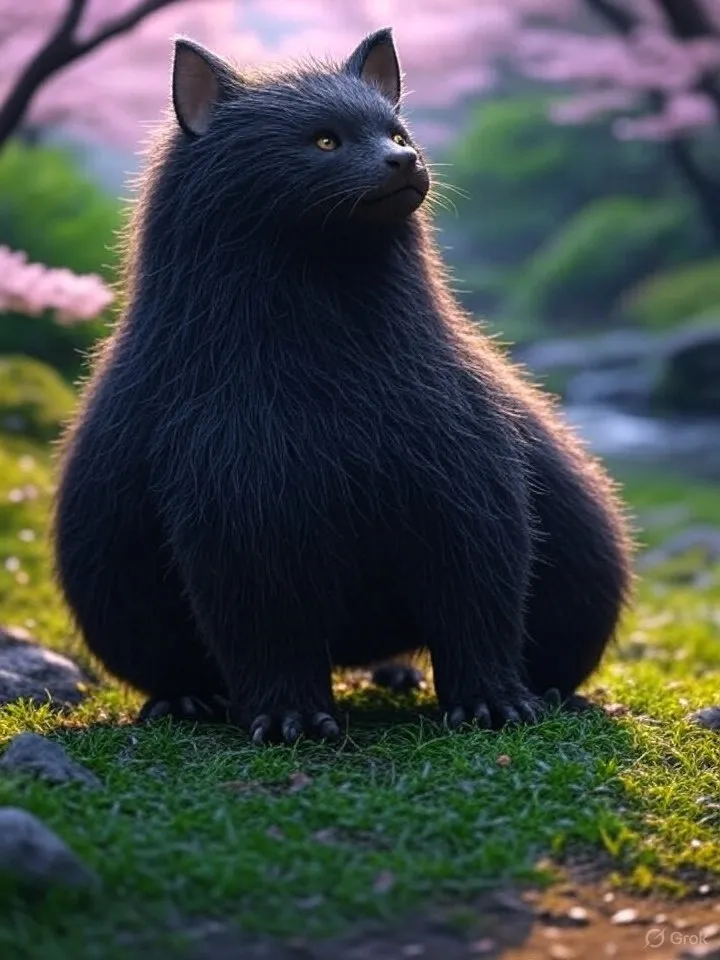
- The Abumi-guchi is not aggressive.
- It is said to wait eternally for its master to return, symbolizing unwavering loyalty and the tragedy of war.
- Some believe it can emit soft whimpering sounds or shuffle about quietly.
Symbolism
- Loyalty: Represents the unwavering devotion of a warrior’s tools.
- Sorrow: Reflects the sadness of lives lost in battle and items left behind.
- Ghosts of War: Part of a larger group of yōkai that personify relics or emotions tied to death in combat.
Cultural Notes
- The Abumi-guchi appears in Toriyama Sekien's Gazu Hyakki Tsurezure Bukuro, a famous 18th-century collection of yōkai illustrations.
- It's an example of tsukumogami—tools or objects that, after 100 years or through strong emotional attachment, gain sentience.
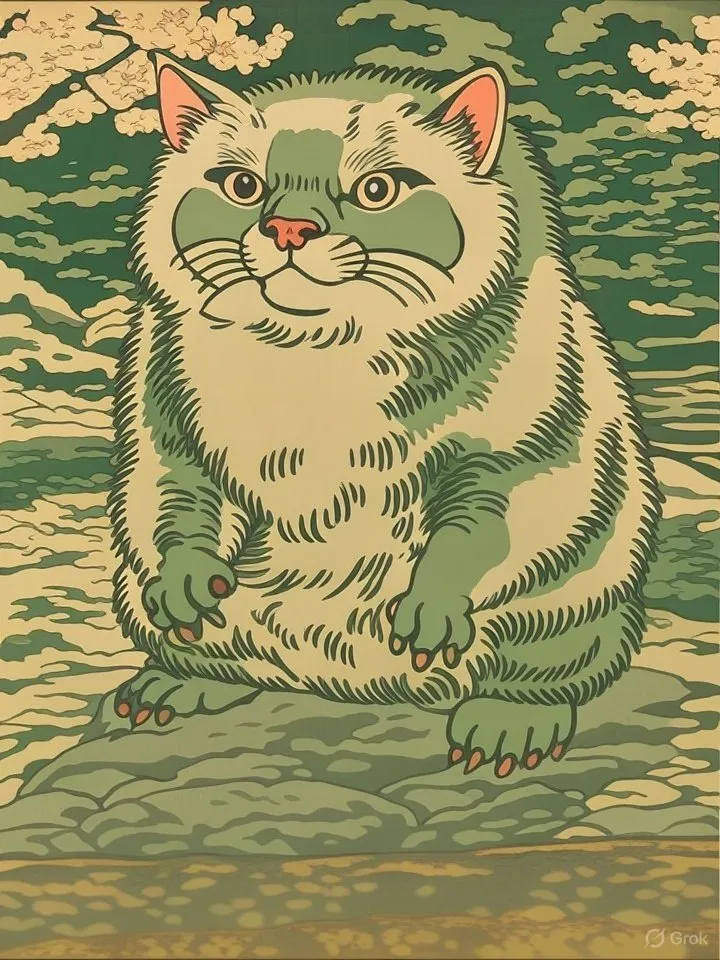
Illustrated folktale
The tale of Abumi-guchi

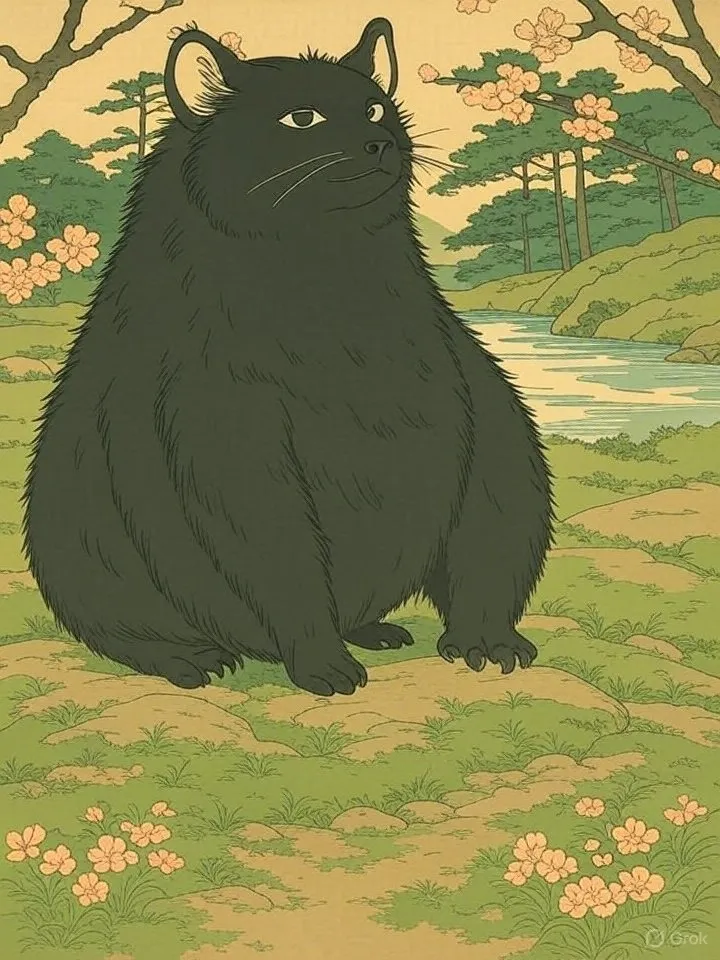
In the moonlit hills of Akakawa, where samurai once clashed with honor and steel, an Abumi-guchi stirred. Its tufted body trembled as it shuffled about, its whiskered face tilted upwards in a silent wail. For centuries, this yōkai had waited by the battle-scarred earth, expecting the return of Lord Shinoda.
The villagers claimed to have seen him: a lone figure, clad in worn armor and riding a spectral steed, with an Abumi-guchi trotting beside his stirrup. But they said it was just a ghostly apparition, a lingering shadow of war's sorrow. No one dared to confront the creature, fearing its mournful cries would summon the restless spirits of Akakawa.
One evening, a young girl named Emiko strayed into the hills, searching for wildflowers for her mother's altar. As she wandered deeper, the moon dipping low behind the trees, she stumbled upon the Abumi-guchi. It regarded her with wide, sorrowful eyes, its mouth opening in a soft whimper.
Emiko hesitated, unsure what to make of this strange creature. But as she looked into its face, she saw the weight of years bearing down on it – a burden she could hardly comprehend. Taking a deep breath, she reached out and gently petted the Abumi-guchi's tufted head. To her surprise, the yōkai relaxed, its whimpering subsiding into a low hum.
Without thinking, Emiko sat beside the creature, sharing her own worries about Lord Shinoda's fate. She spoke of the battles he fought, the comrades he lost, and the promises he made to his people. The Abumi-guchi listened intently, its ears twitching as if drinking in each word.
As the night wore on, Emiko felt a strange sense of calm settle over her. It was as though she had become one with the yōkai's eternal vigilance – watching, waiting, and mourning for the samurai who never returned. The moon dipped below the horizon, casting the hills in shadow, yet the Abumi-guchi remained by Emiko's side.
The villagers would later say that on certain nights, when the moon was full, a small figure could be seen accompanying an ethereal rider through Akakawa's battlefields. They claimed it was Lord Shinoda himself, finally at peace, with his loyal Abumi-guchi trotting faithfully behind him. Some even whispered that Emiko's kindness had set the creature free – freeing its spirit to rejoin its master in the afterlife.
Yet others believed that on those rare nights, the young girl and the yōkai still walked together, bound by an unbreakable bond of sorrow and loyalty. For in a world torn apart by war and loss, they found solace in each other's company – two souls forever tied to Akakawa's bloodstained earth.