

Shrines & temples
Japanese shrines
OSM directory
Explore Shinto shrines mapped from OpenStreetMap — filter by prefecture, city, or denomination. For curated travel listings, see featured landmark shrines below.
1,233 shrines
子之神社 Neno Shurine
子之神社 Neno Shurine
Kanagawa
Neno Shrine, located in Kanagawa Prefecture, is a Shinto shrine dedicated to the kami of children and fertility. The shrine's architecture reflects its historical significance as a sacred site for childbirth and family reunions. Visitors can explore the serene gardens and tranquil atmosphere, reminiscent of traditional Japanese culture.
岡村天満宮(Okamura-Tenmangu)
岡村天満宮(Okamura-Tenmangu)
Kanagawa
Located in the heart of Odawara, Okamura-Tenmangu Shrine is a sacred site dedicated to the Shinto deity Tenjin, revered as the patron of learning and culture. As one of the oldest shrines in Kanagawa Prefecture, it has played a significant role in the history of the region's education system. The shrine's architecture reflects its Heian-period origins, with a traditional-style main hall and several smaller structures. Visitors can experience the serene atmosphere of the shrine grounds, which include a tranquil forested area and a beautiful garden.
福徳弁財天
福徳弁財天
Kanagawa
皇大神宮(内宮)
皇大神宮(内宮)
Kanagawa
鯖神社
鯖神社
Kanagawa
正一位末廣大明神
正一位末廣大明神
Kanagawa
Located in Kamakura, this Shinto shrine is dedicated to Jiten Mae-yamato-no-Kami, a god of prosperity and good fortune. The shrine's name, which translates to 'First Rank Great Virtuous Deity', reflects its importance as a site for prayers seeking prosperity and protection. Visitors can explore the shrine's main hall and grounds, which feature beautiful gardens and traditional architecture.
稲荷社
稲荷社
Kanagawa
Ishihara Shrine, located in the heart of Yokohama, is dedicated to the Shinto god of rice, Susanoo, and is also famous for its stunning torii gate. The shrine's history dates back to the 17th century, during the Edo period, and has been an important center for worship and rituals related to agriculture and fertility. In addition to its historical significance, Ishihara Shrine is also known for its beautiful gardens and traditional architecture.
春日神社
春日神社
Kanagawa
Located in the Fuji-Hakone-Izu National Park, Spring Palace Shrine is one of Japan's oldest and most revered Shinto shrines. Built in 645 CE, it was originally a humble temple dedicated to the deity of spring, and later relocated to its current site in the 17th century. The shrine is famous for its beautiful gardens and traditional architecture.
豊受神社
豊受神社
Kanagawa
Toyosato Shrine, located in the city of Hiratsuka in Kanagawa Prefecture, is dedicated to Toyokuni-no-Mikoto, a Shinto deity believed to bring good fortune and prosperity to fishermen and river dwellers. The shrine's architecture reflects traditional Japanese design, with a rectangular main hall (mainya) covered by a gabled roof. Visitors can explore the surrounding gardens, which include a pond and walking paths.
宇賀神社
宇賀神社
Kanagawa
Located in Odawara, Kanagawa Prefecture, Uga Shrine is dedicated to the Shinto god Inari Okami, revered as the patron deity of commerce, industry, and fertility. As one of Japan's oldest shrines, dating back to the 7th century, it boasts a rich history and unique architectural style characteristic of the Kamakura period. Visitors can explore the shrine's impressive torii gates and experience its tranquil atmosphere.
八幡神社
八幡神社
Kanagawa
The Hachiman Shrine, dedicated to the Shinto god of war and fertility, is one of the most prominent shrines in Japan. Located in Kamakura, Kanagawa Prefecture, it was originally built as a memorial to Minamoto no Yoritomo's victory over the Taira clan during the Genpei War. The shrine's name 'Hachiman' refers to the god Hachiman-no-okami, who is believed to have appeared before Yoritomo in a dream, urging him to unite Japan against their common enemies. Today, visitors come to the shrine to pray for good fortune, success in battle, and protection from harm.
日 神社
日 神社
Kanagawa
Located in the scenic town of Kamakura, the Kamakura Shrine is one of Japan's most iconic Shinto shrines, dedicated to the god of war and prosperity, Okuninushi no Kami. This historic shrine has been a major pilgrimage site for centuries, attracting visitors from all over the world with its serene gardens, beautiful architecture, and rich cultural heritage.
白山稲荷大明神
白山稲荷大明神
Kanagawa
Located in the city of Hakone, White Mountain Inari Taisha is one of Japan's most famous Shinto shrines dedicated to the god of rice, prosperity, and fertility. The shrine is situated at the foot of Mount Fuji, reflecting its symbolic connection with the sacred mountain. As one of the 87 major Shinto shrines in Japan, it attracts millions of visitors each year.
金神
金神
Kanagawa
Located in Kanagawa, the shrine dedicated to the god of wealth and prosperity, Jinbu no Kami, is a significant Shinto site in the region. Its architecture reflects traditional Japanese design, with an imposing torii gate and a serene garden. Visitors can explore the shrine's grounds, which offer a peaceful escape from urban life.
松柏稲荷大明神
松柏稲荷大明神
Kanagawa
The Matsubara Inari Shrine in Kanagawa is a renowned Shinto shrine dedicated to the patron deity of rice and industry, Inari Okami. The shrine's architecture reflects the traditional Japanese style, with a vermilion torii gate and ornate wooden buildings. Visitors can explore the shrine grounds, which feature numerous stone and bronze lanterns and several vermilion bridges.
厳島神社(境内社)
厳島神社(境内社)
Kanagawa
厳島神社 is a Shinto shrine located in Odawara, Kanagawa Prefecture, dedicated to the god of storms and fertility, Susanoo-no-Mikoto's brother, Amaterasu's twin son Kamuyama no Kami and also Susanoo's grandson Ōkuninushi. The shrine is famous for its connection to the Japanese mythological hero Susanoo and the creation of islands.
境内社
境内社
Kanagawa
Kimitsu Shrine, located in the city of Kamakura, Kanagawa Prefecture, is a Shinto shrine dedicated to the deity Kamakura no Ōjin, a regional kami associated with good fortune and prosperity. The shrine's architecture reflects the traditional Japanese style, with a simple yet elegant design featuring a vermilion torii gate and a tranquil garden. Visitors can experience the serene atmosphere of the shrine by walking through the gates at dawn or dusk when the cherry blossoms are in bloom.
春日神社
春日神社
Kanagawa
神明社
神明社
Kanagawa
八坂神社
八坂神社
Kanagawa
笹間稲荷神社
笹間稲荷神社
Kanagawa
稲荷神社
稲荷神社
Kanagawa
The Inari Shrine in Kanagawa Prefecture is one of the most famous Shinto shrines in Japan, dedicated to the god Inari Okami, the patron deity of rice and fertility. The shrine is known for its thousands of vermilion torii gates that symbolize the bond between humans and nature. Visitors can explore the inner courtyards, known as 'honden,' which contain the main shrine building and the sacred shrine dedicated to Inari. The shrine is also famous for its numerous shrines branches called 'odoshi,' located in various parts of Kanagawa Prefecture.
深見神社
深見神社
Kanagawa
Deepseen Shrine is a small Shinto shrine located in the town of Kurihama, Kanagawa Prefecture. The shrine is dedicated to the kami of fishing and navigation, and is particularly famous for its role in the local maritime industry. Visitors can learn about the shrine's history and significance at the on-site museum, which features exhibits on the shrine's role in the region's trade and culture.
稲荷神社
稲荷神社
Kanagawa
Curated shrine listings
Hand-picked shrines and temples from our landmark guide.
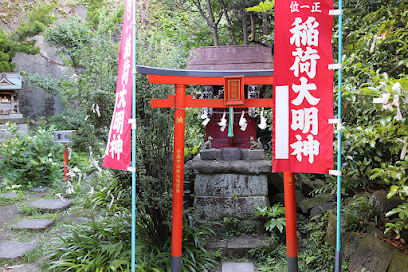
Otsuna Kompira Shrine
Kanagawa 221-0834
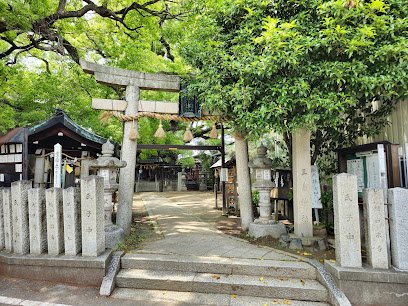
Mitsushima Shrine
Osaka 571-0015
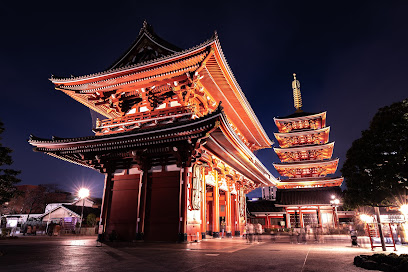
Sensō-ji
Tokyo 111-0032
Completed in 645, this temple, Tokyo's oldest, was built to honor Kannon, the goddess of m...
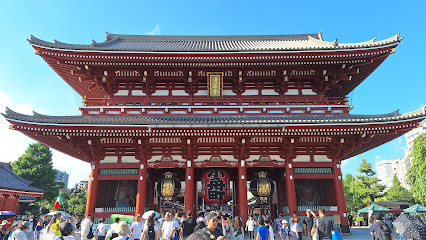
Kaminarimon
Tokyo 111-0032
A 3.9m-tall lantern greets visitors to this stately gate at the entrance to Sensō-ji templ...
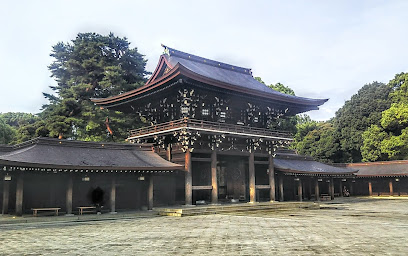
Meiji Jingu
Tokyo 151-8557
Surrounded by forest, this venerable Shinto shrine features a seasonal iris garden.

Kushida Shrine
812-0026
Founded in 757 CE, this urban site annually hosts the city's largest festival, Hakata Gion...