

Shrines & temples
Japanese shrines
OSM directory
Explore Shinto shrines mapped from OpenStreetMap — filter by prefecture, city, or denomination. For curated travel listings, see featured landmark shrines below.
1,794 shrines
多由比神社
多由比神社
Shiga
Located in the city of Omi, Shiga Prefecture, Multiple Shrine is a Shinto shrine dedicated to Multiple Kami, a group of deities associated with good fortune and prosperity. The shrine's architecture reflects its historical significance as one of Japan's oldest shrines, dating back to the Heian period (794-1185 CE). Its wooden structures and tiled roofs are characteristic of traditional Japanese temple design.
秋葉神社
秋葉神社
Shiga
Autumn Leaves Shrine is a small Shinto shrine located in the heart of Nagahama, Shiga Prefecture. Dedicated to the kami of autumn, the shrine is known for its vibrant autumn foliage and traditional Japanese architecture. The shrine's design reflects its role as a symbol of harvest abundance, with many trees surrounding the sacred grounds. Visitors can admire the stunning fall colors during the autumn season.
湖守神社
湖守神社
Shiga
Lake Biwa's guardian deity, Fukutomi no Okami is enshrined at the Hukuji Shrine. Dedicated to the god of prosperity and good fortune, visitors can pray for a successful career or peaceful life. The shrine is also famous for its beautiful garden and stunning views of Lake Biwa.
愛宕神社
愛宕神社
Shiga
Located in the city of Hikone, Aizukannon Shrine is dedicated to the Buddhist deity Kannon and is one of Japan's most famous shrines. While primarily a Buddhist temple, it also has connections to Shintoism, particularly through its Shiga Prefecture origins. The shrine's name 'Aizukannon' reflects its primary deity, while 'Shrine' better aligns with Shinto practices.
加茂神社
加茂神社
Shiga
Located in the scenic city of Hikone, Sumiyoshi Taisha is one of Japan's most famous Shinto shrines, dedicated to the god of the sea and storms, Susanoo-no-Mikoto. The shrine complex spans over 100 acres and features a striking vermilion torii gate that stands out against its tranquil surroundings. Visitors can explore the grounds on foot or by boat, taking in the stunning views of Lake Biwa.
白山神社
白山神社
Shiga
White Mountain Shrine, located in the heart of Japan's White Mountains, is one of the oldest and most revered shrines in the country. Dedicated to the god of agriculture, Inari Okami, it attracts numerous pilgrims throughout the year. The shrine's architecture reflects a mix of traditional Japanese and local influences, with a distinctive white-and-black torii gate that stands out against the natural backdrop.
天満神社
天満神社
Shiga
Located in the scenic town of Hikone, Tenshukaku Castle's surrounding forest is home to the Shinto shrine Tenmangū, which honors the kami Okuninushi-no-kami and Inari Ōkami. Dedicated to agriculture and fertility, these deities are revered for their ability to bring prosperity and good fortune to crops. Visitors can explore the serene temple grounds and enjoy strolls along the nearby Lake Biwa.
若宮八幡神社
若宮八幡神社
Shiga
Located in the city of Omi, Shiga Prefecture, Ifukuyama Shrine is a Shinto shrine dedicated to the god Hachiman, who is often referred to as the patron deity of warriors and travelers. The shrine's name, 'Ifukuyama,' translates to 'mud-castle' or 'earthwork castle,' which refers to its location near an ancient earthwork. The shrine's architecture is a classic example of Heian-period Japanese construction, featuring a main hall surrounded by ornate wooden lanterns and a large stone torii gate.
大川神社
大川神社
Shiga
Located in the city of Hikone, Shiga Prefecture, the Daigawa Shrine is a sacred site dedicated to the kami Inari Okami. The shrine's name "Daigawa" refers to the nearby Daigawa River, which played a crucial role in the region's history and economy. As one of Japan's oldest shrines, it has been an important cultural and spiritual center for over 1,400 years, attracting pilgrims from all over the country.
天増川八幡神社
天増川八幡神社
Shiga
Located in the city of Omi, Hachiman Shrine is dedicated to the god Hachiman, a prominent kami of war and patron deity of samurai. The shrine's name, 'Tennousa Kawara Hachiman-gu', roughly translates to 'Inari Heaven River Hachiman Shrine'. Shigatani no Saki, the precincts of the shrine, is said to be where Emperor Seiwa of Japan (r. 858-876 CE) was born.
小讃岐神社
小讃岐神社
Shiga
小讃岐神社 is a Shinto shrine located in Echizen, Fukui Prefecture, but the one in Shiga Prefecture was likely built to honor a kami enshrined by the Omi family of the former Omi Province. The shrine is known for its elegant architecture and beautiful gardens. The primary deity enshrined at this shrine is Akae no Kagami, a kami associated with the rice harvest and fertility.
能家天神宮
能家天神宮
Shiga
能家天神宮 is a Shinto shrine located in Shiga Prefecture, dedicated to the worship of Inari Okami, the Shinto god of fertility, rice, and industry. The shrine complex features a large torii gate and a traditional Japanese garden, showcasing classic Edo-period architecture. Visitors can participate in festivals honoring Inari's role as a guardian of prosperity and good fortune.
山神神社
山神神社
Shiga
Located in the city of Nagahama,山神神社 is a Shinto shrine dedicated to the kami of mountains and storms, believed to protect the local community from natural disasters. The shrine's architecture reflects its role as a storm god shrine, with a distinctive torii gate and a large stone statue of the kompyuu (dragon) that serves as the shrine's symbol. Visitors can experience traditional Shinto rituals and ceremonies, including the annual Storm God Festival, which honors the kami and seeks good weather.
思子淵神社
思子淵神社
Shiga
Thoughts Subsiding Shrine, located in the Echizen region of Shiga Prefecture, is dedicated to the kami (spirits) believed to inhabit the surrounding mountains and forests. The shrine's design reflects its rural setting, with a simple yet elegant structure that blends seamlessly into the natural surroundings.
日吉神社
日吉神社
Shiga
Located in the city of Otsu, Dayotsu Shrine is a Shinto shrine dedicated to the god of fertility and prosperity, known as Dayotsu no Okami. The shrine is famous for its beautiful autumn foliage and unique architectural style, which combines traditional Japanese elements with Chinese influences.
志故淵神社
志故淵神社
Shiga
Located in the picturesque town of Gokurakuji in Shiga Prefecture, Sagawa-uegusunahachiman Shrine is a serene Shinto oasis that embodies the tranquil atmosphere of rural Japan. The shrine is dedicated to Hachiman, the Shinto god of war and patron deity of samurai warriors, who is revered for his protection and guidance during times of conflict. With its traditional thatched-roof main hall and intricately carved wooden pillars, Sagawa-uegusunahachiman Shrine exudes a sense of history and cultural heritage.
芦生神社
芦生神社
Shiga
芦生神社 is a Shinto shrine located in Nagahama, Shiga Prefecture, dedicated to the kami Enma Daijin. The shrine was established during the Heian period (794-1185 CE) and has since become an important cultural landmark in the region. Visitors can admire the traditional Japanese architecture, including the main hall, torii gate, and garden. Locals believe that Enma Daijin watches over the local community and ensures good fortune.
岩神
岩神
Shiga
Located in the heart of Shiga Prefecture, the Iwami Shrine is a revered Shinto site dedicated to the enshrined deity Ame-no-Minakuchi, one of the three deities believed to have created Japan. As an ancient shrine with roots dating back to the Heian period (794-1185 CE), Iwami Shrine showcases traditional Shinto architecture and cultural practices.
春日神社
春日神社
Shiga
Spring Day Shrine in Shiga Prefecture is dedicated to the worship of Osumi Amatsukami, a minor kami associated with springtime and new beginnings. Located near the shores of Lake Biwa, the shrine's architecture reflects its connection to nature and the region's rich cultural heritage.
八幡神社
八幡神社
Shiga
The Eightfold Shrine, located in the city of Nagahama in Shiga Prefecture, is a prominent Shinto shrine dedicated to the god Susanoo, one of the three primary kami worshipped by the Japanese people. Founded during the Heian period, this shrine has been an important site for centuries, and its beautiful architecture and serene surroundings make it a must-visit destination for anyone interested in Japanese culture and spirituality.
金比羅宮
金比羅宮
Shiga
Kintsu-miya, located in Shiga Prefecture, is a Shinto shrine dedicated to the kami of maritime trade and prosperity. The shrine's main deity, Okuninushi-no-kami, is associated with commerce, agriculture, and navigation. Kintsu-miya plays an important role in the region's maritime history and is often visited by locals seeking good fortune for their fishing endeavors. Visitors can experience the shrine's unique architecture, which reflects the blend of traditional and modern Japanese styles.
山神社
山神社
Shiga
Located in the city of Hikone, Shiga Prefecture, Mountain Shrine is a historic Shinto shrine dedicated to the kami of mountains and forests. With its serene natural surroundings, the shrine offers a tranquil escape from urban life. Visitors can explore the traditional architecture, including the impressive torii gate and the wooden main hall.
日吉神社
日吉神社
Shiga
Dayutsu-in Shrine is a Shinto shrine located in Echizen District, which is at the foot of Mount Haku. Dedicated to the god of good fortune and prosperity, the primary kami enshrined here is Atsuta Okami. Other kami include Otaemonokami, and Fujitama. The shrine is famous for its beautiful gardens and traditional Japanese architecture.
織田神社
織田神社
Shiga
Oriida Jinja is a Shinto shrine located in the city of Kōka, Shiga Prefecture. Dedicated to Inari Ōkami, it is renowned for its numerous vermilion torii gates that line the approach path, symbolizing the deity's patronage of rice and industry. The shrine's design reflects the Edo period style, with its simple yet elegant architecture. Visitors can experience a tranquil atmosphere while exploring the various shrines within the complex.
Curated shrine listings
Hand-picked shrines and temples from our landmark guide.
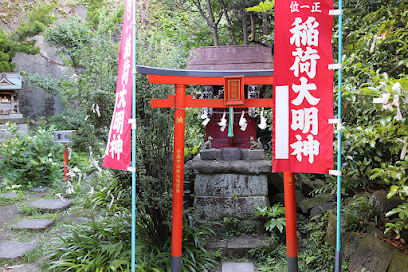
Otsuna Kompira Shrine
Kanagawa 221-0834
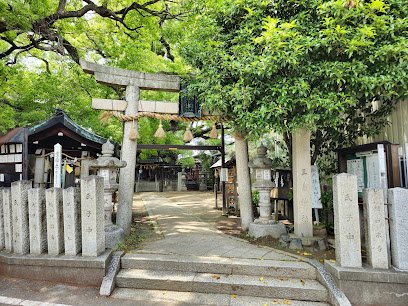
Mitsushima Shrine
Osaka 571-0015
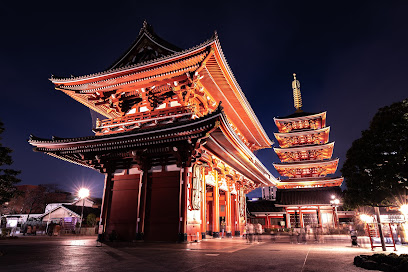
Sensō-ji
Tokyo 111-0032
Completed in 645, this temple, Tokyo's oldest, was built to honor Kannon, the goddess of m...
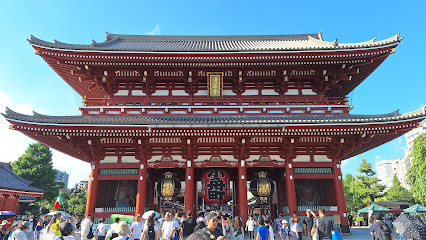
Kaminarimon
Tokyo 111-0032
A 3.9m-tall lantern greets visitors to this stately gate at the entrance to Sensō-ji templ...
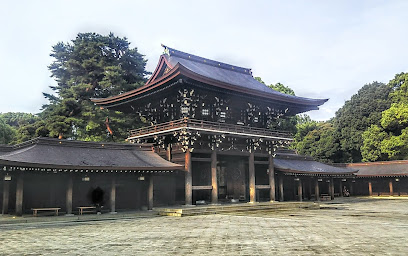
Meiji Jingu
Tokyo 151-8557
Surrounded by forest, this venerable Shinto shrine features a seasonal iris garden.

Kushida Shrine
812-0026
Founded in 757 CE, this urban site annually hosts the city's largest festival, Hakata Gion...