

Shrines & temples
Japanese shrines
OSM directory
Explore Shinto shrines mapped from OpenStreetMap — filter by prefecture, city, or denomination. For curated travel listings, see featured landmark shrines below.
975 shrines
長坂野神社
長坂野神社
Ishikawa
Longsaku-ryuji Shinto Shrine is a small but historic site located in the heart of Ishikawa Prefecture. Dedicated to Okuninushi, the god of harvest and fertility, this shrine is known for its traditional architecture and serene gardens. The shrine's current structure dates back to 1834, although its origins are believed to date back to the Heian period (794-1185 CE). Visitors can experience a tranquil atmosphere amidst beautiful autumn foliage in the fall or enjoy hot springs at the nearby onsen.
白山神社
白山神社
Ishikawa
Located in the mountains of Ishikawa Prefecture, White Mountain Shrine is a Shinto sanctuary dedicated to the deity Amaterasu Omikami, the sun goddess. The shrine's architecture reflects the traditional Japanese style, with a wooden torii gate and tiled roof. Visitors can explore the shrine grounds, which feature several temples and shrines, as well as a museum showcasing the history of the White Mountain Shrine.
Toyokuni Jinja Shire
Toyokuni Jinja Shire
Ishikawa
Located in the picturesque town of Toyokuni, Ishikawa Prefecture, Toyokuni Jinja Shrine is a serene Shinto destination that embodies the tranquil spirit of rural Japan. Dedicated to the revered deity Toyokuni no Okami, the shrine boasts an impressive wooden torii gate and traditional Japanese architecture. Visitors can explore the surrounding natural beauty of the Hokuriku Mountains and enjoy a peaceful retreat from urban life.
Utasu Jinja Shire
Utasu Jinja Shire
Ishikawa
Utatsu Jinja Shrine is a historic Shinto shrine located in the city of Kanazawa, Ishikawa Prefecture. The shrine's current structure dates back to the Heian period (794-1185), but its origins are believed to date further back to the Nara period (710-794). The shrine's main deity is Utatsu kami, a local god revered for his power over rivers and waterways.
Utatsu Tenmangu Shire
Utatsu Tenmangu Shire
Ishikawa
Utatsu Tenmangu Shrine in Ishikawa Prefecture is dedicated to the deity of learning and literature, Sugawara no Michizane, a revered figure in Japanese history known as Tenjin. The shrine's architecture reflects the Heian period, with a traditional Japanese style featuring a large torii gate and a tiled roof. Visitors can enjoy the tranquil atmosphere and scenic views of the surrounding area, making it a peaceful retreat for those seeking inspiration. At night, the shrine is illuminated, adding to its serene beauty.
Chicken Shrine
Ishikawa
The Chicken Shrine, located in Ishikawa Prefecture, is a unique Shinto site that honors the local kami associated with poultry. While specific details about its founding and historical context are unknown, it is believed to have originated during the Edo period (1603-1867) as a rural shrine dedicated to the care and prosperity of local farmers' chickens. The shrine's architecture reflects traditional Japanese design elements, including a simple yet imposing torii gate and a rectangular main hall. Over time, the shrine has become an important site for locals and visitors alike, who come to pay respects to the sacred animals that have been central to their communities for generations.
Ena Jinja Shrine
荏名神社
Ishikawa
Ena Jinja Shrine is a Shinto shrine located in the town of Ena, Ishikawa Prefecture. As one of Japan's oldest shrines, it dates back to the Heian period (794-1185 CE), making it a significant cultural and historical landmark in the region. The shrine is dedicated to the kami Enma, the god of hell, who is believed to watch over the souls of the deceased. Visitors can explore the shrine's traditional architecture, including the main hall and the torii gate, which are adorned with beautiful gardens and trees.
Gifu Gokoku Shrine
岐阜護國神社
Ishikawa
Located in the city of Kanazawa, Ishikawa Prefecture, Gifu Gokoku Shrine is a Shinto shrine dedicated to the god of war and protection, Gofuku Tenjin. The shrine was built in 1872 during the Meiji period as a way to honor the memory of Japanese samurai who had died in battle. The shrine's architecture is typical of Edo-period temples, with a wooden torii gate and a spacious main hall. The shrine's kami are believed to offer protection to those seeking fortune and success in their endeavors.
Hachiman-Jinja shrine
八幡神社
Ishikawa
Located in the city of Kanazawa, Hachiman-Jinja shrine is a Shinto temple dedicated to the god of war and fertility, Hachiman Okami. The shrine's primary enshrined deity is Inari, a kami revered for his power over rice and prosperity. The shrine complex features a grand main hall with a distinctive shacha-ike (water-filling basin) roof, typical of Edo-period architecture. Visitors can participate in the traditional 'tsukino-matsuri' festival held annually on November 23rd.
Hachiman-Jinja shrine
八幡神社
Ishikawa
Located in the city of Kanazawa, Ishikawa Prefecture, Hachiman-Jinja Shrine is one of Japan's oldest and most revered Shinto shrines dedicated to the god of war, Hachiman. Established in 727 CE during the Nara period, the shrine has played a significant role in Japanese history, particularly in the Heian era. Over time, it has undergone several renovations and expansions, with its current structure dating back to the Edo period. As one of Japan's most important Shinto shrines, Hachiman-Jinja Shrine is not only a place of worship but also a cultural and historical treasure.
Hie Shrine
日枝神社
Ishikawa
Located in the heart of Tokyo, Hie Shrine is one of Japan's most famous Shinto shrines and a popular destination for visitors. Dedicated to the god of purification, water, and prosperity, Hie Shrine is known for its stunning architecture and rich history dating back to the Heian period (794-1185 CE). The shrine complex features a unique blend of traditional and modern elements, including the striking Kiyomizu Hie Shrine Hall that offers breathtaking views of the surrounding area. Visitors can experience the tranquil atmosphere of the shrine grounds, which are adorned with beautiful gardens, teahouses, and traditional shops.
Higashiyama Jinja Shrine
東山白山神社
Ishikawa
Located in the heart of Kanazawa, Higashiyama Jinja Shrine is a Shinto shrine dedicated to the kami of the East Mountains. The shrine's name reflects its proximity to the majestic Higashiyama Mountain Range. Founded during the Edo period (1603-1868), the shrine has been an important spiritual site for locals seeking blessings and protection. Visitors can explore the serene gardens, traditional architecture, and participate in various festivals throughout the year.
Hiroguri Shrine
広栗神社
Ishikawa
Located in the town of Kanazawa, Hiroguri Shrine is a Shinto shrine dedicated to the kami of broad beans and good fortune. The shrine's architecture reflects the Heian period style, with a single-story main hall and a vermilion torii gate. According to local legend, the shrine was founded by the local daimyo (feudal lord) who believed that the shrine's patron deity would bring prosperity to his domain.
Ishikawa Gokoku Shrine
石川護国神社
Ishikawa
Ishikawa Gokoku Shrine is a Shinto shrine dedicated to Gokoku, the god of war and protector of the state. Located in Kanazawa, the shrine was built in 1888 as a memorial to the former daimyo (feudal lord) Katsuragi Naomasa who died defending his territory against the forces of Saigo Takamori during the Boshin War. The shrine's architecture is typical of late Meiji period Shinto shrines, with a large torii gate and a rectangular main hall. Visitors can pay their respects to Gokoku-sama at the shrine's inner sanctuary, where a statue of the deity sits atop a raised platform. In addition to its historical significance, Ishikawa Gokoku Shrine is also an important cultural institution in Kanazawa, hosting various festivals and events throughout the year.
Ishiura Shrine
石浦神社
Ishikawa
Ishiura Shrine is a Shinto shrine located in Ishikawa Prefecture, dedicated to the kami of the same name. The shrine is believed to be the ancestral temple of the Ishiura clan, a local samurai family. Its architecture reflects traditional Edo-period designs, with a large torii gate and a wooden shrine hall. Visitors can explore the surrounding park, which features several traditional Japanese gardens.
Itomimurashima Shrine
意冨志麻神社
Ishikawa
Itomimurashima Shrine is a Shinto shrine located in the town of Katsuyama, Ishikawa Prefecture. The shrine is dedicated to Itomimura no Okami, a kami associated with the sea and fishing. According to local legend, the shrine was built after a miraculous catch by a fisherman named Tadakuni. The shrine's architecture reflects its rural setting, with a simple yet elegant design featuring a wooden torii gate. Visitors can explore the shrine's grounds, which include a pond and a historic wooden bridge.
Juzo Shrine
重蔵神社
Ishikawa · 石川県輪島市河井町
Juzo Shrine is a Shinto shrine located in the scenic town of River Town, Katsuragi on the island of Reimen-to, Ishikawa Prefecture. Dedicated to Juzo Okami, a kami believed to watch over travelers and rivers, the shrine has a long history dating back to the 16th century. Its architectural style is a blend of traditional Shinto and Edo period designs.
Kanazawa Shinto Shrine
金澤神社
Ishikawa
Located in the heart of Kanazawa, Ishikawa Prefecture, Kanazawa Shinto Shrine is a majestic example of traditional Japanese architecture and a revered spiritual hub for locals and tourists alike. Dedicated to the protection and good fortune of the city, the shrine is also believed to be the enshrinement site of the legendary Minamigawa-kami, an ancient water spirit said to reside in the nearby Kanazawa River. Visitors can explore the shrine's serene gardens, tranquil courtyards, and ornate gateways, each adorned with symbolic motifs and decorations that reflect the shrine's deep connection to the local culture and history.
Keta Taisha
気多大社
Ishikawa
Keta Taisha is a Shinto shrine located in the city of Kanazawa, Ishikawa Prefecture. The shrine is famous for its beautiful gardens and traditional architecture. According to local legend, Keta Taisha was founded by Okuni-no-Miya, a mythical figure from Japanese mythology who created the art of Kabuki theater. The shrine is also known for its unique 'harae' ritual, which takes place on the third Saturday of July every year.
Kinkengu
金劔宮
Ishikawa
Kinkengu Shrine is a Shinto temple located in the city of Kanazawa, Ishikawa Prefecture. The shrine is dedicated to Hachiman Okami, the god of war and patron deity of samurai. Built in the Edo period, the shrine's main hall is adorned with distinctive shōji screens made from Japanese cypress wood. Visitors can explore the grounds and see the shrine's beautiful gardens, which are said to have been designed by Hachiman himself.
Kongo-Do
金剛堂
Ishikawa
Kongo-Do Shrine in Ishikawa Prefecture is dedicated to the Shinto deity Kongō, a benevolent kami often depicted as a god of wisdom, prosperity, and good fortune. Located near the city of Kanazawa, the shrine's architecture reflects the traditional Japanese style with a combination of Heian and Kamakura periods' influences. Visitors can admire the shrine's beautiful gardens and tranquil atmosphere, making it an ideal destination for those seeking serenity and spiritual connection.
Kurisu shrine
栗栖神社
Ishikawa
Located in the heart of Japan's Echizen region, Kurisu Shrine is a sacred site dedicated to the deification of a legendary warrior named Okuni Ichi, who was said to have brought peace and prosperity to the area. The shrine's architecture reflects its Heian period roots, with a traditional Japanese garden and a torii gate adorned with vibrant autumn leaves. Visitors can experience the serene atmosphere and rich history of this shrine by walking through the surrounding forest and admiring the beautiful fall foliage.
Momotaro Shrine
桃太郎神社
Ishikawa
Momotaro Shrine, located in Kanazawa, Ishikawa Prefecture, is a Shinto shrine dedicated to the legendary hero Momotaro, who is said to have defeated the evil Baku. The shrine is situated at the foot of Mount Hakusan and is known for its beautiful gardens and traditional architecture. Built during the Heian period (794-1185 CE), the shrine has undergone several renovations and expansions over the centuries, with notable additions made during the Edo period (1603-1868 CE). Today, visitors can explore the shrine's main hall, which features a stunning statue of Momotaro, as well as stroll through its serene gardens and tranquil forests.
Omiya Jinja
大宮神社
Ishikawa
Omiya Jinja, located in the Ishikawa prefecture, is a Shinto shrine dedicated to the god of learning and wisdom, named Hachiman Okami. As one of Japan's oldest shrines, it was originally constructed during the Nara period (710-794 CE) as a temple for Buddhist monks. Over time, it evolved into its current form as a Shinto shrine, with many regional kami enshrined on site. Visitors can explore the shrine grounds, which feature traditional Japanese architecture and beautiful gardens.
Curated shrine listings
Hand-picked shrines and temples from our landmark guide.
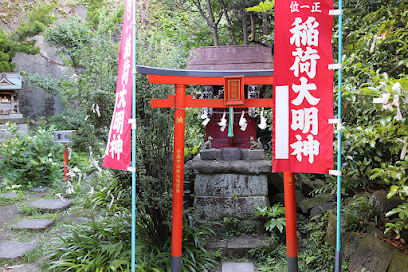
Otsuna Kompira Shrine
Kanagawa 221-0834
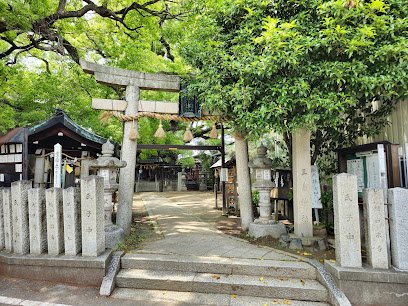
Mitsushima Shrine
Osaka 571-0015
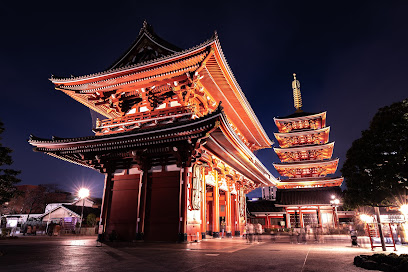
Sensō-ji
Tokyo 111-0032
Completed in 645, this temple, Tokyo's oldest, was built to honor Kannon, the goddess of m...
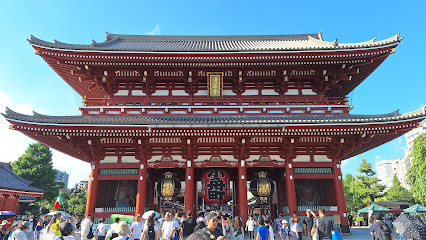
Kaminarimon
Tokyo 111-0032
A 3.9m-tall lantern greets visitors to this stately gate at the entrance to Sensō-ji templ...
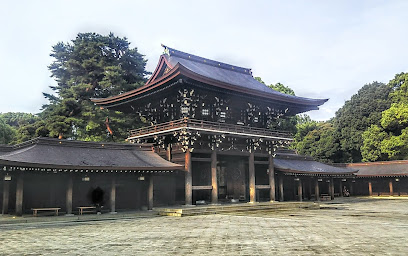
Meiji Jingu
Tokyo 151-8557
Surrounded by forest, this venerable Shinto shrine features a seasonal iris garden.

Kushida Shrine
812-0026
Founded in 757 CE, this urban site annually hosts the city's largest festival, Hakata Gion...