

Shrines & temples
Japanese shrines
OSM directory
Explore Shinto shrines mapped from OpenStreetMap — filter by prefecture, city, or denomination. For curated travel listings, see featured landmark shrines below.
1,875 shrines
浅間大神
浅間大神
Ibaraki
Located in the scenic coastal town of Futtsu, Ibaraki Prefecture, Asamatsu Daijingu Shrine is dedicated to the Shinto goddess Amaterasu Okami, revered as a symbol of fertility and prosperity. The shrine's architecture reflects its historical significance during the Edo period, featuring traditional wooden structures with tiled roofs. Visitors can explore the shrine grounds, which include a tranquil garden and a sacred tree believed to be over 1,000 years old.
高砂神社
高砂神社
Ibaraki
Highly revered in the region, 高砂神社 is an ancient Shinto shrine dedicated to the worship of Ōgami-no-Kami, the deity of rice and fertility. The shrine's architecture reflects its history as a sacred center for agricultural ceremonies, with its main hall featuring a traditional hippon-style roof. Visitors can explore the shrine grounds, which include a large torii gate and several wooden structures dating back to the Edo period.
天神宮
天神宮
Ibaraki
Located in the heart of Ibaraki Prefecture, Tenjin Shrine is dedicated to the Shinto deity Susanoo-no-Mikoto, also known as Tenjin in Japanese mythology. The shrine's architecture reflects a unique blend of traditional and modern elements, with its distinctive tiled roof and serene gardens. As one of Japan's oldest shrines, Tenjin Shrine has played an important role in Ibaraki Prefecture's history and culture.
仁良川愛宕神社
仁良川愛宕神社
Ibaraki
Rinno-ki no Miyamoto Shrine is a Shinto shrine located in the city of Sakura, Ibaraki Prefecture. Dedicated to the kami Inari Okami, the shrine is famous for its beautiful architecture and traditional festivals. The shrine's name, Rinno-ki, roughly translates to 'Age of Abundance', reflecting the region's rich agricultural history. Visitors can admire the ornate gate, torii, and experience the tranquility of the shrine's gardens.
雷電神社
雷電神社
Ibaraki
Located in the town of Chuo, Ibaraki Prefecture, Reiden Jinja is a Shinto shrine dedicated to the storm god Raijin, also known as Fujin's brother. The shrine is surrounded by a beautiful natural landscape with mountains and rivers nearby, reflecting its association with the powerful storms and weather phenomena. According to local legend, the shrine was built on the site where Raijin was said to have performed his divine dance.
香取神社
香取神社
Ibaraki
Located in the scenic town of Daigo in Ibaraki Prefecture, Kokubunji Taisha is a Shinto shrine dedicated to the sun goddess Amaterasu Omikami and the storm god Susanoo-no-Mikoto. The shrine complex features traditional Japanese architecture, including a vermilion torii gate and a five-story pagoda. Visitors can explore the tranquil gardens and temples within the grounds.
篠原稲荷神社
篠原稲荷神社
Ibaraki
Bunamachi Shrine, located in Ibaraki Prefecture, is a Shinto shrine dedicated to Mikasa-no-kami, a kami associated with agriculture and fertility. The shrine's architecture reflects its historical period as a Heian-era temple complex converted into a shrine during the Kamakura era. Visitors can explore the serene garden, traditional torii gates, and intricately carved wooden structures. The shrine is known for its beautiful autumn foliage and cherry blossom trees.
滝尾神社
滝尾神社
Ibaraki
滝尾神社 is a Shinto shrine located in the town of Hitachi, Ibaraki Prefecture. The shrine is dedicated to Okuninushi Ōkami, a kami associated with fishing and prosperity. Built during the Edo period (17th-19th centuries), the shrine's architecture reflects traditional Japanese styles, including a vermilion torii gate and tiled roofs. Visitors can explore the shrine's grounds, which feature a large stone lantern and a pond filled with lotus flowers.
八龍神社
八龍神社
Ibaraki
Located in the heart of Ibaraki Prefecture, the八龍神社 is a historic Shinto shrine dedicated to the Dragon God. The shrine's architecture reflects the Heian period, with a distinctive red tiled roof and wooden torii gate. Visitors can explore the shrine's grounds, which feature several ancient trees and a tranquil pond.
八坂神社
八坂神社
Ibaraki
Located in the city of Sakurako, Ibaraki Prefecture, Eight-Step Shrine is dedicated to the Shinto deity Kamikokuryu, a water spirit believed to control rivers and streams. The shrine's name refers to its eight stone steps leading up to the main hall. The area surrounding the shrine is known for its scenic river views and historic significance as a major route during the Edo period.
足尾神社 里宮
足尾神社 里宮
Ibaraki
Located in the city of Hitachi, Ibaraki Prefecture, 足尾神社(Ashio Shrine) is a Shinto shrine dedicated to the kami of the same name. As a local deity associated with prosperity and good fortune, Ashio-no-kami is said to protect travelers and locals alike. The shrine's architecture reflects its historical significance, featuring traditional Heian-period wooden structures and a serene garden.
蓮沼稲荷神社
蓮沼稲荷神社
Ibaraki
Ryuzen-mura Jinen-sha is a Shinto shrine located in the town of Ryugasaki, Ibaraki Prefecture. Dedicated to Inari Okami, the shrine is renowned for its majestic torii gate and serene lake environment. Visitors can stroll through the beautiful gardens and admire the intricately carved wooden structures that adorn the shrine's grounds.
鹿骨鹿島神社
鹿骨鹿島神社
Ibaraki
Located in the scenic coastal town of Sashi in Ibaraki Prefecture, Katsura Kannon Shrine is dedicated to the worship of Benzaiten, a Shinto goddess of beauty, music, and poetry. The shrine is famous for its beautiful gardens and traditional Japanese architecture.
松本天祖神社
松本天祖神社
Ibaraki
Located in the scenic town of Shimousa, Ibaraki Prefecture, Matsunobu Tennoujin Shrine is a historic Shinto shrine dedicated to the god of learning, Tennoji no Kami. The shrine's main hall, torii gate, and surrounding gardens are a testament to traditional Japanese architecture and design. Visitors can explore the shrine's peaceful grounds, which offer stunning views of the surrounding countryside.
大山阿夫利神社
大山阿夫利神社
Ibaraki
Located in the scenic town of Hitachi, Ibaraki Prefecture, Ōyama Afilika Shrine is a Shinto shrine dedicated to Afilika, a kami believed to reside at the top of Ōyama Mountain. The shrine's architecture reflects its historical significance as a sacred site during the Kamakura period. Visitors can explore the shrine's serene grounds and experience the tranquil atmosphere, especially during cherry blossom season.
押畑稲荷神社
押畑稲荷神社
Ibaraki
Located in the heart of Ibaraki Prefecture, Kushida Inari Shrine is a Shinto shrine dedicated to the worship of Inari, Okami, a kami often depicted as a red-clothed fox deity associated with rice, agriculture, and fertility. The shrine's architecture showcases traditional Japanese styles with a combination of old and new elements. Visitors can explore the serene gardens, walkways, and traditional torii gate before entering the shrine's main hall. The shrine is also famous for its annual Autumn Festival, where locals offer prayers to the kami for bountiful harvests.
八幡神社
八幡神社
Ibaraki
Located in the prefecture of Ibaraki, Eight Horseshoe Shrine is a Shinto temple dedicated to the deity Susanoo-no-Mikoto, revered as the god of storms, fertility, and prosperity. The shrine's name 'Hachimantai' or 'Eight Horseshoe' refers to its unique architectural feature - eight concentric torii gates forming a horseshoe shape around the main hall.
浅間神社
浅間神社
Ibaraki
Located in the historic town of Mito, Ibaraki Prefecture, Ashio Shrine is a Shinto temple dedicated to the god of agriculture and fertility, Hachiman. Founded during the Kamakura period (1185-1333), the shrine has played an important role in the region's agricultural prosperity. The shrine complex includes several structures built during different historical periods, reflecting its long history and cultural significance. Visitors can explore the main hall, gardens, and sacred areas, while also experiencing traditional Shinto rituals and festivals.
八坂神社
八坂神社
Ibaraki
Located in the heart of Ibaraki Prefecture, Eighteen Staircase Shrine is a small yet historic Shinto shrine dedicated to the enshrined deity Hachiman-gu. The shrine's architecture is characterized by its traditional Japanese style, with a wooden torii gate and a simple but serene garden. As one of the oldest shrines in Ibaraki Prefecture, Eighteen Staircase Shrine serves as a poignant reminder of the region's rich cultural heritage.
小栗原稲荷神社
小栗原稲荷神社
Ibaraki
Small but vibrant Shinto shrine dedicated to Inari, the kami of rice and prosperity, located in the historic town of Shimotosa in Ibaraki Prefecture. The shrine's architecture reflects traditional Edo-period designs, with a small vermilion torii gate and a tranquil garden surrounded by cherry blossoms.
稲荷大明神
稲荷大明神
Ibaraki
Inari Okami is the primary deity enshrined at the Shitennō-ji temple in Osaka, but a related shrine dedicated to Inari's sister, the rice goddess (kome no kami), exists in Ibaraki Prefecture. 稲荷大明神, or Ryuzen-taisha, is a Shinto shrine located in Ibaraki Prefecture, known for its unique design and historical significance. The shrine was originally built in 1607 during the Edo period as a family shrine for the local lord, but its current structure dates back to the late 19th century. Ryuzen-taisha is one of the few shrines in Japan that honors Inari's sister, reflecting the importance of rice in Ibaraki's economy and culture.
秋葉神社
秋葉神社
Ibaraki
Autumn Leaves Shrine, located in the picturesque Iwatsuki River valley, is dedicated to the Shinto deity, Okuninushi-no-kami, who is revered as a god of harvest and prosperity. The shrine's architecture reflects its historical ties to the Kamakura period, with a wooden torii gate and a thatched-roof main hall. Visitors can admire the vibrant autumn foliage during the fall season, making it a popular destination for nature lovers and those seeking spiritual rejuvenation.
佐志能神社
佐志能神社
Ibaraki
Located in the heart of Ibaraki Prefecture,佐志能神社 is a Shinto shrine dedicated to the kami Sogami no Okami, a deity revered for his role as a god of fire and ironworking. The shrine's architecture reflects its historical significance as a major center for the production of iron tools and arms during the Edo period. Visitors can explore the shrine's traditional buildings, including the main hall and the five-story pagoda, which dates back to 1638.
浅間神社
浅間神社
Ibaraki
Located in Ibaraki Prefecture, Hitachi-Matsuna Shrine is a Shinto shrine dedicated to the deity Fujitaka no Okami, the guardian of the sea and rice fields. The shrine's architecture reflects its origins as a coastal temple, with a distinctive curved roof and vermillion torii gate. The shrine's grounds feature beautiful gardens and a large stone statue of Fujitaka no Okami. Hitachi-Matsuna Shrine is particularly famous for its annual autumn festival, which honors the deity's role in ensuring a bountiful harvest.
Curated shrine listings
Hand-picked shrines and temples from our landmark guide.
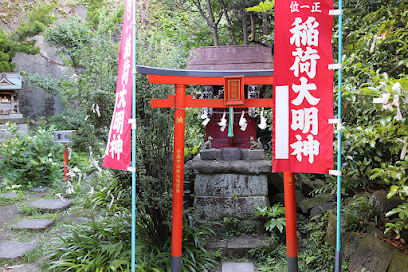
Otsuna Kompira Shrine
Kanagawa 221-0834
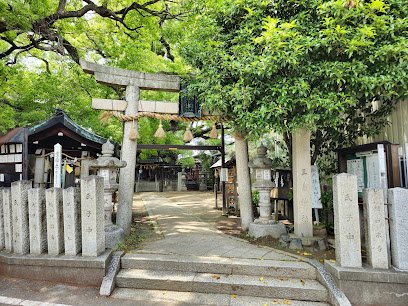
Mitsushima Shrine
Osaka 571-0015
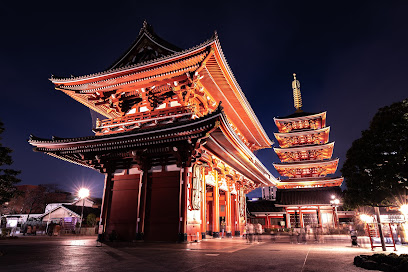
Sensō-ji
Tokyo 111-0032
Completed in 645, this temple, Tokyo's oldest, was built to honor Kannon, the goddess of m...
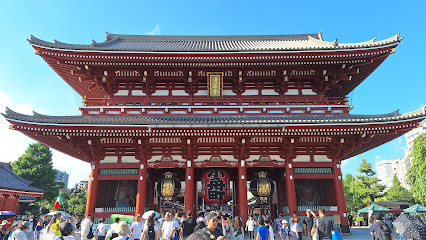
Kaminarimon
Tokyo 111-0032
A 3.9m-tall lantern greets visitors to this stately gate at the entrance to Sensō-ji templ...
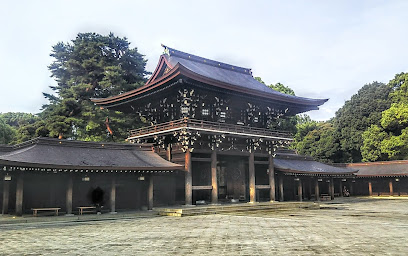
Meiji Jingu
Tokyo 151-8557
Surrounded by forest, this venerable Shinto shrine features a seasonal iris garden.

Kushida Shrine
812-0026
Founded in 757 CE, this urban site annually hosts the city's largest festival, Hakata Gion...