

Shrines & temples
Japanese shrines
OSM directory
Explore Shinto shrines mapped from OpenStreetMap — filter by prefecture, city, or denomination. For curated travel listings, see featured landmark shrines below.
978 shrines
Suitengu Shrine
水天宮
Chiba
Suitengu Shrine, located in the Chiba Prefecture, is one of Japan's oldest and most revered Shinto shrines. Dedicated to the god Susanoo-no-Mikoto, a storm god and brother of Amaterasu, the primary deity of the Japanese pantheon. The shrine's architecture reflects its rich history, with influences from Heian period temples and Kamakura period wooden buildings. Visitors can experience the serene atmosphere of the shrine's gardens, which include beautiful ponds and walking paths.
Suka-jinja Shrine
須賀神社
Chiba
Suka-jinja Shrine is a Shinto shrine located in the town of Ichikawa, Chiba Prefecture. The shrine is famous for its association with the legendary founder of Ichikawa, Nakatomi no Yoritomo, who was also a prominent samurai leader during the Kamakura period. The shrine's architecture reflects its history, with a main hall dating back to the 17th century and a torii gate from the 18th century. Visitors can explore the shrine grounds, which include a sacred pond and several shrines dedicated to other regional kami.
Sumiyoshi Jinja
住吉大社
Chiba
Sumiyoshi Jinja, located in Chiba Prefecture, is one of Japan's oldest and most revered Shinto shrines. Dedicated to the sea-god Susanoo, it is situated on a small island off the coast of Tokyo Bay, reflecting its importance as a protector of navigation and maritime trade. The shrine complex includes a main hall dedicated to Susanoo, as well as several smaller shrines for other deities associated with the sea.
Sunosaki-jinja Shrine
洲崎神社
Chiba
Sunosaki-jinja Shrine is a Shinto shrine located in the town of Katsurao, Chiba Prefecture. The shrine is dedicated to the deity Okuninushi, known as the 'god of rice and fertility'. The shrine's architecture reflects traditional Japanese design, with a distinctive shinden-zukuri style tower and a forested interior. Visitors can explore the shrine grounds, which include a sacred grove and a museum showcasing local history and culture.
Suwa shrine
諏訪神社
Chiba
Suwa Shrine, located in Chiba Prefecture, is a Shinto shrine dedicated to the Kami of the same name. The shrine's history dates back to the Heian period (794-1185 CE), and it was originally a sacred site for the Suwa people, an indigenous group native to the region. Today, the shrine is known for its beautiful gardens and traditional architecture, which reflect the classical styles of ancient Japan.
Suwa Shrine
諏訪神社
Chiba
Suwa Shrine, located in Chiba Prefecture, is a prominent Shinto shrine dedicated to the kami of the same name. As one of Japan's most ancient shrines, it has played a significant role in regional history and mythology. The shrine is situated near the Iwaki Peninsula, an area believed to be the birthplace of the goddess Suwa-no-kamizuchi, who was revered for her power to control the rains and fertility.
Suwa-jinja Shrine
諏訪神社
Chiba
Suwa-jinja Shrine is a Shinto shrine located in the town of Nisina, Chiba Prefecture. The shrine is dedicated to the kami Inari Okami, who is revered as the patron deity of rice, fertility, and prosperity. The shrine's architecture reflects its historical significance as an important center for trade and commerce in the region. The main hall of the shrine features a distinctive roofline with multiple layers of tiles, typical of traditional Japanese shoin-zukuri design. Visitors can explore the surrounding shops and stalls selling local specialties such as rice crackers and sake.
Tachibana Inari
橘稲荷神社
Chiba
Located in the city of Nagi, Chiba Prefecture, Tachibana Inari Shrine is a Shinto shrine dedicated to the god Inari, revered as the patron deity of rice, fertility, and prosperity. The shrine's architecture reflects the Heian period, with a large torii gate and a hall dedicated to the goddess Inari. Visitors can explore the shrine's inner courtyard and purchase gifts for the gods at the shrine's shops.
Takanawa Shrine
高輪神社
Chiba
Takanawa Shrine, located in the city of Funabashi in Chiba Prefecture, is a Shinto shrine that enshrines the kami Inari Okami. According to legend, the shrine was founded by the sun goddess Amaterasu and her son Susanoo-no-Mikoto during the Nara period (710-794 CE). The shrine is known for its beautiful vermilion torii gate and its association with fertility and prosperity.
Takarada Ebisu Shrine
寳田恵比寿神社
Chiba
Takarada Ebisu Shrine, located in the Chiba Prefecture, is a Shinto shrine dedicated to Ebisu, the god of rice and prosperity. The shrine is situated near the scenic Takarada River and is known for its stunning views of the surrounding mountains. Visitors can explore the shrine's tranquil gardens and traditional architecture, which date back to the 17th century. The shrine also hosts various festivals throughout the year, including the annual Ebisu Matsuri in February, celebrating the god's role as a patron deity of fishermen.
Takemori-jinja Shrine
竹森神社
Chiba
Takemori-jinja Shrine is a Shinto shrine located in the town of Funabashi, Chiba Prefecture. The shrine is dedicated to Inari Okami, the kami of rice and fertility, and is known for its beautiful cherry blossom trees. According to local legend, the shrine was established during the Edo period and has since become a popular destination for tourists and locals alike.
Tamagawa Benzaiten
玉川弁財天
Chiba
Tamagawa Benzaiten Shrine is a Shinto shrine located in the town of Yatsu, Chiba Prefecture, dedicated to the goddess Benzaiten, patron deity of the arts, music, and literature. The shrine is situated along the Tamagawa River, which was once considered sacred by the local people. The shrine's architecture reflects its historical significance as a center for artistic expression during the Edo period.
Tamao Inari Shrine
玉尾稲荷神社
Chiba
Tamao Inari Shrine, located in the scenic town of Matsudo, Chiba Prefecture, is a sacred Shinto site dedicated to the revered kami, Inari Okami. This shrine is particularly famous for its thousands of vermilion torii gates that form a tunnel leading to the main hall, symbolizing the passage of prayers and wishes to the divine realm. As one of the shrines on the historic Todaiji pilgrimage route, Tamao Inari Shrine has been an important spiritual center for locals and pilgrims alike for centuries.
Tamatsukuri Inari Shrine
玉造稲荷神社
Chiba
Tamatsukuri Inari Shrine, located in the Saitama Prefecture of Japan, is a revered Shinto site dedicated to the worship of Inari Okami, the patron deity of rice, fertility, and prosperity. The shrine's name 'Tamatsukuri' translates to 'place where sake is brewed,' paying homage to its historical significance as a hub for local breweries during the Edo period.
Tenso Shrine
天祖神社
Chiba
Located in the town of Kamakura, Chiba Prefecture, Tenso Shrine is a Shinto temple that honors the god of agriculture and fertility, known as Tenso no Kami. The shrine is nestled among lush greenery and features traditional Japanese architecture, including a vermilion torii gate and a thatched roof for the main hall. Visitors can explore the shrine grounds, which include a peaceful forest path and several water features.
Tenso Suwa Shrine
天祖諏訪神社
Chiba
Located in the city of Sakura, Chiba Prefecture, Tenso Suwa Shrine is a Shinto temple dedicated to the worship of Inari Okami, the god of rice, fertility, and prosperity. The shrine is situated near the Tokyo Bay, offering stunning views of the surrounding landscape. Founded during the Heian period (794-1185 CE), the shrine has undergone several transformations over the centuries, with its current architecture dating back to the Edo period (1603-1868 CE).
Teppozu Inari Shrine
鐡砲洲稲荷神社
Chiba
Teppozu Inari Shrine is a Shinto shrine located in Chiba Prefecture, dedicated to the Shinto goddess of fertility and rice, Inari Okami. The shrine's architecture reflects the traditional style of Japanese temples, with a main hall and several smaller shrines. A notable feature of this shrine is its large bell tower and the abundance of vermilion torii gates that line its approach roads.
Three Palace Sanctuaries
宮中三殿
Chiba
Located in the heart of Hitachi Seaside Park, Three Palace Sanctuaries is a historic Shinto shrine dedicated to Emperor Jimmu and the three imperial ancestors, who are believed to have founded Japan. The shrine's architecture reflects the traditional Heian period style, with a central hall and two smaller shrines. Visitors can walk through the tranquil gardens and enjoy the scenic views of the surrounding park.
Togo-jinja Shrine
東郷神社
Chiba
Togo-jinja Shrine is a Shinto shrine located in the town of Kuroiso, Chiba Prefecture. The shrine is dedicated to Tametomo, a legendary Japanese warrior and daimyo who lived in the Edo period. According to legend, Tametomo was a loyal servant of the Tokugawa shogunate and died at the age of 60 while on duty. He is revered as a kami for his bravery, loyalty, and military prowess.
Togoshi Hachiman Jinja Shrine
戸越八幡神社
Chiba
Located in the heart of Chiba Prefecture, Togoshi Hachiman Jinja Shrine is a revered Shinto temple dedicated to the god of war and patronage, Hachiman. The shrine's architecture reflects the Heian period, with a typical Japanese temple style featuring a wooden torii gate and tiled roofs. A unique aspect of this shrine is its connection to the legendary Japanese swordsman Minamoto no Yoshitsune, who is believed to have taken refuge here during his exile.
Tomioka Hachimangu Shrine
富岡八幡宮
Chiba
Tomioka Hachimangu Shrine is a Shinto shrine located in the city of Tomioka, Chiba Prefecture. Dedicated to Hachiman, the god of war and patron deity of the samurai class, the shrine was built in 1611 during the Edo period. The shrine's architecture reflects its historical significance, with a traditional Japanese-style main hall, called the honden, which features a unique hexagonal shape. Visitors can explore the shrine grounds, which include several historic buildings and a museum showcasing artifacts related to the shrine and Hachiman's mythology.
Toyoiwa Inari Shrine
豊岩稲荷神社
Chiba
Located in the Chiba Prefecture, Toyoiwa Inari Shrine is a Shinto shrine dedicated to Inari Okami, the god of rice, fertility, and prosperity. This shrine is notable for its scenic location on the foot of Mount Jōmonji, one of the highest peaks in the Tsukuba Range. The shrine's architecture and design reflect traditional Japanese aesthetics, with a vermilion torii gate at the entrance.
Toyosaka Inari
豐榮稲荷神社
Chiba
Located in the heart of Funabashi, Chiba Prefecture, Toyosaka Inari Shrine is a revered Shinto site dedicated to the goddess Inari Okami, patron deity of fertility, prosperity, and industry. As one of Japan's many rice granary shrines, Toyosaka Inari is deeply connected to the agricultural traditions of the region. The shrine's architecture, adorned with vibrant vermilion gates and intricately carved wooden pillars, reflects the Heian period's influence on Shinto design.
Tsukishima Kannon
月島観音
Chiba
Tsukishima Kannon Shrine is a Shinto shrine located in the town of Shirako, Chiba Prefecture, dedicated to the Buddhist goddess of compassion, Kannon. The shrine's name, Tsukishima, translates to 'moon island,' referring to its location on a small island in the Tokyo Bay. Visitors can enjoy stunning views of the bay while strolling through the tranquil gardens and historic structures.
Curated shrine listings
Hand-picked shrines and temples from our landmark guide.
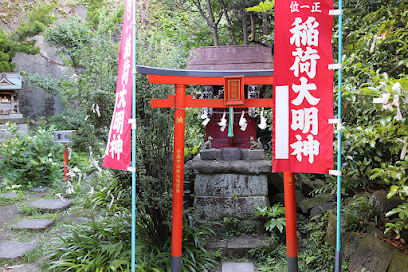
Otsuna Kompira Shrine
Kanagawa 221-0834
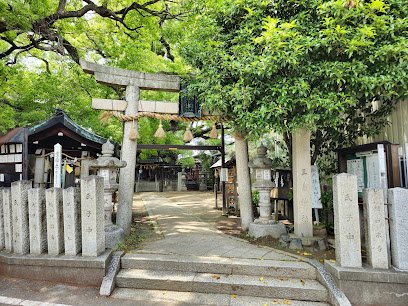
Mitsushima Shrine
Osaka 571-0015
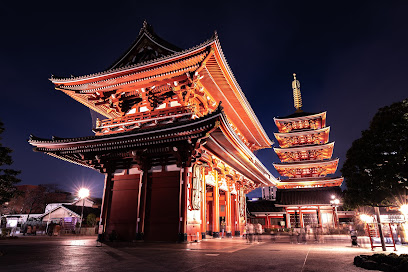
Sensō-ji
Tokyo 111-0032
Completed in 645, this temple, Tokyo's oldest, was built to honor Kannon, the goddess of m...
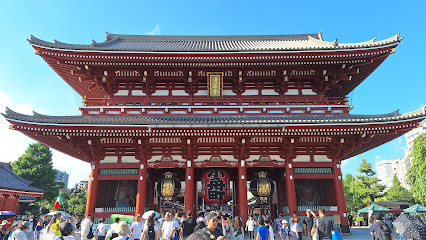
Kaminarimon
Tokyo 111-0032
A 3.9m-tall lantern greets visitors to this stately gate at the entrance to Sensō-ji templ...
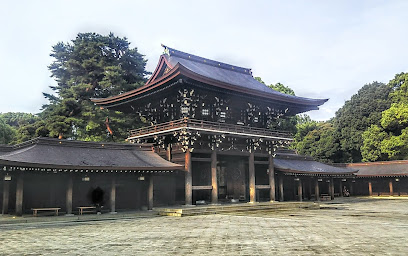
Meiji Jingu
Tokyo 151-8557
Surrounded by forest, this venerable Shinto shrine features a seasonal iris garden.

Kushida Shrine
812-0026
Founded in 757 CE, this urban site annually hosts the city's largest festival, Hakata Gion...