
Shrines & temples
Japanese shrines
OSM directory
Explore Shinto shrines mapped from OpenStreetMap — filter by prefecture, city, or denomination. For curated travel listings, see featured landmark shrines below.
149 shrines
Aridoshi Shrine
蟻通神社
Wakayama
Aridoshi Shrine is a Hachiman shrine in Wakayama Prefecture dedicated to Emperor Ojin. The shrine is known for its connection to local folklore involving ants and wisdom, reflected in its name which literally means 'ant passing through shrine.' The shrine serves as an important local spiritual center and is associated with prayers for wisdom and problem-solving.
Aritoshi Jinja Shrine
蟻通神社
Wakayama
Asozu Kuzuryu Shrine
麻生津九頭神社
Wakayama
Asozu Kuzuryu Shrine is dedicated to the worship of a nine-headed dragon deity, representing the powerful spiritual forces associated with water, rainfall, and agricultural prosperity. The shrine exemplifies the ancient Japanese practice of dragon worship, where serpentine deities were believed to control natural phenomena essential for community survival.
Atsuta Shrine (Yamato Takeru)
熱田神社日本武尊 名山不動さん
Wakayama
A Shinto shrine in Wakayama Prefecture dedicated to Yamato Takeru no Mikoto, the legendary prince and military commander of ancient Japan. The shrine's name also references Meiyama Fudo, indicating a syncretic relationship with Buddhist traditions.
Daimon-oji
大門王子
Wakayama
Ebisu Shrine
Wakayama
A Shinto shrine dedicated to Ebisu, one of the Seven Lucky Gods, revered as the patron deity of fishermen, merchants, and prosperity. As a coastal prefecture, Wakayama has numerous Ebisu shrines reflecting the region's strong fishing traditions and maritime culture.
Ebisu Shrine
えびす神社
Wakayama
A Shinto shrine dedicated to Ebisu, one of the Seven Lucky Gods, revered as a deity of fishing, commerce, and prosperity. Ebisu shrines are commonly found throughout Japan and serve as important centers for local business communities seeking blessings for commercial success.
Ebisu Shrine
恵比寿神社
Wakayama
A Shinto shrine dedicated to Ebisu, one of the Seven Lucky Gods, revered as a deity of prosperity, good fortune, and fishing. Ebisu shrines are commonly found throughout Japan, particularly in coastal areas where fishing communities have traditionally sought the deity's protection and blessings for bountiful catches and safe voyages.
Ena Hachiman Shrine
衣奈八幡神社
Wakayama
Ena Hachiman Shrine is a Hachiman shrine located in Wakayama Prefecture dedicated to the deified Emperor Ojin and associated deities. As a Hachiman shrine, it serves as a center for prayers related to protection, success in endeavors, and safe childbirth.
Fujinami Shrine
藤並神社
Wakayama
A Hachiman shrine located in Arida, Wakayama Prefecture, serving the local community as a place of worship and cultural gathering. The shrine maintains traditional Shinto architectural features and hosts seasonal festivals that reflect the agricultural heritage of the region.
Goryo Shrine
御霊神社
Wakayama
Goryo Shrine is dedicated to the worship of goryo, spirits of noble or powerful individuals who died in unfortunate circumstances and were later deified. These shrines serve to appease potentially vengeful spirits and transform them into protective deities for the community.
Hachiman Daijin Shrine
八幡大神
Wakayama
A Hachiman shrine in Wakayama Prefecture dedicated to the deified Emperor Ojin, revered as the god of war, culture, and divine protection. Hachiman shrines are among the most numerous in Japan, serving local communities as centers of worship and cultural activities.
Hachiman Shrine
八幡神社
Wakayama
A Hachiman shrine in Wakayama Prefecture dedicated to the deified Emperor Ojin, revered as the god of war, culture, and divine protection. Hachiman shrines are among the most numerous in Japan, serving local communities as centers of worship and cultural activities.
Hamanaka Hachiman Shrine
濱中八幡神社
Wakayama
A Hachiman shrine in Wakayama Prefecture dedicated to the deified Emperor Ojin and associated deities. As part of the extensive network of Hachiman shrines throughout Japan, it serves the local community as a place of worship for the god of war, culture, and divine protection.
Hinomisaki Shrine
日御碕神社
Wakayama
A coastal Shinto shrine located on a scenic cape in Wakayama Prefecture, known for its dramatic clifftop setting and connection to solar worship traditions.
Hiro Hachiman Shrine
廣八幡神社
Wakayama
Hiro Hachiman Shrine is a Hachiman shrine in Wakayama Prefecture dedicated to the deified Emperor Ojin and associated deities. As a Hachiman shrine, it serves as a center for worship of the war god and protector deity, reflecting the widespread veneration of Hachiman throughout Japan.
Hiruko Daijin Shrine
蛭子大神
Wakayama
A Shinto shrine in Wakayama Prefecture dedicated to Hiruko no Mikoto, also known as Ebisu, one of the Seven Lucky Gods. Hiruko is revered as a deity of fishing, commerce, and good fortune.
Hiruko Daijingu
蛭子大神宮
Wakayama
A Shinto shrine in Wakayama Prefecture dedicated to Hiruko-no-Mikoto, who is venerated as Ebisu, one of the Seven Lucky Gods. The shrine serves as an important center for worship of this deity associated with fishing, commerce, and good fortune.
Hisaki Niu Shrine
久木丹生神社
Wakayama
A Shinto shrine in Wakayama Prefecture dedicated to Niu Myojin, a local deity associated with water and agriculture. The shrine represents the regional tradition of Niu worship that was particularly prominent in the Kii Peninsula before being largely absorbed into other Shinto traditions.
Hiyoshi Shrine
日吉神社
Wakayama
Hiyoshi Shrine is a Shinto shrine dedicated to the mountain deity Oyamakui-no-kami, part of the broader Hiyoshi shrine network that has its head shrine at Mount Hiei near Kyoto. These shrines traditionally serve as protectors of the local community and are associated with mountain worship and agricultural prosperity.
Hiyoshi-jinja Shrine
日吉神社
Wakayama
Horaisan Shrine
宝来山神社
Wakayama
Horaisan Shrine Inner Sanctuary
宝来山神社 奥宮
Wakayama
An inner sanctuary (okumiya) of Horaisan Shrine located in the mountainous regions of Wakayama Prefecture. As an okumiya, it serves as the more remote, sacred counterpart to the main shrine buildings, typically situated at a higher elevation or deeper in the mountains where the kami are believed to originally reside.
Inabane-Oji
稲葉根王子
Wakayama
Curated shrine listings
Hand-picked shrines and temples from our landmark guide.
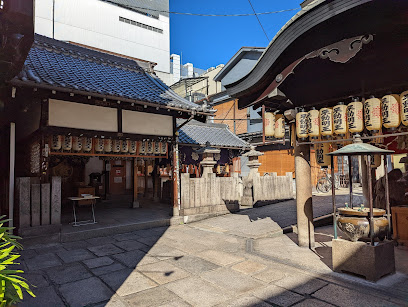
Hozen-ji Temple
542-0076
Intimate Buddhist temple along a quaint alley, with a moss-covered statue of the deity Fud...
Warabi Baitun Noor Cultural Center
Central
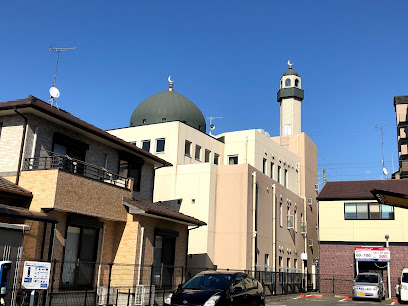
Fukuoka Masjid Al Nour Islamic Culture Center
812-0053
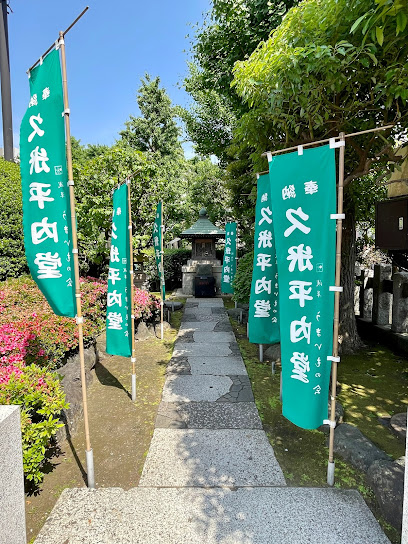
Kume no Heinai-dō
Tokyo 111-0032
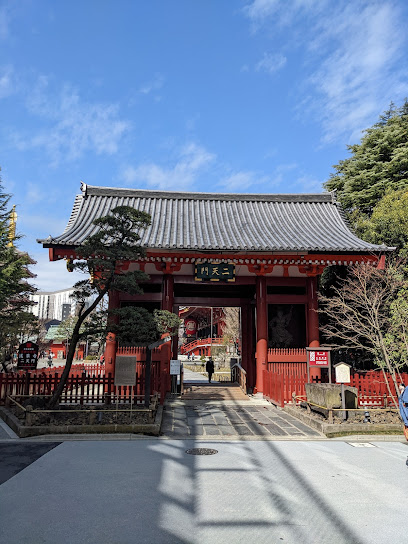
Nitenmon Gate
Tokyo 111-0032
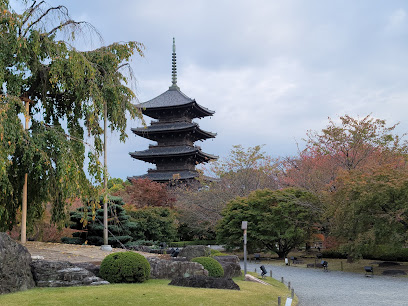
Tōji Temple
601-8473
Historic Buddhist temple with a 5-story wooden pagoda & sculptures of deities from the 8th...