

Shrines & temples
Japanese shrines
OSM directory
Explore Shinto shrines mapped from OpenStreetMap — filter by prefecture, city, or denomination. For curated travel listings, see featured landmark shrines below.
861 shrines
Mishima Jinja shrine
三嶋神社
Niigata
Mishima Jinja shrine is a Shinto shrine located in the coastal town of Higashi-Mishima, Niigata Prefecture. Dedicated to the deity Inari Okami, the shrine is famous for its beautiful gardens and scenic ocean views. The shrine's architecture reflects the traditional style of Japanese temples and shrines from the Heian period.
Mishima Jinja shrine
三嶋神社
Niigata
Located in the town of Yuzawa, Niigata Prefecture, Mishima Jinja shrine is a Shinto shrine dedicated to the kami Sennetsuba Hachiman, who is believed to have been invoked by the founder of the city, who was inspired by his victory at the Battle of Dan no Urasaki. The shrine's architecture reflects its historical significance and unique cultural heritage. Visitors can explore the shrine grounds, which feature traditional Shinto landscaping and a historic gate.
Mishima Shrine
三島神社
Niigata
Located in the heart of Niigata, Mishima Shrine is a sacred site dedicated to the Shinto deities and revered by locals for its tranquility and scenic beauty. The shrine's architecture is reminiscent of traditional Japanese temples, with a vermilion gate and a wooden torii gate that mark the entrance. Visitors can enjoy strolling through the serene gardens and taking in the peaceful atmosphere.
Mizushima Isobe Shrine
水嶋礒部神社
Niigata
Located in the city of Sanju, Niigata Prefecture, Mizushima Isobe Shrine is a small but historic Shinto shrine dedicated to the deity Isobe no Okami, a kami believed to have created the town's famous river, the Agano River. The shrine's architecture reflects traditional Edo-period designs, with a simple yet elegant roofed vermillion torii gate and a traditional honden (main shrine hall). Visitors can enjoy the serene atmosphere of the shrine's garden, which features beautiful Japanese maples and a peaceful pond.
Munakata jinja shrine
宗像神社 (Munakata jinja shrine)
Niigata
Located in the city of Munakata, Niigata Prefecture, this shrine is dedicated to the worship of the Shiroi-tsumi, a local legend about a samurai's journey through a mountain pass. The shrine is known for its unique architecture and stunning natural surroundings. Visitors can explore the peaceful grounds and experience the rich cultural heritage of the area.
Nisshi Jinja Shrine
村社日吉神社
Niigata
Nisshi Jinja Shrine, dedicated to the Shinto kami of daybreak and fertility, is a significant cultural site in Niigata Prefecture. Located near the mouth of the Agano River, the shrine is situated on a scenic promontory overlooking the Sea of Japan. Its architectural style reflects the traditional Edo period design, with a large torii gate, vermilion paper lanterns, and a serene garden.
Sakai Shrine
境神社
Niigata
Sakai Shrine is a Shinto shrine located in the heart of Niigata City, dedicated to the kami of prosperity and good fortune. The shrine's name, Sakai, roughly translates to 'border' or 'edge,' which may refer to its proximity to the city limits. With a history dating back to the Edo period, the shrine has undergone several renovations and expansions over the years, incorporating traditional Japanese architectural styles. Visitors can admire the shrine's distinctive vermilion torii gate, surrounded by tranquil gardens and scenic walking paths.
Shimosuwa Jinja Shrine
下諏訪神社
Niigata
Located in the city of Agematsu, Niigata Prefecture, Shimosuwa Jinja Shrine is dedicated to the enshrined kami, Hachiman Ō-no-Mikoto. As one of Japan's oldest shrines, it dates back to the Nara period (710-794 CE), making it a significant cultural and historical site. The shrine is known for its unique architecture, which reflects the Heian and Kamakura periods, with a distinctive thatched roof and wooden torii gate. Visitors can experience traditional Japanese culture by participating in ceremonies and festivals, such as the Hachiman Shrine Festival, held annually on May 3rd.
Sumiyoshi Jinja shrine
住吉神社
Niigata
Located in the city of Kashiwazaki, Niigata Prefecture, Sumiyoshi Jinja Shrine is a Shinto shrine dedicated to the god of sea-faring and fishing, also known as Inari. The shrine is famous for its beautiful vermilion torii gate and its unique architectural style, which resembles traditional Chinese temples. Visitors can explore the shrine's tranquil gardens and walkways, offering a serene escape from the city. Sumiyoshi Jinja Shrine has been an important cultural and spiritual center in the region for centuries.
Sumiyoshi Jinjashrine
住吉神社拝殿
Niigata
Located in the coastal town of Minami-Shirotori in Niigata Prefecture, Sumiyoshi Jinja Shrine is one of Japan's oldest and most historic shrines, dating back to the Yayoi period (300 BCE - 300 CE). Dedicated to the sea god Susanoo, it is considered a sacred site for fishermen and sailors. The shrine's unique architecture reflects its coastal location, with a distinctive curved roofline reminiscent of a wave. The shrine complex includes several buildings, including a magnificent torii gate and a large hall dedicated to the enshrined deity, Susanoo.
Suwa Shrine
諏訪神社
Niigata
Located in the heart of Niigata Prefecture, Suwa Shrine is one of Japan's oldest and most revered Shinto shrines. Dedicated to the kami of the same name, it is believed to have been founded during the Nara period (710-794 CE). The shrine complex features a unique blend of architectural styles, with a torii gate built in the Edo period (1603-1867 CE) and a traditional haiden hall dedicated to the primary deity. Visitors can explore the serene gardens and historic buildings, offering a glimpse into Japan's rich cultural heritage.
Taga Jinja shrine
多賀神社拝殿
Niigata
Taga Jinja shrine, located in the Niigata Prefecture, is a revered Shinto site dedicated to the worship of the kami, Ryujin and Inari. The shrine's history dates back to the Heian period (794-1185 CE), and its current structure was rebuilt during the Edo period (1603-1868 CE). The shrine is famous for its beautiful gardens and traditional architecture, which reflect the region's rich cultural heritage.
Taga Jinja shrine
多賀神社
Niigata
Taga Jinja shrine is a Shinto shrine located in the mountains of Niigata Prefecture, dedicated to the kami of Mount Taga. The shrine's architecture reflects its rural setting and traditional design, with a simple yet elegant wooden torii gate. Visitors can explore the shrine's serene grounds, featuring moss-covered stones and a tranquil pond. The shrine is particularly famous for its association with the Japanese mythological figure of Hachiman, patron deity of war and travel.
Takekoma Inari
竹駒稲荷
Niigata
Takekoma Inari Shrine is a Shinto shrine located in the prefecture of Niigata, dedicated to the kami Inari Okami. The name 'Takekoma' refers to a type of long-necked bird often depicted in Japanese art, said to be an auspicious creature that carries messages between humans and the divine. The shrine's architecture reflects the traditional Niigata style, with a wooden torii gate and tiled roofs. According to local legend, Inari Okami is the patron deity of farmers and fishermen, bringing fertility and abundance to those who honor him.
Tategyouji Inari Jinja shrine
立行事稲荷神社
Niigata
Located in the city of Kitaibaraki, Niigata Prefecture, Tategyouji Inari Jinja is a Shinto shrine dedicated to Inari Okami, the kami of rice, industry, and fertility. The shrine's name, meaning 'the path of great deeds,' reflects its significance as a site for ritual performances and ceremonial dances that honor the power of the kami.
Tategyouji Inari Jinja shrine
立行事稲荷神社拝殿
Niigata
Tategyouji Inari Jinja shrine is a Shinto shrine located in the town of Kashiwabara, Niigata Prefecture. The shrine is famous for its beautiful architecture and historic significance as the place where the legendary heroine of Japanese folklore, Oe no Imokawa, was buried. The shrine's main hall is dedicated to Inari Okami, the god of rice and fertility, who is often depicted with multiple foxes. Visitors can explore the shrine grounds, which include a pond, walking paths, and a replica of the original shrine from the 17th century. The shrine is particularly known for its beautiful autumn foliage and winter illuminations.
Urushimiya Jinja Shrine
漆宮神社
Niigata
Urushimiya Jinja Shrine is a Shinto temple located in the Nagaoka city of Niigata Prefecture, dedicated to the worship of Urashima Tarō's wife, Otohime. The shrine's history dates back to the Heian period and is famous for its beautiful autumn foliage. The shrine's architecture reflects traditional Japanese style with a hipped roof and tiled walls, typical of the Edo period. Visitors can experience the serene atmosphere of the shrine by strolling through the surrounding gardens.
Yahiko Shrine
彌彦神社
Niigata
Yahiko Shrine, located in the mountains of Niigata Prefecture, is a revered Shinto site dedicated to the kami Yamato no Okami. The shrine's architecture reflects its historical roots, with a traditional Japanese-style gate and wooden torii. According to local legend, the shrine was founded by a group of samurai who were seeking refuge from the conflicts of the time. Visitors can experience the serene atmosphere of the shrine's gardens and temples, while also learning about its rich history and mythology.
Yonesawa Isasumi Jinja shrine
米沢伊佐須美神社拝殿
Niigata
Yonesawa Isasumi Jinja shrine, located in the Niigata prefecture, is a serene Shinto temple dedicated to the kami of rice and prosperity. The shrine's architecture reflects the traditional Japanese style with a wooden main hall and ornate torii gate. Visitors can explore the tranquil grounds, which include a rice paddy and a pond, offering a glimpse into rural Japanese life.
Yonesawa Isasumi shrine
米沢伊佐須美神社神社
Niigata
Yonesawa Isasumi Shrine is a Shinto shrine located in the town of Yonesawa, Niigata Prefecture. Dedicated to the kami of rice and prosperity, the shrine is known for its beautiful garden and traditional architecture. Visitors can experience the tranquil atmosphere and enjoy the scenic views of the surrounding countryside.
Yu Jinja Shrine
湯神社
Niigata
Yu Jinja Shrine is a Shinto shrine located in the mountains of Niigata Prefecture, dedicated to the kami of hot springs and water sources. The shrine's architecture reflects its rural setting, with traditional thatched-roof buildings and a serene garden. Visitors can experience the tranquility of the shrine by walking along the nearby hot spring-fed stream.
Curated shrine listings
Hand-picked shrines and temples from our landmark guide.
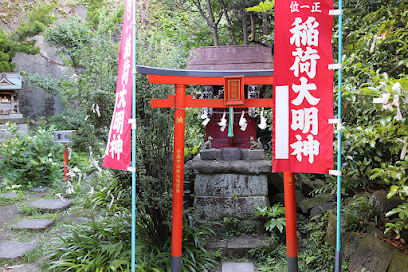
Otsuna Kompira Shrine
Kanagawa 221-0834
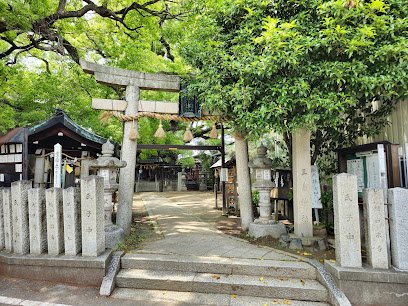
Mitsushima Shrine
Osaka 571-0015
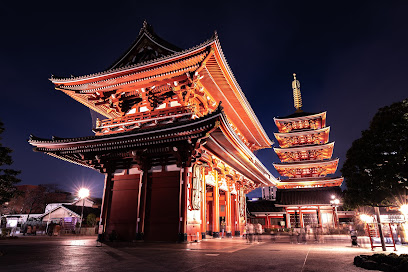
Sensō-ji
Tokyo 111-0032
Completed in 645, this temple, Tokyo's oldest, was built to honor Kannon, the goddess of m...
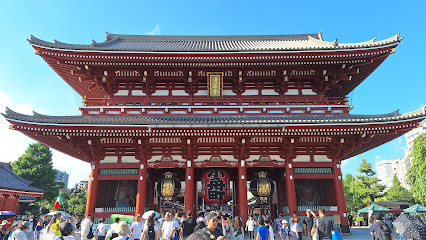
Kaminarimon
Tokyo 111-0032
A 3.9m-tall lantern greets visitors to this stately gate at the entrance to Sensō-ji templ...
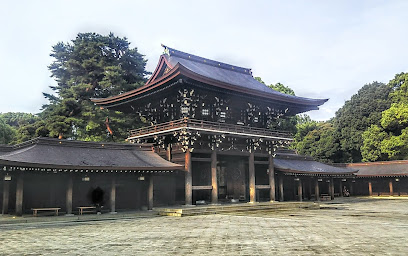
Meiji Jingu
Tokyo 151-8557
Surrounded by forest, this venerable Shinto shrine features a seasonal iris garden.

Kushida Shrine
812-0026
Founded in 757 CE, this urban site annually hosts the city's largest festival, Hakata Gion...