

Shrines & temples
Japanese shrines
OSM directory
Explore Shinto shrines mapped from OpenStreetMap — filter by prefecture, city, or denomination. For curated travel listings, see featured landmark shrines below.
978 shrines
Fushmi Inari Jinja
正一位伏見稲荷神社
Chiba
Located in the town of Katsuta, Chiba Prefecture, Fushimi Inari Shrine is a Shinto shrine dedicated to the god of rice and prosperity, Inari Okami. The shrine is famous for its thousands of vermilion torii gates that form a tunnel up the mountain, symbolizing the connection between heaven and earth. Visitors can walk through the gate forest and experience the serene atmosphere of the shrine.
Ginza Komatsu Miwa Jinja
Chiba
Located in the prefecture of Chiba, Ginza Komatsu Miwa Jinja is a Shinto shrine dedicated to the deity Inari Okami, revered as the patron of industry and commerce. The shrine's history dates back to the Edo period, where it was built during the reign of Tokugawa Iemitsu to honor the local kami associated with the nearby Ginza River. The shrine's architecture reflects traditional Japanese design elements, including a tiled roof and wooden torii gate. Visitors can explore the shrine's grounds, which feature various shrines dedicated to Inari and other regional deities.
Goryō Shrine
御霊神社
Chiba
Located in the town of Fukuda, Chiba Prefecture, Goryō Shrine is a Shinto shrine dedicated to the deity Goryō, the god of fertility and agriculture. The shrine's main hall is a wooden structure with a tiled roof, typical of traditional Japanese architecture. Its proximity to the sea has influenced its design, with features such as a large wooden gate and a pathway leading up to the shrine that resembles a tidal wave. Visitors can admire the shrine's gardens, which feature a variety of plants native to the region. The shrine is also known for its unique 'floating bridge', a wooden pedestrian bridge that spans over the shrine's sacred spring.
Goto Inari shrine
五十稲荷神社
Chiba
Goto Inari Shrine, located in the town of Futtsu in Chiba Prefecture, is one of Japan's most well-known and revered Shinto shrines. Dedicated to the Shinto god of rice, Inari Okami, the shrine is famous for its thousands of vermilion torii gates that stretch as far as the eye can see, symbolizing the endless bounty of the rice fields. The shrine's architecture and design reflect traditional Japanese aesthetics, with a focus on simplicity, harmony, and balance. Visitors to the shrine can experience the tranquil atmosphere and majestic beauty of nature, making it a truly unforgettable destination for those seeking spiritual enrichment and cultural connection.
Hachikan-jinja Shrine
八官神社
Chiba
Located in the city of Ichihara, Chiba Prefecture, Hachikan-jinja Shrine is dedicated to the god of war and justice, known as Hachiman. The shrine is famous for its striking architecture, which reflects the unique style of Edo-period Shintoism. Visitors can explore the beautiful gardens and admire the intricate carvings on the shrine's wooden structures.
Hachiman Shrine
八幡神社
Chiba
Hachiman Shrine, located in Chiba Prefecture, is a significant Shinto shrine dedicated to the god of war and messenger kami, Hachiman. The shrine's architecture reflects traditional Japanese design with a rectangular main hall and several smaller shrines. Founded during the Nara period (710-794 CE), it is one of Japan's oldest and most revered shrines.
Hachiman Shrine
八幡神社
Chiba
Hachiman Shrine, located in Chiba Prefecture, is a prominent Shinto shrine dedicated to the deity Hachiman Okami, the patron kami of warriors and travelers. As one of Japan's oldest shrines, it has played a significant role in Japanese history and culture. The shrine's architecture reflects its historical significance, with a unique combination of traditional and modern elements.
Hachiman Shrine
八幡神社
Chiba
Located in the city of Sakura, Chiba Prefecture, Hachiman Shrine is a Shinto shrine dedicated to the god of war and justice, Hachiman. The shrine's name, 'Hachiman,' roughly translates to 'eight- headed' or 'eight-faced,' reflecting the eight aspects of his character: warfare, agriculture, prosperity, water, fire, wind, earth, and industry. This shrine is one of the most famous and revered Shinto shrines in Japan, known for its stunning architecture and historic significance.
Hachiman-jinja Shrine
八幡神社
Chiba
Located in the town of Funabashi, Chiba Prefecture, Hachiman-jinja Shrine is dedicated to the Shinto god Hachiman, a deity of war and protection. The shrine was originally built during the Heian period (794-1185 CE) but has undergone several renovations throughout its history. Today, it serves as a symbol of Funabashi's cultural heritage and a popular tourist destination.
Hachimangū Shrine
八幡宮
Chiba
Located in the heart of Chiba Prefecture, Hachimangu Shrine is one of Japan's most famous and revered Shinto shrines. Dedicated to the storm god Hachiman, the shrine's architecture and tradition are deeply rooted in the country's rich cultural heritage. The shrine complex includes the iconic torii gate, which serves as a symbol of the connection between heaven and earth. Visitors can explore the tranquil gardens and buildings, gaining insight into Japan's spiritual history.
Hakusan Shrine
白山神社
Chiba
Hakusan Shrine is a Shinto shrine located in the town of Funabashi, Chiba Prefecture. Dedicated to the kami of Mount Haku, Hakusan Shrine reflects the historical significance of the mountain's association with the legendary princess Urashima Taro. The shrine is renowned for its unique architectural style, featuring a distinctive wooden torii gate adorned with intricate carvings. Visitors can explore the shrine grounds, which also include a scenic walking path leading to the nearby Mount Haku.
Hakusan Shrine
白山神社
Chiba
Hakusan Shrine, located in the foothills of Mount Hakusan in Chiba Prefecture, is one of Japan's oldest Shinto shrines. Dedicated to the sun goddess Amaterasu, it is also enshrined with the Shinto god Hachiman, who is revered as a protector of merchants and travelers.
Hamacho-jinja Shrine
浜町神社
Chiba
Located in the coastal town of Kamakura, Hamacho-jinja Shrine is one of Japan's oldest shrines, dating back to the 8th century. It is dedicated to the god of wealth and prosperity, Shinto-Okami, as well as other deities such as Inari and Hachiman.
Hanazono Jinja Shrine
花園神社
Chiba
Located in the heart of Chiba, Hanazono Jinja Shrine is a serene Shinto oasis that has been a place of worship and pilgrimage since its founding in the Edo period (1603-1868). The shrine's name, which translates to 'Beautiful Garden Shrine,' reflects its tranquil surroundings and beautiful gardens. Visitors can explore the shrine grounds, which include several shrines, temples, and traditional Japanese architecture.
Haneda Koku Shrine
羽田航空神社
Chiba
Located in the heart of Tokyo's international airport, Haneda Koku Shrine honors the Shinto god of roads and travel, Hachiman, as well as other deities associated with aviation and transportation. As a major hub for air travel in Japan, the shrine serves as a symbol of safety and good fortune for travelers. Visitors can explore the shrine's tranquil gardens and traditional architecture, which reflects the region's rich cultural heritage.
Hatonomori Hachiman Jinja
鳩森八幡神社
Chiba
Located in the heart of Chiba Prefecture, Hatonomori Hachiman Jinja is a Shinto shrine dedicated to the kami Hachiman, often associated with war and victory. The shrine's name, 'Hatonomori,' translates to 'Bird Forest Eight-Bend Shrine' or 'Eight Bend Bird Forest Shrine,' reflecting its scenic surroundings and connection to the mythical bird forest. As one of the oldest shrines in Chiba, Hatonomori Hachiman Jinja boasts a rich history dating back to the Heian period (794-1185 CE), during which it served as an important stopping point for travelers and traders along the Nikko Tōshōgu pilgrimage route.
Hebikubo Shrine
蛇窪神社
Chiba
Hebikubo Shrine is a Shinto shrine located in the city of Soka, Chiba Prefecture. The shrine is dedicated to the kami of the same name, known as a water spirit or serpent deity. According to local legend, the shrine was established after a snake appeared near the location and was believed to have healing properties. The shrine's architecture reflects its historical significance as a major hub for trade and commerce in the area.
Hibiya-jinja Shrine
日比谷神社
Chiba
Located in the heart of Tokyo, Hibiya-jinja Shrine is dedicated to Amaterasu Ōmikami, the Shinto sun goddess. The shrine's history dates back to the Meiji period (1868-1912), and it was previously known as Nakajima Hongan-ji, a Buddhist temple. After World War II, the temple was converted into a Shinto shrine, and it has since become a popular destination for both locals and tourists. The shrine's architecture reflects its Buddhist origins, with a distinctive Buddhist-style gate and traditional Japanese gardens.
Hie Jinja Nihonbashi Sessha
日枝神社日本橋摂社
Chiba
Hie Shrine, located in the heart of Tokyo's Nihonbashi district, is one of Japan's oldest and most revered shrines. Dedicated to Hie no Okami, a powerful kami worshipped as the deity of war, childbirth, and protection, this shrine has served as a symbol of good fortune and prosperity for centuries. Originally built in 718 CE during the Nara period, the shrine was relocated to its current site in Edo (modern-day Tokyo) in 1603 during the Edo period.
Hie Shrine
日枝神社
Chiba
Hie Shrine, located in the Chiba prefecture of Japan, is one of the oldest and most revered Shinto shrines in the country. Dedicated to the kami of storms, thunder, lightning, and fertility, the shrine's primary enshrined deity is Inari Okami. With a history dating back over 1,300 years, Hie Shrine has played a significant role in Japanese culture and mythology, particularly during the Edo period when it was an important center for the worship of Inari.
Higashi-Oshima Shrine
東大島神社
Chiba
Higashi-Oshima Shrine is a Shinto shrine located on the island of Higashi-Oshima in Chiba Prefecture. Dedicated to the kami of the sea, the shrine plays an important role in the local community's maritime traditions and is famous for its beautiful coastal location. The shrine's architecture reflects the region's Edo period history, with traditional Japanese buildings and a large torii gate.
Hikawa Shrine
氷川神社
Chiba
Hikawa Shrine, located in the city of Ichihara in Chiba Prefecture, is a Shinto shrine dedicated to the water god Amaterasu's daughter, Amatsu-no-Mikoto, and also enshrines Hachiman, the god of war, and Fujin, the wind god. The shrine's architecture reflects its historical significance during the Kamakura period, with a main hall constructed in 1268 and a torii gate added in 1610. Visitors can experience traditional Shinto culture by participating in the annual Cherry Blossom Viewing Festival, held in late March.
Hikawa Shrine
氷川神社
Chiba
Located in the town of Nihonmatsu, Chiba Prefecture, Hikawa Shrine is dedicated to Okami-no-Mikoto, a Shinto god associated with water and fire. Founded in 1687 during the Edo period, the shrine's architecture reflects the Kamakura style, with a main hall and several smaller shrines. Visitors can explore the shrine grounds, which include a beautiful garden and a museum showcasing the shrine's history and cultural significance.
Hikawa-jinja
氷川神社
Chiba
Located in the city of Funabashi, Chiba Prefecture, Hikawa-jinja Shrine is a Shinto shrine dedicated to the kami Ukanose no Okami, who is believed to watch over the Iwaki River and its surrounding area. The shrine is notable for its traditional architecture, which reflects the Heian period style. Visitors can experience the tranquility of this historic shrine while taking in the beautiful views of the river.
Curated shrine listings
Hand-picked shrines and temples from our landmark guide.
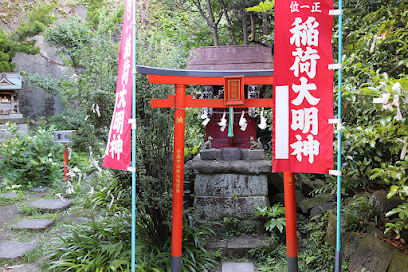
Otsuna Kompira Shrine
Kanagawa 221-0834
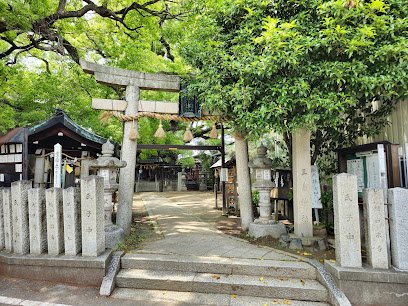
Mitsushima Shrine
Osaka 571-0015
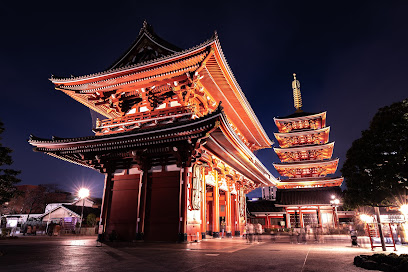
Sensō-ji
Tokyo 111-0032
Completed in 645, this temple, Tokyo's oldest, was built to honor Kannon, the goddess of m...
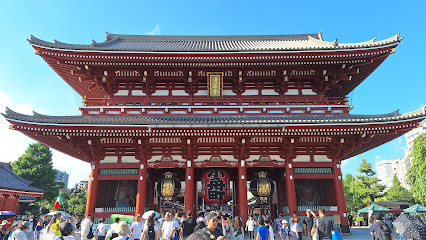
Kaminarimon
Tokyo 111-0032
A 3.9m-tall lantern greets visitors to this stately gate at the entrance to Sensō-ji templ...
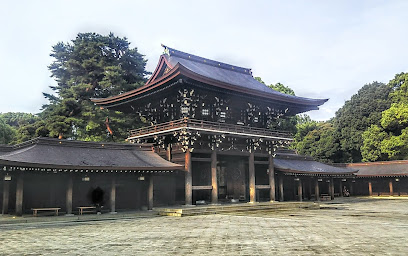
Meiji Jingu
Tokyo 151-8557
Surrounded by forest, this venerable Shinto shrine features a seasonal iris garden.

Kushida Shrine
812-0026
Founded in 757 CE, this urban site annually hosts the city's largest festival, Hakata Gion...