

Shrines & temples
Japanese shrines
OSM directory
Explore Shinto shrines mapped from OpenStreetMap — filter by prefecture, city, or denomination. For curated travel listings, see featured landmark shrines below.
838 shrines
若宮八幡神社
若宮八幡神社
Shimane
Located in the coastal town of Matsue in Shimane Prefecture, Ifriya Shrine is dedicated to the god of the sea and protector of fishermen. It has been rebuilt many times due to earthquakes, with its current structure dating back to 1899. The shrine's architecture reflects a mix of traditional and modern styles, making it an interesting visit for those looking at Japanese modernization.
Arako Shrine
荒胡子神社
Shimane
Arakō Shrine, located in the town of Izumo in Shimane Prefecture, is one of Japan's oldest and most sacred Shinto shrines dedicated to the deity Inari Ōno-mikoto, also known as Inari Okami. The shrine is famous for its beautiful vermilion torii gate and its association with the legendary Japanese hero Sannen Maru no Oto no Kami, who is believed to have created the waters of the nearby Sea of Japan. Visitors can pray for fertility, prosperity, and good luck at this historic and culturally significant site.
Awashima Shrine
粟島神社
Shimane
Awashima Shrine is a Shinto shrine located in the town of Oki, Shimane Prefecture. The shrine is dedicated to the god of the sea, Ryugu no Okami, and is also enshrined with the god of the island, Awashimahime, as well as other kami such as Inari and Hachiman. The shrine's architecture reflects its coastal location, with a large torii gate that appears to be floating on the water.
Ebisu Shrine
胡堂(恵比須社)
Shimane
Located in the town of Matsue, Shimane Prefecture, Ebisu Shrine is a revered Shinto site dedicated to the kami Ebisu, the god of rice, fishing, and prosperity. The shrine's architecture reflects its Heian period origins, with a distinctive thatched roof and a vermilion torii gate. According to legend, Ebisu was said to have appeared at the shrine in 718 CE, bringing good fortune and prosperity to the area.
Hinomisaki Shrine
日御碕神社
Shimane
Located on the coast of Shimane Prefecture, Hinomisaki Shrine is a historic Shinto shrine dedicated to the sea god, Ooishi Yosuke, and the protector of the town, Soga no Tanegashima. The shrine's architecture reflects its coastal location, with a distinctive vermilion torii gate situated on the cliff edge, overlooking the Sea of Japan. Visitors can enjoy stunning views of the ocean while praying to the kami.
Hinomisaki Shrine Shimonomiya Kyojima
日御碕神社下之宮 経島
Shimane
Hinomisaki Shrine is a Shinto shrine located on the island of Kyojima in Shimane Prefecture, Japan. The shrine's name 'Shimonomiya' is derived from its original location near the Shimonomiya River. The shrine was established to enshrine the kami of the river and surrounding area, believed to have powers related to fishing and agriculture.
Hiroshima Gokoku Shrine
広島護国神社
Shimane
The Hiroshima Gokoku Shrine is a Shinto shrine dedicated to the deified spirits of those who died defending Japan during the Meiji period, particularly during the First Sino-Japanese War and the Russo-Japanese War. The shrine's primary enshrined deity is Kanemori Nagayoshi, a samurai who played a key role in these wars. Located in Shimane Prefecture, the shrine reflects the region's military history and its significance in Japan's modernization. Hiroshima Gokoku Shrine has maintained its historical integrity while adapting to changing times, becoming an important cultural and historical site.
Hokoku Shrine (Senjokaku)
豊国神社
Shimane
Located in the heart of Matsue, Shimane Prefecture, Hokoku Shrine is a revered Shinto shrine dedicated to the god of prosperity and good fortune. Built in 1594 during the Azuchi-Momoyama period, this shrine is notable for its beautiful Senjokaku Palace, which served as a residence for the Daimyo of Izumo. The shrine's architecture reflects the Heian period style, with a unique blend of traditional and modern elements.
Honkawahamaebisu Shrine
本川浜恵美須神社
Shimane
Honkawahamaebisu Shrine, located in the coastal town of Shimane Prefecture, is a tranquil Shinto sanctuary that honors Ebisu, the benevolent god of prosperity and good fortune. As one of the shrines dedicated to this esteemed kami, Honkawahamaebisu Shrine offers a serene escape from the bustling world. With its picturesque setting by the sea and historic significance, it is a must-visit destination for anyone interested in Shintoism and Japanese culture.
Inaridaimyojin
稲荷大明神
Shimane
Inaridaimyojin Shrine is a Shinto temple dedicated to the kami of rice, prosperity, and good fortune in Matsue City, Shimane Prefecture. The shrine is famous for its beautiful garden and traditional architecture, which reflect the region's rich cultural heritage.
Iwagami Shrine
岩神神社
Shimane
Located in the scenic town of Matsue, Shimane Prefecture, Iwagami Shrine is a serene Shinto oasis nestled within the tranquil surroundings of Iwami Forest. Built on the foundation of an ancient temple dating back to the Heian period (794-1185), this sacred site has stood witness to the passing of centuries and continues to reverberate with the essence of Japan's rich cultural heritage. The shrine is notably famous for its elegant vermilion torii gate, which beautifully complements the soft hues of the surrounding landscape.
Izumo Grand Shrine
出雲大社
Shimane
Located in the city of Matsue, Shimane Prefecture, Izumo Grand Shrine is one of Japan's most renowned Shinto shrines and the largest Shinto shrine in the country. Dedicated to the sun goddess Amaterasu Omikami and the storm god Susanoo, it is said to be the ancestral home of Japanese royalty and the place where the imperial family's ancestors descended upon the earth. The shrine's vast grounds cover over 10 hectares, featuring numerous temples, shrines, and gardens, showcasing a mix of ancient and modern architectural styles.
Kanda Shrine
神田神社社務所
Shimane
Located in the city of Matsue, Shimane Prefecture, Kanda Shrine is one of Japan's oldest and most revered shrines, with a history dating back to the Heian period (794-1185). As a major Shinto shrine, it serves as a spiritual center for locals and a popular tourist destination. The shrine complex features a beautiful vermilion torii gate, reflecting its importance in Japanese mythology.
Kanda Shrine
神田神社社務所
Shimane
Kanda Shrine is a Shinto shrine located in the city of Matsue, Shimane Prefecture, Japan. Dedicated to the kami of the same name, it is known for its traditional architecture and historical significance. The shrine's current building dates back to the Edo period (1603-1867), although some sources suggest that the site may have been used for worship since the Heian period (794-1185). Kanda Shrine is also famous for being the birthplace of Matsue Castle, one of Japan's most important historical sites. Visitors can explore the shrine's beautiful gardens and traditional buildings, including a historic treasure house containing artifacts from the Edo period.
Kigami Shrine
城上神社
Shimane
Located in the heart of Shimane Prefecture, Kigami Shrine is a historic Shinto shrine that has been revered for centuries as a guardian of the town's prosperity and good fortune. The shrine is famous for its beautiful cherry blossom trees and traditional architecture, which reflect the rich cultural heritage of the region. Visitors can explore the shrine's main hall, the haiden, and the torii gate, while also experiencing the tranquil atmosphere of the surrounding gardens.
Kiyomori Shrine
清盛神社
Shimane
Kiyomori Shrine, located in the city of Matsue in Shimane Prefecture, is dedicated to Shigenari no Okami, a deity revered by the Minamoto clan during the Heian period. The shrine's architecture reflects its historical significance as a center for local politics and power struggles. The main hall's design bears resemblance to the Kiyomori-style, a regional architectural style characteristic of western Japan. Visitors can explore the shrine's museum, which houses artifacts from the shrine's history and exhibits on regional culture. In addition, the shrine is famous for its beautiful gardens, tranquil atmosphere, and scenic views of Matsue city.
Kotohira Jinja Shrine
金刀比羅神社
Shimane
Kotohira Jinja Shrine is a Shinto shrine located in the town of Kotohira, Shimane Prefecture. The shrine is famous for its stunning architecture and sacred sword, Kotohira-guunaji, which is said to be one of the three most important swords in Japan. The shrine is also revered as the 'Mother Shrine' of Japan, with numerous shrines dedicated to it across the country.
Kubo Hachiman Shrine
久保八幡神社
Shimane
Kubo Hachiman Shrine is a Shinto shrine located in the town of Kuroshio, Shimane Prefecture, and is dedicated to the deity Hachiman, patron god of the Japanese military. The shrine's architecture reflects its historical significance as a major stop on the famous Nakasendo highway, which connected Tokyo with Kyoto during the Edo period. Visitors can explore the shrine grounds, which include several historic buildings, including the honden and shinden.
Matsuo Shrine
松尾神社
Shimane
Matsuo Shrine, located in the city of Matsue in Shimane Prefecture, is one of Japan's most beautiful and historic shrines. Dedicated to the Shinto god of wisdom, prosperity, and good governance, Matsuo Shrine has played a significant role in the region's politics and economy for centuries. The shrine's architecture is characteristic of Nara-period temples, with a combination of wooden and stone structures that date back to the 8th century. Visitors can explore the shrine grounds, which feature beautiful gardens, walking paths, and traditional Shinto artifacts.
Miki Shrine
三鬼神社
Shimane
Miki Shrine is a Shinto shrine located in Iwami City, Shimane Prefecture, dedicated to the three spirits of death, Yamabiko, Yatagarasu, and Tengoku. The shrine's architecture reflects its connection to the local kami and its role as a gateway for the souls of the deceased. Visitors can explore the shrine's historic buildings and grounds, which are surrounded by scenic natural beauty.
Misen Shrine
弥山神社
Shimane
Misen Shrine is a Shinto shrine located in the scenic Iwami region of Shimane Prefecture, known for its stunning natural beauty and rich cultural heritage. The shrine is dedicated to the god of the mountain Misen, who is believed to have created the nearby Misen-yama mountain. Visitors can explore the shrine's historic torii gate, peaceful gardens, and traditional architecture, which reflects the Heian period (794-1185 CE). The shrine is also famous for its unique 'Toro Nagi' gate, a beautiful wooden gate adorned with vermilion paint and carvings of dragons and other mythical creatures.
Misode Tenmangu Shrine
御袖天満宮
Shimane
Misode Tenmangu Shrine is a Shinto shrine located in the town of Mino, Shimane Prefecture, dedicated to Sugawara no Michizane, a 9th-century poet and politician who is revered as a kami. The shrine is renowned for its beautiful autumn foliage and unique architectural style, which combines elements of traditional Japanese and Chinese designs. Visitors can explore the shrine's tranquil gardens, stroll along the Kijima River, and experience the local culture and traditions.
Mitokoura Shrine
御床浦神社
Shimane
Mitokoura Shrine, located in the town of Kuroishi in Shimane Prefecture, is a Shinto shrine dedicated to the kami of the sea and fertility. The shrine's name, Mitokoura, translates to 'firm, strong, and abundant,' reflecting its connection to the ocean's power. Built during the Heian period (794-1185 CE), the shrine has undergone several renovations and restorations over the centuries.
Nagahama Shrine
長浜神社
Shimane
Nagahama Shrine is a Shinto shrine located in the city of Matsue, Shimane Prefecture. The shrine is famous for its beautiful garden and tranquil atmosphere. Visitors can walk through the shrine's grounds and admire the traditional Japanese architecture. The shrine is also known for its historic significance, dating back to the Heian period.
Curated shrine listings
Hand-picked shrines and temples from our landmark guide.
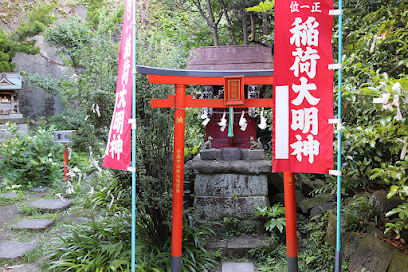
Otsuna Kompira Shrine
Kanagawa 221-0834
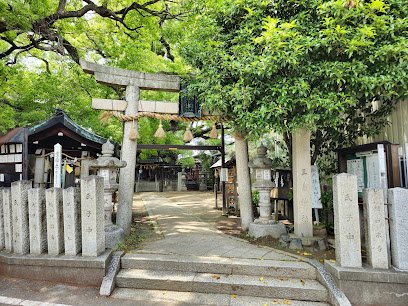
Mitsushima Shrine
Osaka 571-0015
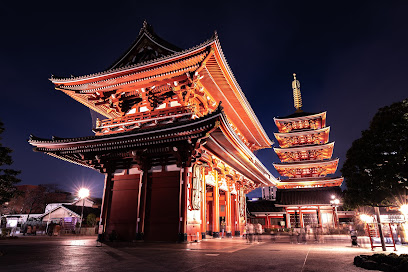
Sensō-ji
Tokyo 111-0032
Completed in 645, this temple, Tokyo's oldest, was built to honor Kannon, the goddess of m...
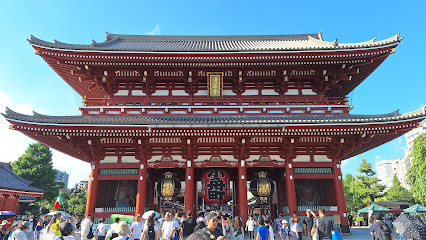
Kaminarimon
Tokyo 111-0032
A 3.9m-tall lantern greets visitors to this stately gate at the entrance to Sensō-ji templ...
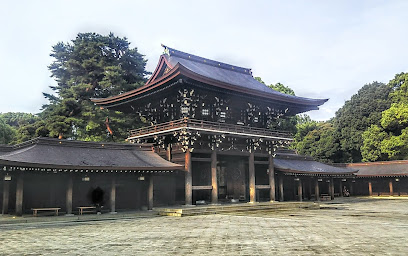
Meiji Jingu
Tokyo 151-8557
Surrounded by forest, this venerable Shinto shrine features a seasonal iris garden.

Kushida Shrine
812-0026
Founded in 757 CE, this urban site annually hosts the city's largest festival, Hakata Gion...