

Shrines & temples
Japanese shrines
OSM directory
Explore Shinto shrines mapped from OpenStreetMap — filter by prefecture, city, or denomination. For curated travel listings, see featured landmark shrines below.
1,233 shrines
Funadama Shrine
船玉神社
Kanagawa
Funadama Shrine is dedicated to Funadama no Kami, the protective spirit of ships and boats in Japanese maritime tradition. These shrines are commonly found in coastal areas and serve the fishing and maritime communities who pray for safe voyages and good catches.
Funakoshi Shrine
船越神社
Kanagawa
Funakoshi Shrine is a Hachiman shrine located in Kanagawa Prefecture, dedicated to the worship of Hachiman, the Shinto deity of war, culture, and divine protection. The shrine serves the local community and maintains traditional Shinto practices and festivals throughout the year.
Gankake-Yahatagu Shrine
願掛八幡宮
Kanagawa
Gankake-Yahatagu Shrine is a Shinto shrine located in Kanagawa Prefecture, dedicated to the deity Hachiman Okami. The shrine is known for its unique architectural style, which combines elements of traditional Japanese and Chinese designs. Visitors can explore the shrine's main hall, which features a vermilion lacquerwork screen and a series of stone lanterns. The shrine also offers stunning views of the surrounding landscape.
Geku (Outer Shrine)
外宮
Kanagawa
The Outer Shrine of Ise Grand Shrine, dedicated to Toyouke-no-Omikami, the deity of agriculture, industry, and food. One of Japan's most sacred Shinto sites, rebuilt every 20 years in the ancient tradition of Shikinen Sengu.
Gorei Shrine
五霊神社
Kanagawa
Gorei Shrine is a Shinto shrine in Kanagawa Prefecture dedicated to five spirits or deities, as indicated by its name meaning 'Five Spirits Shrine.' The specific nature of these five spiritual entities may vary depending on the shrine's particular tradition and local religious practices.
Gorei Shrine
五霊神社
Kanagawa
Gorei Shrine is a local Shinto shrine in Kanagawa Prefecture dedicated to five protective spirits or deities. The name 'Gorei' literally means 'five spirits,' indicating the shrine's focus on multiple kami working together to protect the local community.
Gorei Shrine
五霊神社
Kanagawa
Gorei Shrine is a local Shinto shrine in Kanagawa Prefecture dedicated to five spiritual entities. The name 'Gorei' literally means 'five spirits,' indicating the shrine enshrines multiple kami or deified spirits, which is common in folk Shinto traditions where local communities venerate groups of protective deities.
Gorei Shrine
五霊神社
Kanagawa
Gorei Shrine is a Shinto shrine in Kanagawa Prefecture dedicated to five spirit deities. The name 'Gorei' literally means 'five spirits,' indicating the shrine's focus on venerating multiple kami collectively.
Goryo Jinja Shrine
石上神社
Kanagawa
Goryo Jinja Shrine is a Shinto shrine dedicated to the deity of prosperity and good fortune, located in the city of Odawara, Kanagawa Prefecture. The shrine was built during the Edo period (1603-1867) and features a traditional Japanese architectural style with a large torii gate and a five-story pagoda. Visitors can experience the tranquil atmosphere of the shrine's gardens and admire the beautiful autumn foliage during the fall season.
Goryō Shrine
御霊神社
Kanagawa
Goryō Shrine is dedicated to the veneration of goryō, the spirits of nobles who died in political disgrace or under tragic circumstances. These shrines serve to pacify potentially vengeful spirits by transforming them into protective deities through proper worship and ritual appeasement.
Goryō Shrine
御霊神社
Kanagawa
A Goryō shrine dedicated to appeasing the vengeful spirits of nobles and important figures who died unjust deaths. These shrines were established to transform potentially harmful spirits into protective deities through proper veneration and ritual observance.
Goryō Shrine
御霊神社
Kanagawa
A shrine dedicated to goryō, the vengeful spirits of those who died in political turmoil or injustice, transformed through worship into protective deities. These shrines serve to pacify potentially harmful spirits and channel their power for the protection of the community.
Gosha Inari Shrine
五社稲荷神社
Kanagawa
Gosha Inari Shrine is an Inari shrine located in Kanagawa Prefecture dedicated to the Shinto deity of rice, sake, and prosperity. The name 'Gosha' (five shrines) suggests this may be a complex of five smaller Inari shrines or a shrine honoring five aspects of Inari worship.
Gosho Jinja Shrine
五所神社
Kanagawa
Goten Jinjya Shrine
御殿神社
Kanagawa
Located in the city of Yokohama, Kanagawa Prefecture, Goten Jinjya Shrine is a revered Shinto shrine dedicated to the worship of various kami. The shrine's name, Goten, means 'palace' or 'imperial palace,' reflecting its historical connection to the imperial family. As one of the oldest shrines in Yokohama, it showcases traditional Japanese architecture and offers a glimpse into the region's rich cultural heritage.
Hachiman Jinja
八幡神社
Kanagawa
Located in Kamakura, Hachiman Shrine is one of Japan's most famous Shinto shrines, dedicated to the god of war and patron deity of samurai. The shrine is renowned for its stunning architecture, beautiful gardens, and historic significance. In the Edo period, it was a major pilgrimage site for warriors seeking good fortune and protection in battle. Today, visitors can walk through the peaceful grounds, explore the various halls and temples, and experience the serene atmosphere that has captivated many for centuries.
Hachiman Jinja Ritual Cleansing Fountain
八幡神社手水舎
Kanagawa
Located in the city of Odawara, Kanagawa Prefecture, Hachiman Jinja is a renowned Shinto shrine dedicated to the deity Hachiman Tenjin, the patron god of learning and literature. The shrine's history dates back to the 8th century, with its current buildings constructed during the Edo period (1603-1867). As one of Japan's oldest and most revered shrines, it is believed to have played a significant role in the country's literary and educational development.
Hachiman Shrine
八幡神社
Kanagawa
Hachiman Shrine, located in Kamakura, Kanagawa Prefecture, is one of Japan's most famous Shinto shrines and a revered site associated with the god Hachiman, patron deity of war and military success. The shrine complex includes several structures and artifacts from various historical periods, including the Edo period. According to legend, Hachiman was born in the 8th century as the son of the sun goddess Amaterasu and was instrumental in helping the Emperor Shotoku II reform Buddhism during the Asuka period.
Hachiman Shrine
八幡神社
Kanagawa
Located in Kamakura, Kanagawa Prefecture, Hachiman Shrine is one of Japan's most famous Shinto shrines and a revered site for the god of war, Hachiman. Dedicated to the deity believed to protect samurai warriors, the shrine has played an important role in Japanese history and culture. The shrine's architecture reflects its Edo period origins, with a five-story pagoda and vermilion torii gate. Visitors can explore the grounds, which include a museum showcasing artifacts related to Hachiman and his significance in Japanese mythology.
Hachiman Shrine
八幡神社
Kanagawa
Hachiman Shrine
八幡神社
Kanagawa
Hachiman Shrine
八幡神社
Kanagawa
A Hachiman shrine in Kanagawa Prefecture dedicated to the deified Emperor Ojin, revered as the god of war, culture, and divine protection. Hachiman shrines are among the most numerous in Japan, serving local communities as centers of worship and cultural activities.
Hachiman Shrine
八幡神社
Kanagawa
Hachiman Shrine
八幡神社
Kanagawa
Curated shrine listings
Hand-picked shrines and temples from our landmark guide.
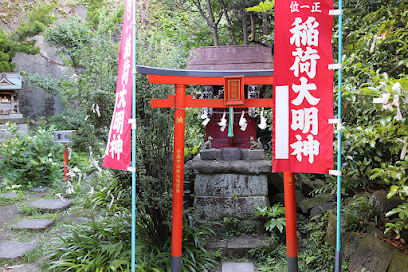
Otsuna Kompira Shrine
Kanagawa 221-0834
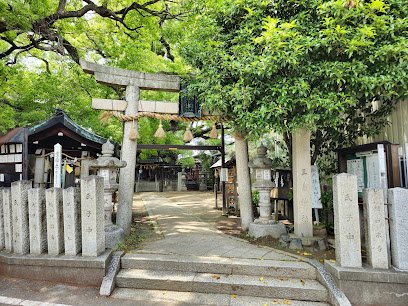
Mitsushima Shrine
Osaka 571-0015
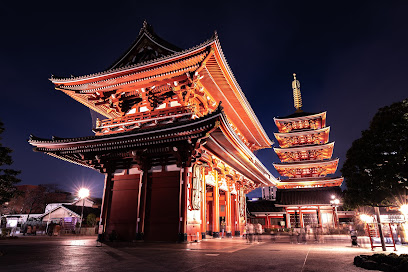
Sensō-ji
Tokyo 111-0032
Completed in 645, this temple, Tokyo's oldest, was built to honor Kannon, the goddess of m...
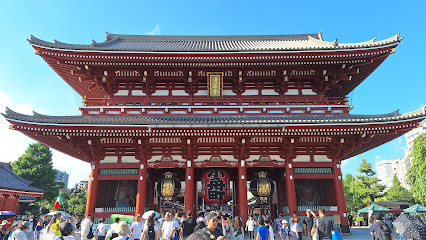
Kaminarimon
Tokyo 111-0032
A 3.9m-tall lantern greets visitors to this stately gate at the entrance to Sensō-ji templ...
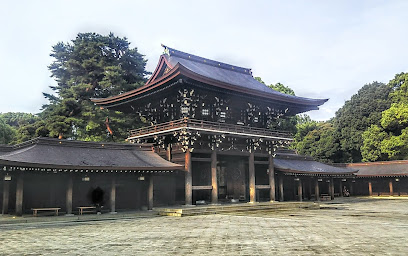
Meiji Jingu
Tokyo 151-8557
Surrounded by forest, this venerable Shinto shrine features a seasonal iris garden.

Kushida Shrine
812-0026
Founded in 757 CE, this urban site annually hosts the city's largest festival, Hakata Gion...