

Shrines & temples
Japanese shrines
OSM directory
Explore Shinto shrines mapped from OpenStreetMap — filter by prefecture, city, or denomination. For curated travel listings, see featured landmark shrines below.
832 shrines
Gosya Shrine
五社神社
Hyogo
Located in Hyogo Prefecture, Gosya Shrine is a Shinto shrine dedicated to the worship of various kami. The shrine's name 'Gosya' roughly translates to 'Five-Deity Shrine.' This unique name reflects the reverence for five distinct deities associated with the site, which are believed to have been enshrined there since ancient times. Visitors can explore the shrine grounds and experience a blend of traditional Shinto architecture and natural beauty.
gosyadaizinjya
五社大神社
Hyogo · 兵庫県加古川市平岡町新在家2293
Gosyadaizinjya Shrine is a Shinto temple located in Hyogo Prefecture, Japan, and is dedicated to the god of rice and prosperity. The shrine is famous for its beautiful architecture and scenic surroundings. It is said that the shrine was built in 1710 during the Edo period, but many of the current buildings date back to the Meiji period.
Hachimangu Shrine
八幡宮
Hyogo
Located in the city of Kobe, Hyogo Prefecture, Hachimangu Shrine is a Shinto temple dedicated to the god of war, Hachiman Okami. Founded in 727 AD by Prince Nagaya no Asasukamimi, Hachimangu is one of Japan's oldest shrines and a significant site for military victory and good fortune. The shrine complex features traditional Japanese architecture with red gates and torii pillars.
Hachiōji-jinja
八王子神社神社
Hyogo
Located in the heart of Hyogo Prefecture, Hachiōji-jinja Shrine is a serene Shinto sanctuary dedicated to the worship of various kami. The shrine is situated on the banks of the Hachigimatsubara River and boasts a harmonious blend of traditional and modern architecture. Visitors can explore the shrine's tranquil gardens, adorned with stunning cherry blossom trees and carefully manicured grounds.
Himeji Castle
刑部大神
Hyogo
Himeji Castle, located in Hyogo Prefecture, is a renowned Shinto shrine dedicated to the sun goddess Amaterasu, known as Himegimi. The shrine is situated within the castle complex and serves as the spiritual center of the area. Its stunning architecture and beautiful gardens reflect the harmony between nature and man-made structures. As one of Japan's most iconic landmarks, Himeji Castle is a must-visit destination for anyone interested in history, culture, and spirituality.
Hinokuma Shrine
日前神宮・國懸神宮
Hyogo
Hinokuma Shrine, located in the Settsu region of Hyogo Prefecture, is a sacred site associated with the legend of the samurai Hachiman, who was said to have visited the area in search of a remedy for his illness. The shrine's primary deity, Hachiman, is believed to be the god of war and fate, as well as a patron of travelers and merchants. The shrine's architecture and layout reflect traditional Japanese design, with a vermilion torii gate and a square-shaped main hall.
Hojo Ikoma Shrine
北条生駒神社
Hyogo
Hojo Ikoma Shrine, located in Hyogo Prefecture, is a Shinto shrine dedicated to the deified spirits of Hojo family members who served as regents during the Kamakura period. The shrine's architecture reflects the Heian and Kamakura styles, with a main hall featuring a traditional curved roof. Visitors can experience the tranquility of the shrine's gardens, which include several large trees believed to be over 500 years old.
Hyogo-ken Himeji Gokoku Shrine
兵庫縣姫路護國神社
Hyogo
Located in the heart of Japan's Hyogo Prefecture, Hyogo-ken Himeji Gokoku Shrine is a revered Shinto site that honors the spirit of the city's founder, Prince Moriya, who established the town in 1333. The shrine's name, 'Gokoku,' translates to 'Nation of Virtue and Wisdom,' reflecting its significance as a symbol of civic pride and community resilience.
Hyōmai Shrine
表米神社
Hyogo
Located in the city of Kobe, Hyōmai Shrine is a Shinto temple dedicated to the kami of sake and fertility. The shrine's architecture reflects its historical importance as a site for sake breweries and rice cultivation. Visitors can experience traditional Japanese culture by participating in sake ceremonies and tea tastings.
Isobe Shrine
石部神社
Hyogo
Isobe Shrine is a Shinto shrine located in the Settsu district of Himeji City, Hyogo Prefecture. It is famous for its historical significance and cultural importance, as it was once considered one of the most sacred shrines in Japan during the Heian period. The shrine is dedicated to the deity Takemikazuchi, a kami associated with thunder and lightning.
Isobe Shrine
磯辺神社
Hyogo
Located in the town of Ako, Hyogo Prefecture, Isobe Shrine is a Shinto shrine dedicated to various kami, including Inari Okami, Hachiman Okami, and others. The shrine is renowned for its picturesque setting amidst scenic rice paddies and ancient trees. Visitors can explore the shrine's historic torii gate, tranquil gardens, and serene waters of the nearby pond.
Isobe Shrine
磯部神社
Hyogo
Located in the city of Akashi, Hyogo Prefecture, Isobe Shrine is a Shinto temple dedicated to the deity Inari Okami. The shrine's architecture reflects its historical significance as a major stop on the ancient Nakasendo Road. Built during the Edo period (1603-1868), the shrine's wooden structures have been meticulously restored to maintain their original charm. Visitors can admire the shrine's serene gardens and ornate torii gates, offering a glimpse into traditional Japanese architecture.
Itakiso Shrine
伊太祁曽神社
Hyogo
Itakiso Shrine is a Shinto temple located in the city of Akashi, Hyogo Prefecture. Dedicated to Itakiso, a kami believed to protect fishermen and sailors, the shrine offers a tranquil atmosphere surrounded by the Seto Inland Sea. Visitors can admire the shrine's traditional architecture and explore its grounds, which feature a scenic pond and walking paths. The shrine is also famous for its beautiful cherry blossom trees.
Iwaya-jinja Shrine
岩屋神社 (Iwaya-jinja Shrine)
Hyogo
Located in the city of Himeji, Hyogo Prefecture, Iwaya-jinja Shrine is a Shinto shrine dedicated to the deity Inari Okami, known as the god of rice and fertility. The shrine's architecture reflects its historical significance as a key stopover on the famous Katsuren Kaido Road, which connected Osaka with Hiroshima during the Edo period. The shrine's wooden torii gate, designed in the traditional Heian style, is particularly notable for its beauty and historic value.
Iyato-jinja Shrine
射矢止神社
Hyogo
Iyato-jinja Shrine is a Shinto shrine located in Hyogo Prefecture, dedicated to the kami of arrows and protection. The shrine's name, Iyato, refers to the concept of 'arrow stop' or 'bullet stop,' indicating its historical role as a sacred site for archers and hunters. The shrine's architecture and design reflect traditional Japanese styles, with a focus on harmony with nature. Visitors can explore the shrine grounds, which feature several scenic walking paths, including a path dedicated to the worship of Inari Okami, patron deity of rice and fertility.
Izanagi Shrine
伊弉諾神宮
Hyogo
Izanagi Shrine is a Shinto shrine located in Hyogo Prefecture, dedicated to the deity Izanagi, one of the two main deities who created Japan along with his wife Izanami. The shrine is said to be the site where the imperial family descended from the gods and features traditional Japanese architecture and decorations. Visitors can experience the tranquility of the surrounding forest while paying respects to Izanagi at this serene shrine.
Kamitani-Tachinomiya Shrine
神谷太刀宮神社
Hyogo
Located in the heart of Hyogo Prefecture, Kamitani-Tachinomiya Shrine is a historic Shinto site dedicated to the deified spirit of Tachibana no Munemochi, a prominent samurai and leader of the Genpei War. The shrine's architecture reflects its origins during the Heian period, with a traditional Japanese-style main hall and several smaller shrines. Visitors can explore the shrine's peaceful grounds, which feature various traditional gardens and walking paths.
Kamo Kunitama shrine
鴨國魂神社
Hyogo
Kamo Kunitama Shrine, located in Hyogo Prefecture, is one of the oldest shrines in Japan, dedicated to the Kamu-kami, a Shinto deity revered for its association with water and purification. The shrine's architecture reflects traditional Japanese design, with a wooden torii gate and a rectangular main hall. The shrine complex includes several smaller shrines and temples, showcasing the diverse spiritual influences that have shaped Japanese culture over time.
Kasagata Shrine
笠形神社
Hyogo
Located in the city of Himeji, Kasagata Shrine is a Shinto temple dedicated to the worship of Yamabe no Okami, a kami associated with mountains and forests. The shrine's design reflects its rural location, featuring traditional Japanese architecture with curved wooden gates and tiled roofs. Visitors can explore the shrine's peaceful grounds and learn about its history and cultural significance.
Kashima Shrine
鹿嶋神社
Hyogo
Located in Hyogo Prefecture, Kashima Shrine is a Shinto temple dedicated to the god of the sea, Takemikazuchi, and the patron deity of the city of Kobe. The shrine's architecture reflects its connection to the sea, with elements such as tidal pools and wooden pillars reminiscent of boats. Visitors can explore the shrine's many nooks and crannies, including a beautiful garden and a sacred pond.
Konpira Jinja
金比羅神社
Hyogo
Located in Hyogo Prefecture, Konpira Jinja is one of Japan's most famous Shinto shrines, dedicated to the deified spirits of Benkei, a skilled samurai, and Ryōjin, the god of fire and industry. The shrine was originally constructed in 711 CE during the Asuka period but has undergone numerous renovations and expansions over the centuries. Today, it is one of Japan's most iconic landmarks and a popular destination for tourists and locals alike.
Nagusa-jinja
名草神社
Hyogo
Nagusa-jinja Shrine, located in Hyogo Prefecture, is a Shinto temple dedicated to the kami of the same name. The shrine's history dates back to the Heian period (794-1185 CE), and it is believed to have been built during the reign of Emperor Ichijo. Located near the Nagusa River, the shrine is said to have been established due to the reverence of its founder for the local deity. Visitors can explore the shrine's serene gardens, which feature a beautiful cherry blossom tree and a tranquil pond.
Ninomiya Shrine
二宮神社
Hyogo
Ninomiya Shrine, located in the city of Ako, Hyogo Prefecture, is a revered Shinto shrine dedicated to various deities. Its name 'Ninomiya' literally translates to 'Two Palace Shrines.' The shrine's architecture reflects its history as a daimyo (feudal lord) family shrine, with a complex of buildings featuring both traditional and modern elements. Visitors can explore the serene gardens, observe the ancient torii gates, and experience the rich cultural heritage of this historic site.
Nyakuōji Shrine
若王子神社
Hyogo
Nyakuōji Shrine is a Shinto shrine located in the Asahi-ku ward of Kobe, Hyogo Prefecture. The shrine is famous for its association with the legendary hero Ryūjin and is believed to be the site where he was born. Visitors can experience the shrine's tranquil atmosphere and explore its beautiful gardens and traditional architecture.
Curated shrine listings
Hand-picked shrines and temples from our landmark guide.
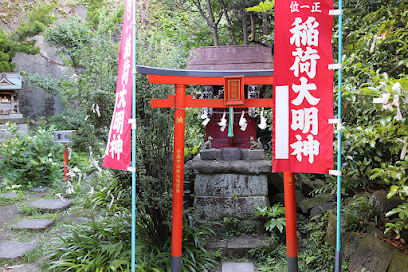
Otsuna Kompira Shrine
Kanagawa 221-0834
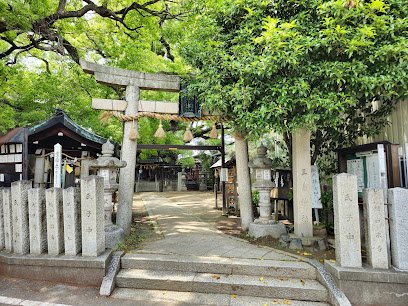
Mitsushima Shrine
Osaka 571-0015
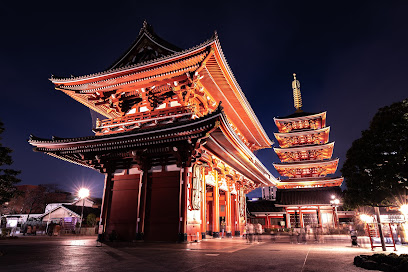
Sensō-ji
Tokyo 111-0032
Completed in 645, this temple, Tokyo's oldest, was built to honor Kannon, the goddess of m...
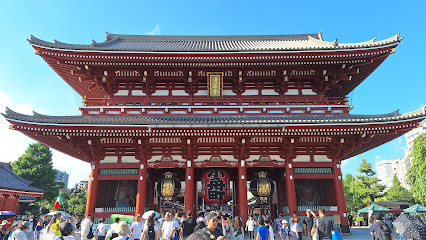
Kaminarimon
Tokyo 111-0032
A 3.9m-tall lantern greets visitors to this stately gate at the entrance to Sensō-ji templ...
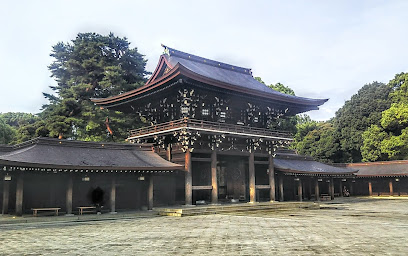
Meiji Jingu
Tokyo 151-8557
Surrounded by forest, this venerable Shinto shrine features a seasonal iris garden.

Kushida Shrine
812-0026
Founded in 757 CE, this urban site annually hosts the city's largest festival, Hakata Gion...