

Shrines & temples
Japanese shrines
OSM directory
Explore Shinto shrines mapped from OpenStreetMap — filter by prefecture, city, or denomination. For curated travel listings, see featured landmark shrines below.
978 shrines
稲荷大神
稲荷大神
Chiba
Indra's Shrine, located in Chiba Prefecture, is a prominent Shinto site dedicated to the deity Inari Okami. As one of Japan's most famous Shinto shrines, it has been an important center for worship and rituals since its establishment during the Nara period (710-794 CE). The shrine complex features a unique five-story pagoda tower, which serves as a symbol of Inari's association with rice and prosperity.
六所大神
六所大神
Chiba
Rokuso Daijin Shrine, located in Chiba Prefecture, is dedicated to the protection of merchants and travelers. This Shinto shrine has a rich history dating back to the Heian period (794-1185 CE). Its name translates to 'Six Gates Great God,' likely referencing its six gateways or torii that serve as portals to the divine realm. Visitors can explore the shrine's tranquil gardens, which are said to have been created during the Edo period (1603-1867 CE) by the Tokugawa shogunate.
甲頭稲荷神社
甲頭稲荷神社
Chiba
The 甲頭稲荷神社 is a Shinto shrine located in the town of Katsuragi, Chiba Prefecture. The shrine is dedicated to Inari Okami, the Shinto kami of rice and industry. The shrine's architecture reflects traditional Japanese design, with a rectangular main hall and several smaller shrines nestled among the buildings. Visitors can purchase ema (prayer papers) and tie them to the shrine's bamboo forest gates, a common practice at many Inari shrines.
開拓神社
開拓神社
Chiba
Opened God Shrine, located in the heart of the Tokyo metropolitan area, honors Okami, a kami associated with abundance and prosperity, as well as Kunitsuna-oki, a deity revered for its power to protect farmers and livestock. The shrine's architecture reflects a unique blend of traditional and modern elements, showcasing its adaptability to urban surroundings while maintaining its spiritual essence. Opened God Shrine is also known for its beautiful gardens, which serve as a peaceful oasis amidst the bustling city.
眞岡五社稲荷大明神
眞岡五社稲荷大明神
Chiba
located in the city of Kinugasa, Chiba Prefecture, Shinokawa Five-Shrine Inari Taisha is one of Japan's most prominent Shinto shrines dedicated to the kami Inari Okami. This shrine complex encompasses five different shrines, each with its own unique history and mythology. The shrines are believed to have originated from a single founding by a samurai named Kaitoku in the 9th century. Over time, the shrine has evolved to become an important cultural and historical site for the local community.
水神神社
水神神社
Chiba
Located in the Chiba Prefecture, the Mizu no Kami Shrine is dedicated to the Shinto god of water, Mizu no Kami. This shrine is situated near a scenic lake and offers stunning views of the surrounding landscape. The shrine's architecture reflects its regionally-inspired design, with a unique blend of traditional and modern elements. Visitors can explore the shrine's tranquil gardens and take part in various festivals throughout the year.
金比羅神社
金比羅神社
Chiba
Golden Pavilion Shrine, located in Chiba Prefecture, is one of the most famous Shinto shrines dedicated to the god Hachiman, patron deity of warriors and travelers. As a key site during the Heian period, it has played an important role in Japanese history and culture.
稲荷大明神
稲荷大明神
Chiba
Located in Chiba Prefecture,稲荷大明神 Shrine is dedicated to the deity of rice and fertility, Oinagisama. As one of the oldest shrines in Japan, it has played a significant role in the region's agricultural history. The shrine's architecture reflects its historical significance, with a mix of traditional Shinto styles and modern elements. Visitors can experience the tranquility of this ancient shrine, surrounded by beautifully manicured gardens and trees believed to have been planted since the 17th century.
大杉神社
大杉神社
Chiba
Tatsuta no Kami Shinto shrine, dedicated to Tatsuta-no-Kami, a rice-protecting kami associated with a legendary rice goddess, is located in Chiba Prefecture. The shrine's architecture reflects the Heian period, with a main hall built in the Kamakura style and covered with thatched roofing. It is famous for its numerous shrines dedicated to various local deities, known as yurei-gami.
千種神社
千種神社
Chiba
Tensu Shrine, dedicated to Tsukuyomi, the god of moon and harvest, is located in the town of Fukuda, Chiba Prefecture. The shrine's architecture reflects the Heian period style, with a five-story pagoda and a wooden torii gate. In Japanese folklore, Tsukuyomi is often depicted as a benevolent deity who ensures the prosperity of crops and livestock. Visitors to the shrine can pray for good harvests and fertility during the annual 'Matsuri' festival in October.
八坂神社
八坂神社
Chiba
Eight坂神社 is a Shinto shrine located in Chiba Prefecture, dedicated to the protection of fishermen and travelers. The shrine's name refers to its proximity to Eight坂 Mountain, which is said to be an auspicious site. Dedicated to the god of agriculture, Hachiman Tenno, and the kami of fertility, Toshigami Okami, this shrine is a significant cultural landmark in Chiba.
仁戸名水天宮
仁戸名水天宮
Chiba
Rintōdenwa Mizaru Ten-mangū, a Shinto shrine in the town of Rintō, Chiba Prefecture, is dedicated to the sea and fishing deities. The shrine's architecture reflects its coastal location, with a striking vermilion torii gate that appears almost as if it has been 'drawn' from the sea itself. A small museum nearby showcases the shrine's historical significance and the region's maritime traditions.
諏訪神社
諏訪神社
Chiba
Tokyo's oldest Shinto shrine, the Shrines of Ise and Nikko are not the only places to worship at an ancient Shrine of the kami. The shrines in Izu Peninsula were worshipped by the Mikado of Japan before the capital was moved to Tokyo. In the year of 1868, Emperor Meiji changed the name of the shrine to its current form. Today, it is a must-see for anyone interested in Japanese history and culture. With over 1500 years of history, this shrine is truly unique and has many interesting stories to tell.
白山神社
白山神社
Chiba
Located in the Chuo-machi district of Funabashi, Chiba, White Mountain Shrine is dedicated to the worship of Inari Ōkami, the Shinto god of rice, fertility, and industry. Built in 1889, the shrine's current structure is a blend of traditional Japanese architecture with modern elements, reflecting its evolution over time. The shrine's name, 'Hakusan,' refers to White Mountain, a nearby volcanic mountain that was considered sacred by ancient inhabitants.
清瀧神社
清瀧神社
Chiba
清瀧神社, located in the scenic town of Nikkō in Chiba Prefecture, is a Shinto shrine dedicated to the water god Ryūjin and the mountain spirit Hakuji. The shrine's name, 'Kiyohashi,' roughly translates to 'clear waterfall.' It is situated near a beautiful waterfall on the river Tonegawa, which flows from the nearby Mount Nantai. Visitors can enjoy a tranquil stroll along the riverbank while taking in the shrine's serene atmosphere.
川中島神明神社
川中島神明神社
Chiba
Located in the prefecture of Chiba, 川中島神明神社 is a Shinto shrine dedicated to the kami, Inari Okami Hoshiman no Kami. The shrine's name translates to 'Inari Okami Hoshiman Shrine' and reflects its connection to the kami of fertility, prosperity, and rice cultivation. As a major shrine in the Chiba region, it is known for its beautiful architecture and tranquil gardens, making it a popular destination for visitors seeking a peaceful experience with nature.
御岳神社
御岳神社
Chiba
Located in the foothills of Mt. Tsukuba in Chiba Prefecture, 御岳神社 is a Shinto shrine dedicated to the kami of the mountain and its surrounding area. The shrine's architecture reflects the region's rich cultural heritage, with a main hall featuring a traditional hippon-style roof and wooden pillars adorned with carvings of natural motifs. Visitors can experience the serene atmosphere of the shrine by walking through the beautifully manicured gardens and taking in the stunning views of Mt. Tsukuba.
熊野神社
熊野神社
Chiba
Katsura no kami, the primary deity of Katsurao Shrine in Chiba Prefecture, is a Shinto god of fertility and prosperity. The shrine, located near the town of Funabashi, was built in 1632 during the Edo period to protect the region from pirate attacks and ensure the well-being of local fishermen. As one of Japan's most historic shrines, Katsurao Shrine has been designated a National Cultural Property and is famous for its traditional architecture and beautiful gardens.
鹽竈神社
鹽竈神社
Chiba
Located in the town of Shimousa, Chiba Prefecture, 魚市場神社 is a Shinto shrine dedicated to the god of fishing and agriculture. The shrine's architecture reflects its role as a center for coastal trade and farming. Visitors can explore the shrine's traditional Japanese garden and learn about its history at the on-site museum.
和嶋弁財天社
和嶋弁財天社
Chiba
Andashima Benzaiten Taisha is a Shinto shrine located in the town of Sakuragahara, Chiba Prefecture. Dedicated to Benzaiten, the kami of beauty, music, and poetry, the shrine is known for its stunning architecture and beautiful gardens. Built in the 17th century, the shrine's main hall features a distinctive curved roof, typical of traditional Japanese architecture. The shrine is also famous for its vibrant festivals, particularly the Andashima Benzaiten Matsuri, which takes place on May 15th to celebrate the arrival of spring.
姉埼神社
姉埼神社
Chiba
Nijimaya Shrine, located in Chiba Prefecture, is a Shinto shrine dedicated to the gods of agriculture and fertility. The shrine's name, Nijimaya, roughly translates to 'double rice fields'. The shrine is believed to have originated during the Edo period and is still active today, with visitors coming to pray for good harvests and prosperity.
厳島神社
厳島神社
Chiba
Located in the heart of Mito, Chiba Prefecture, Tsukinoshima Shrine is a sacred site dedicated to the Shinto god of fire and metalworking, the kami of the island of Tsukinoshima. The shrine's architecture reflects its historical significance as an important center for copper production during the Edo period. Visitors can witness the unique 'Mogami-jidō' gate, which dates back to 1670.
音羽神社
音羽神社
Chiba
音羽神社, located in the scenic town of Katsuta, Chiba Prefecture, is a small yet picturesque Shinto shrine dedicated to the god of music and poetry, Kami no Yatsume. The shrine's architecture reflects traditional Japanese style with a vermilion gate and wooden roof, creating a serene atmosphere for visitors. According to local lore, Kami no Yatsume was said to have been born from the river Tone and is revered for his patronage of musicians and poets. Visitors can explore the shrine's tranquil gardens and enjoy a peaceful stroll along the nearby Tone River.
太田神社
太田神社
Chiba
Located in the town of Tenjincho, Chiba Prefecture, Taiita Shrine is a Shinto shrine dedicated to the kami of the same name. The shrine is believed to have been founded during the Nara period (710-794 CE), and its main temple was rebuilt during the Edo period (1603-1867 CE). The shrine is famous for its beautiful garden and traditional architecture, which reflect the local rural culture.
Curated shrine listings
Hand-picked shrines and temples from our landmark guide.
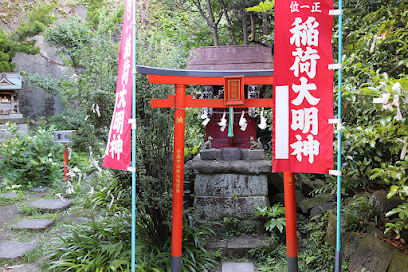
Otsuna Kompira Shrine
Kanagawa 221-0834
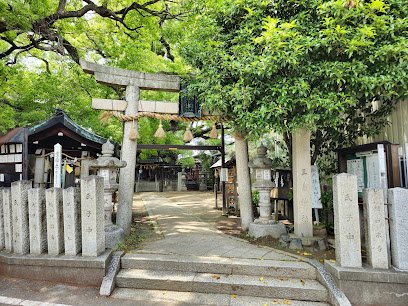
Mitsushima Shrine
Osaka 571-0015
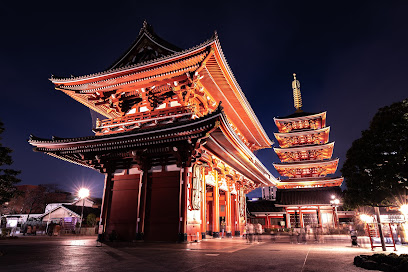
Sensō-ji
Tokyo 111-0032
Completed in 645, this temple, Tokyo's oldest, was built to honor Kannon, the goddess of m...
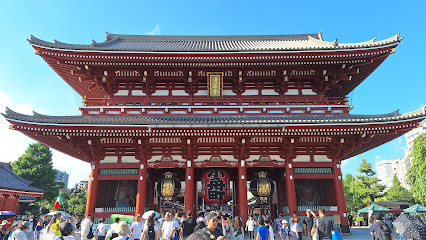
Kaminarimon
Tokyo 111-0032
A 3.9m-tall lantern greets visitors to this stately gate at the entrance to Sensō-ji templ...
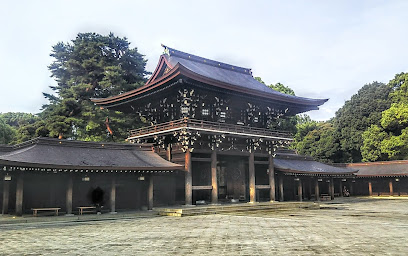
Meiji Jingu
Tokyo 151-8557
Surrounded by forest, this venerable Shinto shrine features a seasonal iris garden.

Kushida Shrine
812-0026
Founded in 757 CE, this urban site annually hosts the city's largest festival, Hakata Gion...